
Conventional Sleeper Trucks For Sale in Washington
Shop conventional sleeper trucks in Washington. Compare specs, sleeper sizes, powertrains, wheelbases, and long-haul features for fleet use.
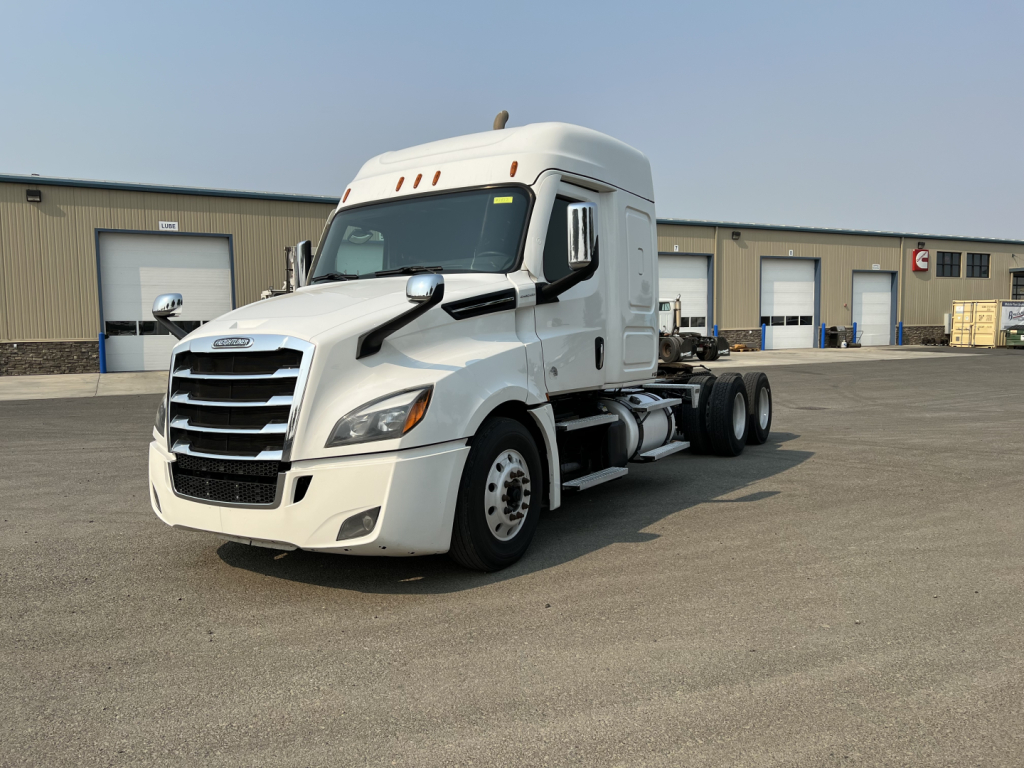
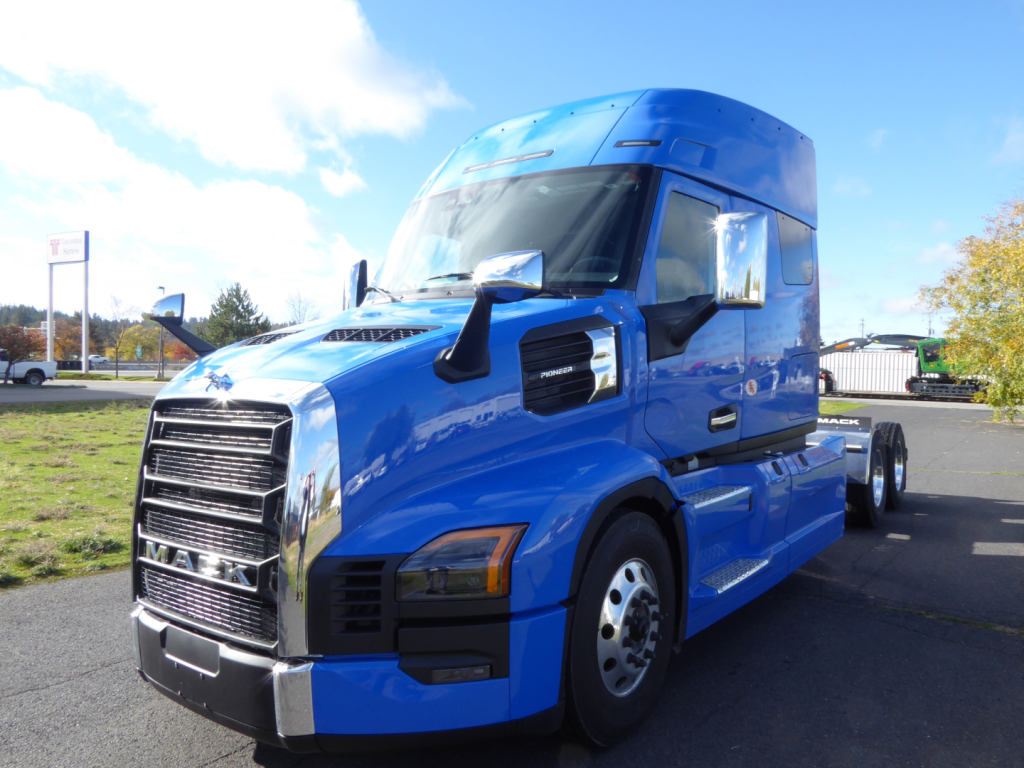
2026 Mack PR64T64
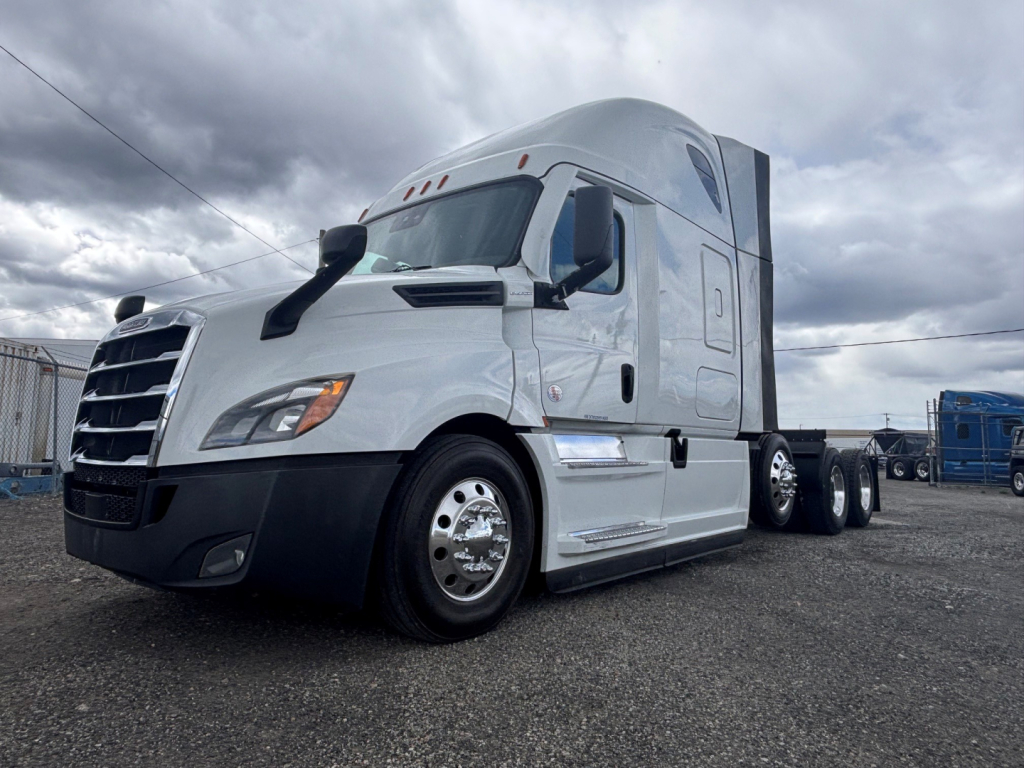
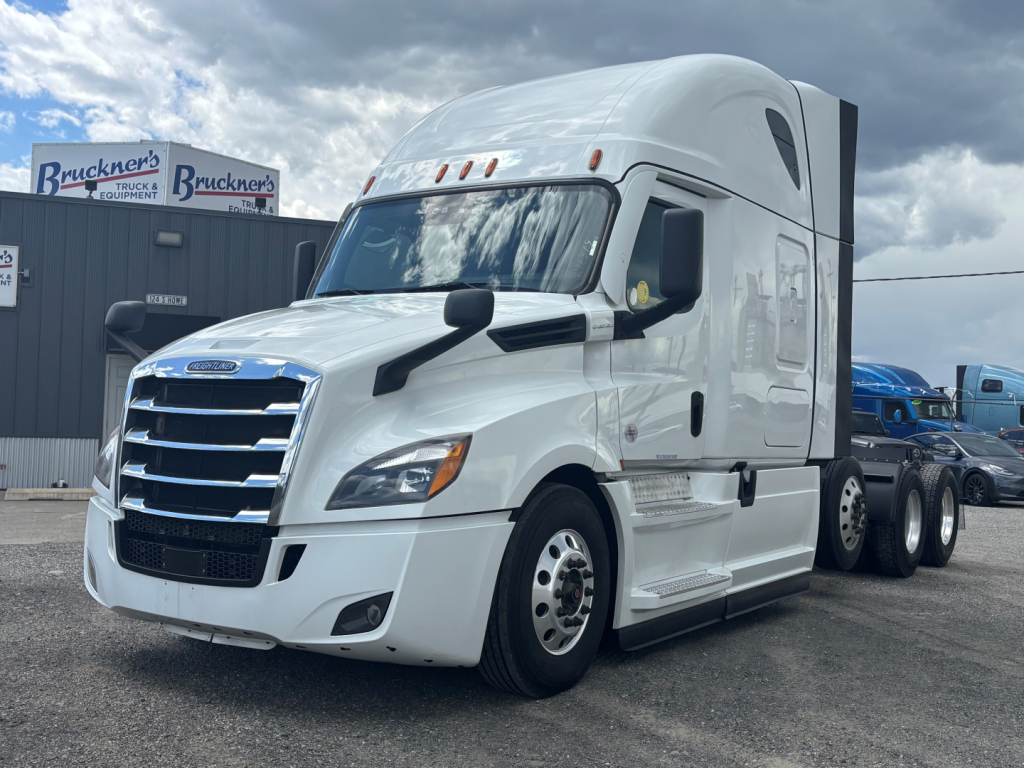
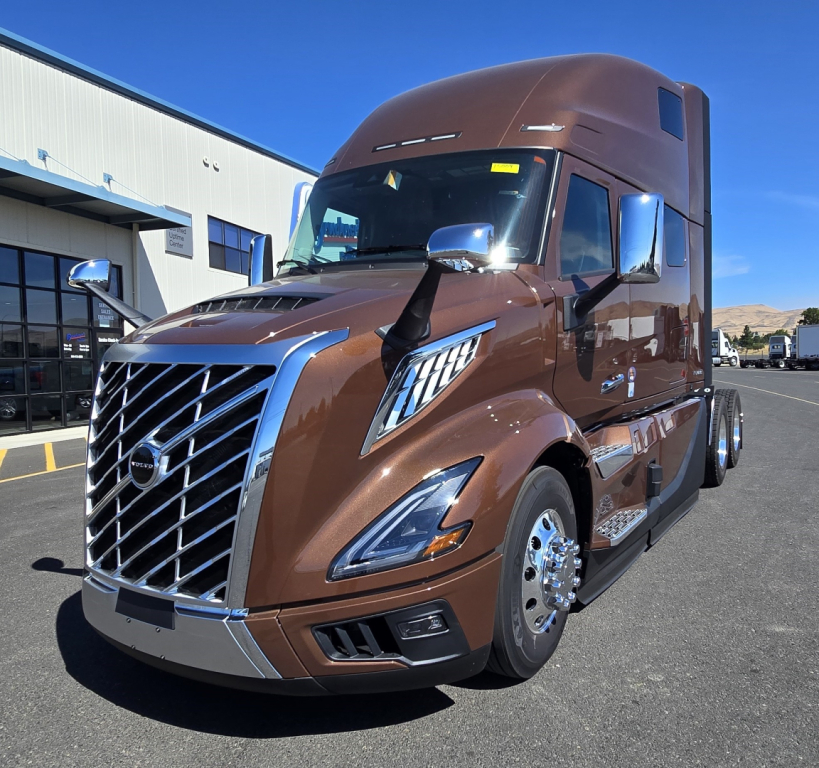
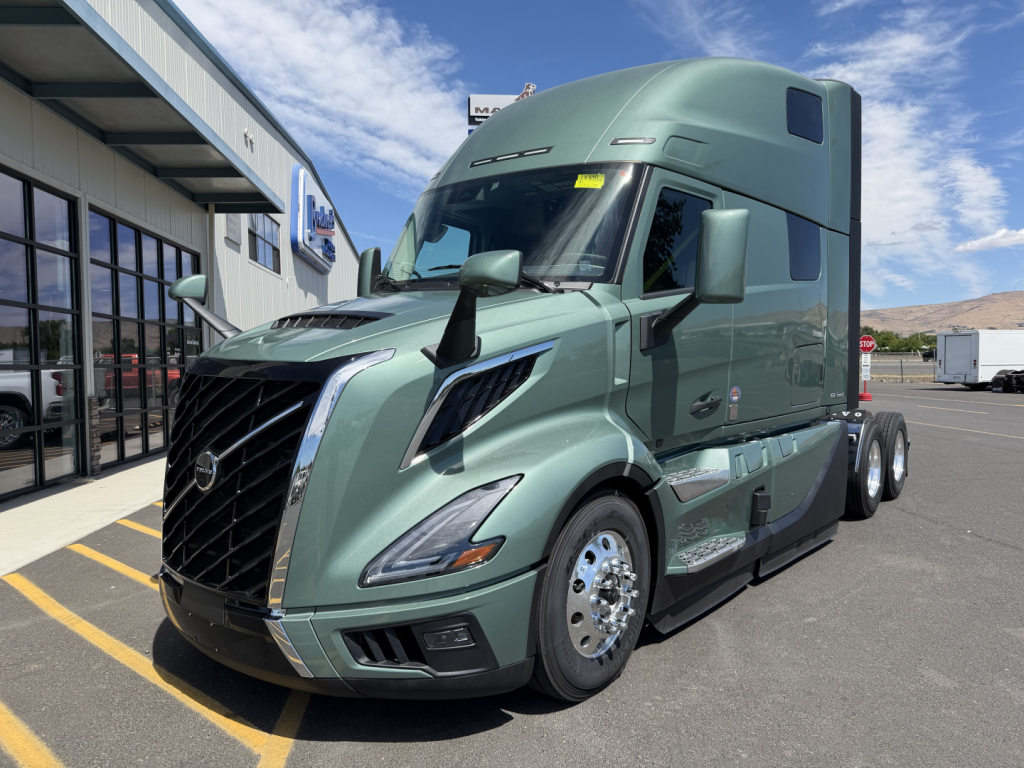
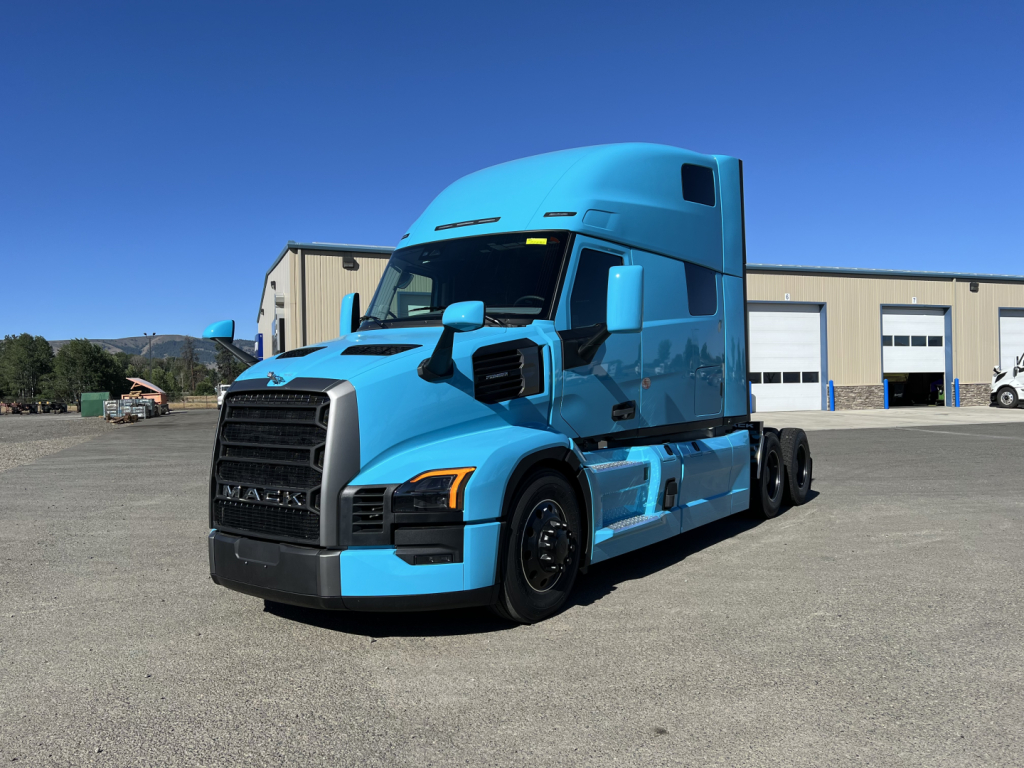
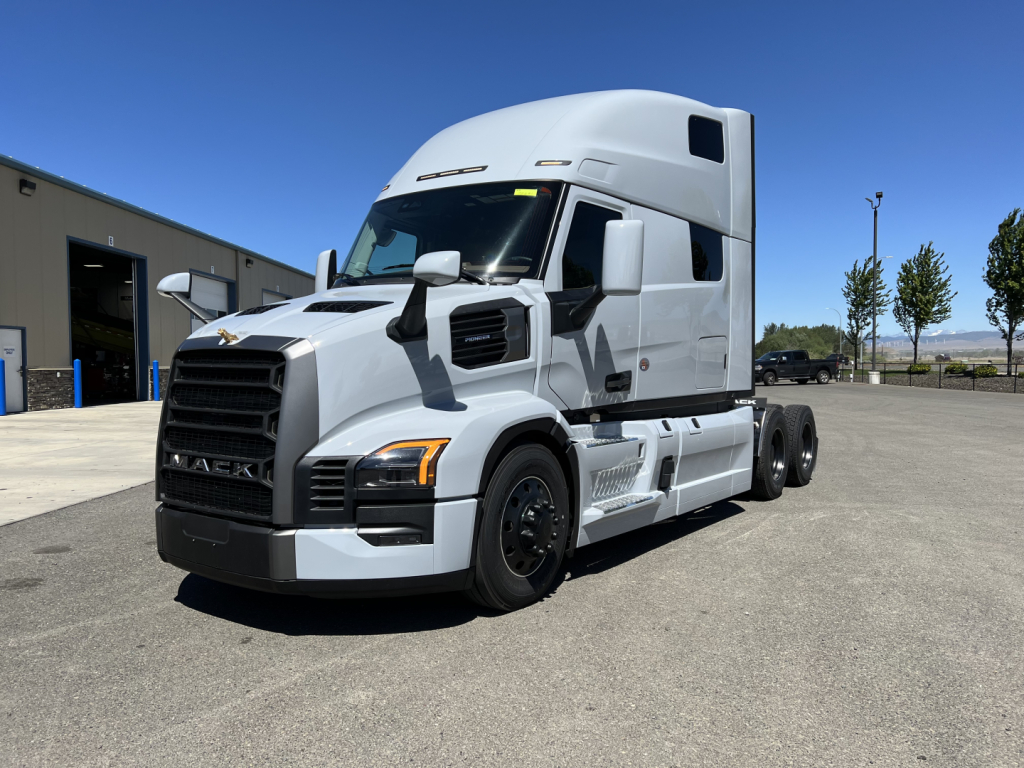
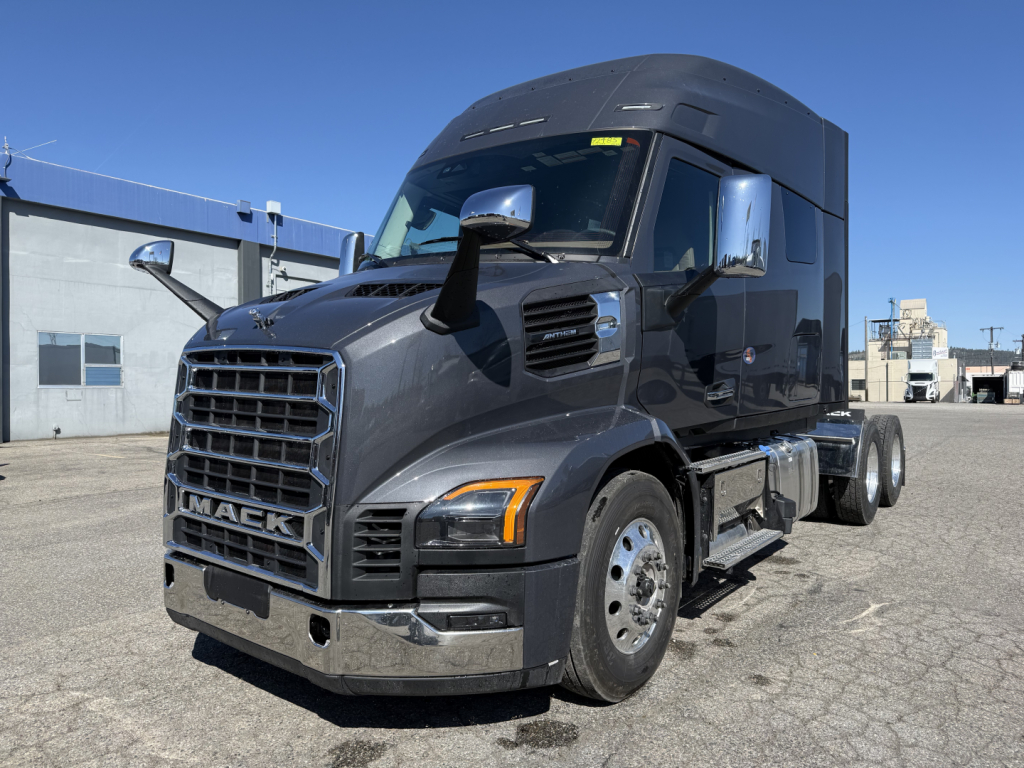
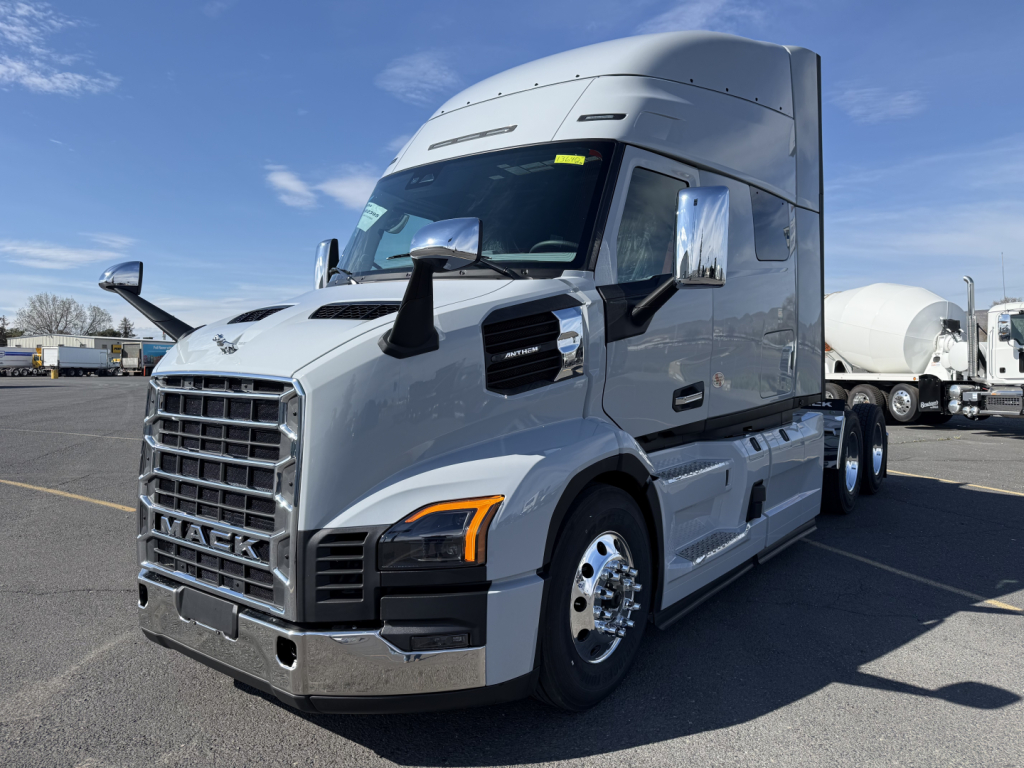
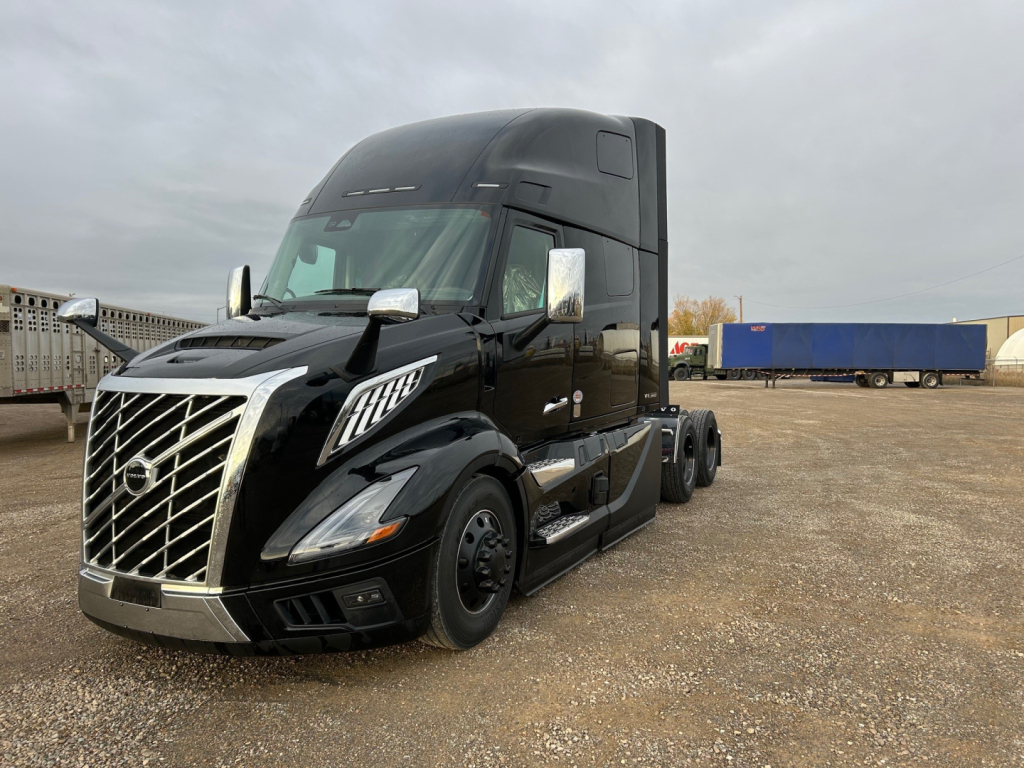
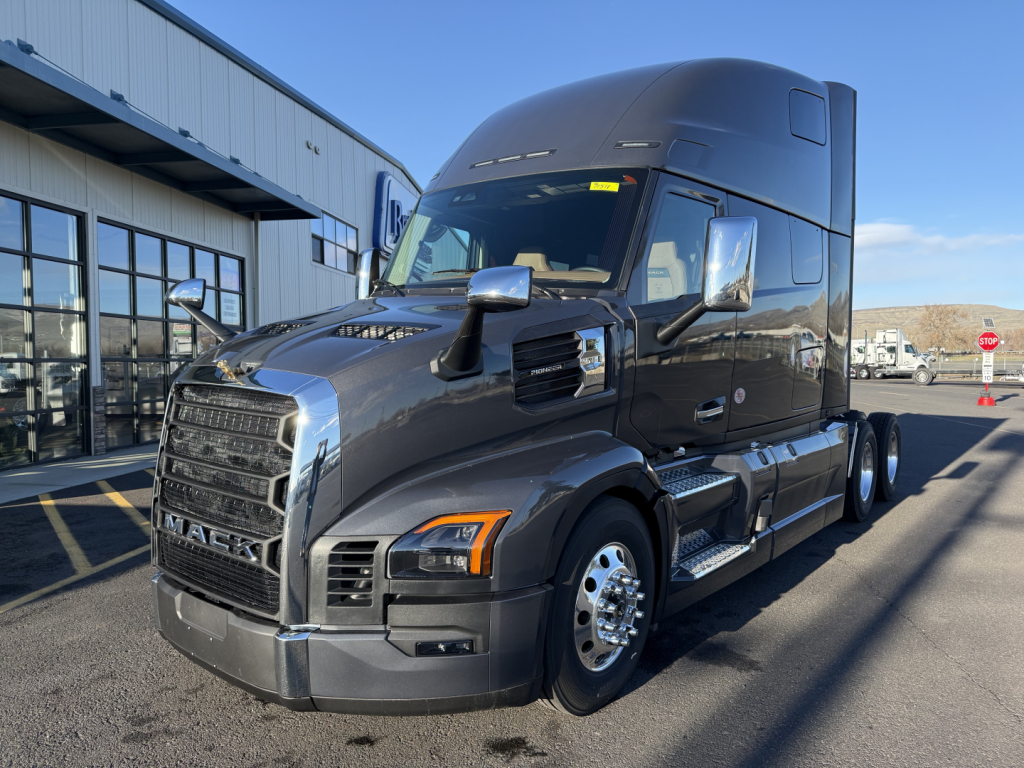
Selling a conventional sleeper truck? List your conventional sleeper truck for sale and reach thousands of commercial buyers.
Conventional Sleeper Trucks in Washington
A buyer should start with application before brand. A truck running I-90, Snoqualmie Pass, and heavier gross weights needs a different rear ratio and horsepower target than a fleet truck staying on flatter regional lanes. Many conventional sleepers in this class fall in the 450 to 515 horsepower range, with wheelbases commonly around 230 to 240 inches depending on sleeper size, fuel capacity, and fairing layout. Disc brakes, collision mitigation systems, adaptive cruise, lane departure warning, and automated manual transmissions are increasingly common on newer trucks because they improve safety, reduce driver fatigue, and help standardize fleet operation.
Sleeper configuration is just as important as drivetrain. Mid-roof and high-roof designs affect aerodynamics, interior standing room, and driver acceptance on extended runs. Buyers comparing units should look closely at bunk layout, cabinet space, refrigerator prep or factory fridge, inverter capacity, parking heater, shore power, and insulation package. Owner-operator spec trucks often add premium seating, upgraded infotainment, and larger fuel capacity, while fleet-spec sleepers may prioritize lower tare weight, easier service access, and broad parts support. Wheelbase, fifth wheel placement, and fuel tank layout also influence trailer gap, bridge law compliance, and turning radius.
For used conventional sleeper trucks, service history and emissions system condition are just as important as mileage. Pay attention to DPF and SCR maintenance, clutch and actuator history on automated transmissions, tire wear patterns, suspension condition, and any signs of idle-heavy operation. In the Pacific Northwest, corrosion is usually less severe than in heavy salt regions, but buyers should still inspect frame rails, crossmembers, brake components, and cab mounts. The best conventional sleeper for the job is the one with the right ratio of cab comfort, fuel economy, drivetrain durability, and legal payload for the lanes it is expected to run.
Frequently Asked Questions about Conventional Sleeper Trucks in Washington
What is a conventional sleeper truck?
A conventional sleeper truck is a highway tractor with a standard hooded front end and a built-in rear sleeper compartment behind the driver seats. It is designed for long-haul or multi-day operation where the driver needs a legal rest area, storage, and more cab amenities than a day cab provides. In the used truck market, this category typically includes aerodynamic Class 8 tractors from brands such as Peterbilt, Kenworth, Volvo, Freightliner, International, and Mack.
What horsepower is typical for a conventional sleeper truck?
Most conventional sleeper trucks are spec'd between about 450 and 515 horsepower, though the right number depends on route, gross weight, rear axle ratio, and cruise speed. Trucks pulling heavy loads through mountain corridors in Washington often benefit from higher horsepower and torque, while lighter or flatter lane operations may prioritize downsped fuel economy specs. Engine rating should always be evaluated together with transmission model, axle ratio, and tire size rather than as a standalone number.
What should I look for when buying a used conventional sleeper in Washington?
Focus on drivetrain history, emissions maintenance, sleeper condition, and chassis spec. A good evaluation includes engine hours, fault codes, DPF and SCR service records, transmission operation, suspension wear, brake condition, and signs of frame or cab corrosion. Because Washington routes can include steep grades and long-distance freight, buyers should also confirm cooling system health, retarder or engine brake performance, tire condition, and whether the rear ratio matches the intended application.
Are automated transmissions common in conventional sleeper trucks?
Yes. Automated manual transmissions are now common across this category, especially in late-model fleet and owner-operator trucks. Systems such as Eaton automated manuals, Volvo I-Shift, and Mack mDRIVE improve shift consistency, help protect the driveline, and reduce driver fatigue in traffic and mountain driving. They can also support better fuel economy when matched to the correct engine and axle ratio, but buyers should still review clutch life, software updates, and service records.
How important is sleeper size in a conventional sleeper truck?
Sleeper size directly affects driver comfort, storage capacity, wheelbase, and sometimes payload. A larger high-roof sleeper usually offers better stand-up room, more cabinets, and better suitability for teams or long-haul runs, while a smaller sleeper can reduce weight and improve maneuverability. The right choice depends on how many nights the truck spends on the road, whether the driver needs amenities like a refrigerator or inverter, and how important turning radius and tare weight are to the operation.