
Volvo Conventional Sleeper Trucks For Sale in Washington
Shop Volvo conventional sleeper trucks in Washington. Compare VNL and VNR sleeper specs, cab sizes, fuel economy, comfort, and drivetrain options.
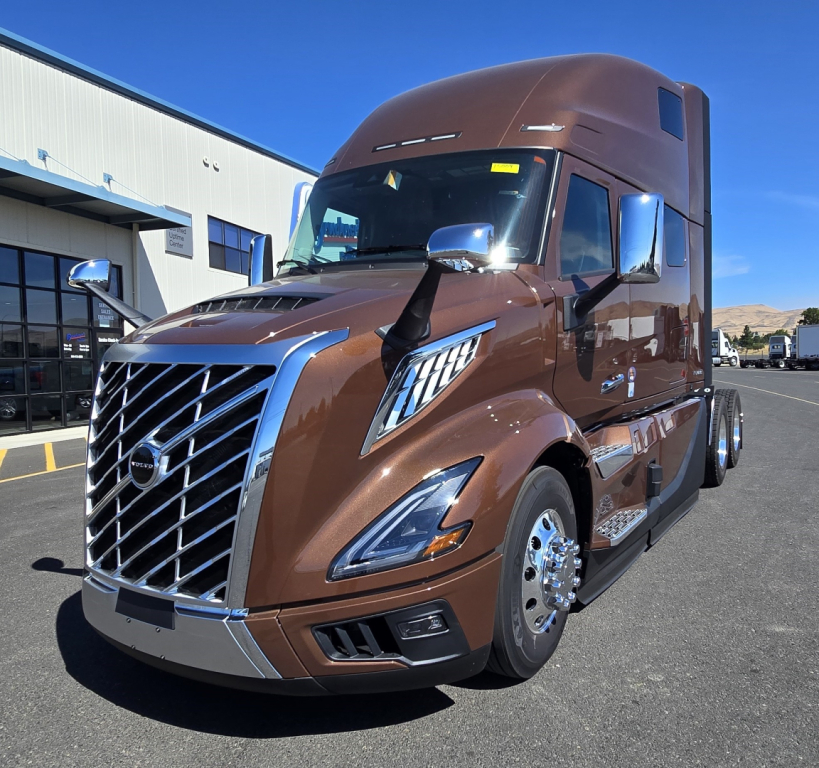
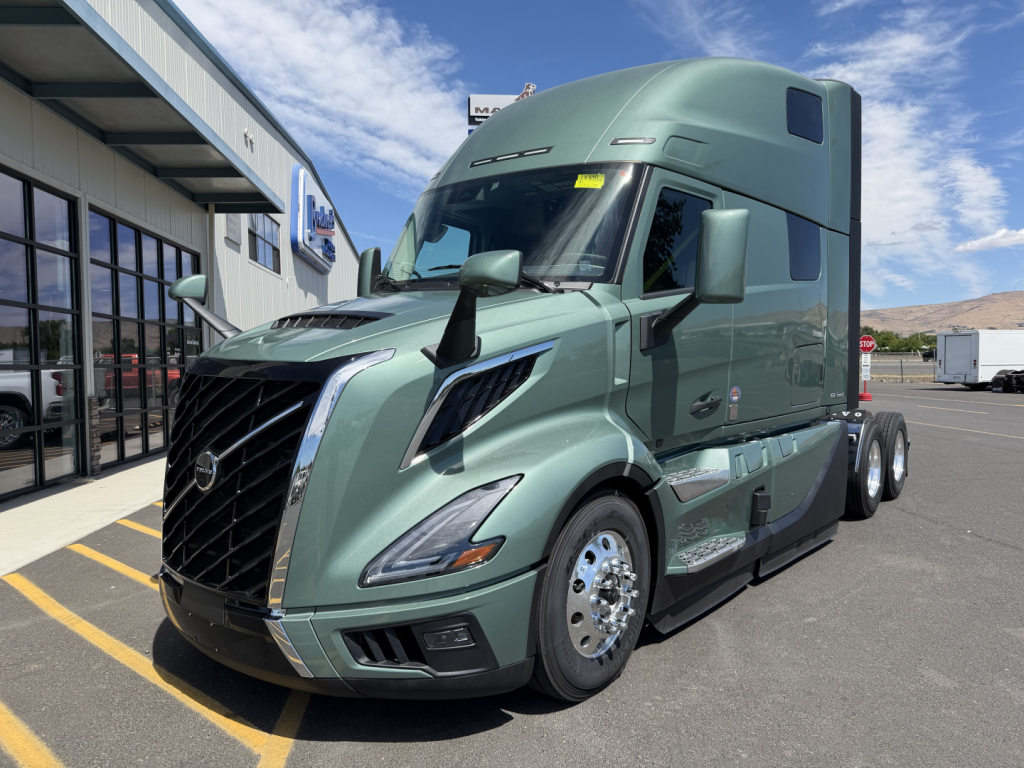
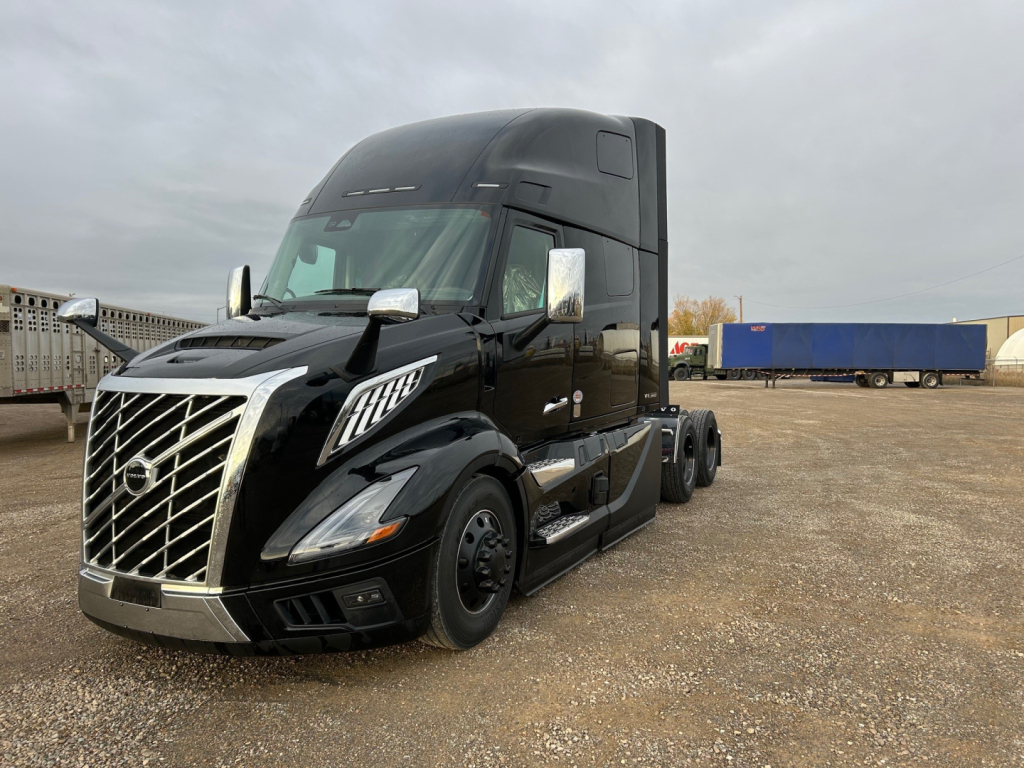
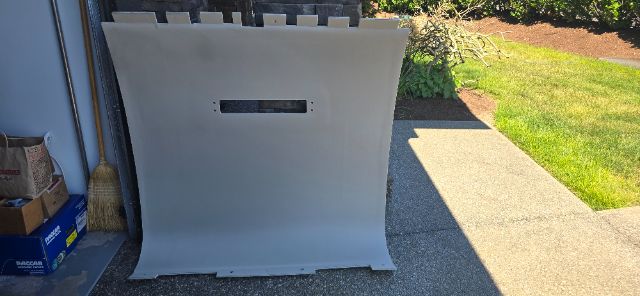
Selling a volvo conventional sleeper truck? List your volvo conventional sleeper truck for sale and reach thousands of commercial buyers.
Volvo Conventional Sleeper Trucks in Washington
A lot of the buying decision comes down to the powertrain. Late-model Volvo sleepers commonly use the D13 engine in ratings around 455 to 500 horsepower, often paired with the Volvo I-Shift automated manual transmission. On highway trucks, buyers will often see downsped rear ratios such as 2.15, 2.47, or 2.64, especially on fuel-focused VNL specs. That setup can deliver excellent cruise efficiency, but it needs to match the route profile and gross combination weight. Fleets pulling van, reefer, or light flatbed freight on major corridors often favor the fuel-saving I-Torque and D13TC combinations, while heavier or more varied applications may call for a more versatile ratio and horsepower package. Front axle ratings around 12,500 to 13,200 pounds and tandem rears from 38,000 to 40,000 pounds are common in this category.
Sleeper configuration matters just as much as engine spec. Volvo conventional sleepers are commonly found in mid-roof and high-roof layouts, with 62-inch, 77-inch, and similar sleeper sizes depending on model and trim. A high-roof VNL 760 or 860 style layout is usually aimed at teams, extended stays, or drivers who spend most of the week in the truck. A 660-style sleeper can be a strong fit for solo operators who want a more compact wheelbase without giving up key amenities. Common interior features include reclining bunks, upper bunks, refrigerators, inverters with shore power, parking heaters, parking coolers, extra insulation, and upgraded storage packages. For many buyers, those details are not luxury items. They affect retention, rest quality, and how productive the truck stays on longer runs.
Volvo also stands out in this category for driver-assist and connected-truck technology. Depending on spec, buyers may see systems such as lane support, headway support, traffic sign recognition, backup cameras, and Volvo Connect telematics. On the used side, service history, emissions warranty coverage, and software calibration status deserve close attention, especially on newer emissions packages. A smart buyer will also verify suspension type, kingpin setting, tire size, wheelbase, and any idle-reduction equipment to make sure the truck fits the trailer mix and operating lanes. For fleets and owner-operators looking at sleeper tractors in Washington, Volvo conventional sleepers remain a strong choice for long-haul efficiency, driver comfort, and modern safety integration.
Frequently Asked Questions about Volvo Conventional Sleeper Trucks in Washington
What is the difference between a Volvo VNL sleeper and a Volvo VNR sleeper?
The Volvo VNL sleeper is generally the long-haul platform, designed for maximum aerodynamics, interior space, and highway efficiency. The Volvo VNR sleeper is more regional in character, with a shorter overall package and better maneuverability for tighter routes, urban freight, and mixed-use operations. Both can be spec'd as conventional sleeper trucks, but the VNL is usually the stronger fit for extended over-the-road runs and larger sleeper configurations.
What engine and transmission are most common in Volvo conventional sleeper trucks?
Most late-model Volvo conventional sleepers are built around the Volvo D13 diesel engine and the Volvo I-Shift automated manual transmission. Horsepower commonly falls between 455 and 500, depending on the intended application. This combination is popular because it supports strong highway fuel economy, smooth shifting, and good integration with Volvo's engine-brake, cruise, and driver-assist systems.
What sleeper size should I look for in a Volvo conventional sleeper truck?
The right sleeper size depends on how the truck will be used. A 62-inch sleeper is often enough for solo long-haul work and can help keep wheelbase manageable. Larger high-roof sleepers such as 77-inch layouts are better suited for extended trips, team operation, or drivers who want more storage and living space. Buyers should compare bunk design, cabinet layout, refrigerator space, inverter setup, and parking HVAC options instead of focusing on sleeper length alone.
Are Volvo sleeper trucks a good choice for Washington routes?
They can be a very good fit for Washington because they combine highway efficiency with strong driver comfort and modern safety systems. That matters on long I-5 and I-90 runs, mountain grades, and cold-weather operation. Buyers should still match the rear ratio, horsepower, and axle ratings to the terrain and trailer type, since a fuel-economy spec built for flat interstate work may not perform the same way in heavier Cascades service.
What should I inspect on a used Volvo conventional sleeper?
Start with engine hours, maintenance records, aftertreatment service history, and any remaining factory or emissions warranty. Then verify transmission calibration, suspension condition, tire wear pattern, wheelbase, axle ratings, and sleeper equipment function, including bunk HVAC, inverter, and shore power systems. On a newer truck, it is also smart to confirm telematics status, software updates, and the operation of any driver-assist technology.