
2027 Volvo Conventional Sleeper Trucks For Sale in Washington
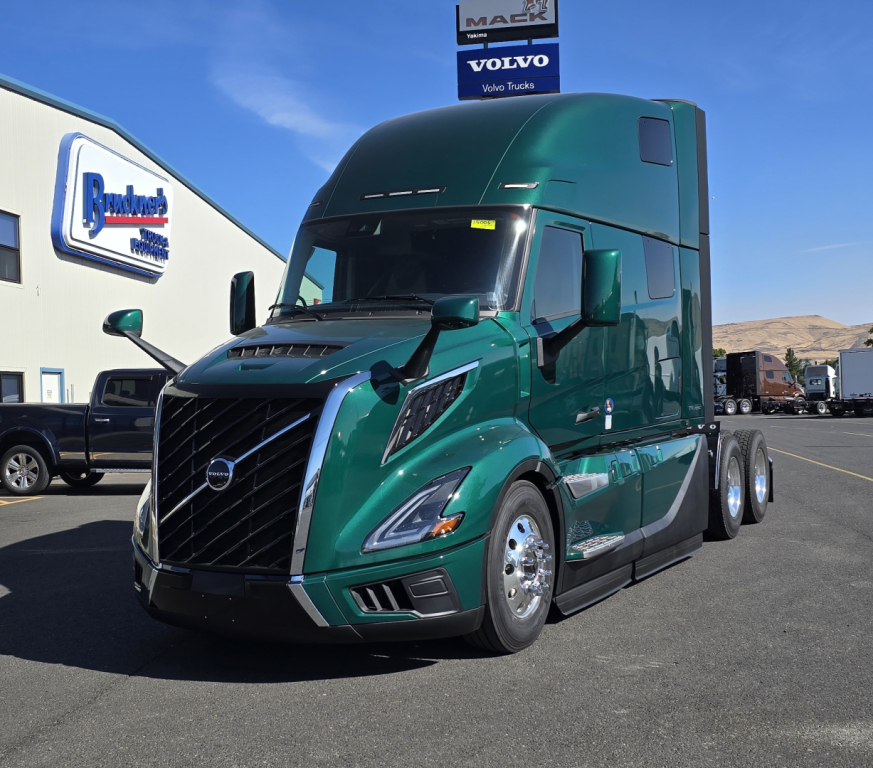
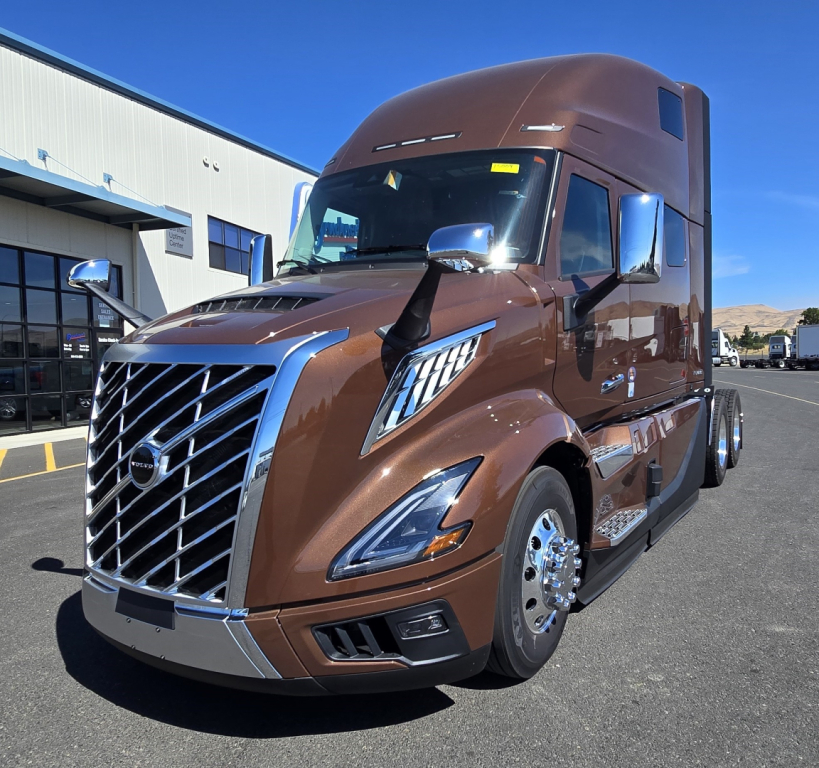
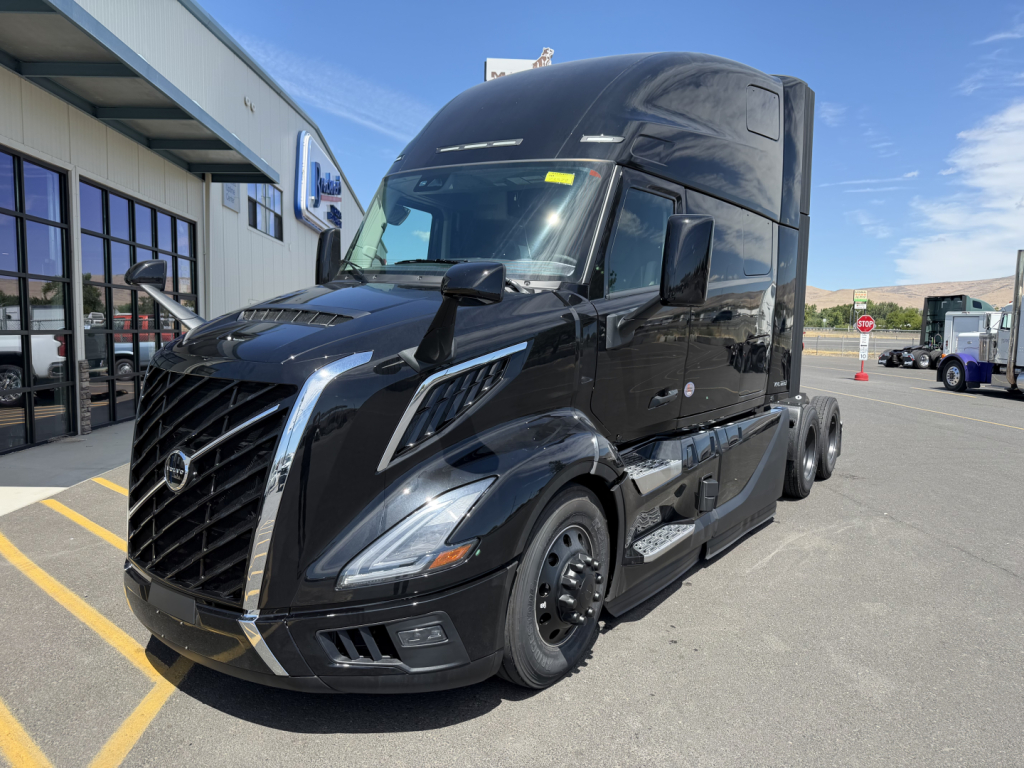
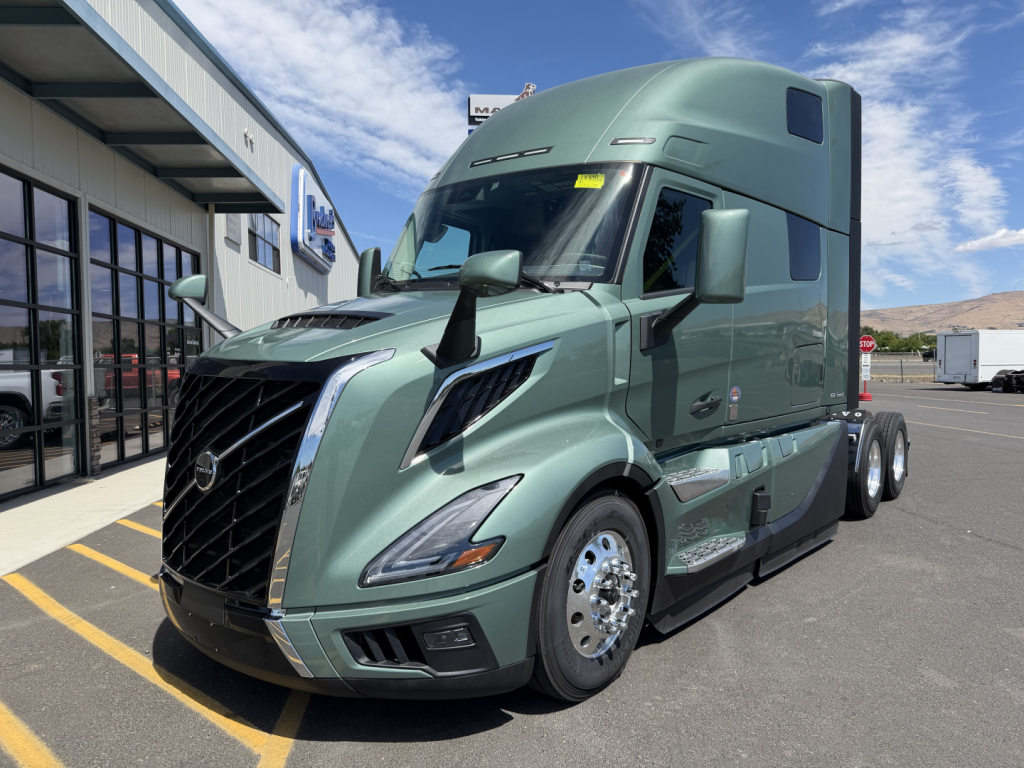
Have 2027 volvo conventional sleeper truck to sell? List it here to reach thousands of buyers.
2027 Volvo Conventional Sleeper Trucks in Washington
The first buying decision is usually sleeper size and cab layout. Volvo conventional sleepers are commonly found in mid-roof and high-roof configurations, with popular models such as the VNL 660 and VNL 860 offering different sleeper lengths, storage capacity, and living space. A 62-inch sleeper can be a strong fit for regional or solo long-haul applications where lower weight and tighter packaging matter. Larger sleepers are better suited for teams, extended OTR work, or fleets that want more room for upper bunks, refrigerators, cabinetry, shore power, and premium mattresses. In Washington and the broader Northwest, insulation, bunk HVAC, and block heater spec can be especially important for year-round operation.
Powertrain spec is where Volvo conventional sleeper trucks separate themselves for many buyers. The Volvo D13 engine paired with the I-Shift automated manual transmission is a common configuration because it balances highway performance with fuel efficiency and easy drivability. Buyers should look closely at horsepower and torque ratings, rear axle ratio, and whether the truck is set up for direct drive or overdrive based on expected terrain and average gross weight. For fleets running mountain corridors, axle ratings, differential locks, traction control, and cooling package spec deserve extra attention. Dual fuel tanks, often in higher-capacity layouts, are also common on sleeper tractors intended for long mileage intervals between stops.
Cab technology and safety systems are a major part of the value in late-model Volvo sleepers. Depending on spec, these trucks may include active driver-assist features such as lane support, headway monitoring, traffic sign recognition, airbag systems, and connected telematics through Volvo Connect or similar uptime platforms. Interior appointments can range from practical fleet trim to premium owner-operator packages with upgraded seats, inverters, storage modules, blackout styling, and infotainment upgrades. When comparing listings, pay attention to sleeper amenities, wheelbase, fifth wheel setup, suspension, tire size, and any cold-weather or driver-comfort options, because two trucks with the same model badge can be built for very different jobs.
Frequently Asked Questions about 2027 Volvo Conventional Sleeper Trucks in Washington
What is the difference between a Volvo VNL 660 and VNL 860 conventional sleeper?
The main difference is sleeper size and interior living space. A VNL 660 typically uses a 62-inch high-roof sleeper that works well for solo long-haul and regional applications, while a VNL 860 offers a larger sleeper designed for maximum room, storage, and extended over-the-road comfort. The larger sleeper usually adds more cabinetry, bunk space, and livability, but it can also add weight and cost.
Is a Volvo conventional sleeper truck a good choice for long-haul freight?
Yes. Volvo conventional sleeper trucks are widely used in long-haul service because they combine aerodynamic cab design, efficient powertrains, and strong driver comfort features. A properly spec'd VNL sleeper with a D13 and I-Shift can be a strong fit for dry van, reefer, and general freight operations where fuel economy, uptime, and driver retention are priorities.
What specs matter most when comparing 2027 Volvo sleeper trucks?
The most important specs usually include sleeper size, engine horsepower and torque, transmission type, rear axle ratio, wheelbase, fuel capacity, and suspension configuration. Buyers should also compare driver-assist systems, bunk HVAC, inverter and shore power setup, storage layout, and cold-weather equipment. These details have a direct impact on fuel burn, payload, route suitability, and driver comfort.
Are Volvo sleeper trucks well suited for Washington and Northwest routes?
They can be, especially when spec'd for mountain grades, cold starts, and variable weather. Trucks running in Washington often benefit from traction control, interaxle and differential locks, engine block heaters, insulated sleepers, and parking heaters. Fuel capacity and gearing also matter if the truck will spend a lot of time on long interstate runs mixed with mountain terrain.
Do Volvo conventional sleeper trucks usually come with automated transmissions?
Many late-model Volvo sleeper tractors are equipped with the Volvo I-Shift automated manual transmission. This setup is popular because it improves consistency across drivers, helps support fuel economy goals, and reduces fatigue in heavy traffic or steep terrain. Some buyers prefer it for fleet standardization, while owner-operators often value its smooth shifting and integration with the Volvo powertrain.