
2027 Conventional Sleeper Trucks For Sale in Washington
Shop 2027 conventional sleeper trucks in Washington. Compare specs, sleeper sizes, powertrains, wheelbases, and PNW-ready long haul options.
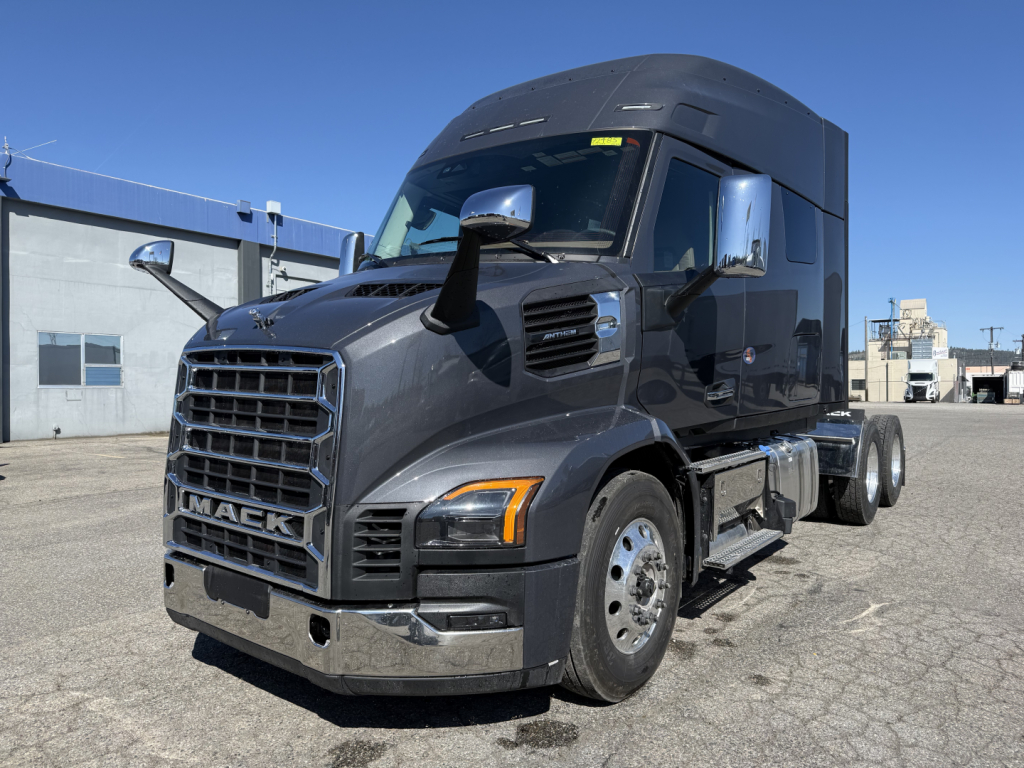
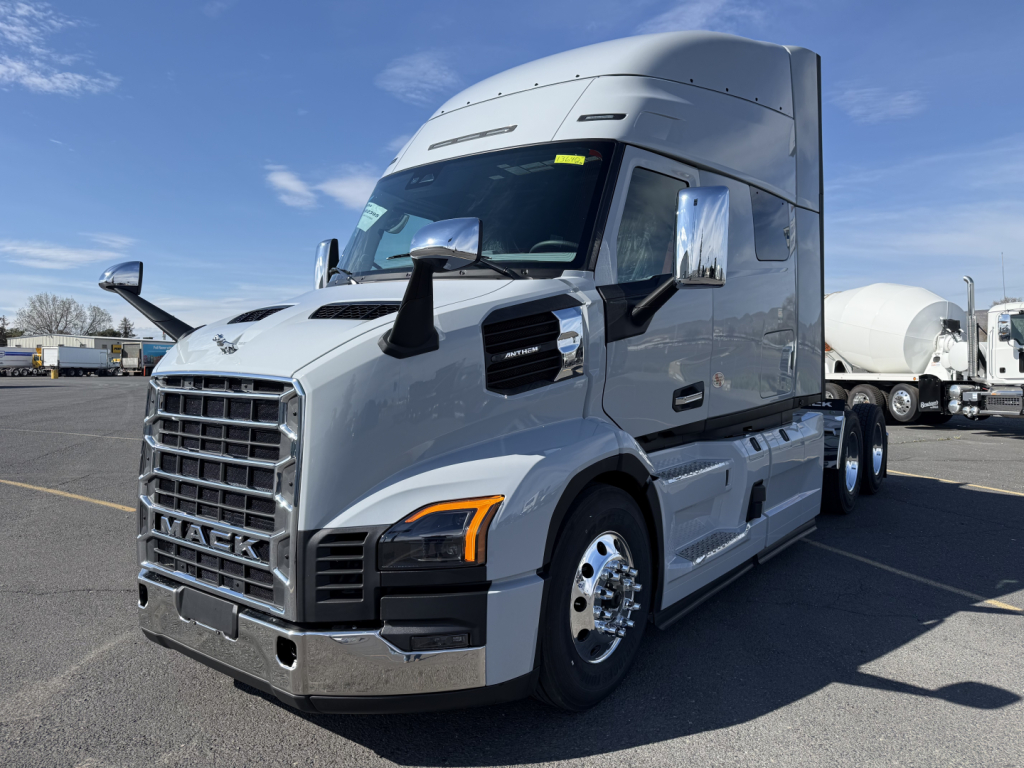
Selling a 2027 conventional sleeper truck? List your 2027 conventional sleeper truck for sale and reach thousands of commercial buyers.
2027 Conventional Sleeper Trucks in Washington
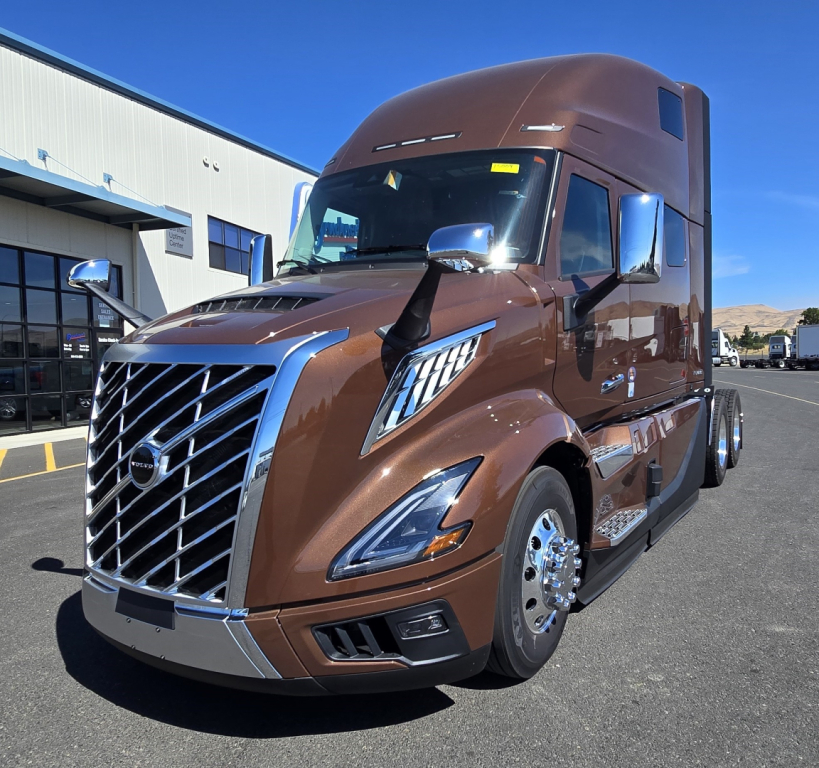
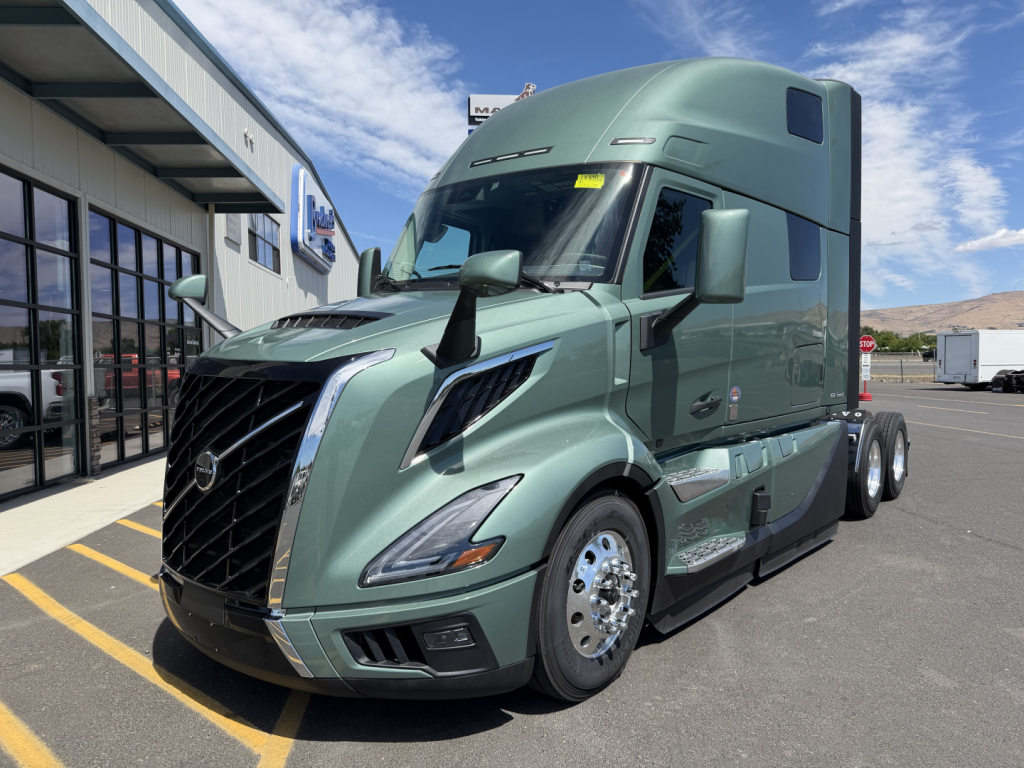
The first buying decision is usually the operating profile. For general dry van and reefer work, a 6x4 sleeper with an aerodynamic roof fairing, automated manual transmission, and a 70-inch to 80-inch sleeper is a common setup. Engines in this class are often spec'd from 400 to 500 horsepower with torque ratings from roughly 1,450 to 1,850 lb-ft, depending on gross weight, terrain, and cruise speed expectations. Popular platforms include the Volvo VNL, Peterbilt 579, Freightliner Cascadia, Kenworth T680, and similar highway tractors. Buyers running heavier lanes or mountain work through eastern Washington and the Cascades may lean toward higher torque, aggressive rear axle ratios, or even specialty specs like lift axles when bridge laws or payload distribution make that worthwhile.
Cab and sleeper layout affect resale value and day-to-day usability more than many first-time buyers expect. Sleeper size, bunk configuration, refrigerator prep, inverter capacity, HVAC performance, storage design, and insulation all matter for over-the-road use. On the chassis side, look closely at wheelbase, fifth wheel placement, fuel capacity, fairing package, suspension type, and maintenance access. Safety and driver-assist systems are now a major part of the 2027 market, with many conventional sleepers equipped with collision mitigation, adaptive cruise, lane departure warning, and camera-based visibility systems. Washington fleets that operate year-round should also pay attention to traction-focused specs such as full locking differentials, tire selection, and cold-weather friendly idle reduction or auxiliary power solutions.
A strong conventional sleeper spec balances fuel economy, driver retention, and application fit. Buyers comparing 2027 models should verify emissions warranty coverage, engine make and service support in the Pacific Northwest, and how the truck is configured for the trailer types it will actually pull. A lightweight aero spec can make sense for high-mileage van freight, while a more robust setup may be better for mixed terrain, heavier reefer work, or specialized lanes. The best truck in this category is not just the newest one. It is the one with the right sleeper size, drivetrain, axle package, and cab configuration for the freight, geography, and maintenance plan behind it.
Frequently Asked Questions about 2027 Conventional Sleeper Trucks in Washington
What is a conventional sleeper truck?
A conventional sleeper truck is a highway tractor with the engine mounted ahead of the cab and a sleeper compartment mounted behind the driver area. It is designed for longer trips that require rest space, storage, and improved driver comfort compared with a day cab. In the current market, conventional sleepers are the standard choice for long haul freight, regional routes with overnight stays, and team driving operations.
What sleeper size is best for a 2027 conventional sleeper truck?
The right sleeper size depends on route length, driver schedule, and how much onboard storage is needed. A mid-roof or shorter sleeper can work well for regional haul and slip-seat applications, while 70-inch to 80-inch sleepers are common for over-the-road use because they offer better living space and amenities. Larger sleepers generally improve comfort and retention, but they also add weight, wheelbase, and cost, so the best choice is the one that matches the actual duty cycle.
Which specs matter most for Washington and Pacific Northwest operation?
For Washington operation, buyers should pay close attention to horsepower, torque, rear axle ratio, traction equipment, and cooling performance. Mountain grades, wet weather, and mixed freight lanes can make a marginal powertrain spec expensive over time. Fuel capacity, fairing design, suspension setup, tire choice, and optional lift axles can also matter depending on whether the truck is running port freight, interstate long haul, or heavier regional loads through the Cascades and eastern Washington.
Are automated manual transmissions common in conventional sleeper trucks?
Yes. Automated manual transmissions are now common across the conventional sleeper market because they improve shift consistency, reduce driver fatigue, and can support better fuel economy when paired with modern engine controls. They are especially popular in fleet and long haul applications, though some buyers still prefer manual transmissions for specific routes, driver preference, or specialized operations. The key is to match the transmission ratio spread and programming to the engine, axle ratio, and expected load profile.
How do I compare 2027 sleeper trucks from different brands?
Start with application and total operating cost, not just badge preference. Compare engine rating, torque, transmission model, axle configuration, wheelbase, sleeper dimensions, fuel capacity, safety systems, and warranty coverage. Then look at service network strength, parts support, and resale history in your region. Two trucks can look similar on paper but perform very differently if one is optimized for fuel mileage and the other is built for heavier freight or tougher terrain.