
New Conventional Sleeper Trucks For Sale in Louisiana
Shop new conventional sleeper trucks for sale in Louisiana. Compare high-roof and mid-roof specs, powertrains, comfort, safety, and axle setups.
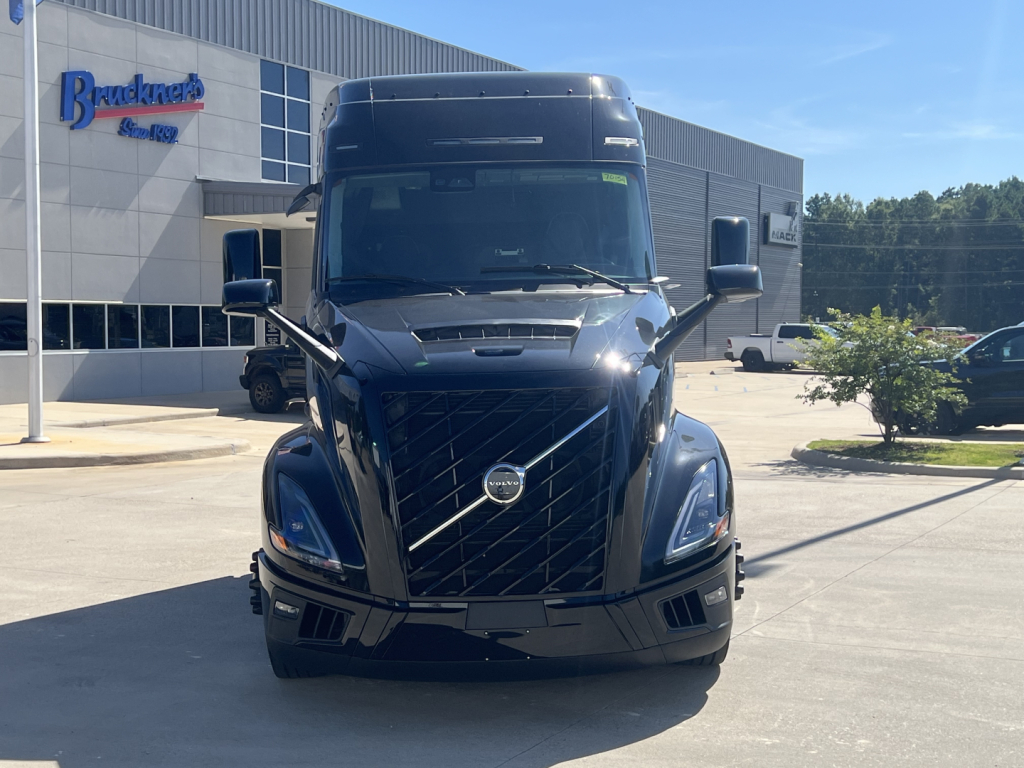

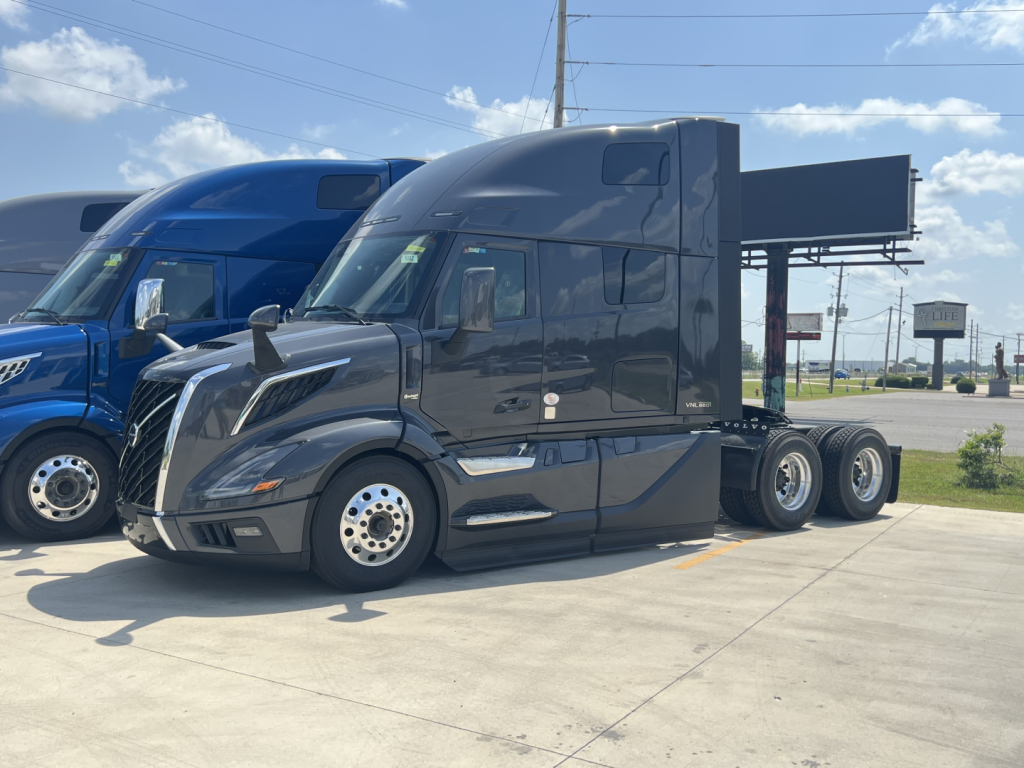
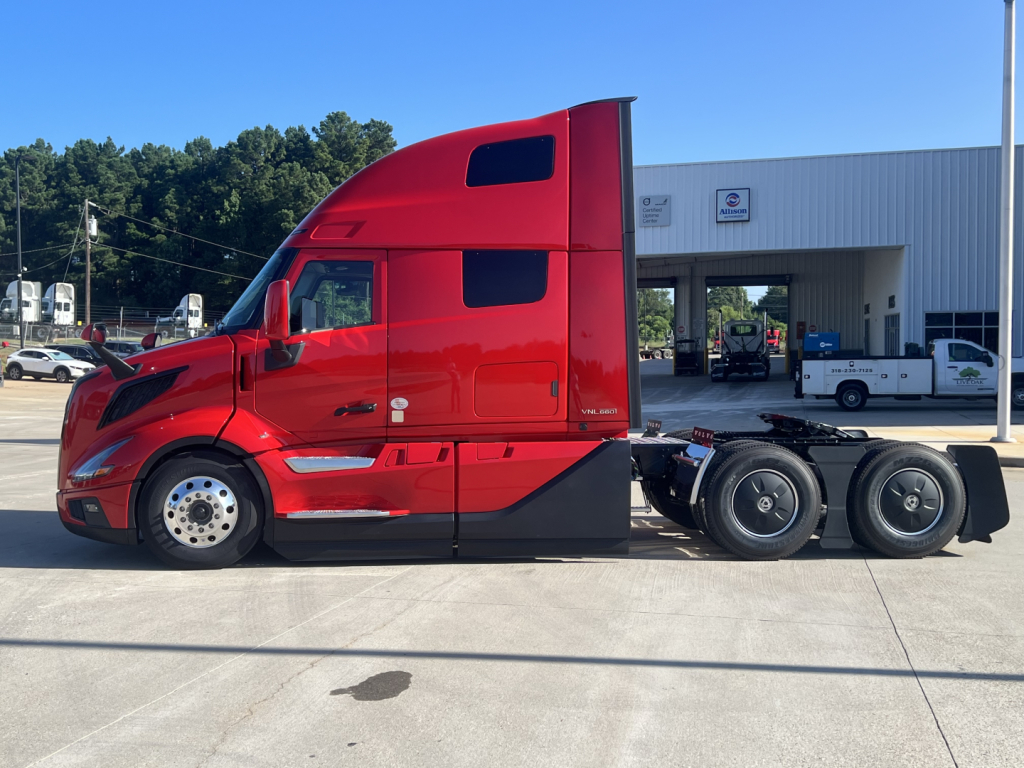
Selling a new conventional sleeper truck? List your new conventional sleeper truck for sale and reach thousands of commercial buyers.
New Conventional Sleeper Trucks in Louisiana
The first decision is usually sleeper size and roof profile. Mid-roof sleepers work well for fleets that want a lighter, more aerodynamic package with enough room for overnight runs and regional turns. High-roof sleepers add standing room, larger cabinets, and a more livable interior for teams or solo drivers staying out for extended periods. Common features on new conventional sleepers include premium bunk mattresses, under-bunk storage, refrigerator prep, inverters, and factory-installed parking coolers or auxiliary idle reduction systems. In Louisiana, engine-off HVAC is especially important because sleeper comfort during hot rest periods directly affects driver fatigue, idle time, and fuel burn.
Powertrain spec drives operating cost. Most new conventional sleeper trucks in this category are configured as 6x4 tandem axle tractors with ratings suited for van, reefer, flatbed, tanker, and general freight applications. Typical setups include 12-speed or similar automated manual transmissions, aerodynamic fairings, and rear axle ratios chosen for a balance of gradeability and cruise RPM. Buyers should compare horsepower, torque curve, rear axle ratio, wheelbase, and fifth wheel placement as a complete package. A 2.64 to 2.93 type ratio can favor fuel economy on highway lanes, while a more aggressive ratio may better suit heavier gross weights, stop-and-go work, or tighter route profiles. Front axle ratings around 12,000 to 13,200 pounds and tandem rears around 40,000 pounds are common on highway sleeper tractors.
New conventional sleeper trucks also bring the latest driver assistance and uptime technology. Depending on make and trim, buyers may see collision mitigation, lane departure warning, adaptive cruise control, disc brakes, tire pressure monitoring, telematics, and integrated powertrain controls designed to improve fuel economy and service intervals. Cab layout, seat quality, bunk access, insulation, and dash ergonomics all matter because this is both a truck and a workspace. For Louisiana operations, corrosion protection, cooling system performance, and dealership support across I-10, I-20, I-49, and Gulf freight corridors should be part of the buying decision. The best new conventional sleeper is not just comfortable. It is spec'd to your freight, your terrain, your drivers, and your maintenance plan.
Frequently Asked Questions about New Conventional Sleeper Trucks in Louisiana
What is a conventional sleeper truck?
A conventional sleeper truck is a highway tractor with a long hood and a sleeper compartment mounted behind the driver and passenger seats. It is designed for regional and long-haul work where the driver needs a legal and functional place to rest between shifts. Compared with a day cab, a sleeper tractor adds living space, more storage, and usually more flexibility for extended routes.
What is the difference between a mid-roof and high-roof sleeper?
A mid-roof sleeper has a lower overall cab height and typically less interior standing room, which can help reduce weight and improve aerodynamics depending on the trailer and application. A high-roof sleeper provides more vertical space, larger storage cabinets, and a more comfortable environment for drivers who stay out longer or run team operations. The right choice depends on route length, driver preference, and how much time is spent living in the truck.
What specs matter most on a new conventional sleeper truck?
The most important specs are the engine horsepower and torque, transmission type, rear axle ratio, axle ratings, wheelbase, and sleeper size. Those specs determine how the truck performs with your trailers, your freight weights, and your terrain. Buyers should also pay close attention to idle reduction equipment, HVAC performance, safety systems, and the interior layout because those features affect fuel cost, driver comfort, and long-term productivity.
Are new conventional sleeper trucks good for Louisiana freight operations?
Yes. New conventional sleepers are well suited for Louisiana freight because they can be spec'd for interstate linehaul, regional distribution, port-related work, reefer service, and general commodity hauling. Features such as engine-off climate control, strong cooling systems, aerodynamic packages, and modern safety technology are especially useful in Louisiana's hot, humid operating environment and on long Gulf Coast and inland routes.
Why do many buyers choose an automated manual transmission in a sleeper tractor?
Automated manual transmissions are popular because they help standardize shifting performance across drivers, reduce fatigue in traffic, and can improve fuel economy when matched correctly to the engine and axle ratio. They also simplify driver onboarding for many fleets and owner-operators. In long-haul sleeper applications, an AMT can support smoother operation and more consistent driveline protection than a traditional manual in mixed-route service.