
Conventional Sleeper Trucks For Sale in Georgia
Shop conventional sleeper trucks in Georgia with specs on powertrains, sleepers, weight, corrosion resistance, and efficiency for long-haul and regional
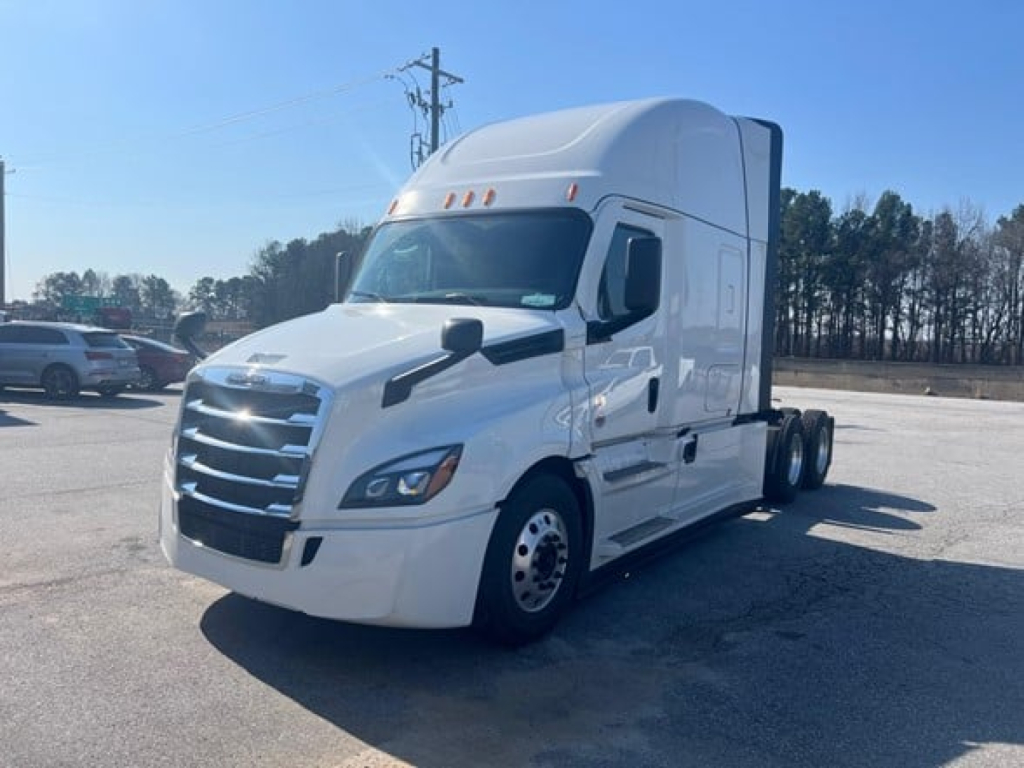
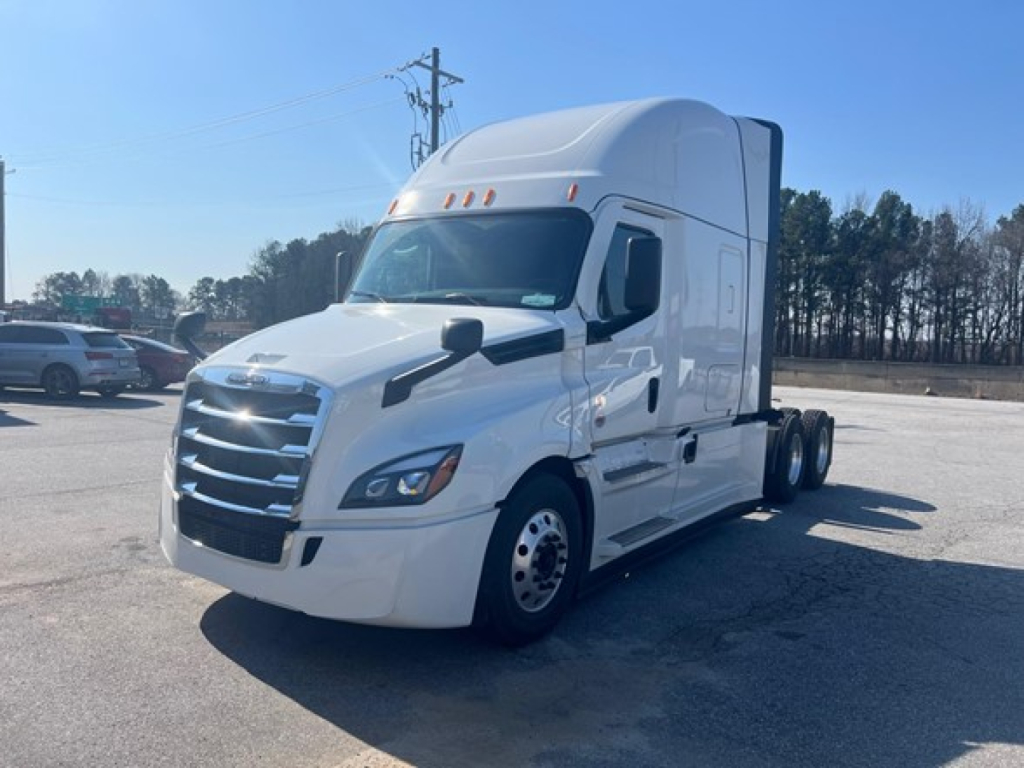
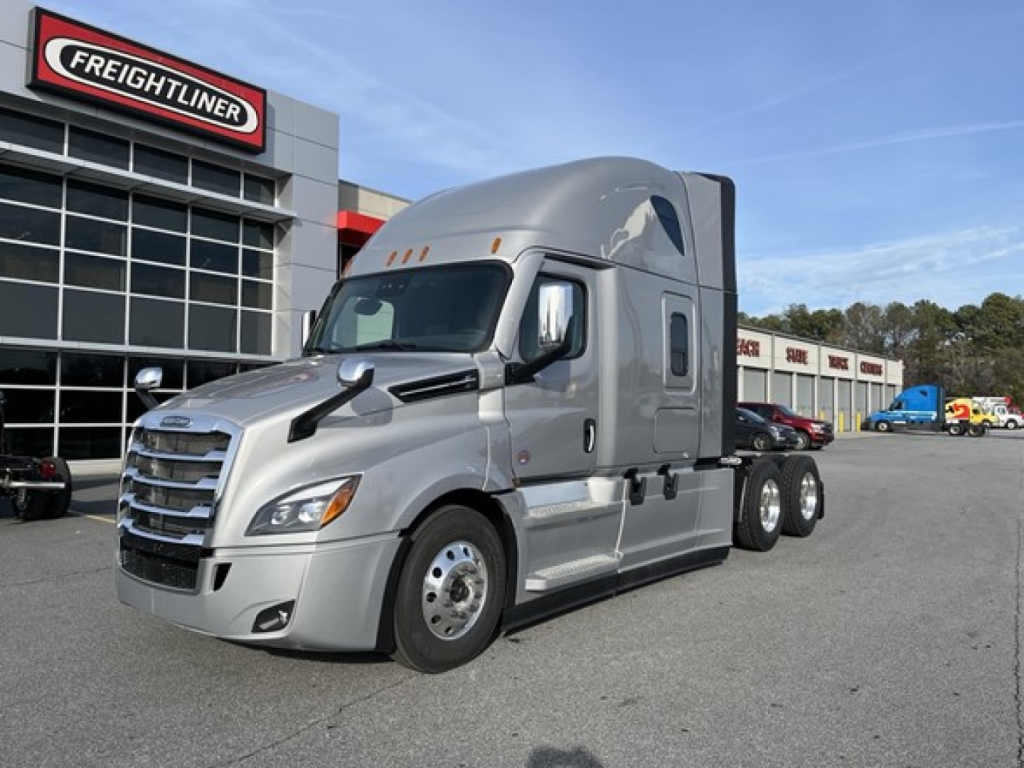
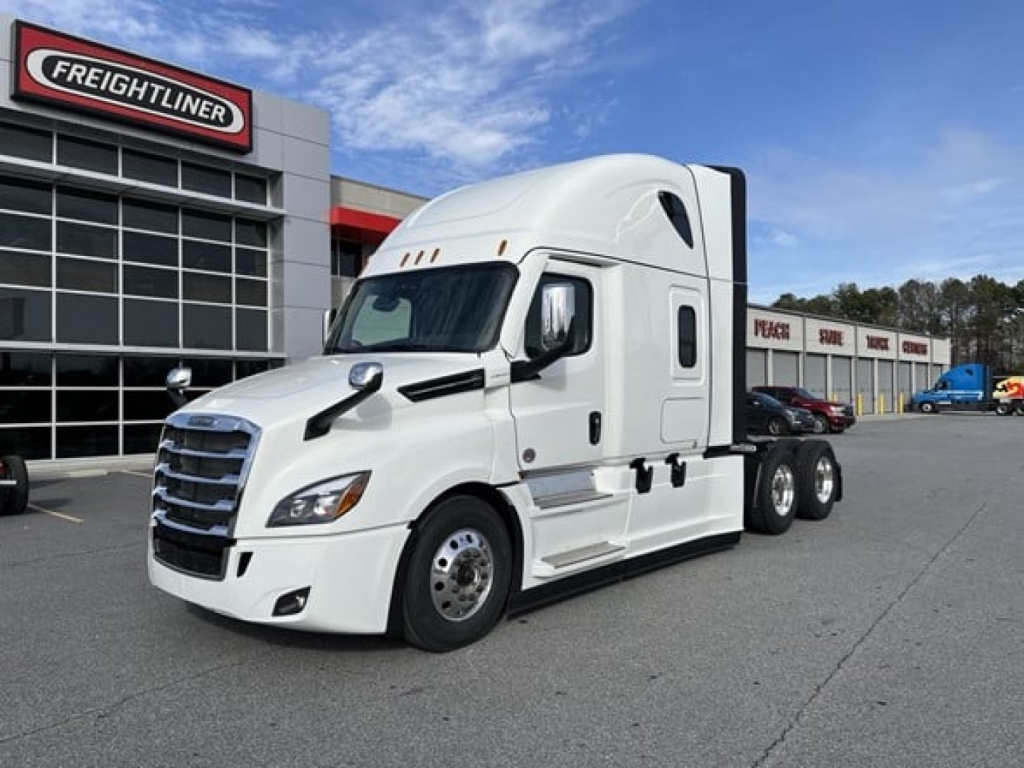
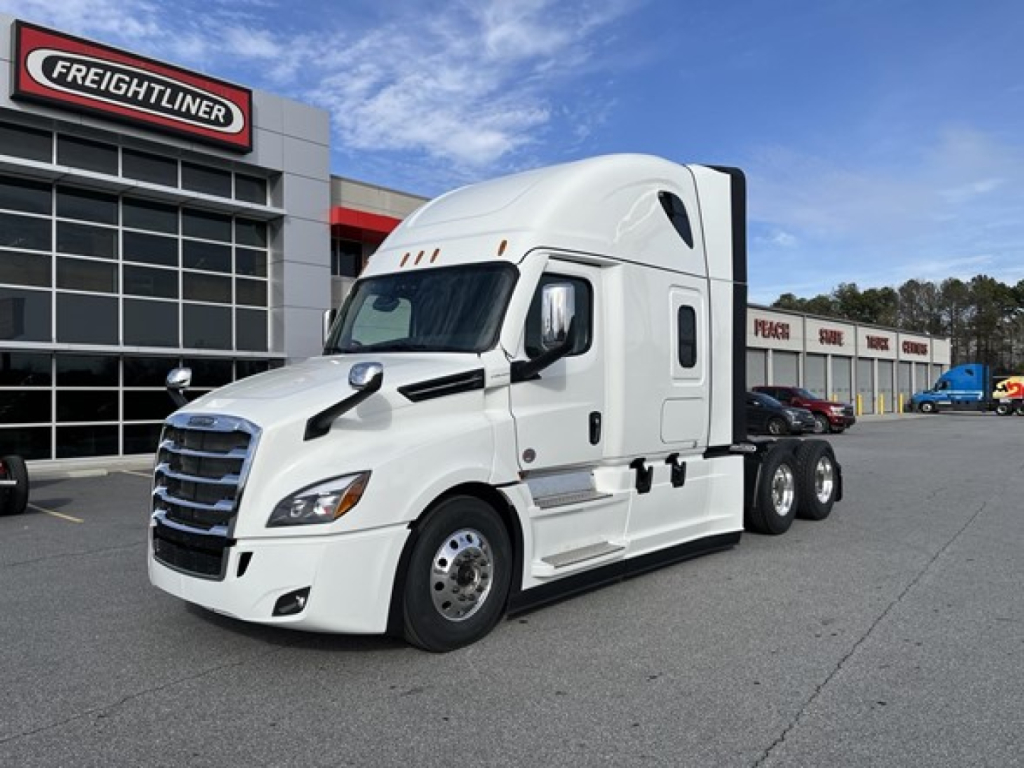
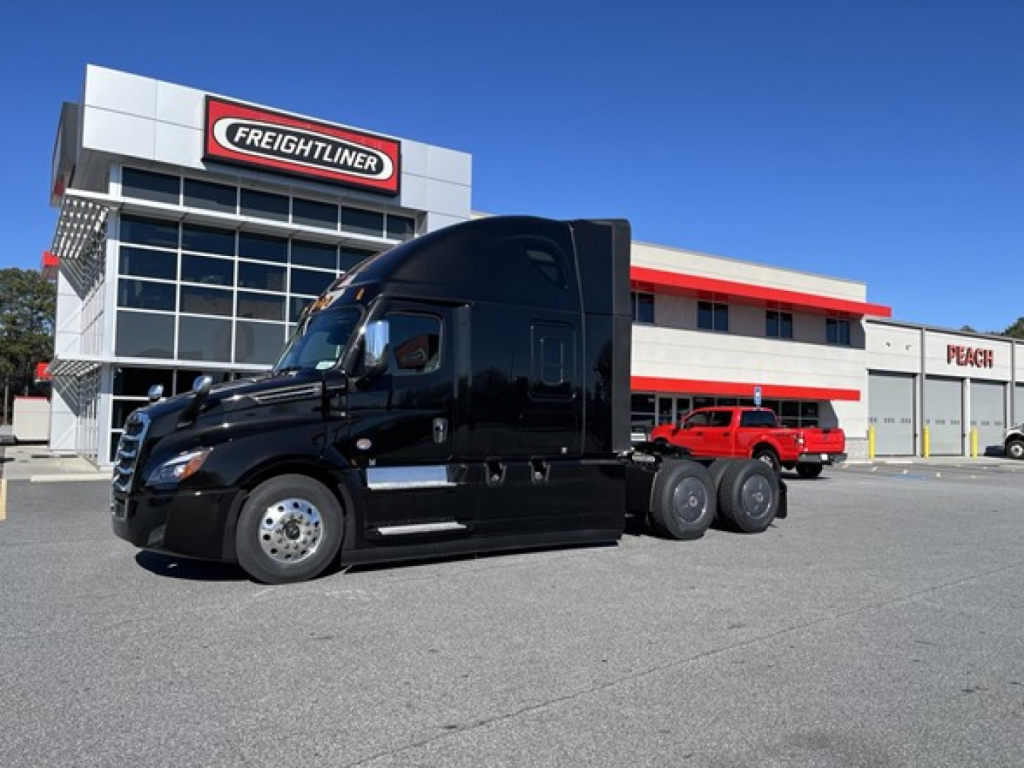
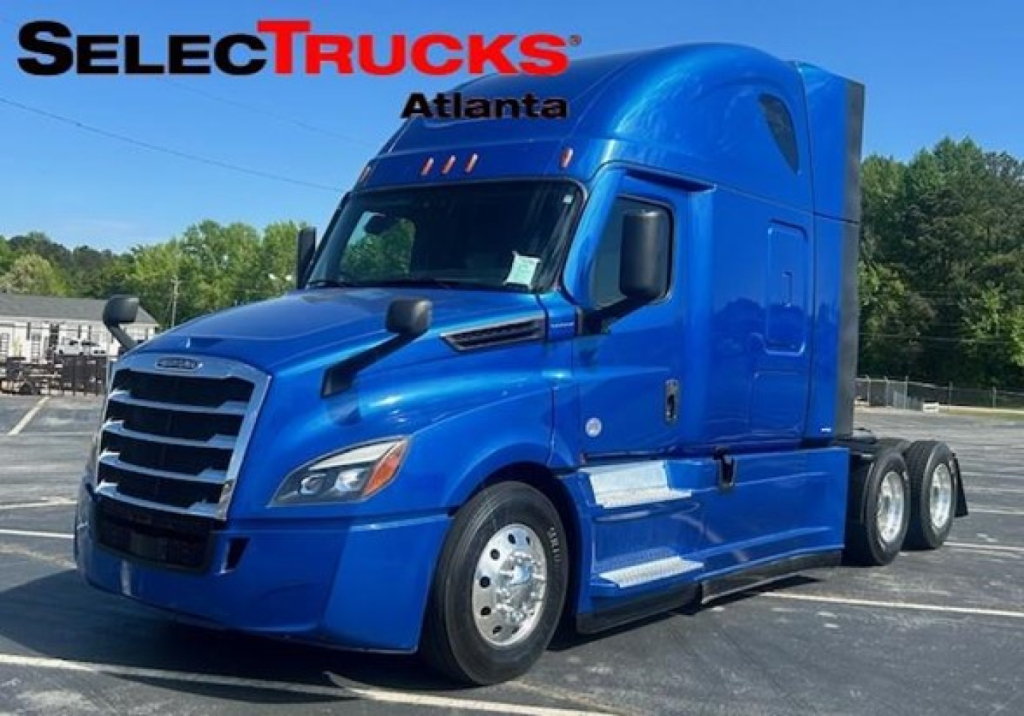
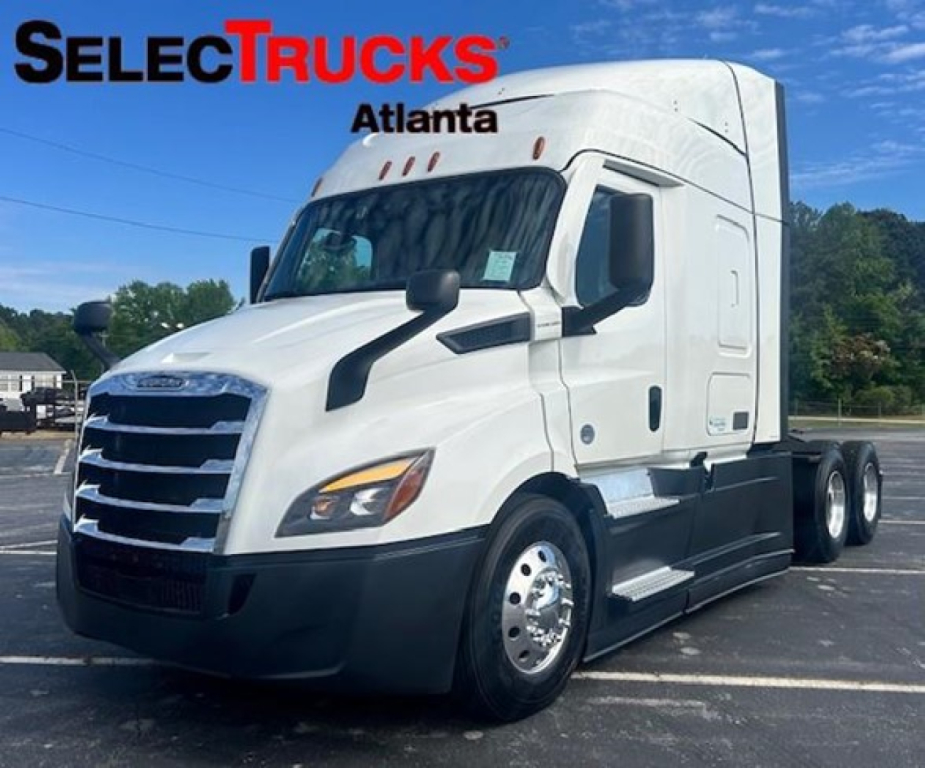
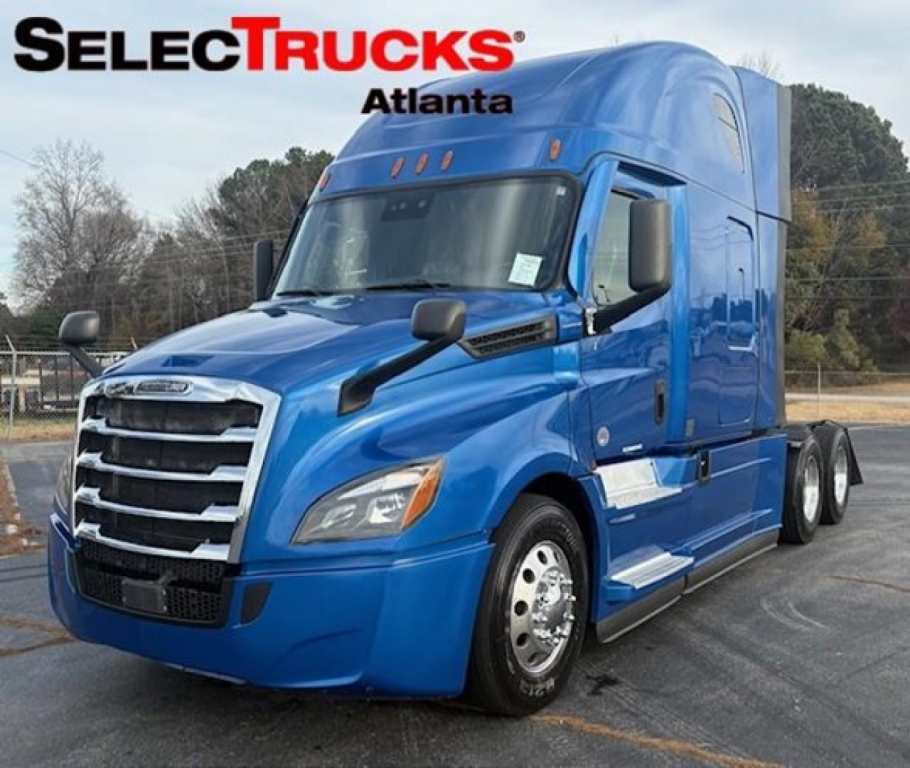
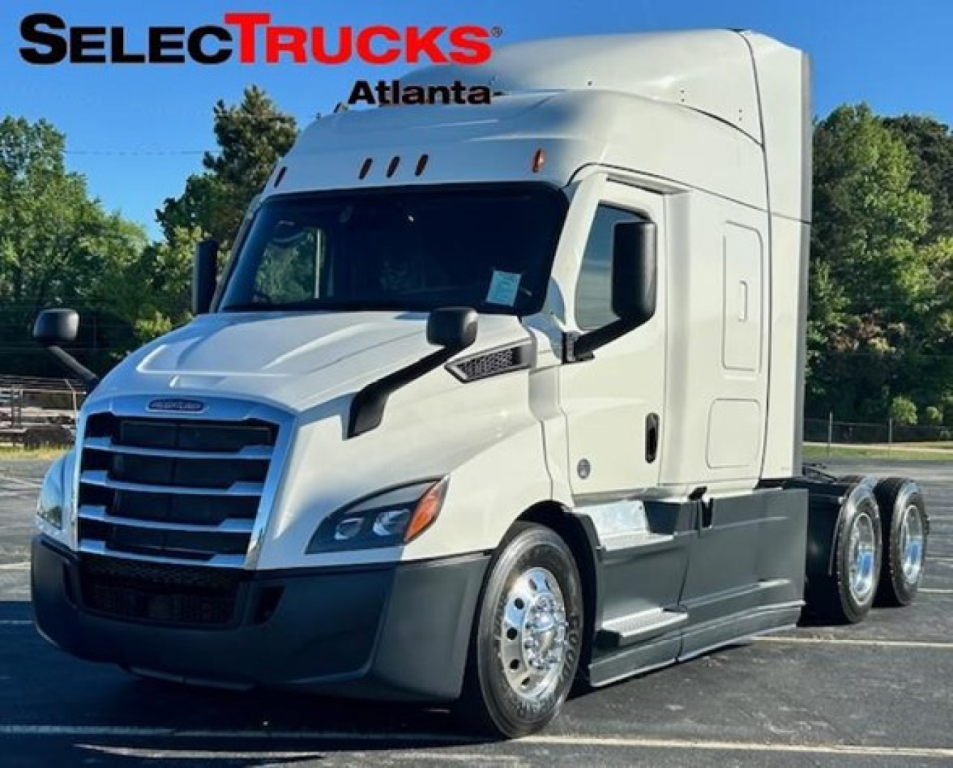
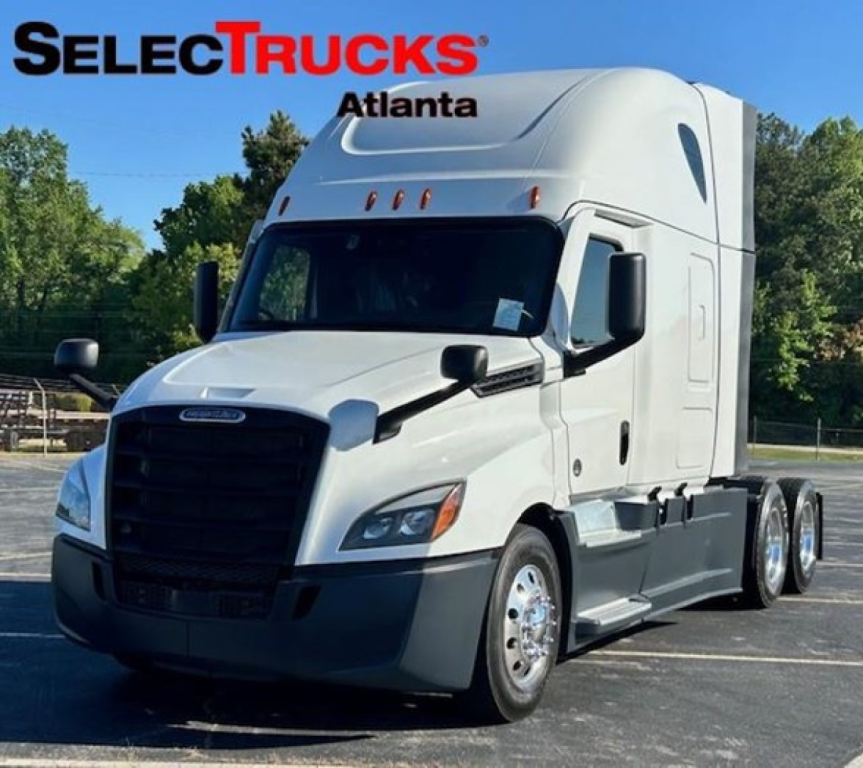
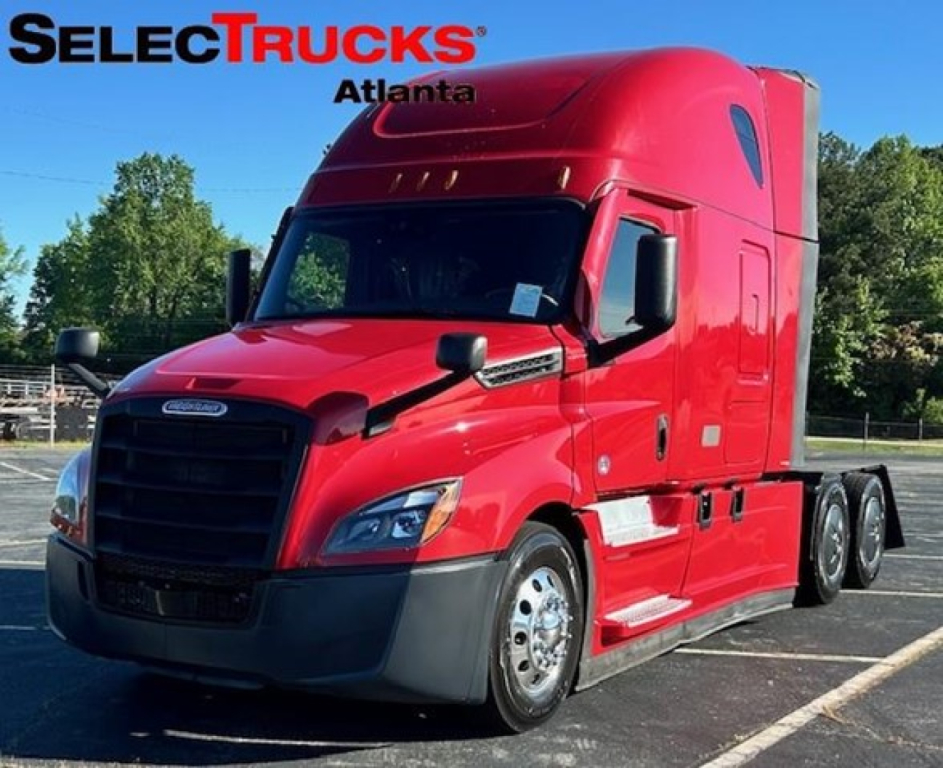
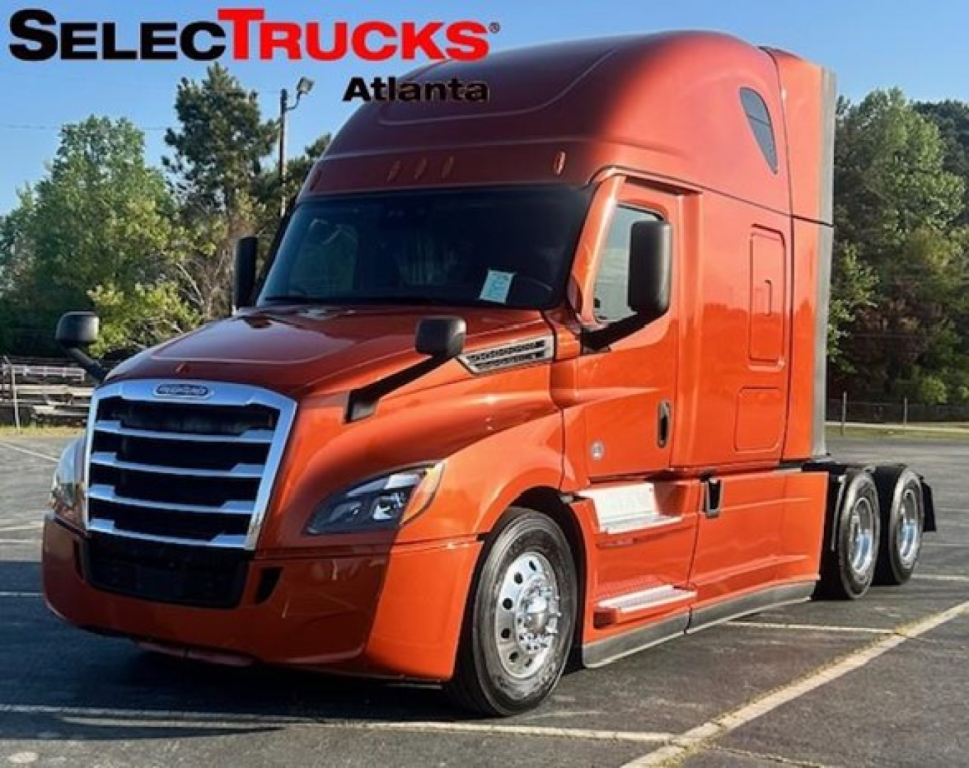
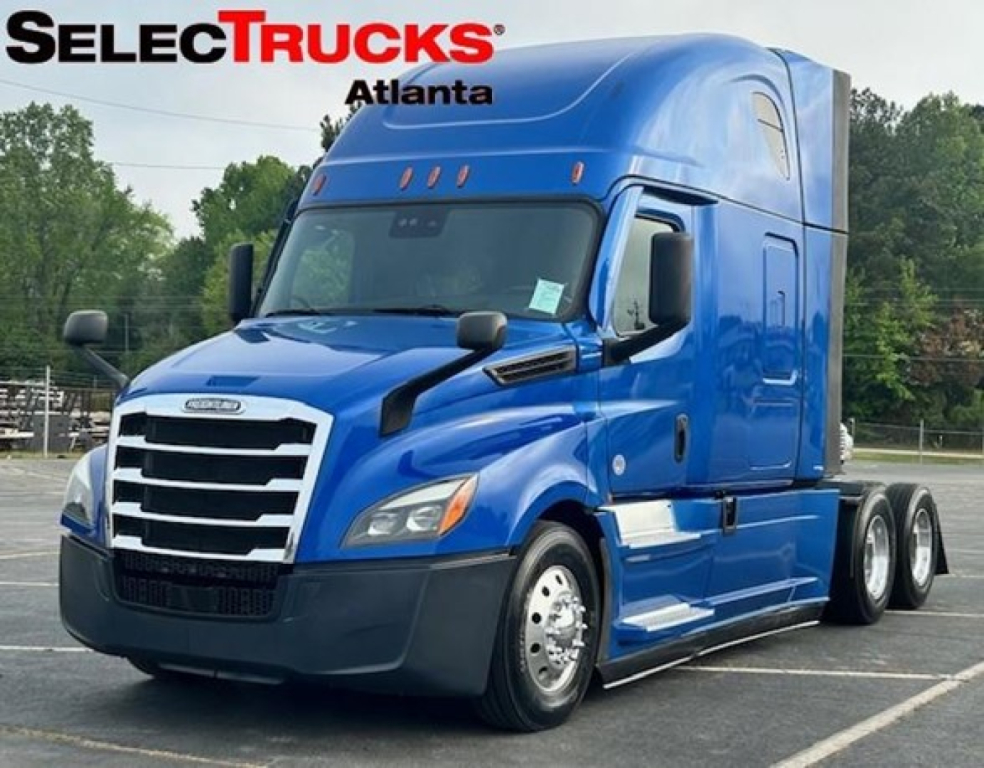
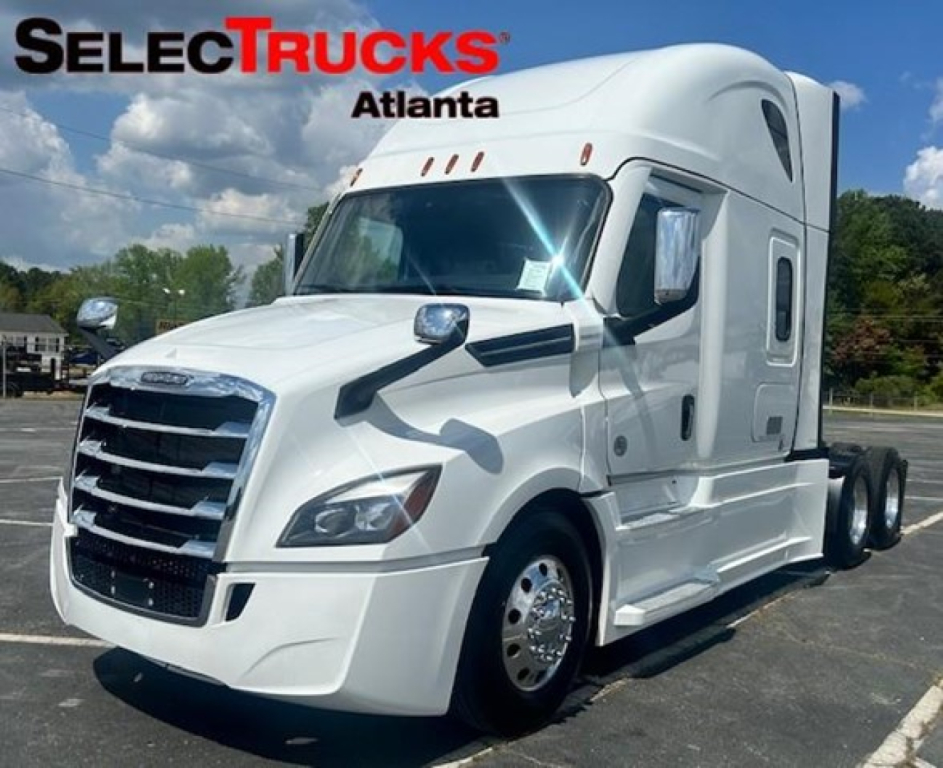
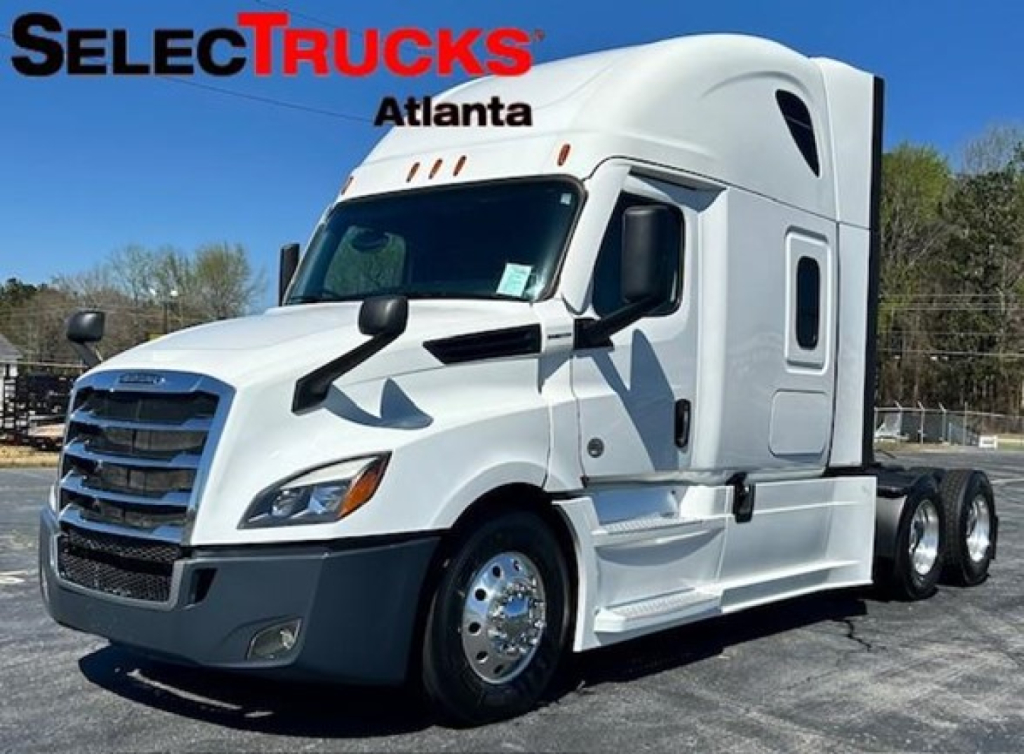
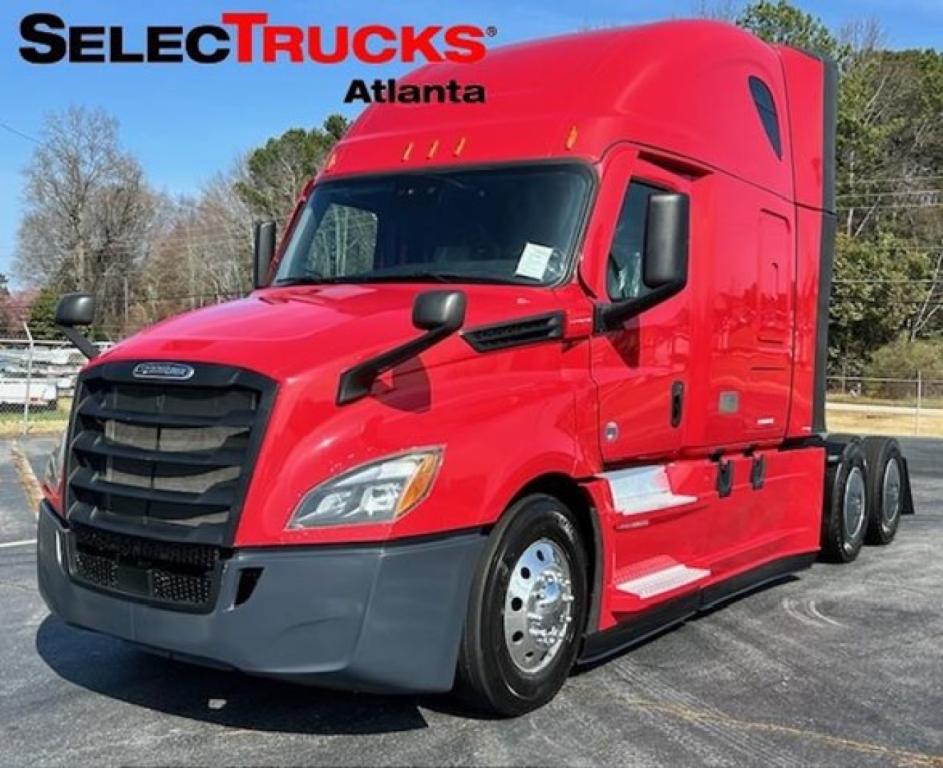
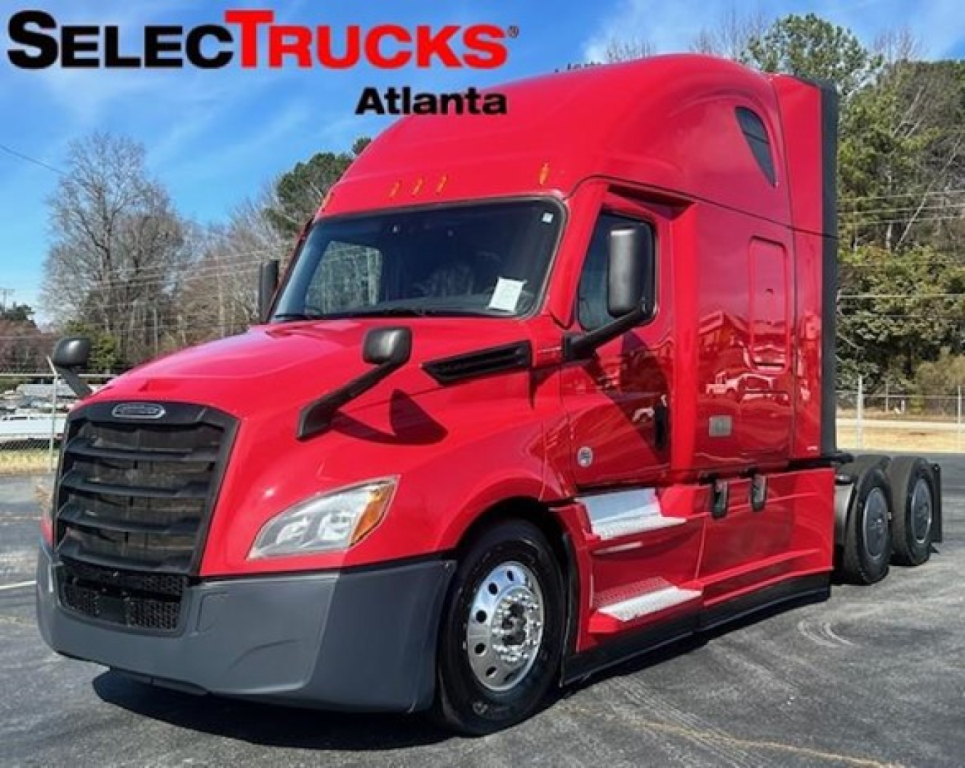
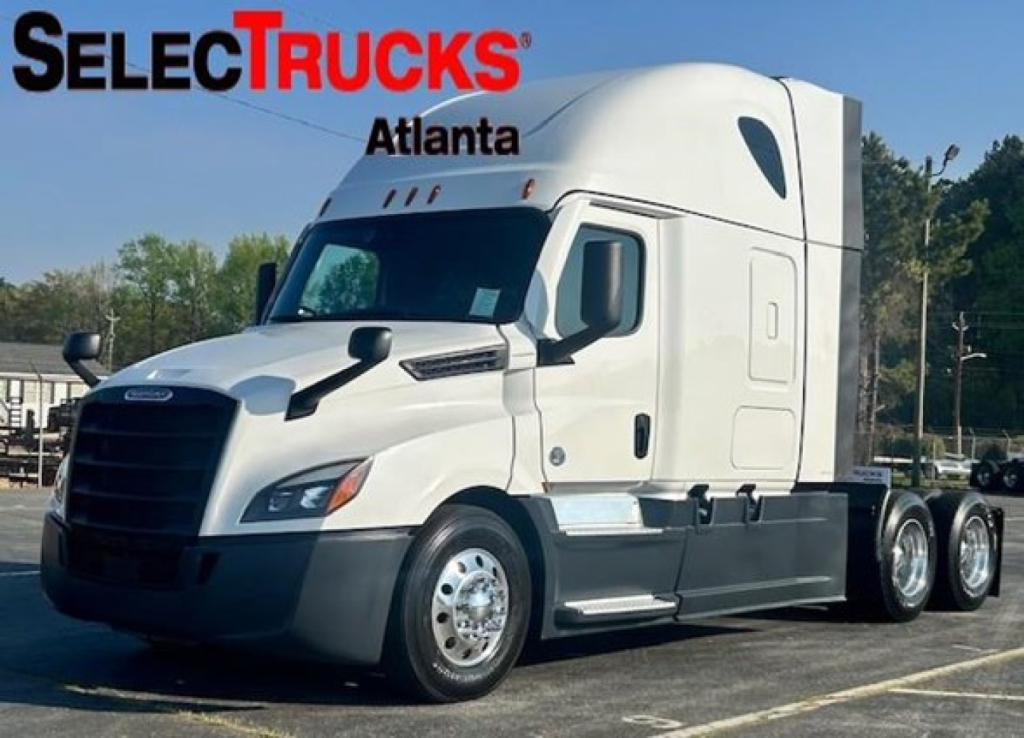
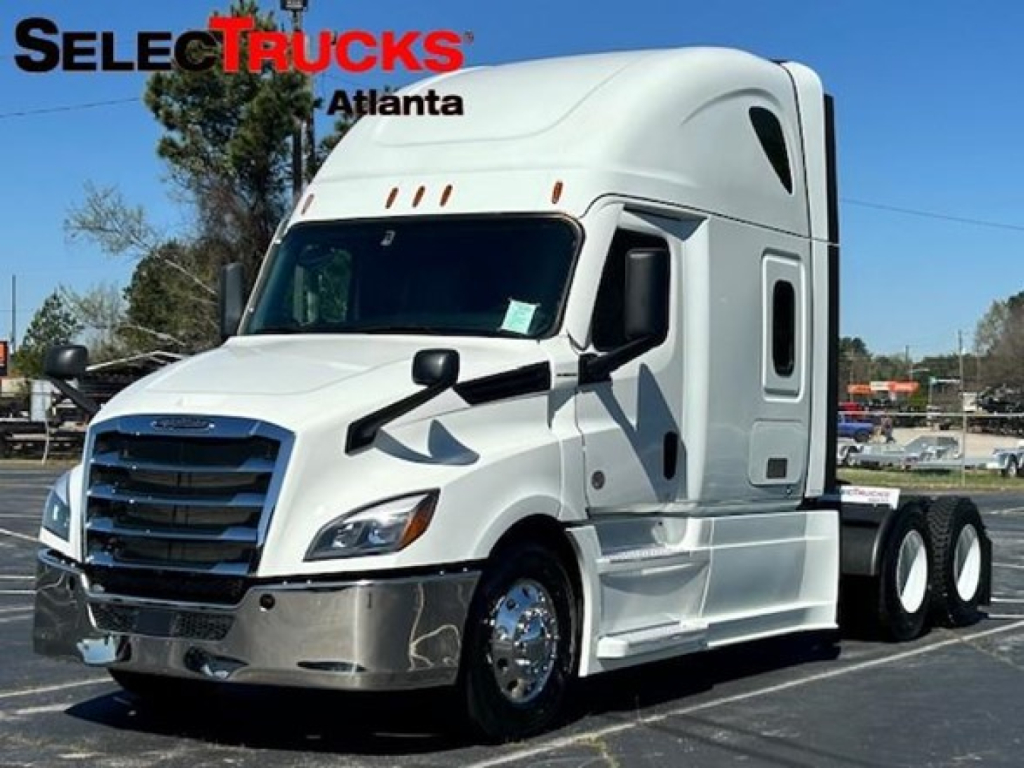
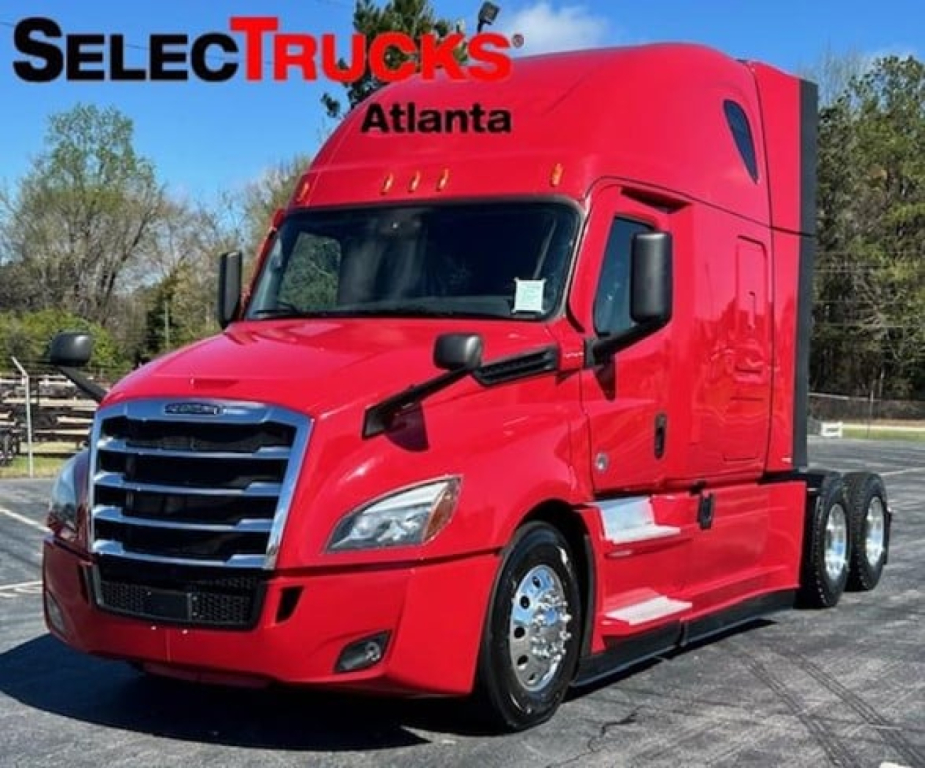
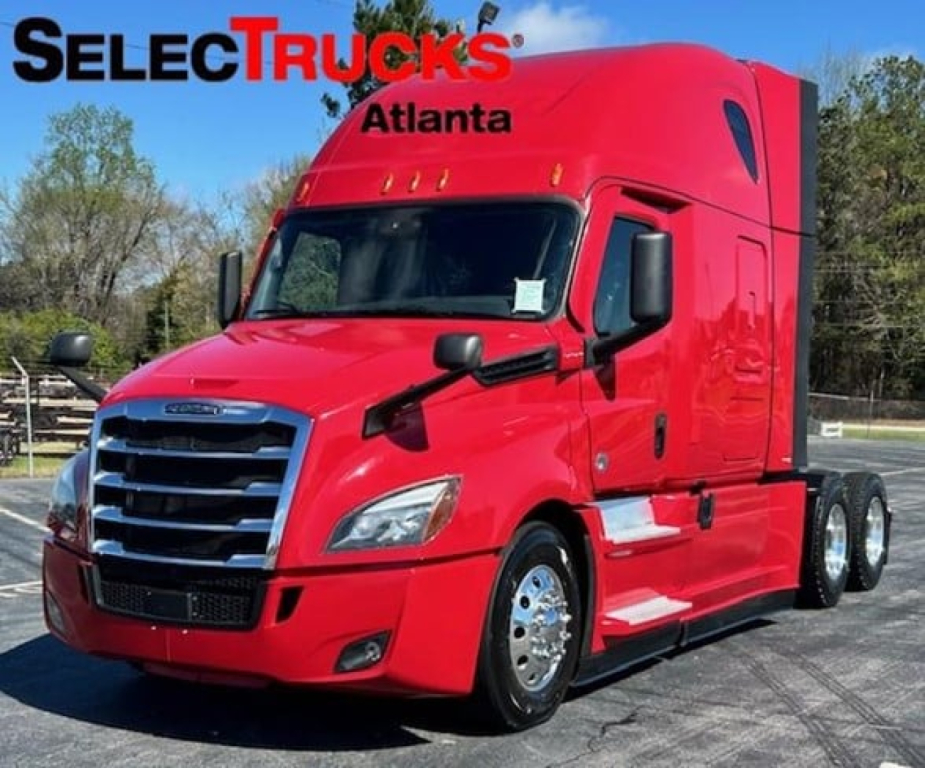
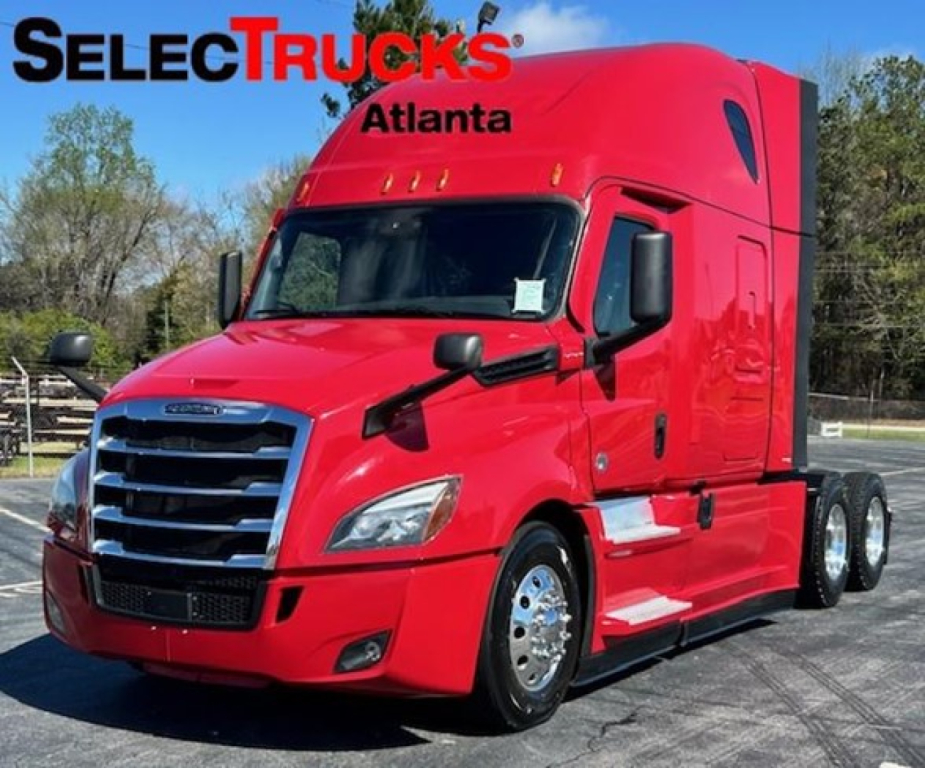
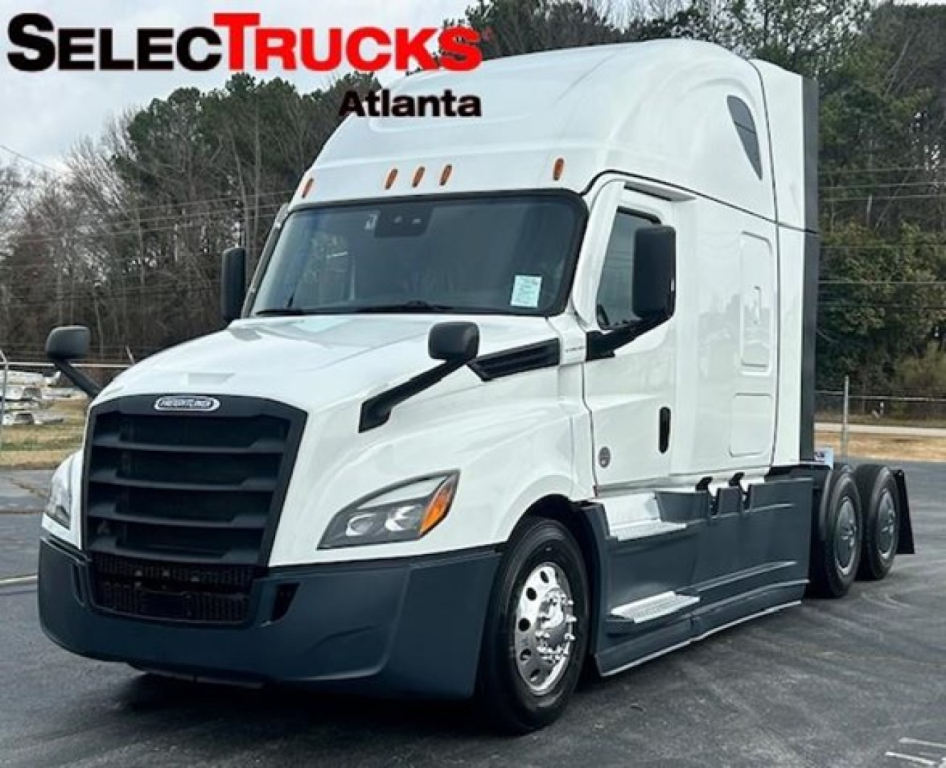
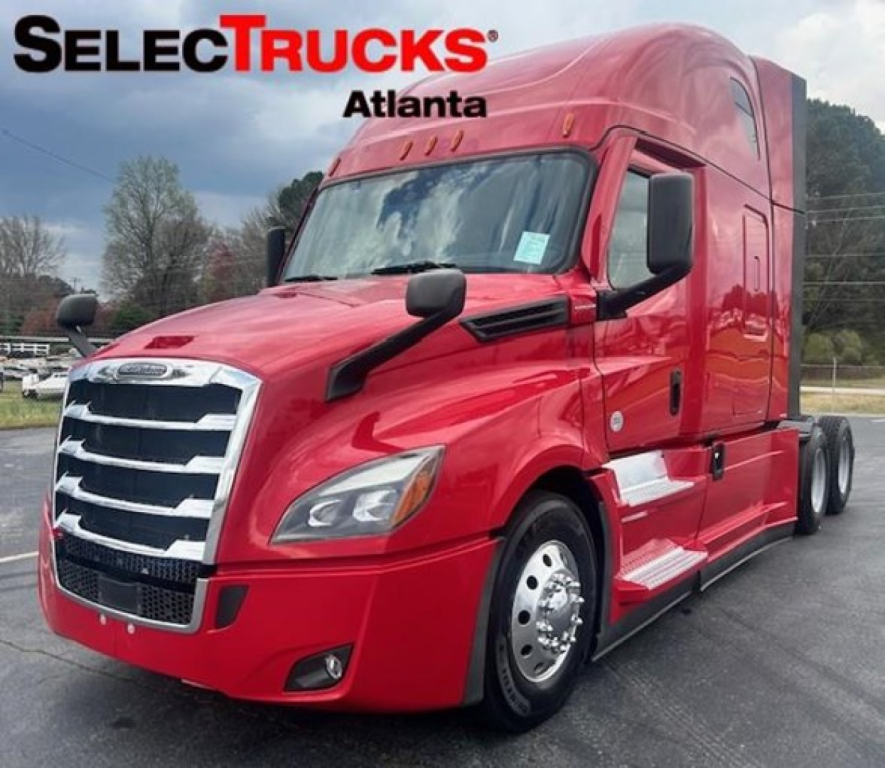
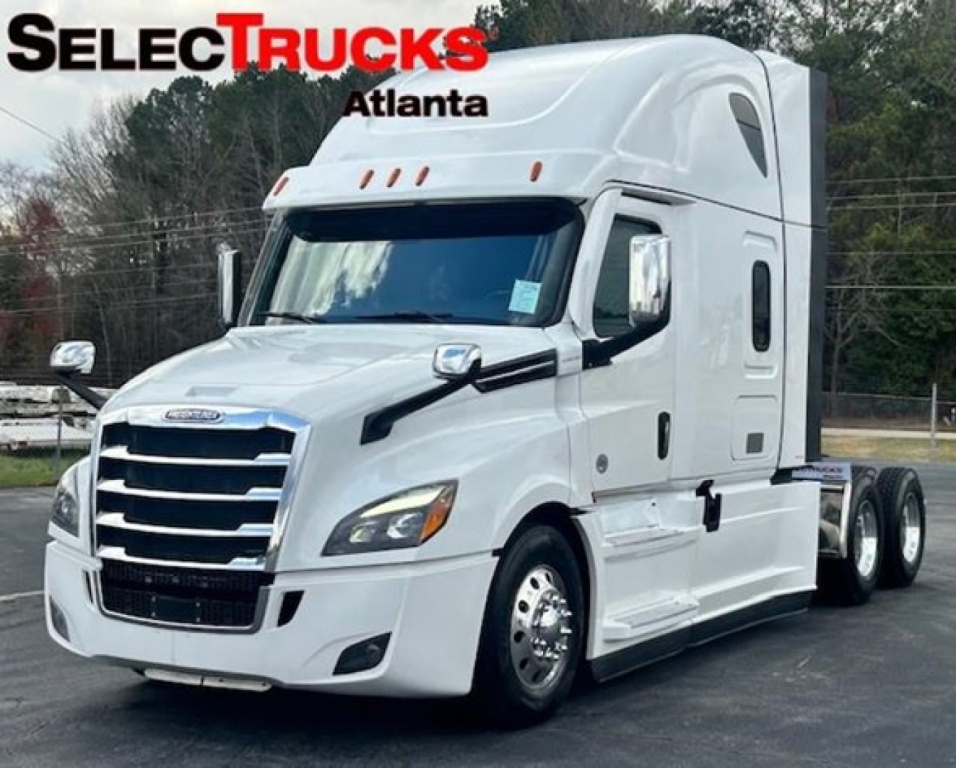
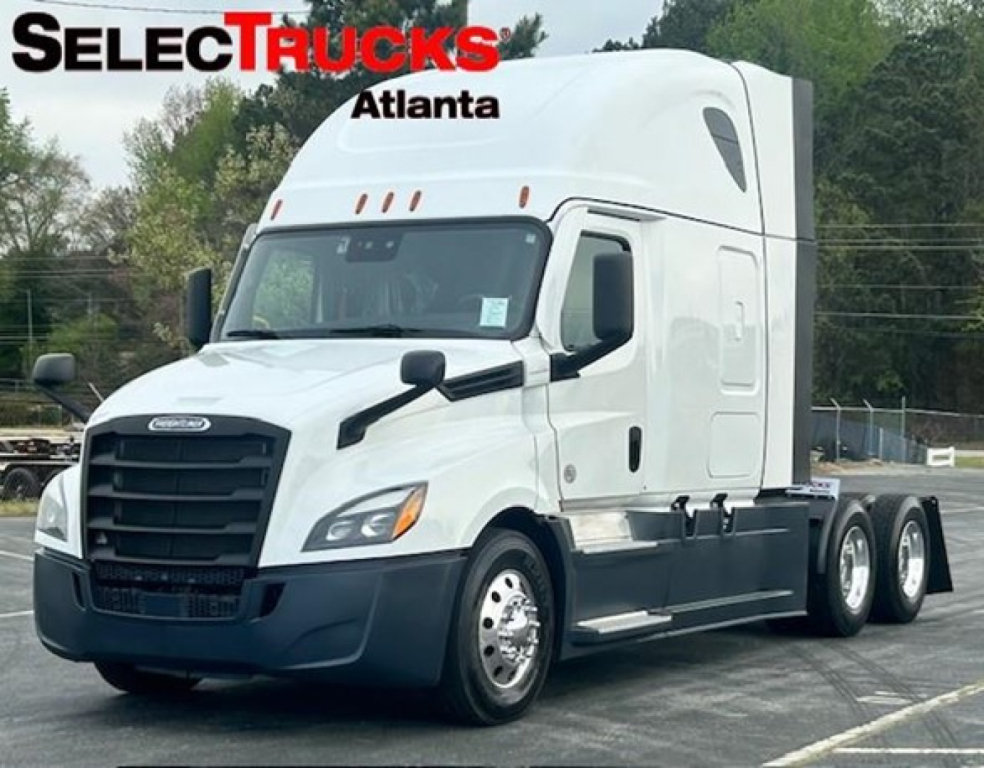
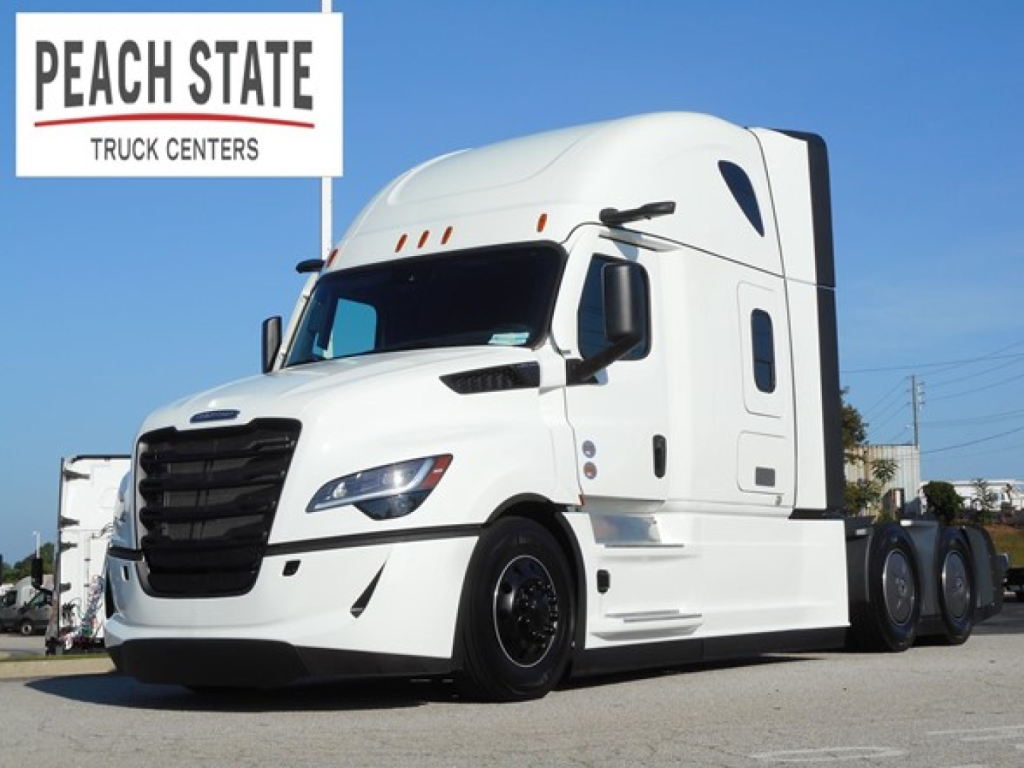
Showing 57 to 84 of 88 results
Have conventional sleeper truck to sell? List it here to reach thousands of buyers.
Conventional Sleeper Trucks in Georgia
Powertrain choices center on torque, gearing and brake integration. Modern 13 liter and 15 liter diesels commonly deliver 1,450 to 1,850 lb ft with 400 to 525 hp, paired to automated 12 speed gearboxes or 13 and 18 speed manuals for drivers who want full control in the North Georgia grades. Rear axle ratios from about 2.15 to 3.36 should match your route speed and transmission type, direct drive boxes often pair with numerically lower rears while overdrive boxes pair with slightly higher ratios. A 6x4 tandem maximizes traction and resale, a 6x2 can trim tare weight and parasitic loss if your routes and dock surfaces allow. Weight savings from aluminum wheels, hubs, air tanks and a lighter fifth wheel can remove several hundred pounds, improving payload and fuel burn.
Sleeper modules vary from compact mid roofs to full high roofs with double bunks, what matters most in Georgia’s heat is thermal integrity and HVAC capability. Well insulated sleepers with tight door and window seals hold temperature, reducing compressor run time; blackout curtains, insulated floor panels and quality scuff liners inside storage areas help minimize heat soak. Battery HVAC systems, diesel APUs and bunk heaters manage cab climate and hotel loads with less idling, pairing well with 1,800 to 3,000 watt inverters for refrigerators and CPAPs. Interior floor strength is often overlooked, reinforced sleeper floors and cabinet mountings prevent flex and fastener pull out when you add appliances or stow tools, and a sturdy catwalk with non slip decking improves safety when connecting lines in summer rain.
Chassis durability shows up under the paint. Look for e coated or powder coated frames, sealed harness connectors, composite fairings and stainless or aluminum hardware in splash zones, these resist corrosion from coastal air around Savannah and road spray statewide. Inspect crossmembers around the suspension hangers and the fifth wheel mounting angles for rust scale or elongation, the slider locks should engage fully and the rails should be free of pitting so you can shift for axle balance. Air ride suspensions protect cargo and drivers, disc brakes shorten stops and simplify service, and tire pressure monitoring helps maintain casing life and fuel economy through hot seasons. Spec with the right blend of tare weight control, thermal performance and corrosion protection to keep the truck productive on Southeast freight without adding avoidable maintenance.
Frequently Asked Questions about Conventional Sleeper Trucks in Georgia
What wheelbase works best for Georgia city, port and highway mixed routes?
A wheelbase in the 220 to 240 inch range with a set back steer axle provides a good compromise, it shortens the turning radius for Atlanta metro docks and port stacks while keeping the ride stable on longer highway pulls. Pair it with a sliding fifth wheel so you can shift weight forward or aft to suit different trailer kingpin settings and scale cleanly without exceeding steer or tandem limits.
How does sleeper size affect tare weight and fuel economy?
Larger high roof sleepers add comfort and storage, but they increase tare weight by roughly 200 to 400 pounds versus comparable mid roofs and can raise frontal area, which adds aerodynamic drag. If most freight clears a mid roof and you do not need a second bunk, a mid roof can save weight and fuel, while a high roof suits team operations or tall drivers who live in the truck. Aerodynamic fairings and well sealed sleepers help offset drag regardless of height.
What should I look for to ensure good corrosion resistance in Georgia?
Check for e coated or powder coated frame rails and crossmembers, intact undercoating, stainless or treated fasteners, aluminum or composite battery boxes and steps, and sealed electrical connectors with clean dielectric grease. Inspect fuel tank straps, frame flanges near suspension hangers, cab mounts, the catwalk, and fifth wheel rails for pitting or bubbling paint. Coastal operations can accelerate oxidation, so uniform coating and clean drain paths in fairings and splash zones matter.
Are automated manuals or multi speed manuals better for North Georgia grades and traffic?
Automated manuals manage downshifts and engine brake application consistently on rolling terrain and reduce driver fatigue in Atlanta stop and go traffic. If you prefer manual control for steep grades or specialized loads, a 13 or 18 speed with appropriate rear ratio gives fine control of startability and cruise rpm. Match transmission type to route speed, torque curve and desired cruise rpm, and ensure retarder or engine brake integration is strong for safe descents.
How does a sliding fifth wheel help with different trailer kingpin settings?
A sliding fifth wheel typically offers 10 to 24 inches of travel, which lets you move the trailer kingpin centerline relative to the tandems to balance steer and drive axle loads, maintain trailer clearance on tight turns, and meet bridge spacing requirements. Keep the slider locks, rails and air lines in good condition so adjustments are easy, and verify that your chosen position keeps the cab to trailer gap tight enough for fuel economy without risking contact on sharp turns.