
2027 Conventional Sleeper Trucks For Sale in Georgia
Shop 2027 conventional sleeper trucks in Georgia. Compare roof heights, powertrains, bunk layouts, wheelbase, and fuel-saving specs.
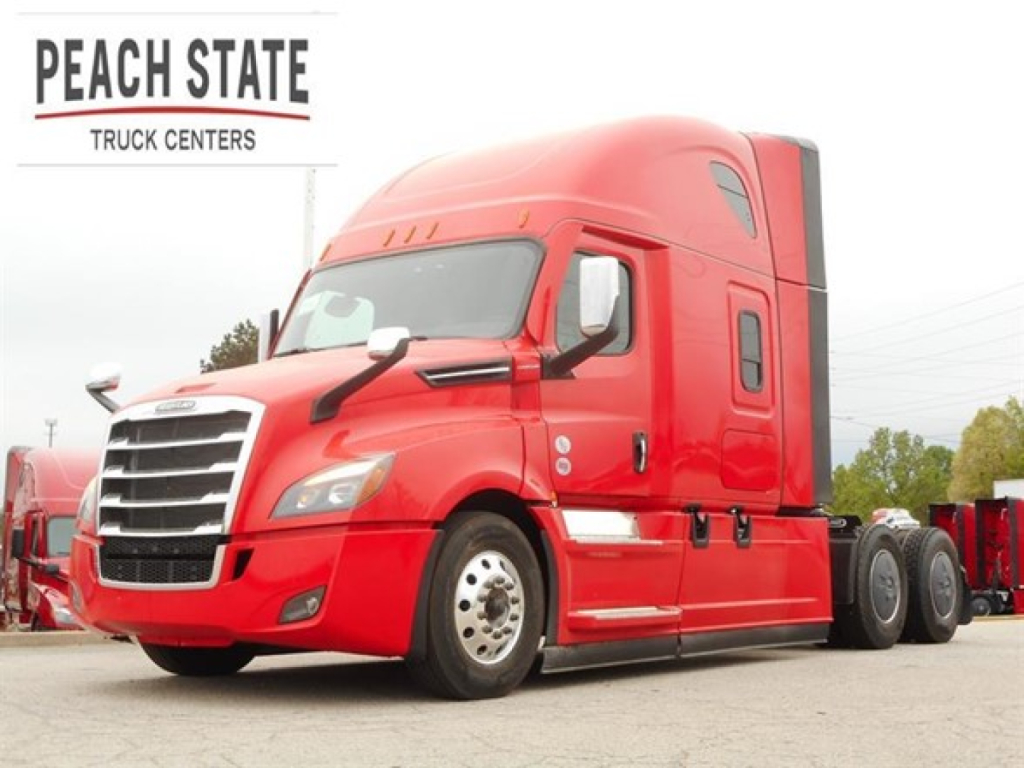
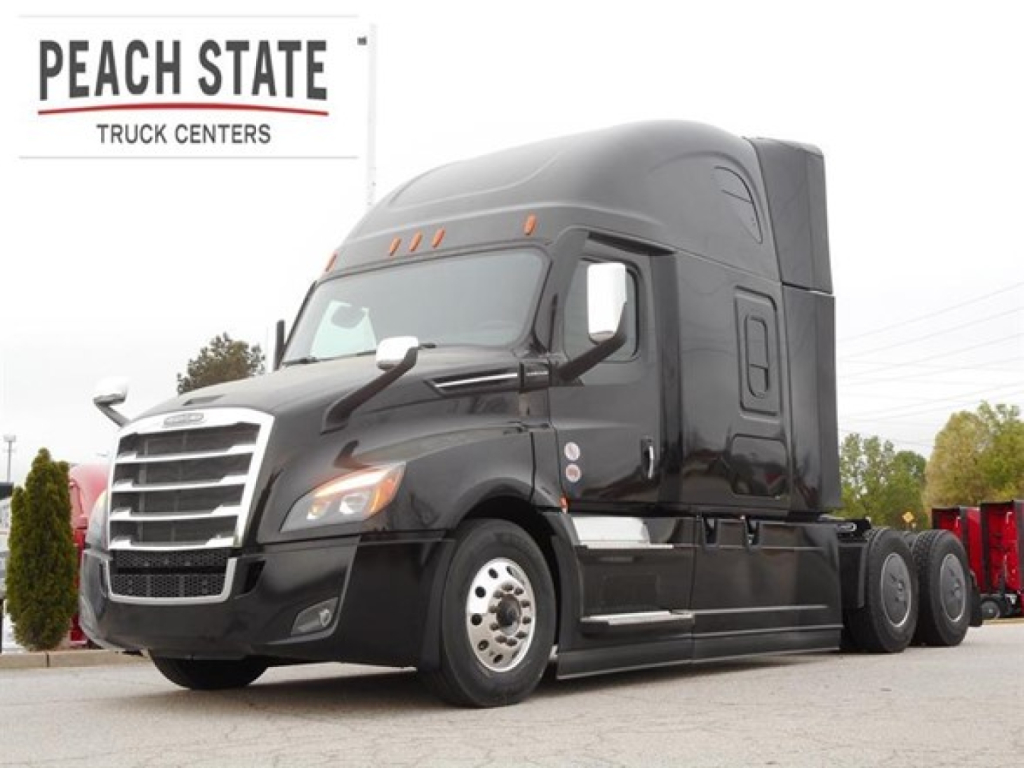
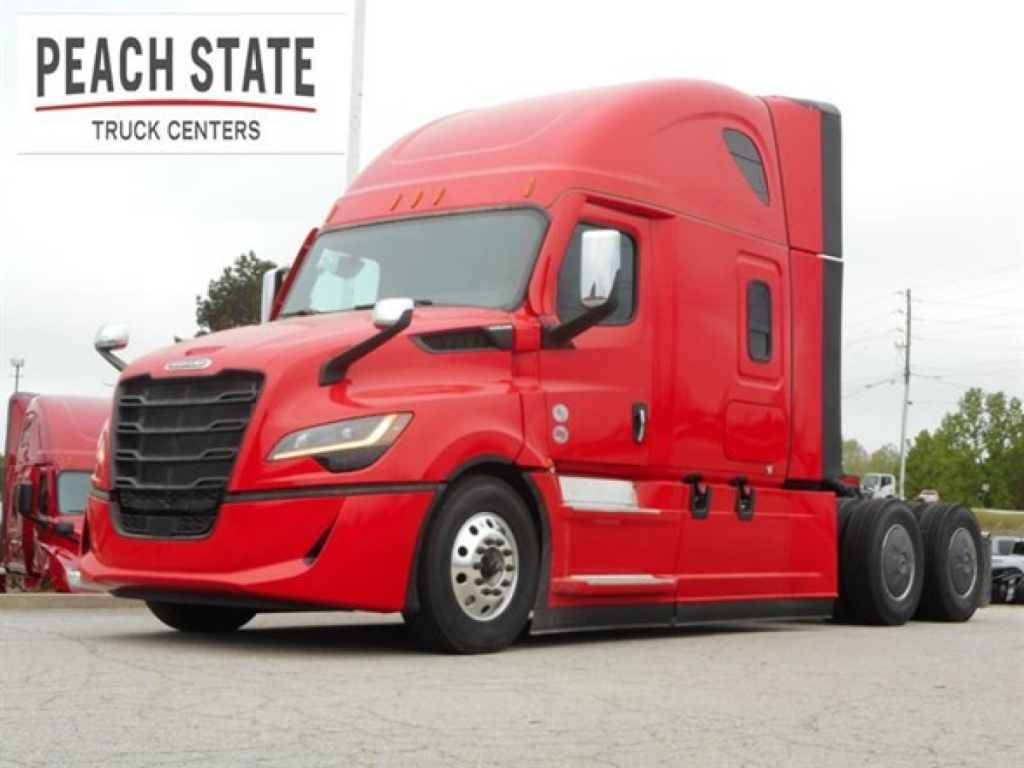
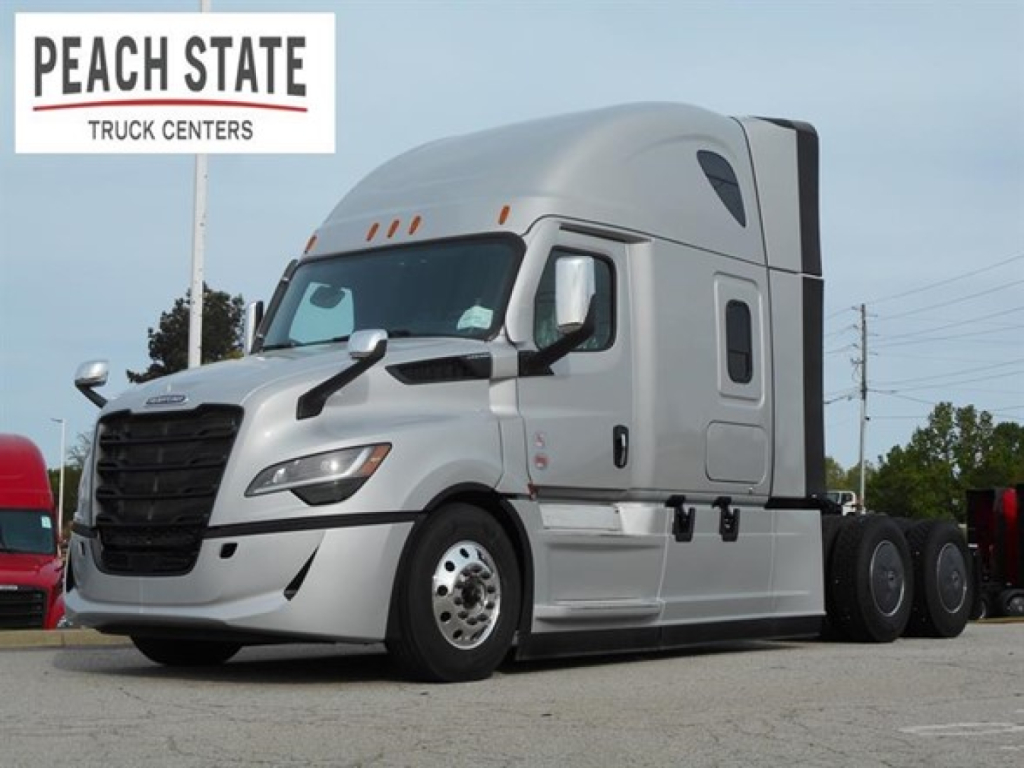
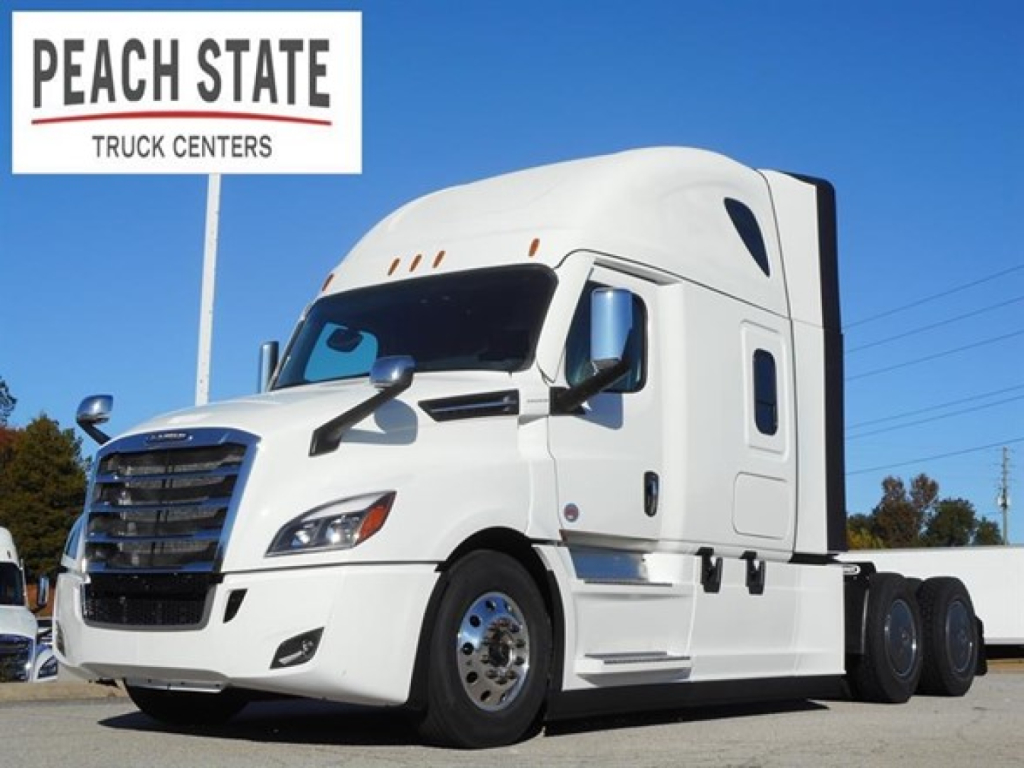
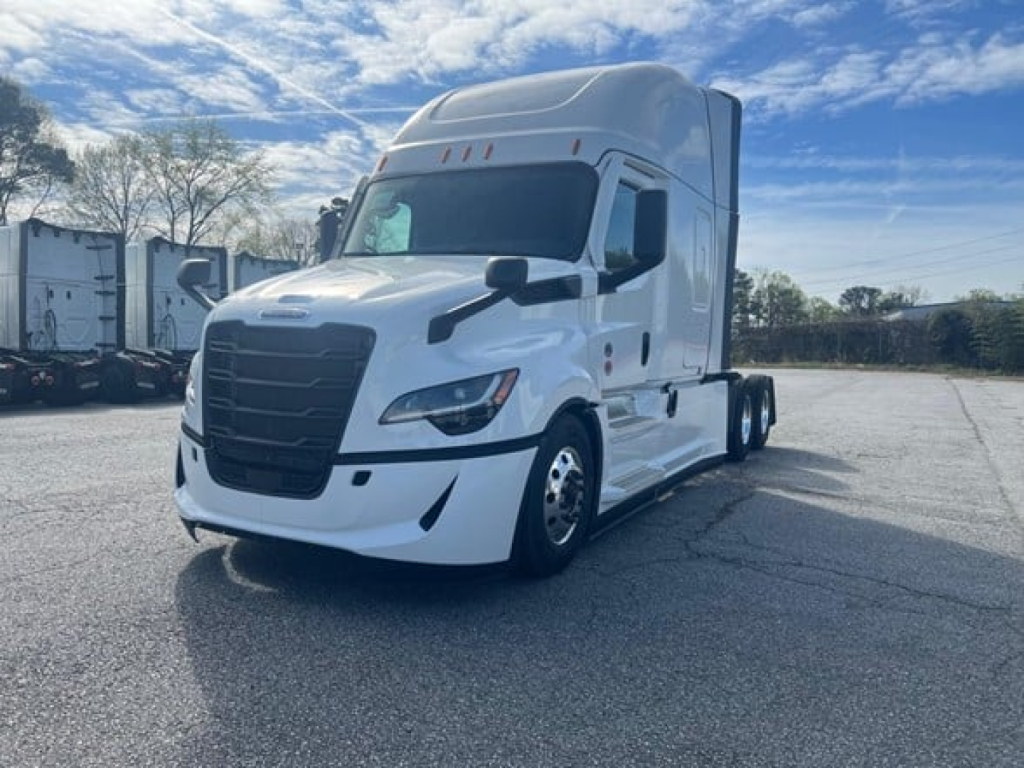
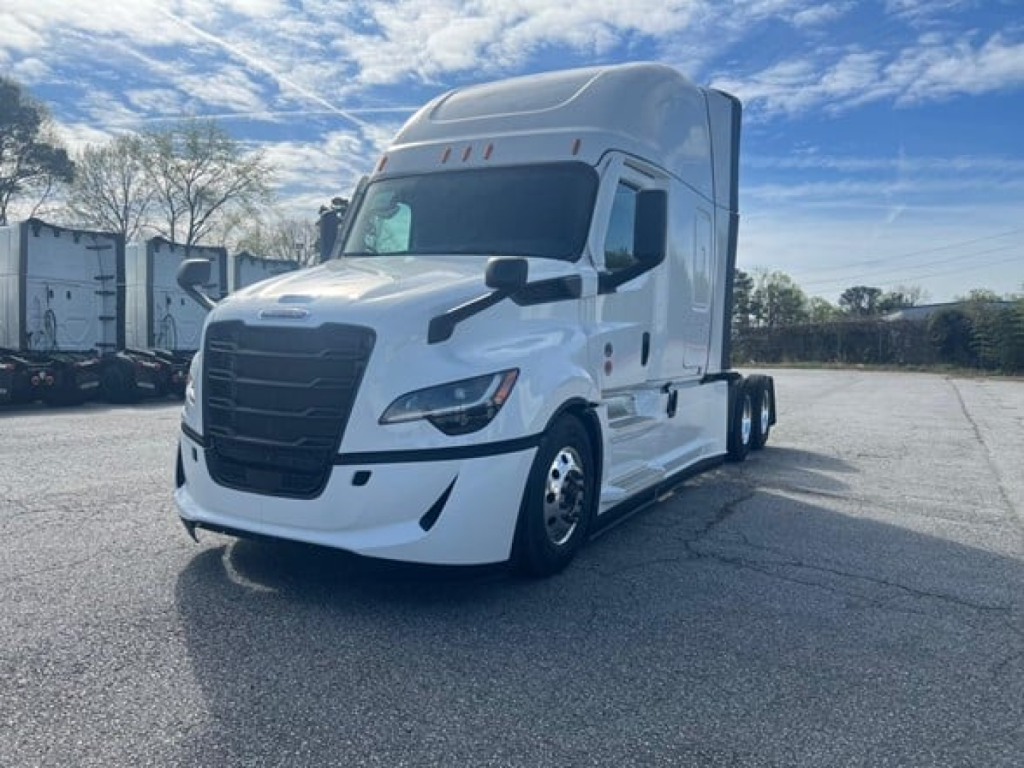
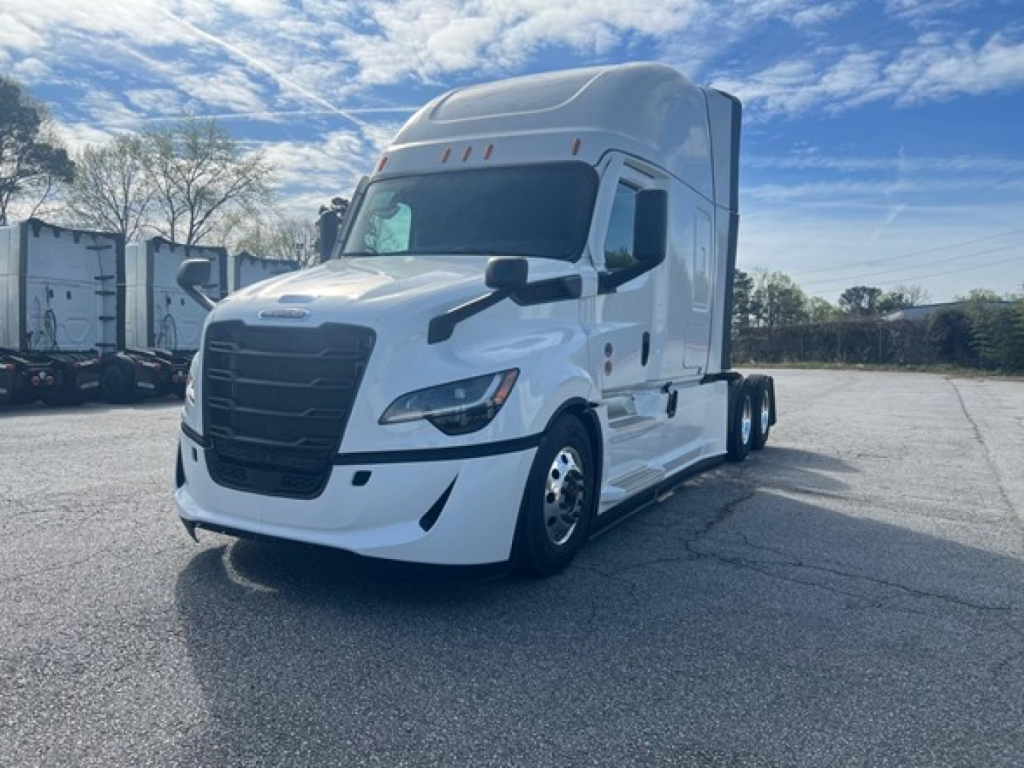
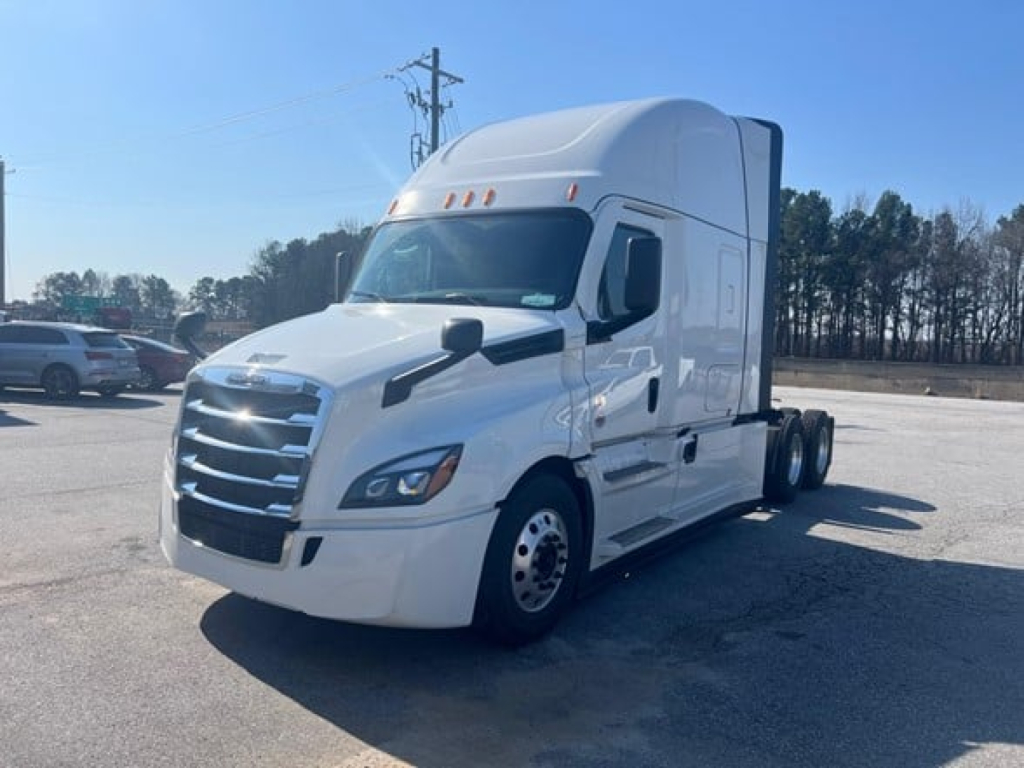
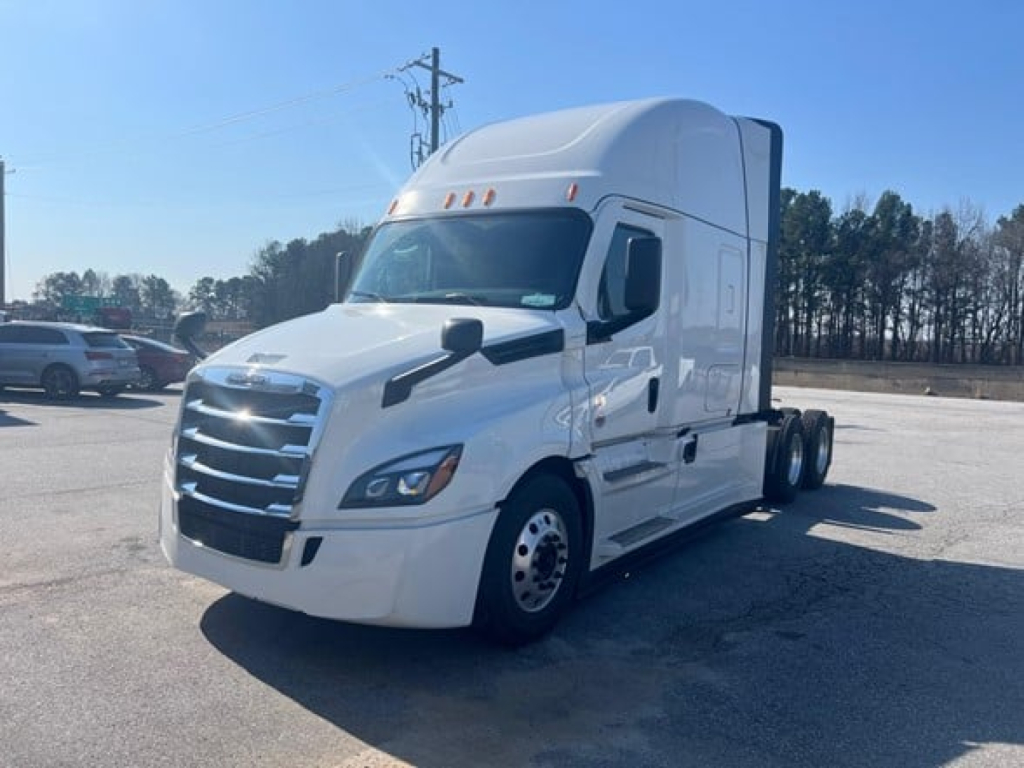
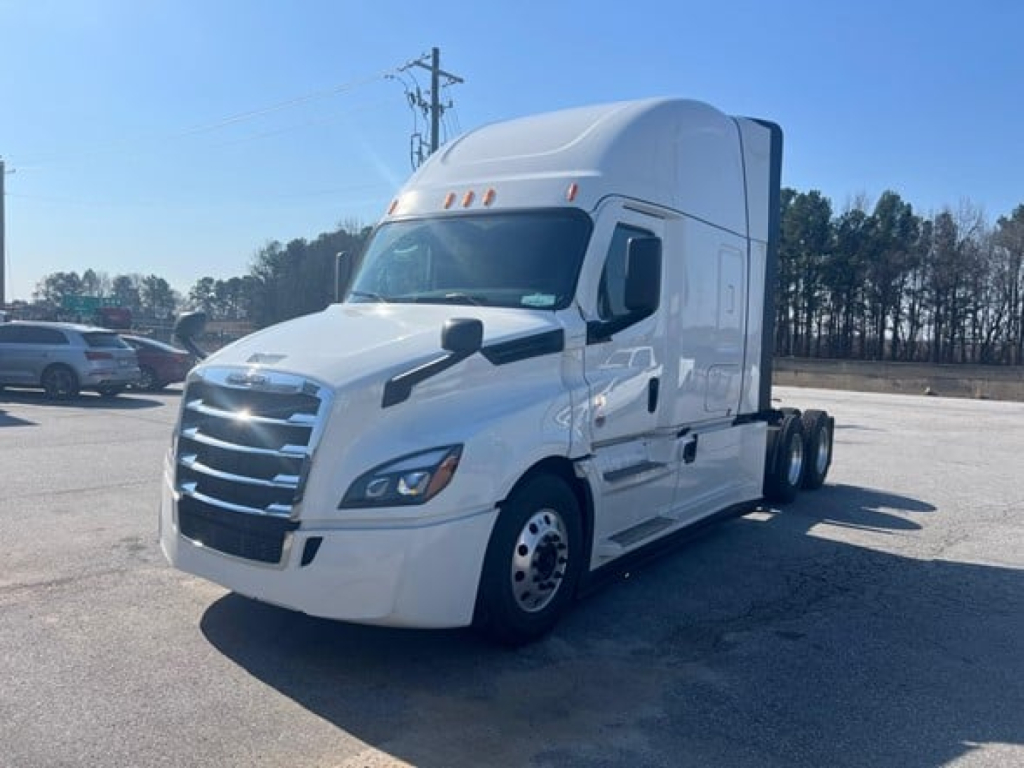
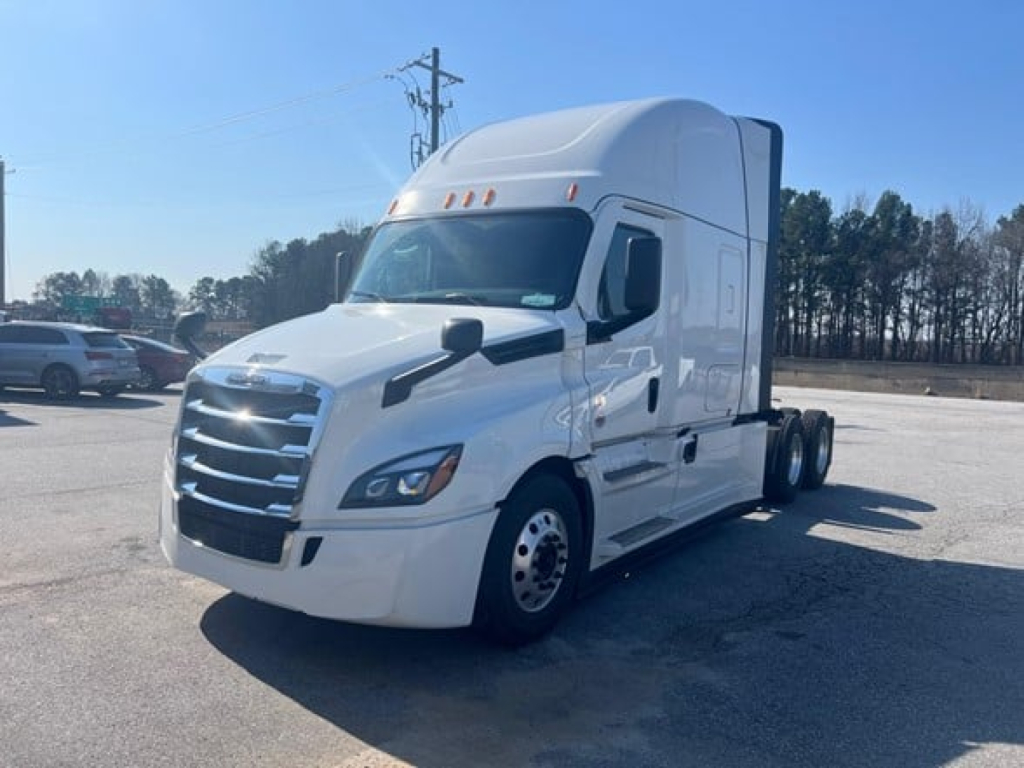
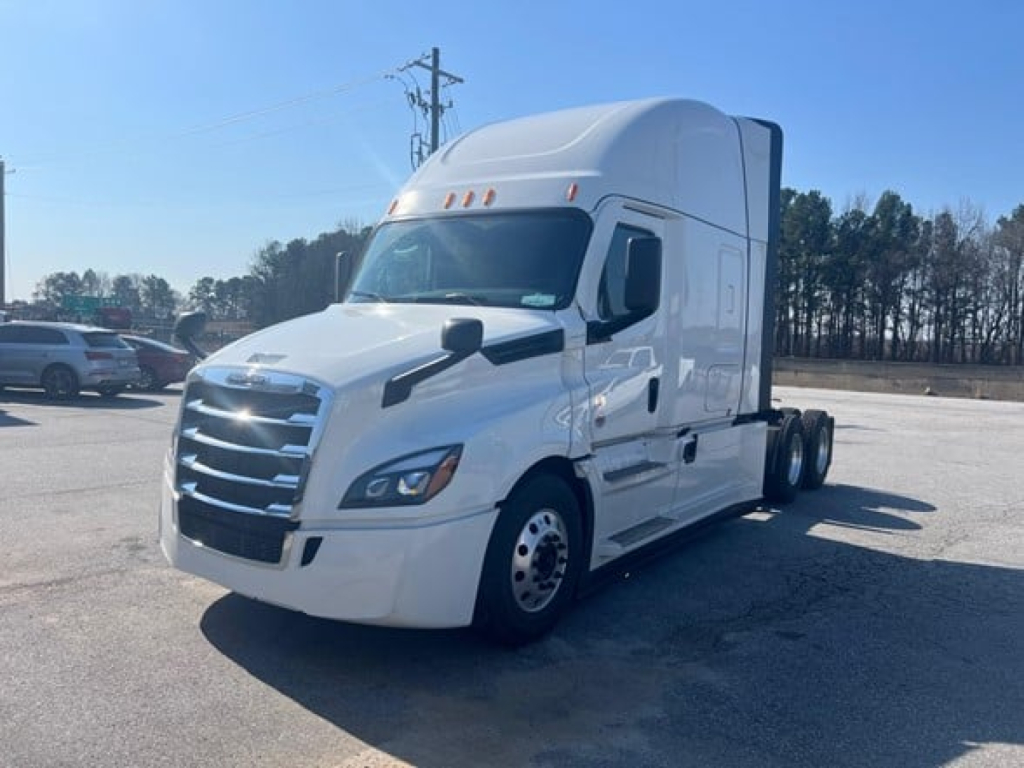
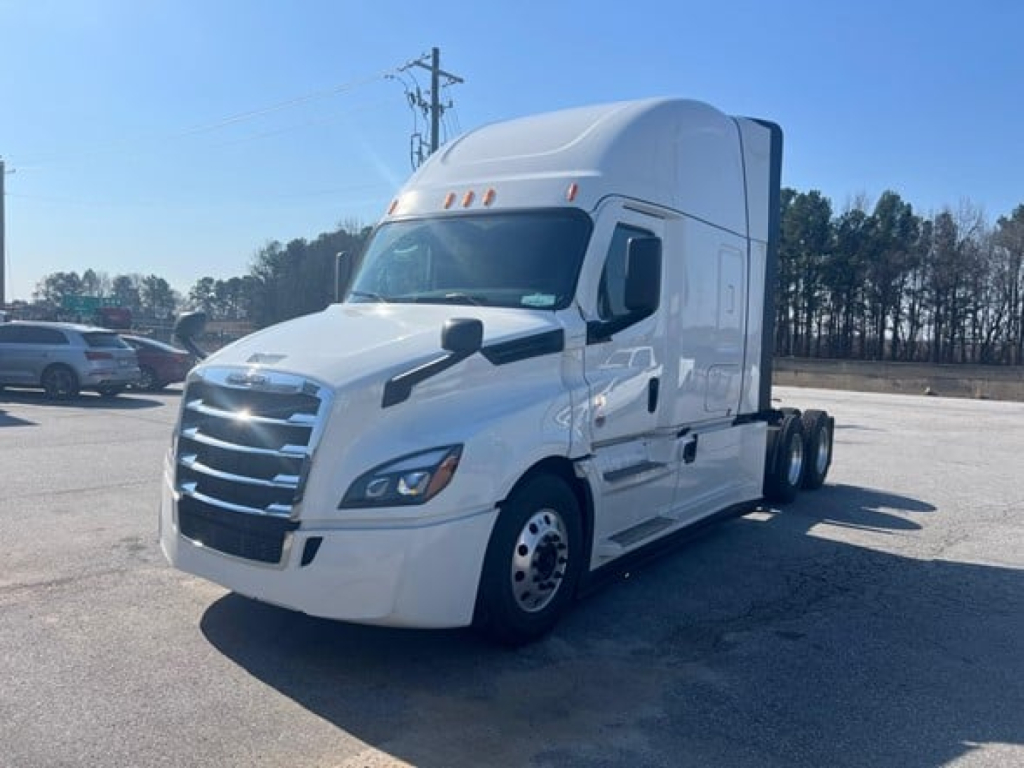
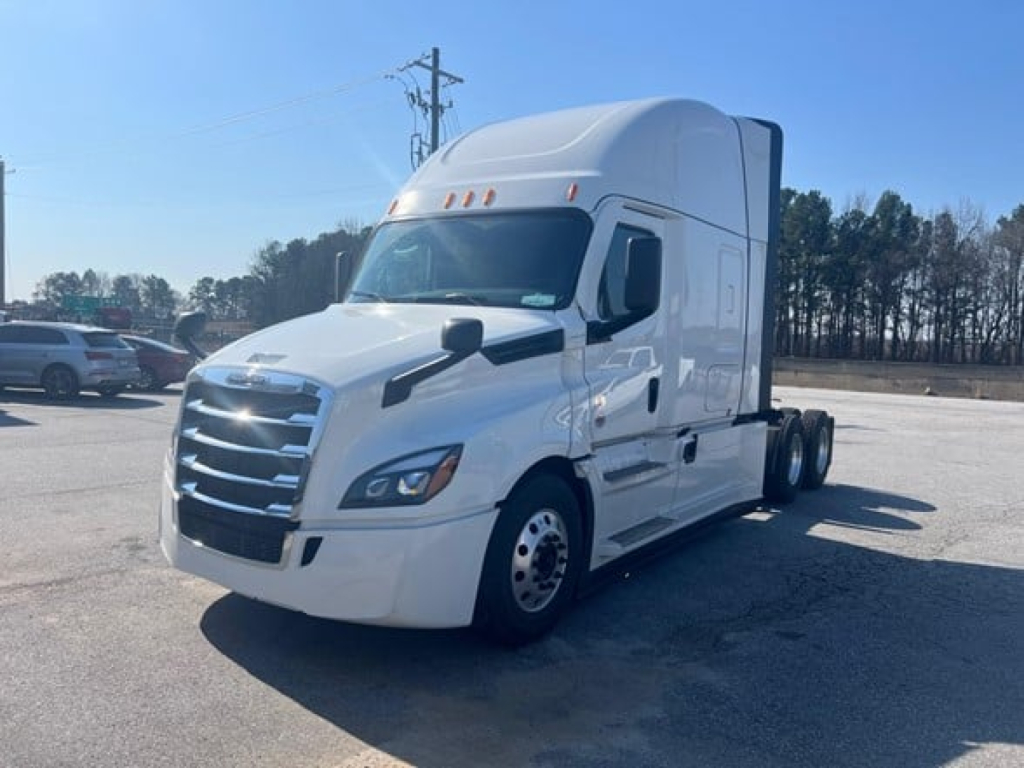
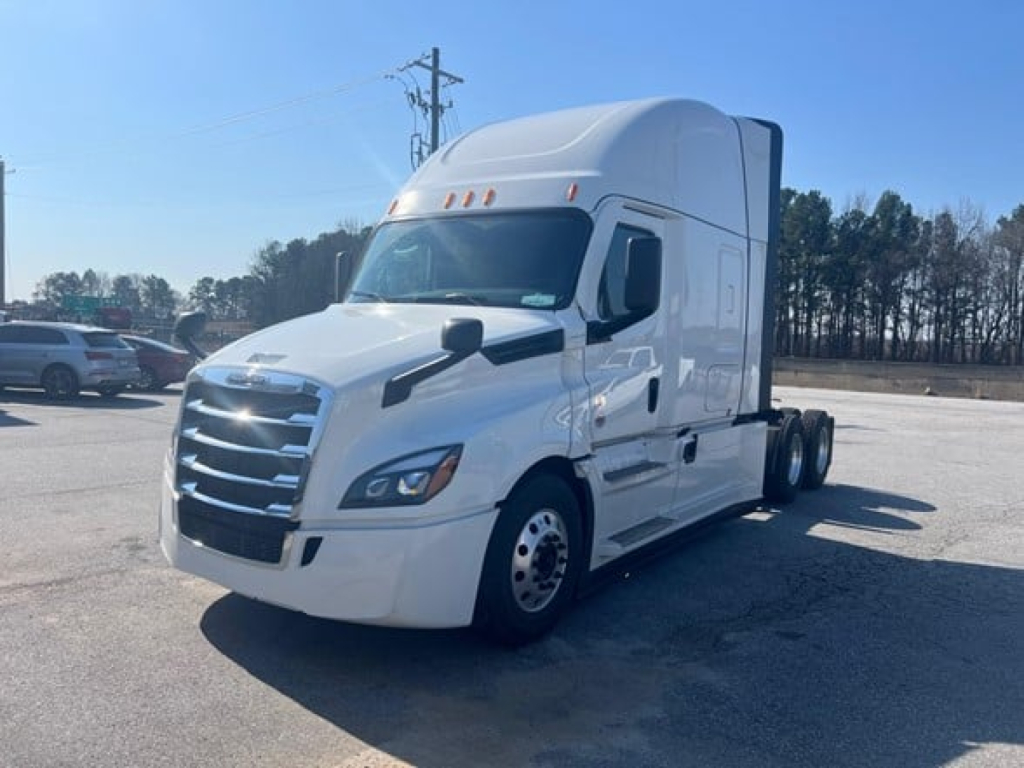
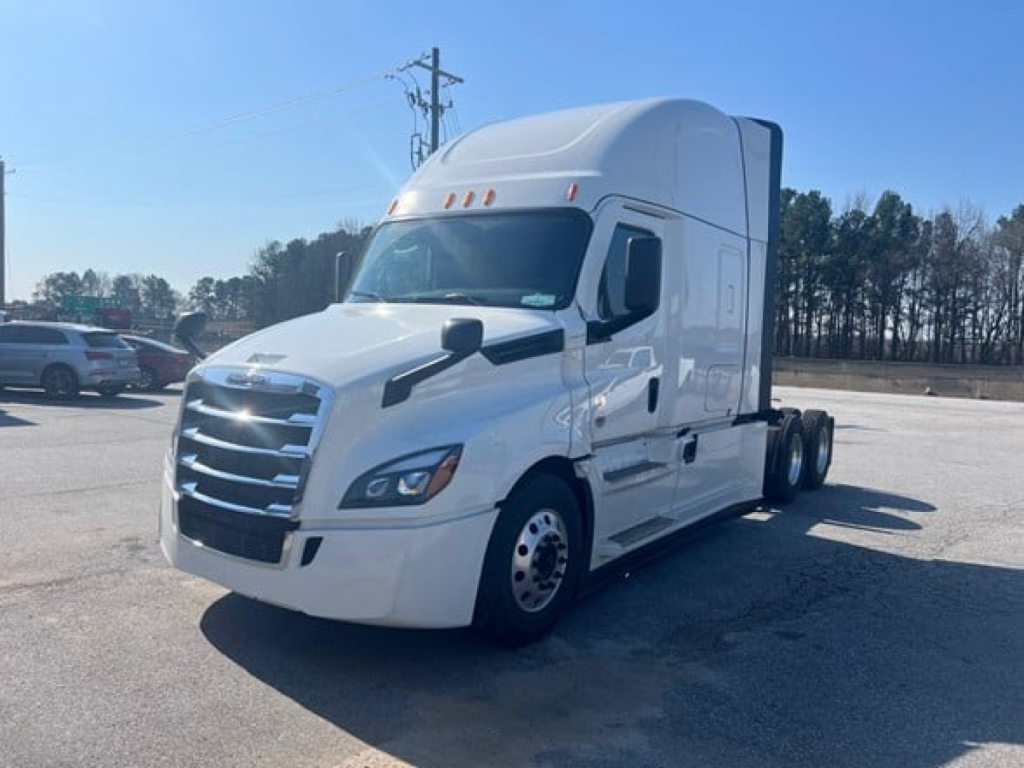
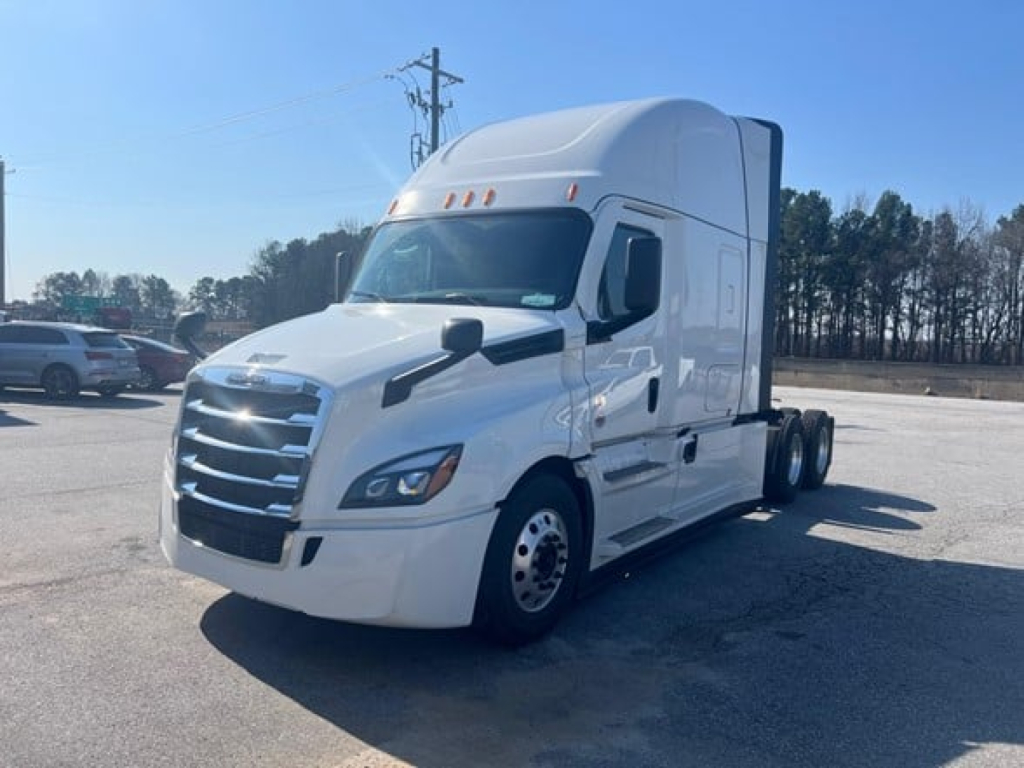
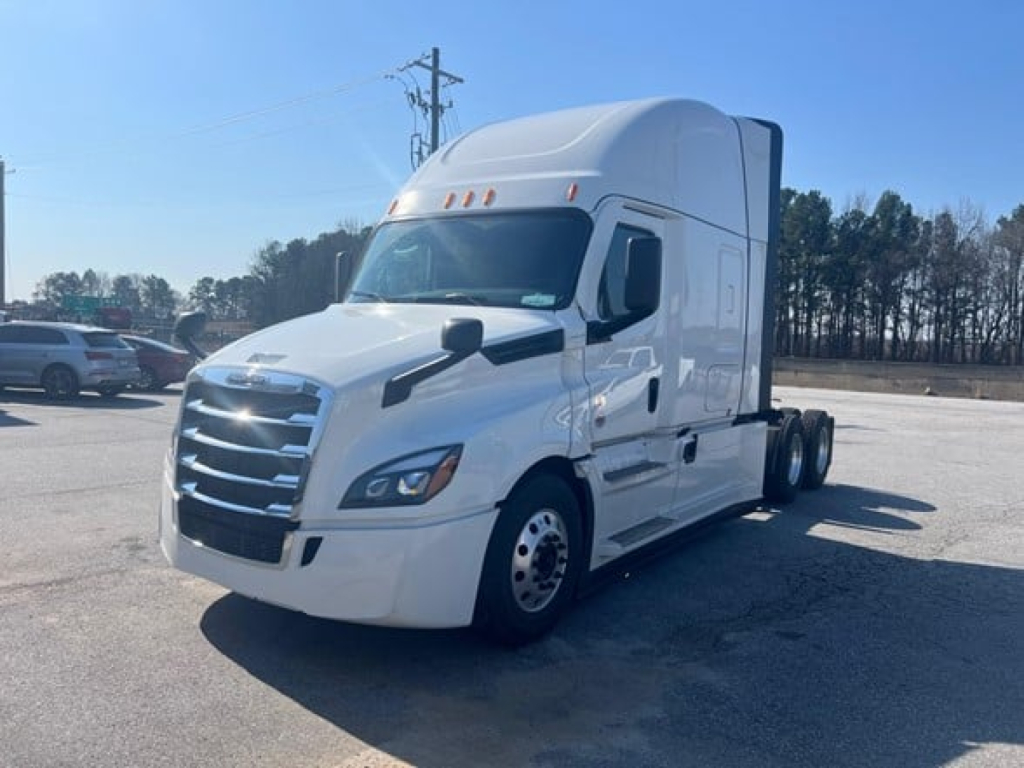
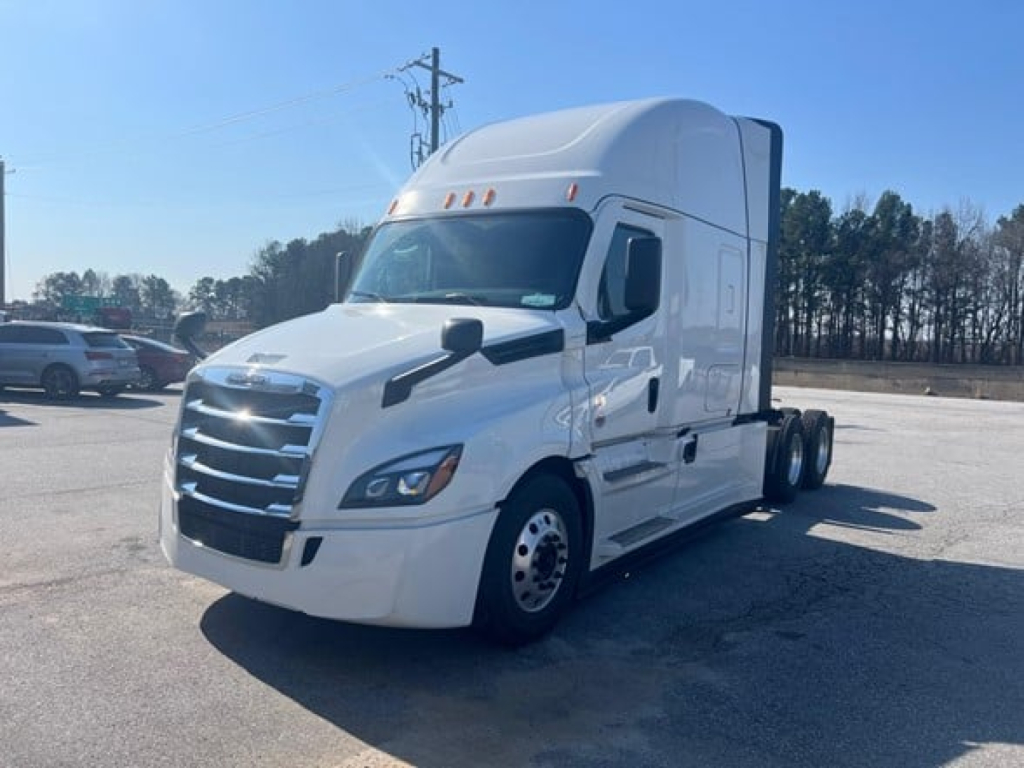
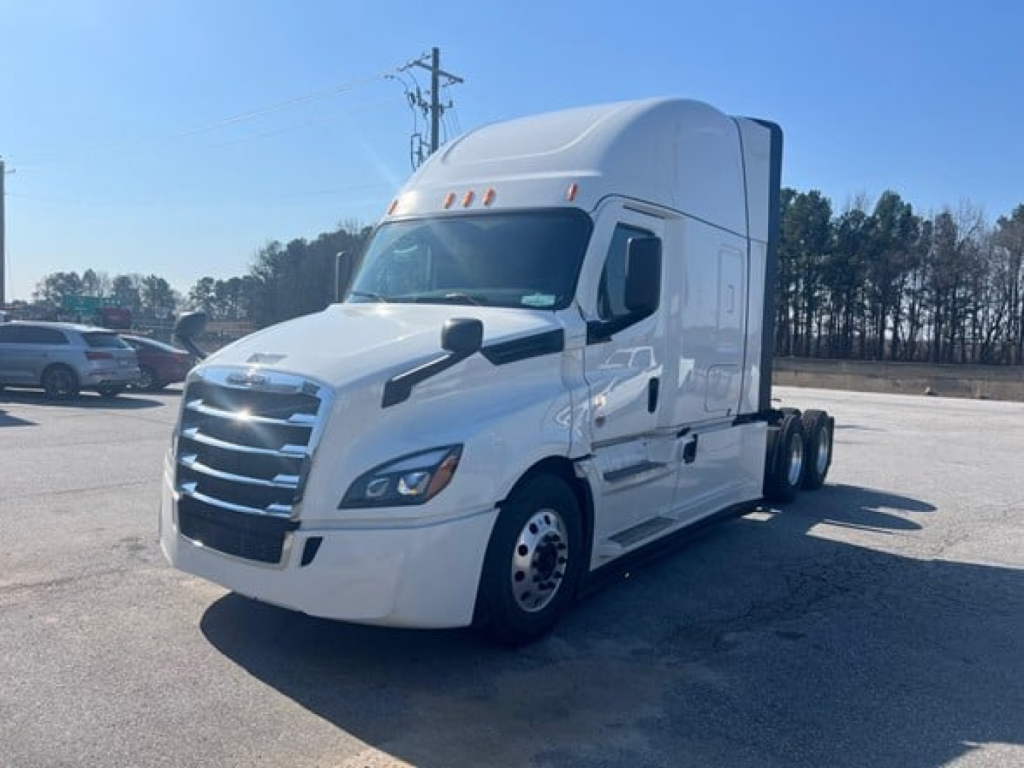
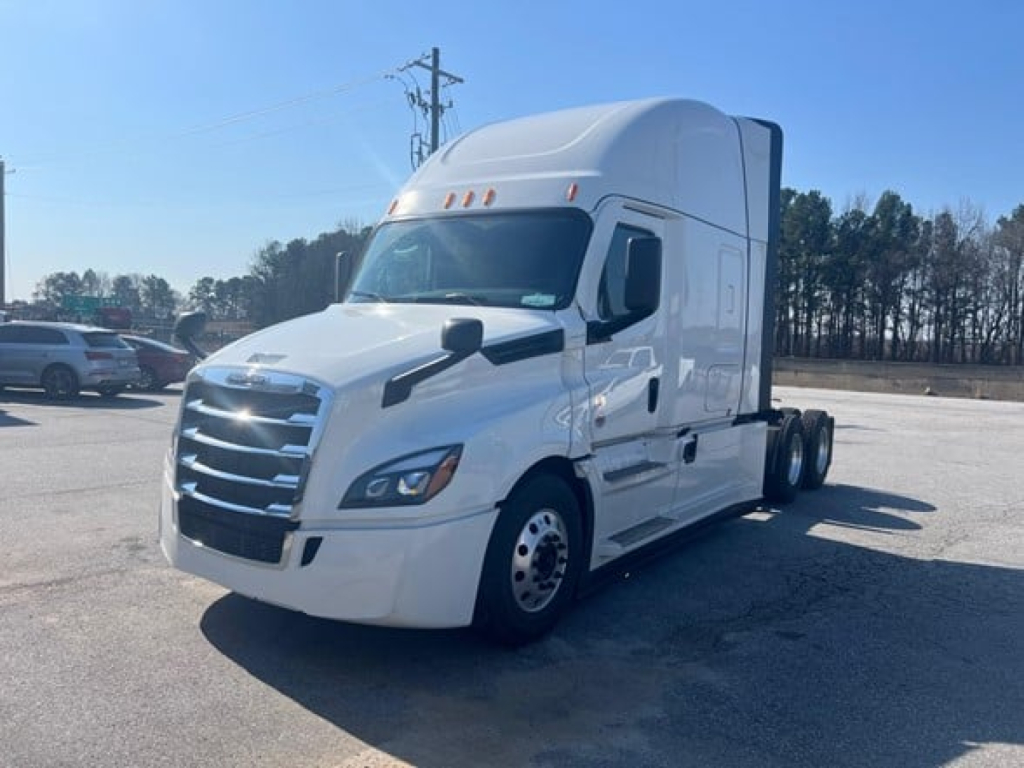
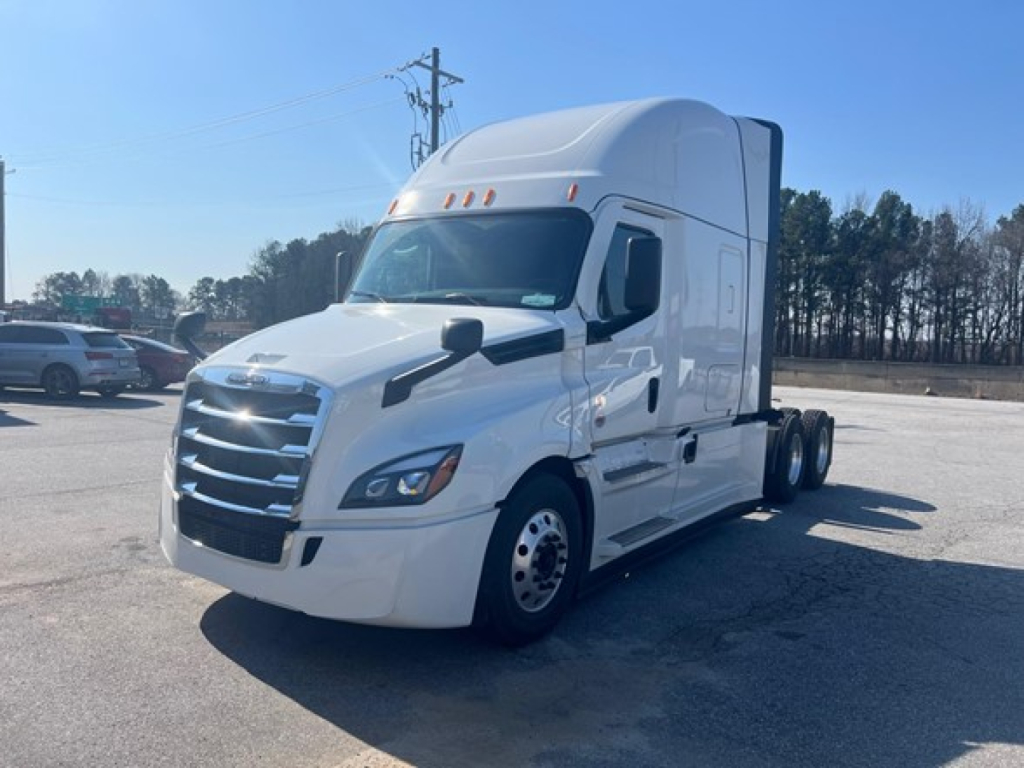
Have 2027 conventional sleeper truck to sell? List it here to reach thousands of buyers.
2027 Conventional Sleeper Trucks in Georgia
The first decision is usually sleeper size and roof height. Mid-roof sleepers can be a strong fit for regional fleets that still need overnight capability without the extra height and weight of a large condo setup. Raised-roof and larger sleeper packages make more sense for over-the-road use, team operations, and longer dwell times in the truck. Pay attention to bunk layout, mattress width, storage design, refrigerator prep, inverter capacity, APU or bunk heater provisions, and HVAC performance at idle. On newer highway trucks, factory driver-assist systems, collision mitigation, lane departure warning, and adaptive cruise are often part of the value equation just as much as the engine rating.
Spec details matter because a sleeper truck has to match the freight and trailer mix. Buyers should look closely at wheelbase, fifth wheel placement, front axle rating, rear axle ratio, suspension type, and kingpin setting compatibility. A fuel-efficient fleet spec may pair an aerodynamic chassis with a downsped drivetrain, automated transmission, and lower rear axle ratio for dry van and reefer lanes. Heavier or more vocational applications may call for a less aggressive ratio, different suspension, higher frame strength, or a platform like a premium long-hood conventional. Fuel tank capacity, fairing condition, tire package, and idle management equipment also affect real operating cost.
For a 2027 model, the main advantage is current emissions hardware, updated safety electronics, and the latest OEM refinements in visibility, noise control, and telematics integration. Buyers comparing listings should look beyond make and model to verify engine family, transmission model, sleeper dimensions, warranty status, and any factory options that affect resale or serviceability. In Georgia, dealer network access, parts support along major lanes like I-75 and I-85, and compatibility with your shop's diagnostic tools can be just as important as purchase price. A well-matched conventional sleeper should lower cost per mile, keep drivers more comfortable on the road, and stay flexible across different trailer and route assignments.
Frequently Asked Questions about 2027 Conventional Sleeper Trucks in Georgia
What is a conventional sleeper truck used for?
A conventional sleeper truck is used for hauling freight on routes that require overnight stays, multi-day trips, or extended driver shifts. It combines a standard hooded tractor layout with a built-in sleeper compartment behind the cab. This makes it the most common configuration for long-haul dry van, reefer, dedicated contract freight, and many regional operations that need occasional overnight capability.
What specs matter most when buying a 2027 conventional sleeper truck?
The most important specs are engine horsepower and torque, transmission type, rear axle ratio, wheelbase, axle ratings, sleeper size, and fuel capacity. Buyers should also review driver-assistance features, idle management equipment, HVAC performance, and any factory warranty coverage. The right combination depends on trailer type, average gross weight, terrain, and whether the truck will run regional or over-the-road lanes.
Is a mid-roof or raised-roof sleeper better?
A mid-roof sleeper is often better for regional fleets or operations that want lower height, slightly less weight, and enough bunk space for occasional overnights. A raised-roof sleeper is usually better for over-the-road applications because it offers more standing room, storage, and living comfort for longer trips. The better choice depends on how many nights the driver spends in the truck and how important interior space is to retention and productivity.
Are automated manual transmissions standard in modern sleeper tractors?
Automated manual transmissions are now common in modern sleeper tractors because they improve fuel economy, reduce driver fatigue, and help standardize fleet performance. Many buyers prefer them for highway applications, especially when paired with downsped drivetrains. Manual transmissions still have a place in some specialized or heavy-duty operations, but most late-model conventional sleepers are spec'd with an AMT.
What should Georgia buyers pay attention to on sleeper truck specs?
Georgia buyers should pay close attention to cooling performance, insulation, idle comfort equipment, and dealer support across major Southeast freight corridors. Trucks running heavy interstate miles in warm weather benefit from strong HVAC systems, bunk heaters or APUs, and aerodynamic specs that help fuel economy at highway speed. Service access near Atlanta, Savannah, I-75, and I-85 can also affect uptime and repair planning.