
2026 Conventional Sleeper Trucks For Sale in Georgia
Shop 2026 conventional sleeper trucks in Georgia. Compare raised-roof highway tractors built for long-haul comfort, fuel economy, and uptime.
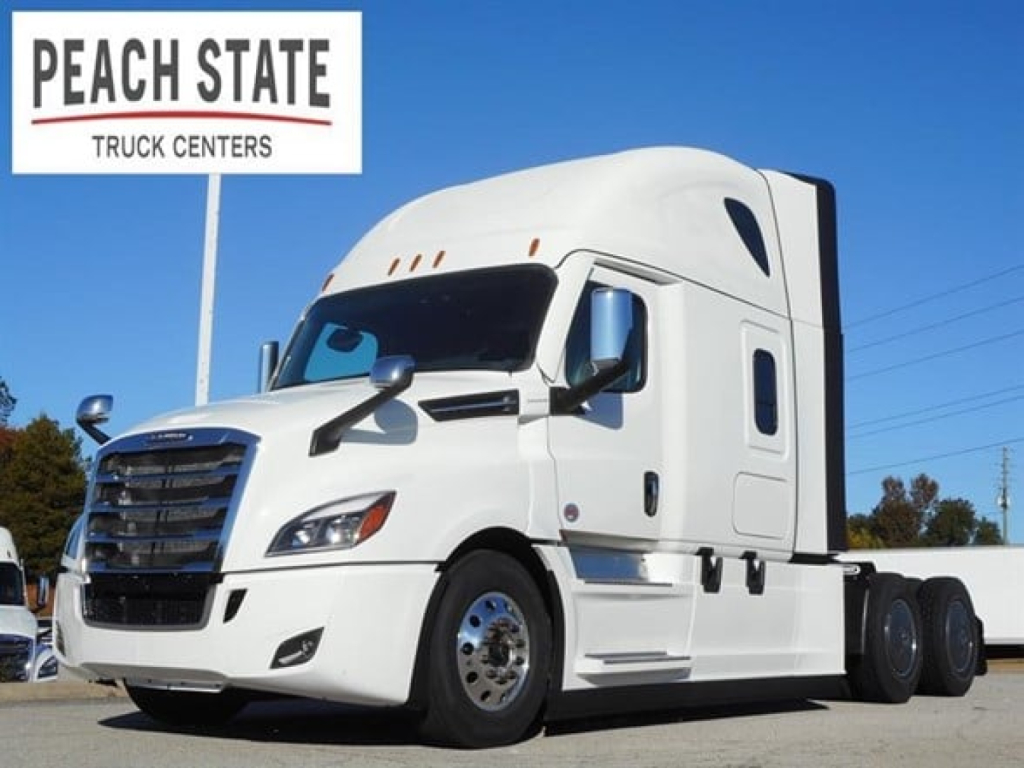
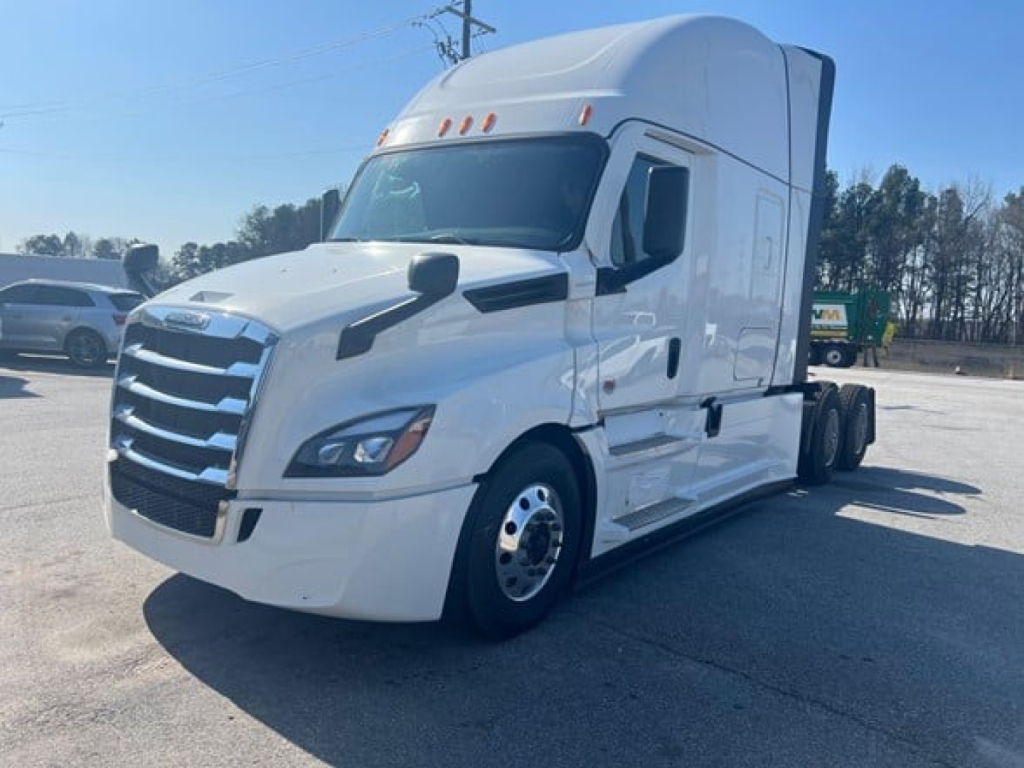
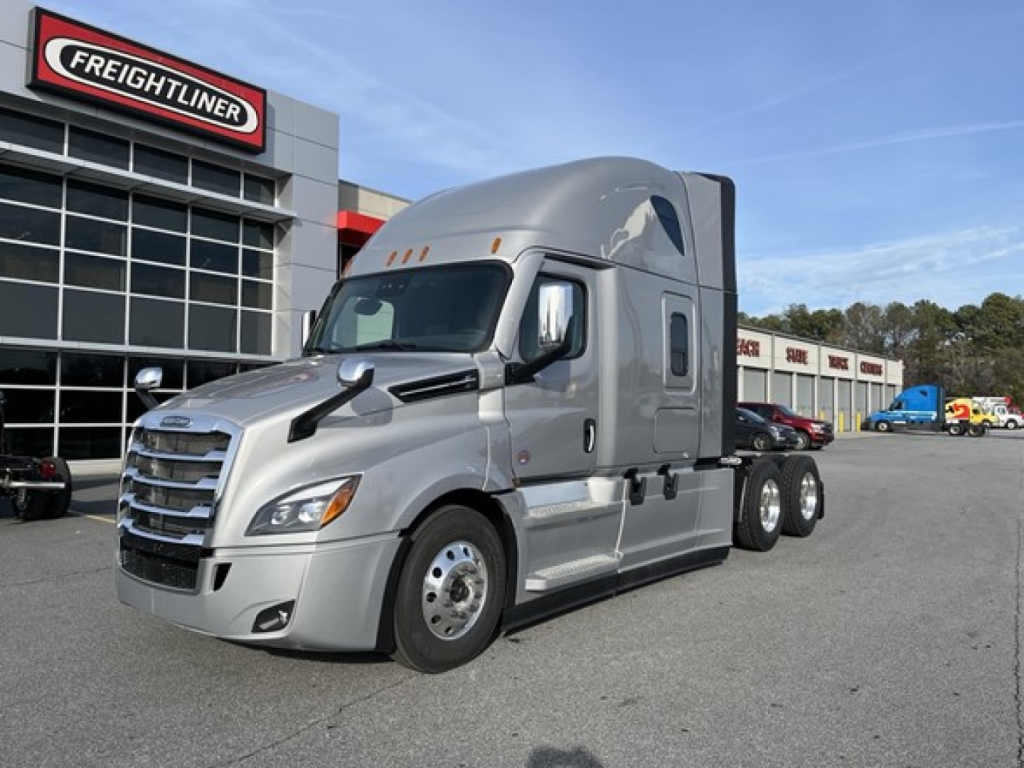
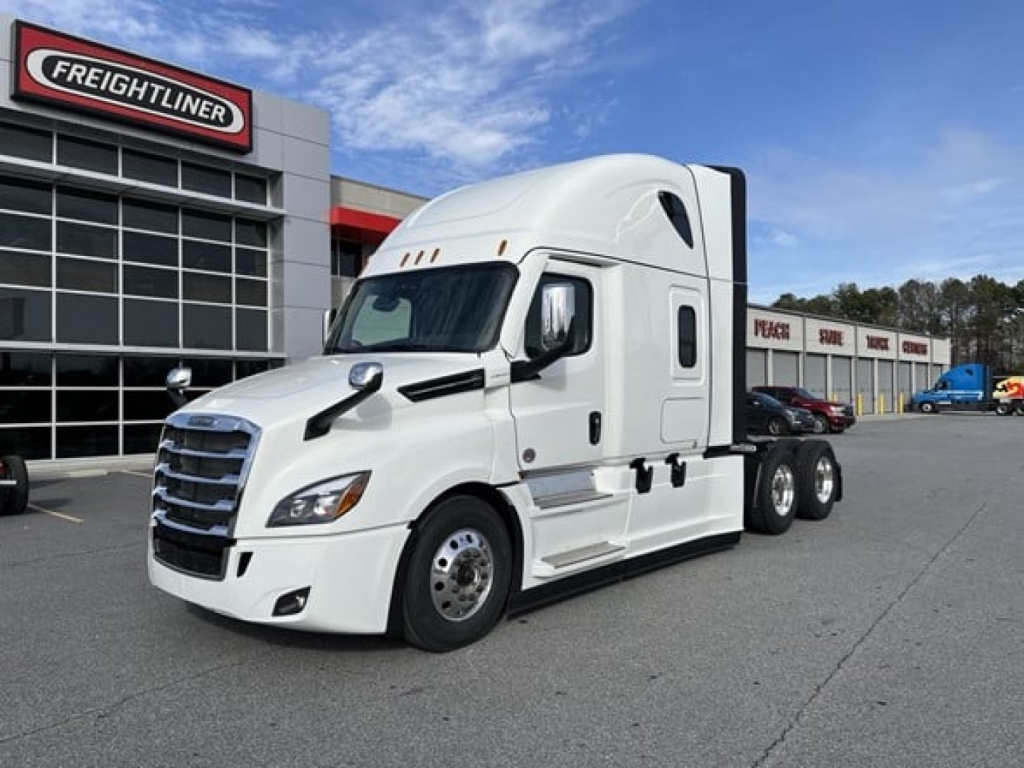
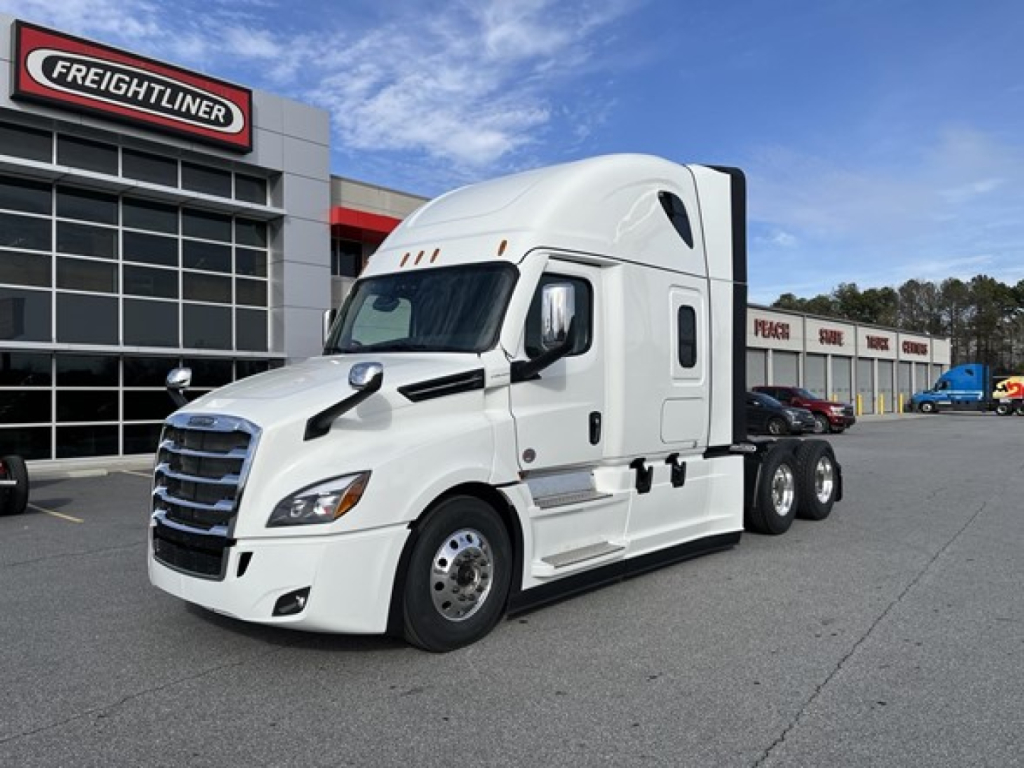
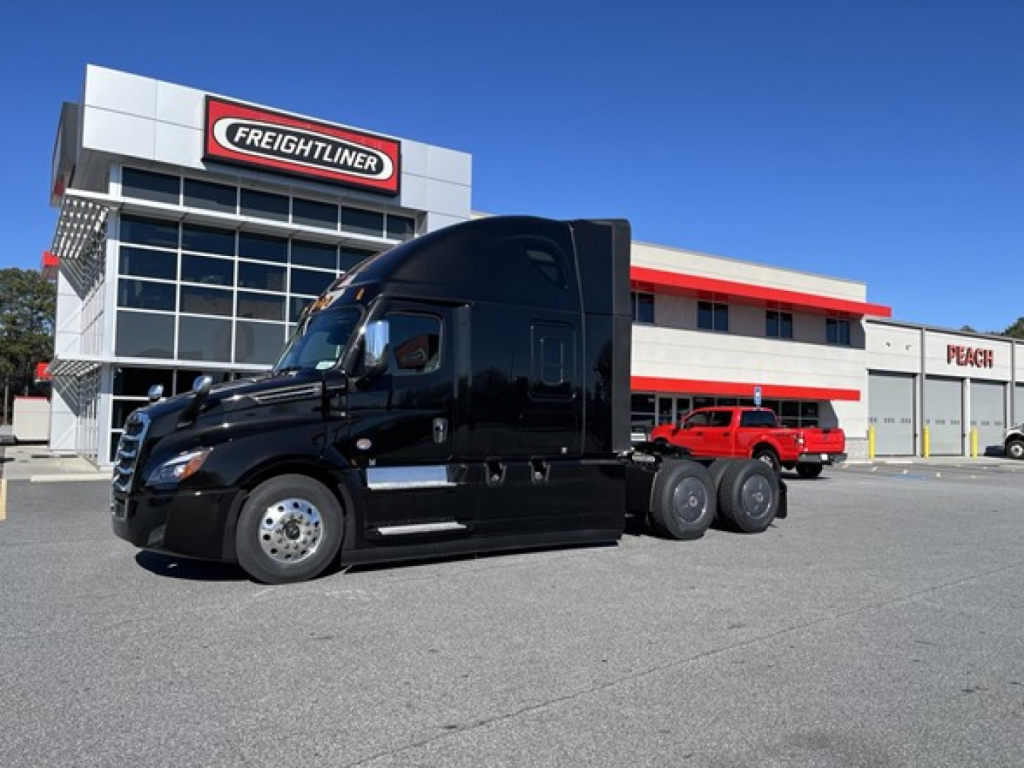
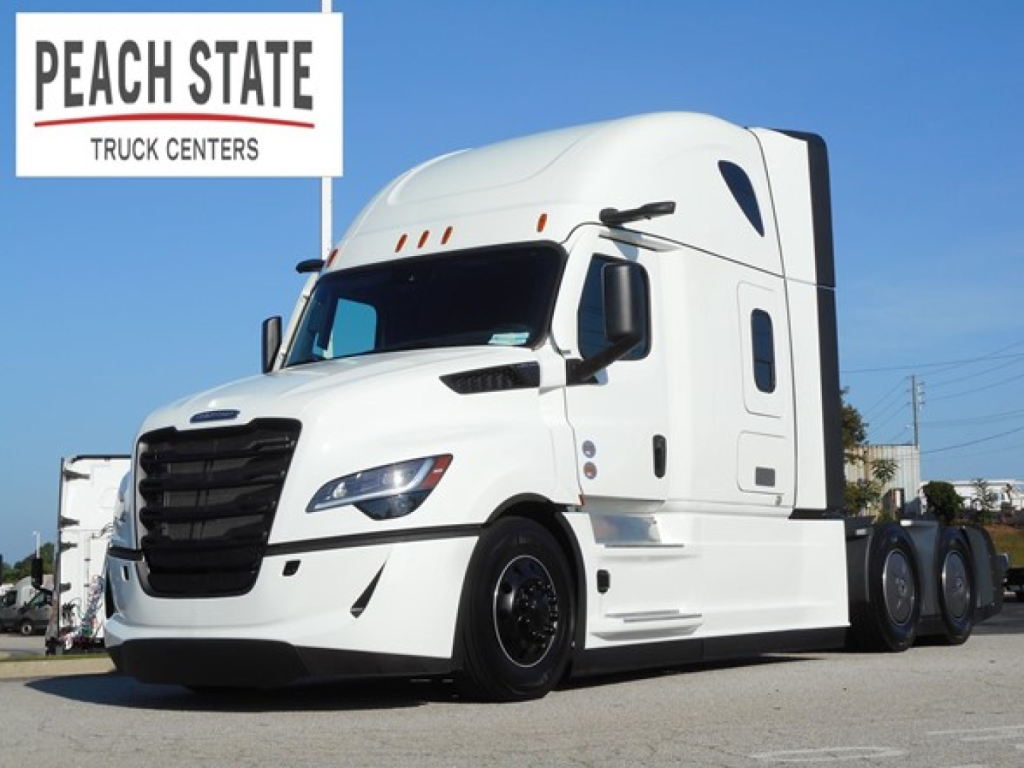
Have 2026 conventional sleeper truck to sell? List it here to reach thousands of buyers.
2026 Conventional Sleeper Trucks in Georgia
The first buying decision is usually the powertrain. Most conventional sleepers in this model year are spec'd with engines in the 400 to 505 horsepower range and torque ratings from about 1,550 to 1,850 lb-ft, typically matched to an automated manual transmission such as a 12-speed. That combination suits van, reefer, and general freight operations while helping with fuel economy and driver acceptance. Buyers should look closely at rear axle ratio, wheelbase, and suspension rating because those specs determine startability, cruise RPM, and how well the truck matches its trailer mix and typical gross combination weight.
Sleeper size and cab equipment matter more than many buyers expect. Common configurations include 60-inch to 80-inch sleepers, with 72-inch raised-roof layouts being especially popular for long-haul fleets. Features like double bunks, bunk heaters, battery HVAC, APUs, factory refrigerators, inverters, and collision mitigation systems can make a real difference in driver retention and idle reduction. Aerodynamic packages, fairings, wheel covers, and integrated powertrain controls also help lower fuel burn on Southeast interstate routes where trucks spend long hours at highway speed.
A strong 2026 conventional sleeper spec should also be evaluated for serviceability and resale. Buyers often focus on engine make, transmission type, emissions warranty status, safety technology, and the availability of dealer support along major Georgia freight corridors. Check for practical items such as fuel capacity, fifth wheel setup, tire and wheel material, and whether the truck has the right sleeper and PTO provisions for the intended application. For dry van, refrigerated freight, and dedicated lane work, a well-matched conventional sleeper truck remains one of the most versatile and cost-effective choices in the Class 8 market.
Frequently Asked Questions about 2026 Conventional Sleeper Trucks in Georgia
What is a conventional sleeper truck used for?
A conventional sleeper truck is primarily used for regional and long-haul freight where the driver needs overnight accommodations built into the tractor. It is the standard Class 8 highway tractor for pulling dry vans, reefers, and many flatbed or dedicated-route trailers. The sleeper compartment supports multi-day trips, while the aerodynamic conventional hood design is intended to balance fuel efficiency, service access, and driver comfort.
What horsepower is typical in a 2026 conventional sleeper?
Most 2026 conventional sleeper trucks are spec'd in the 400 to 505 horsepower range, with torque commonly falling between 1,550 and 1,850 lb-ft. The right rating depends on the freight, terrain, and target cruise speed. A fleet pulling standard van freight on Southeast lanes may prioritize fuel economy with a mid-range horsepower spec, while heavier or time-sensitive operations may prefer more torque and a faster rear axle ratio.
What sleeper size is best for long-haul trucking?
For long-haul work, a 72-inch raised-roof sleeper is one of the most common and practical choices because it gives drivers enough room for rest, storage, and onboard amenities without overcomplicating the spec. Smaller sleepers can work for regional operations with fewer nights on the road, while larger premium sleepers are better suited to teams or specialized applications. The best choice depends on length of haul, driver turnover concerns, and how much onboard equipment the operation expects to carry.
Are automated transmissions common in conventional sleeper trucks?
Yes, automated manual transmissions are now common in conventional sleeper trucks because they improve driver consistency, reduce clutch wear, and help fleets manage fuel economy across mixed driver skill levels. A 12-speed automated transmission is a frequent spec in modern highway tractors. Buyers should still verify shift logic, maintenance history, and how the transmission is matched to axle ratio and engine torque, because the complete powertrain setup determines road performance.
What should buyers inspect on a conventional sleeper truck in Georgia?
Buyers in Georgia should pay close attention to cooling system condition, tire wear, brake life, emissions system health, and signs of excessive idle time because Southeast heat and high-mile highway use can affect those areas. It is also smart to review the sleeper equipment, including bunk heater, APU or battery HVAC, inverter, and refrigerator if installed. Along with the truck itself, confirm the wheelbase, fifth wheel position, and fuel capacity fit the intended trailer lengths and freight lanes.