
2020 Conventional Sleeper Trucks For Sale in Nebraska
Shop 2020 conventional sleeper trucks in Nebraska. Compare aero cabs, sleeper sizes, powertrain specs, axle ratios, and long-haul features.
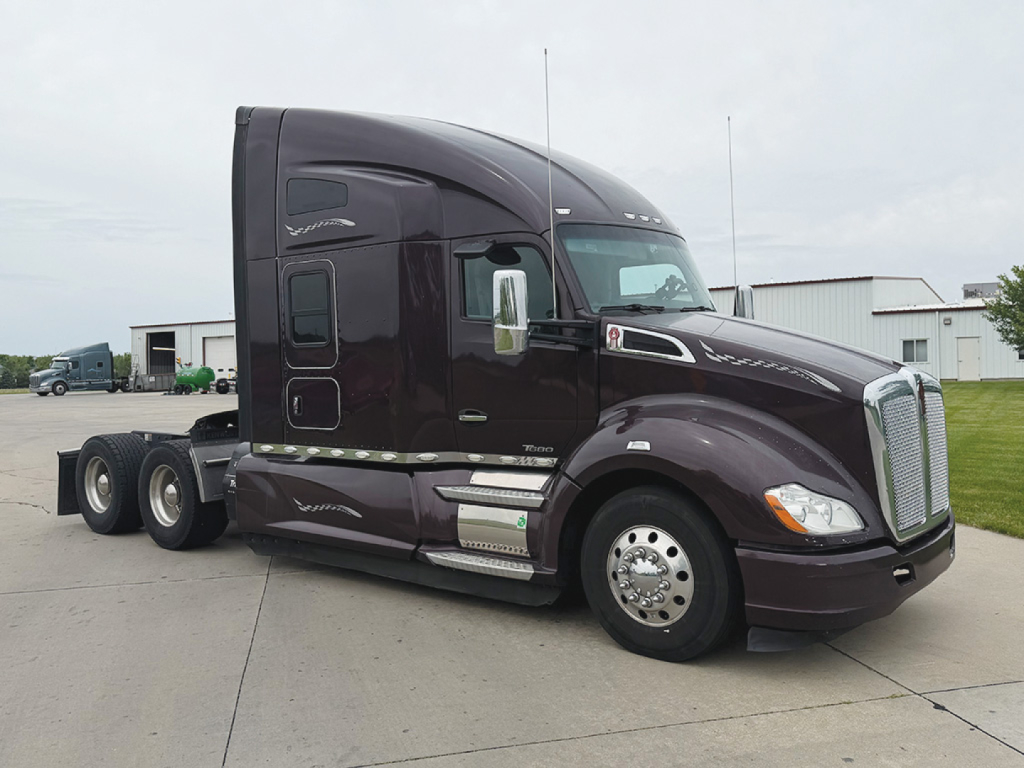
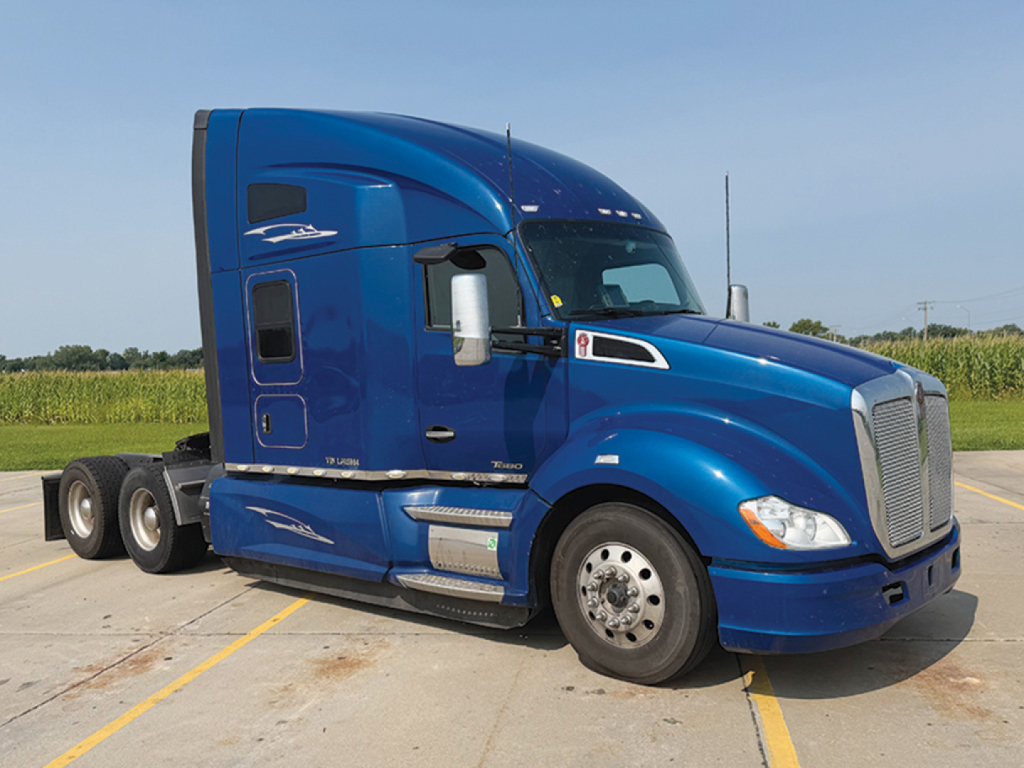
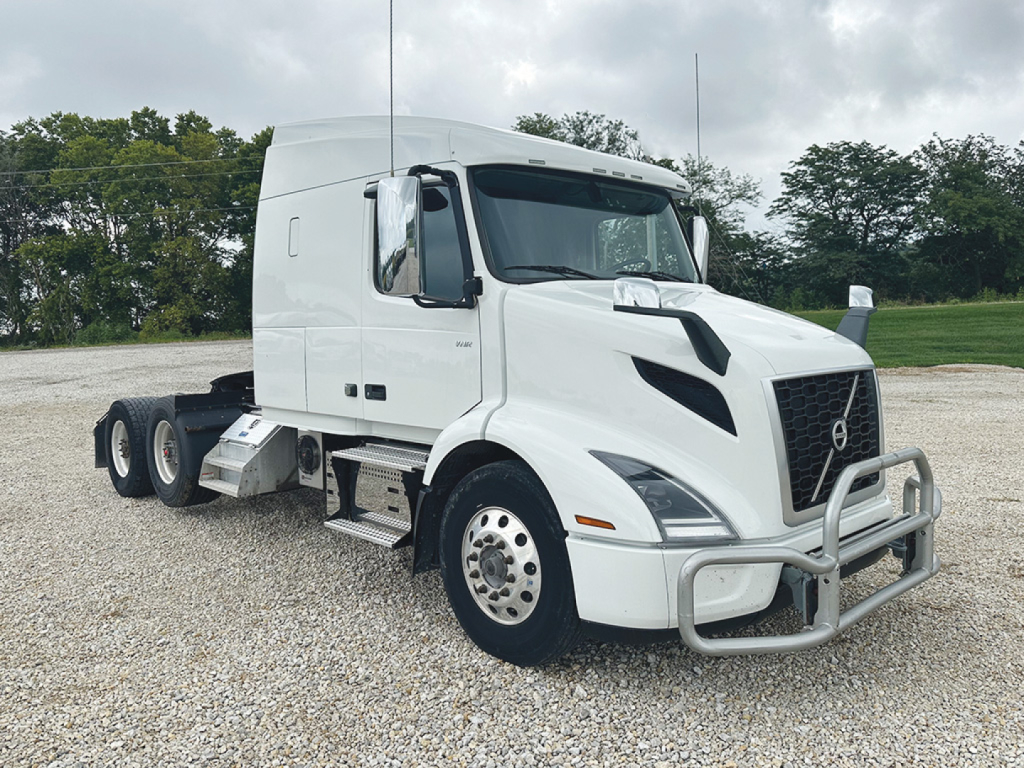
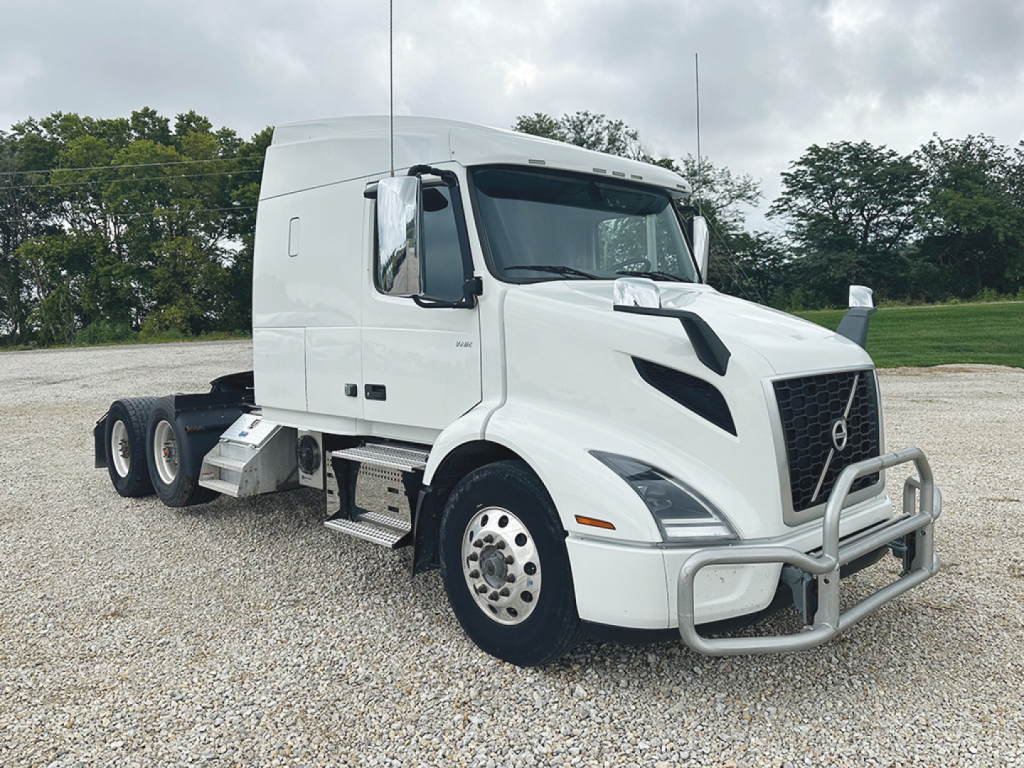
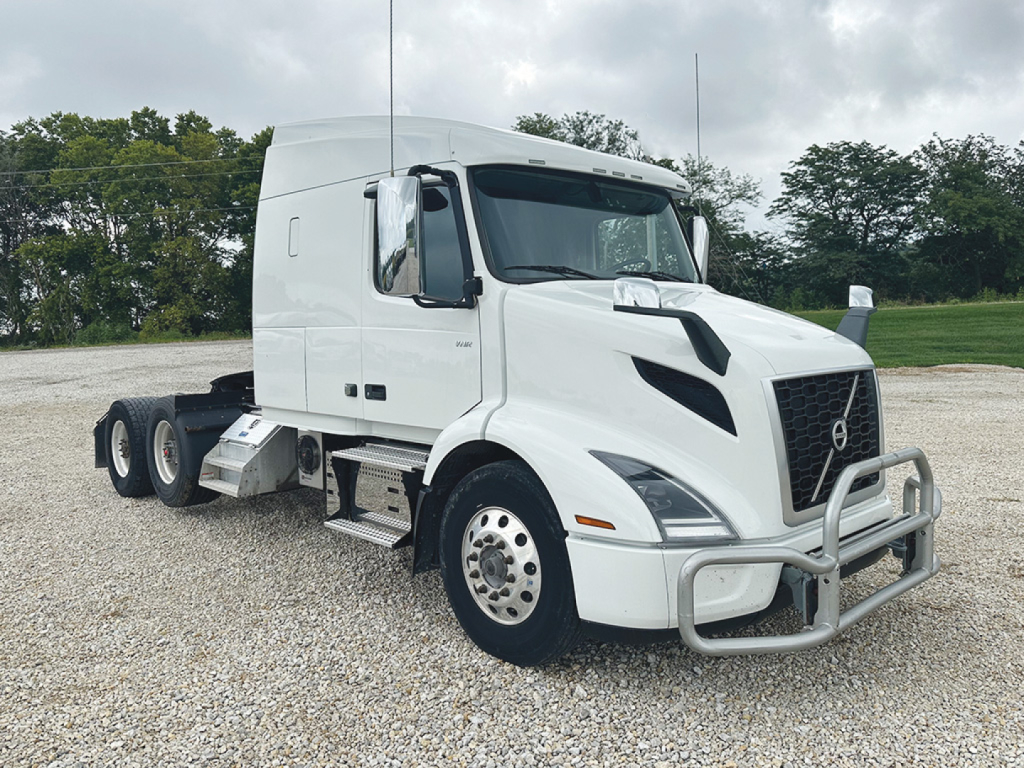
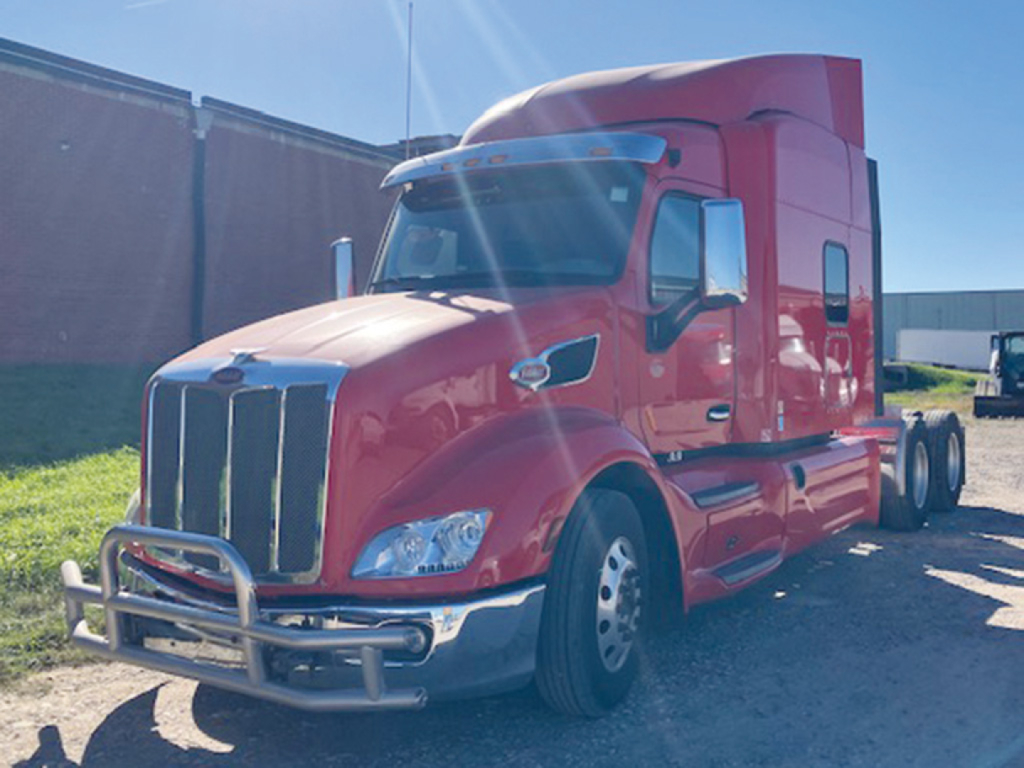
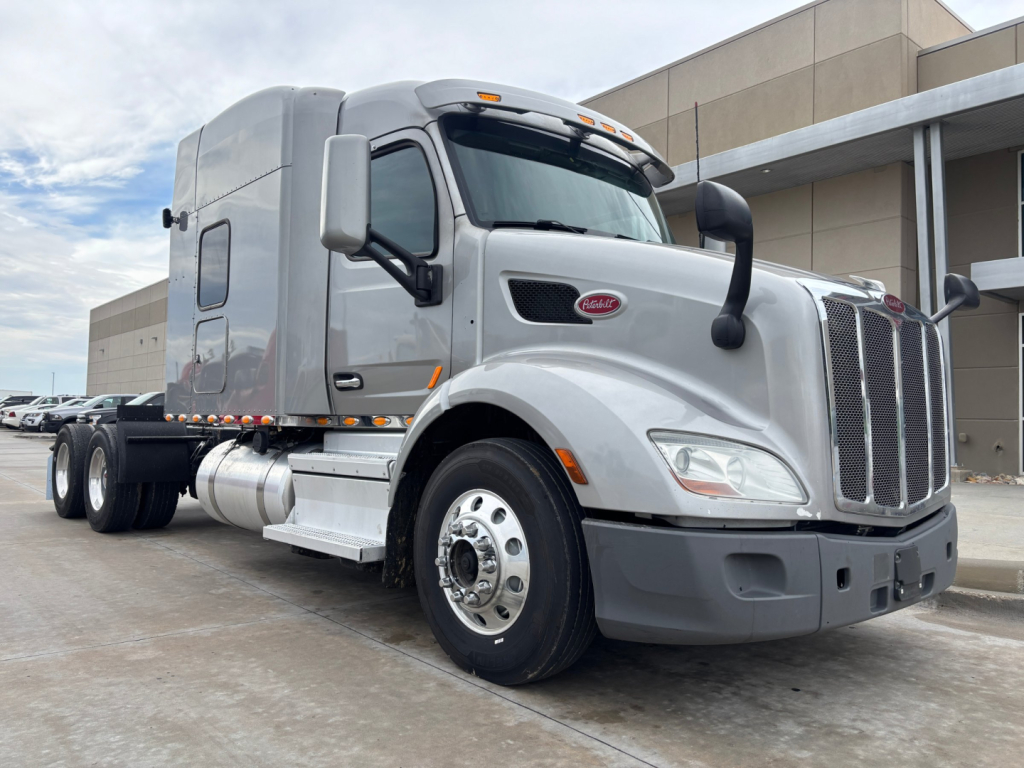

Selling a 2020 conventional sleeper truck? List your 2020 conventional sleeper truck for sale and reach thousands of commercial buyers.
2020 Conventional Sleeper Trucks in Nebraska
Powertrain spec is where a 2020 sleeper truck either fits the job or turns into a compromise. Common engine ratings in this class run from about 400 to 500 horsepower, with torque typically in the 1,650 to 1,850 lb-ft range. Detroit DD15, Cummins X15, Paccar MX-13, Volvo D13, and Navistar A26 are all common in this year range. Automated transmissions such as the DT12, Endurant, and I-Shift became standard in many fleets, though some buyers still target manuals for vocational crossover use or driver preference. Rear axle ratios often fall between 2.28 and 3.55, and that choice affects cruise RPM, gradeability, startability, and fuel burn. A truck geared for flat interstate freight in Nebraska will be very different from one expected to pull heavy loads through western grades or spend time on secondary roads.
Sleeper size and wheelbase deserve close attention because they drive both driver acceptance and operational flexibility. Mid-roof and high-roof sleepers in the 60- to 80-inch range are common, with options such as upper bunks, bunk heaters, refrigerators, inverters, workstations, and auxiliary power units. Wheelbases often land in the 220- to 240-inch range, depending on sleeper length, tank capacity, and fifth wheel placement. For buyers planning to pull a variety of trailer lengths, kingpin setting and air-slide fifth wheel travel matter as much as wheelbase. Fuel capacity, fairing design, and frame layout also affect how well a truck fits van, reefer, or dedicated contract freight.
A smart evaluation on a 2020 conventional sleeper goes beyond odometer reading. Check aftertreatment service history, transmission calibration records, overheads, coolant and oil analysis, and any fault history tied to emissions components or safety systems. Look at brake type, tire size, suspension spec, and whether the truck has disc brakes, adaptive cruise, tire pressure monitoring, or idle management equipment. In Nebraska, long stretches of interstate, winter weather, and crosswind exposure make stability, heater performance, and corrosion condition worth a careful inspection. The best 2020 sleeper truck is the one with a powertrain matched to your lanes, a sleeper layout your driver can live with, and a maintenance history that supports uptime instead of surprises.
Frequently Asked Questions about 2020 Conventional Sleeper Trucks in Nebraska
What engines are common in 2020 conventional sleeper trucks?
Common engines in 2020 conventional sleeper trucks include the Detroit DD15, Cummins X15, Paccar MX-13, Volvo D13, and Navistar A26. Most are rated between 400 and 500 horsepower, with torque commonly ranging from 1,650 to 1,850 lb-ft. The right engine depends on haul weight, terrain, cruise speed, and service network preference. Buyers should compare not just horsepower, but also emissions history, fuel economy reputation, and local dealer support.
Is an automatic or manual transmission better in a 2020 sleeper semi truck?
For most highway applications, an automated manual transmission is the better fit in a 2020 sleeper semi truck because it improves shift consistency, helps fuel economy, and broadens the driver pool. Manual transmissions still appeal to some owner-operators and fleets running heavier or more specialized work, especially where precise control is important. The key is to match the transmission to axle ratio, engine torque curve, and route profile rather than choosing by habit alone.
What sleeper size should I look for in a 2020 conventional sleeper truck?
Sleeper size should match the length of haul and how much time the driver spends in the truck. Mid-roof sleepers work well for shorter over-the-road runs and weight-conscious specs, while high-roof sleepers usually provide better standing room, storage, and comfort for extended trips. Features such as upper bunks, bunk heaters, refrigerators, APUs, and inverters can matter as much as sleeper length. A well-equipped 72-inch sleeper may fit the operation better than a larger sleeper with fewer amenities.
What axle ratio works best for a 2020 over-the-road sleeper truck?
A lower numerical axle ratio such as 2.28 to 2.64 is common for fuel-efficient linehaul work on flatter interstate routes, while ratios like 2.85 to 3.36 can be better for heavier freight, mixed terrain, or lower-speed operation. The best ratio depends on gross combination weight, tire size, transmission gearing, and target cruise speed. In a state like Nebraska, a fuel-minded highway spec is common, but buyers pulling heavier loads or running outside the Plains may want more starting power and hill performance.
What should I inspect first on a used 2020 conventional sleeper?
Start with maintenance records and fault history, then inspect the aftertreatment system, transmission operation, engine blow-by, coolant condition, brake wear, tire condition, and suspension components. Pay close attention to emissions repairs, software updates, and any signs of repeated downtime for sensors, DEF components, or DPF regeneration issues. Also verify sleeper accessories, HVAC performance, and fifth wheel function. A clean service history usually tells more than appearance alone.