
Used Conventional Daycab Trucks For Sale in North Carolina
Browse used conventional daycab trucks in North Carolina with specs for regional haul, port work, local delivery, and terminal operations.
Learn more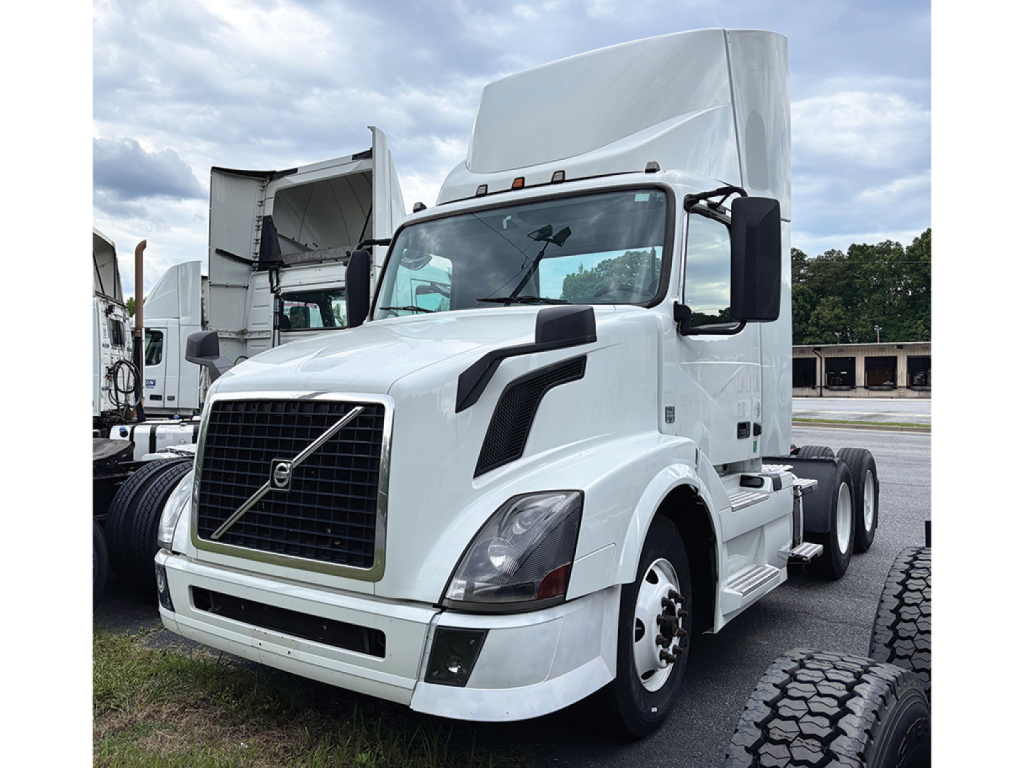
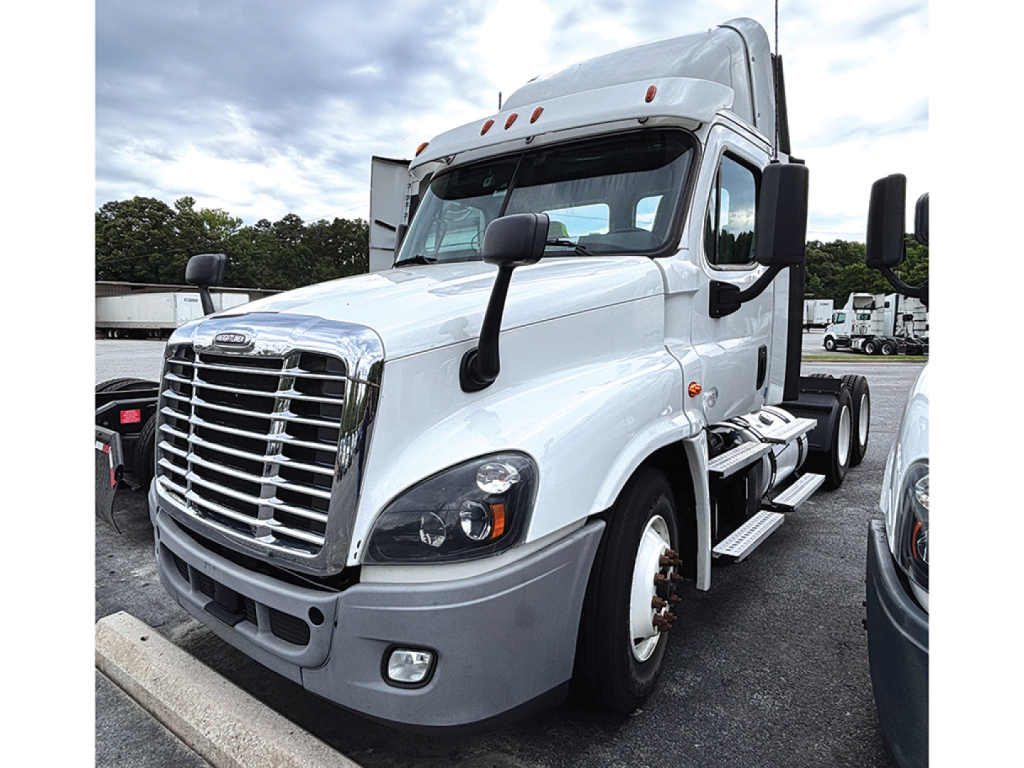

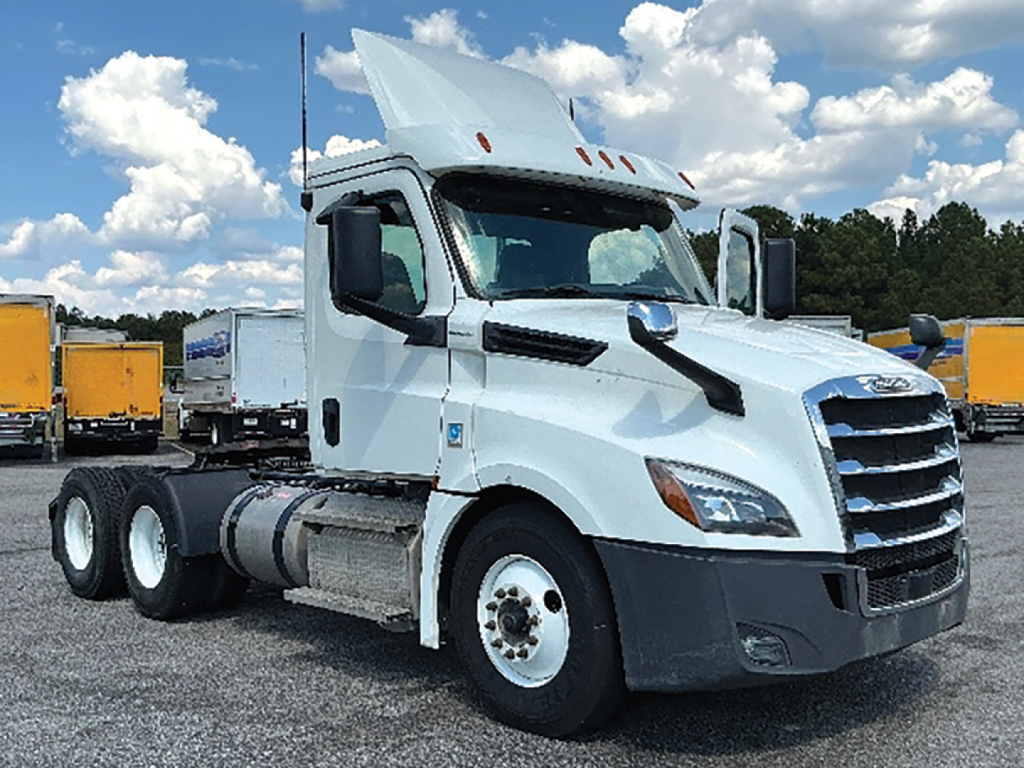
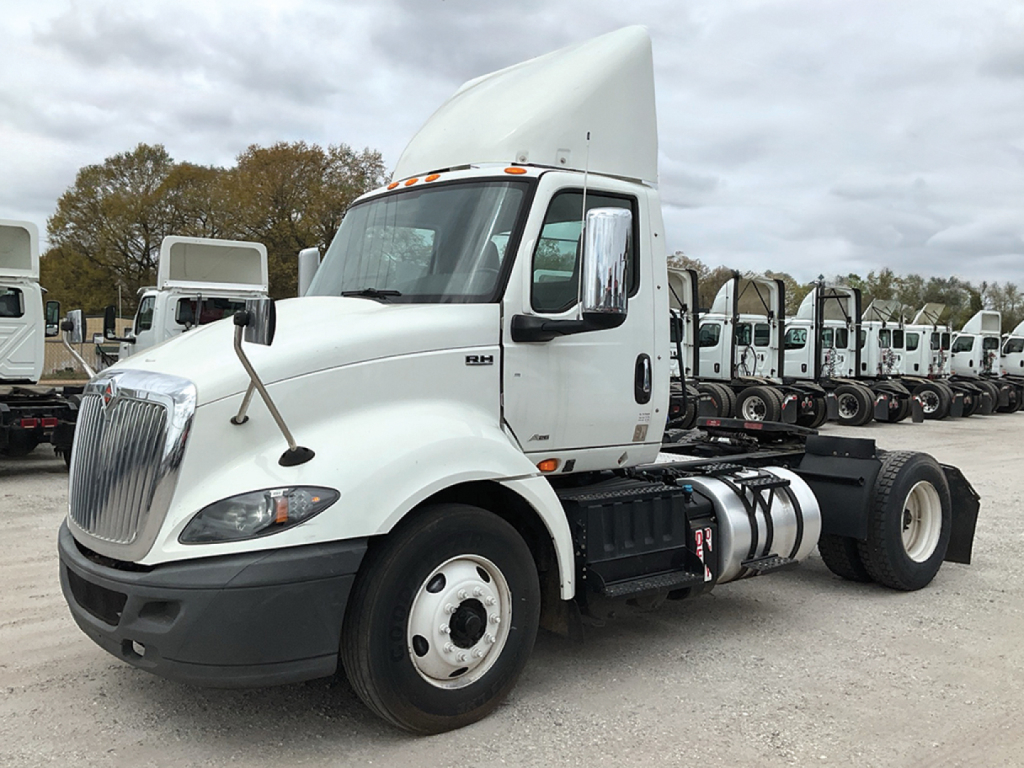
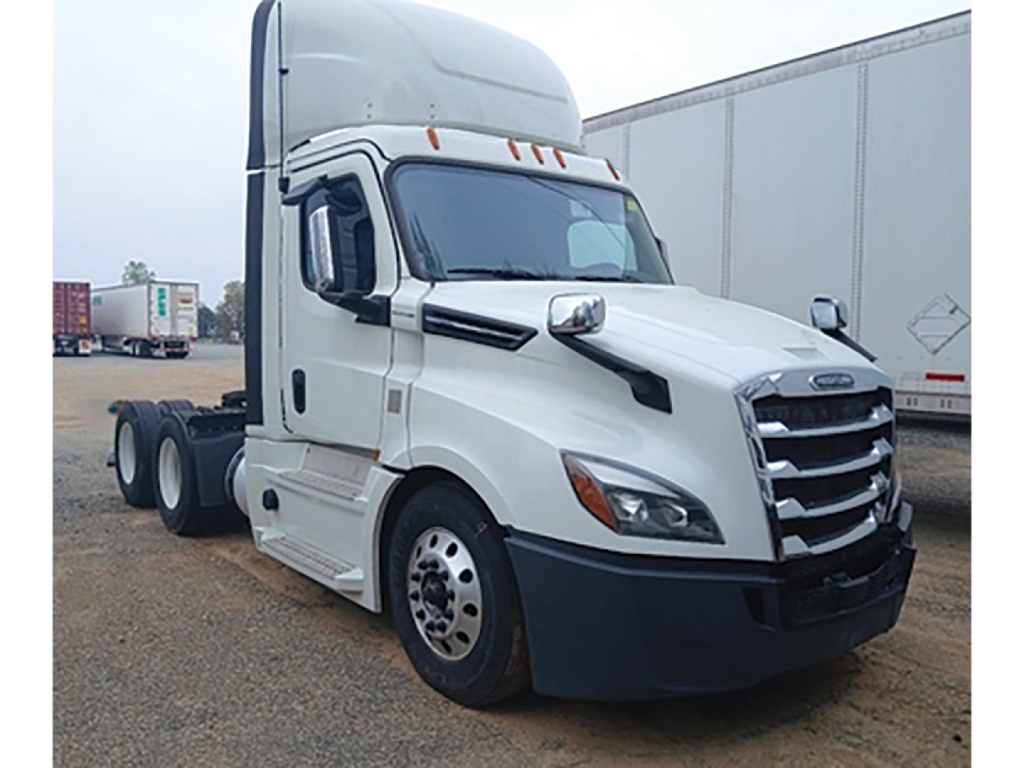
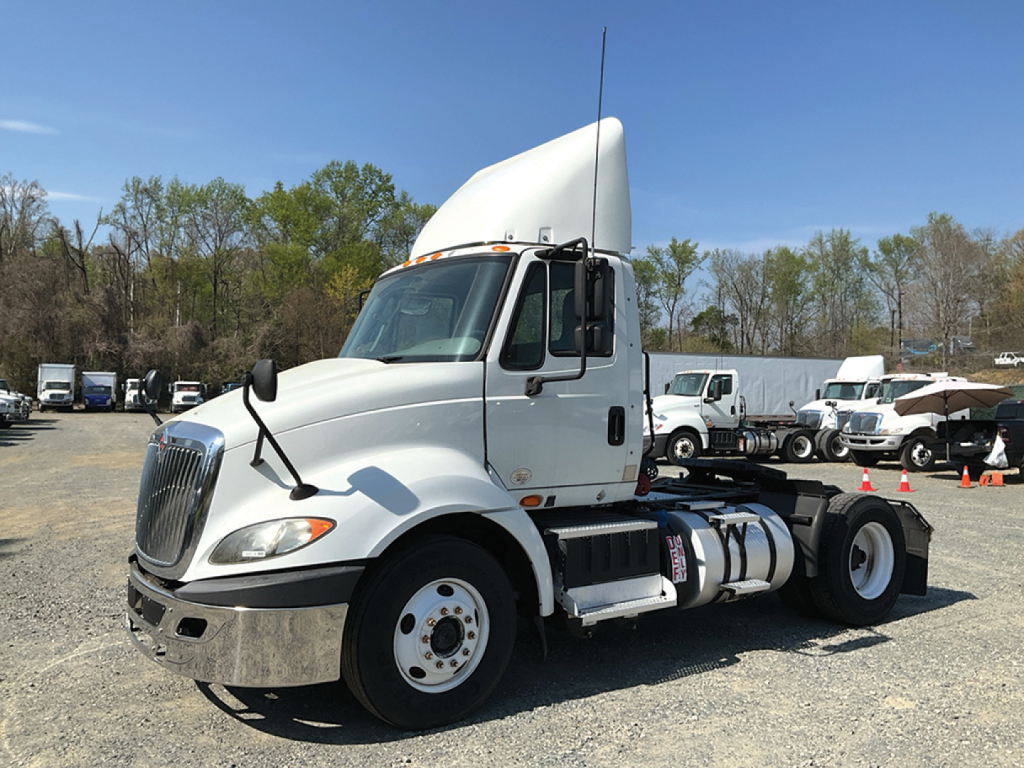
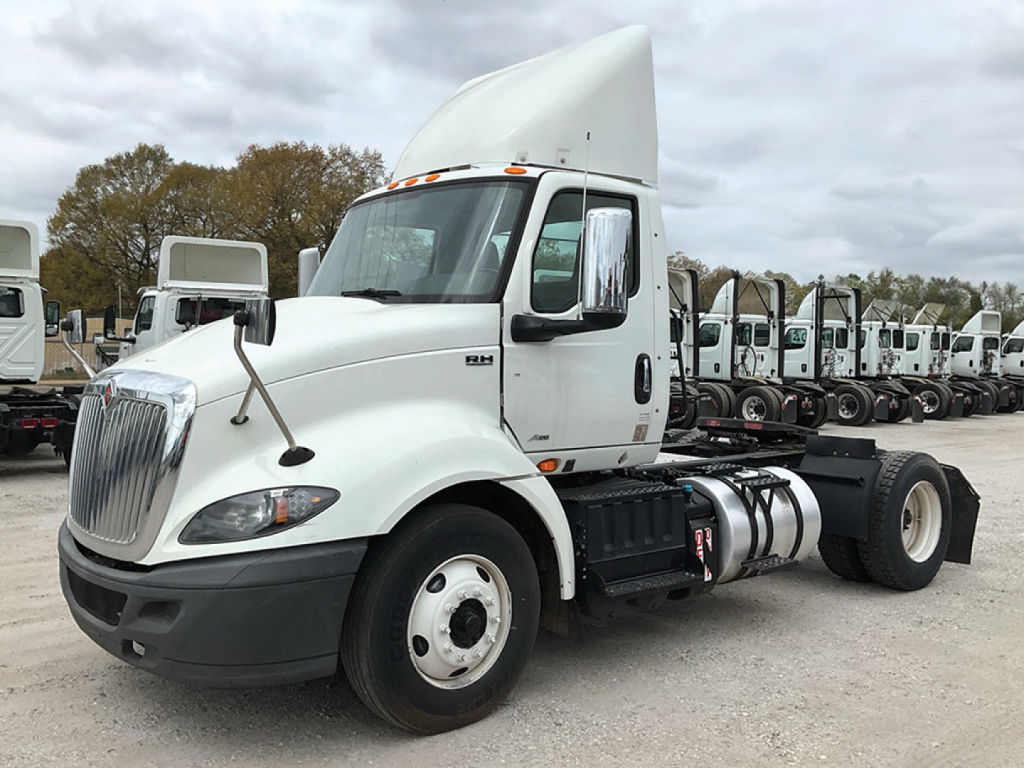
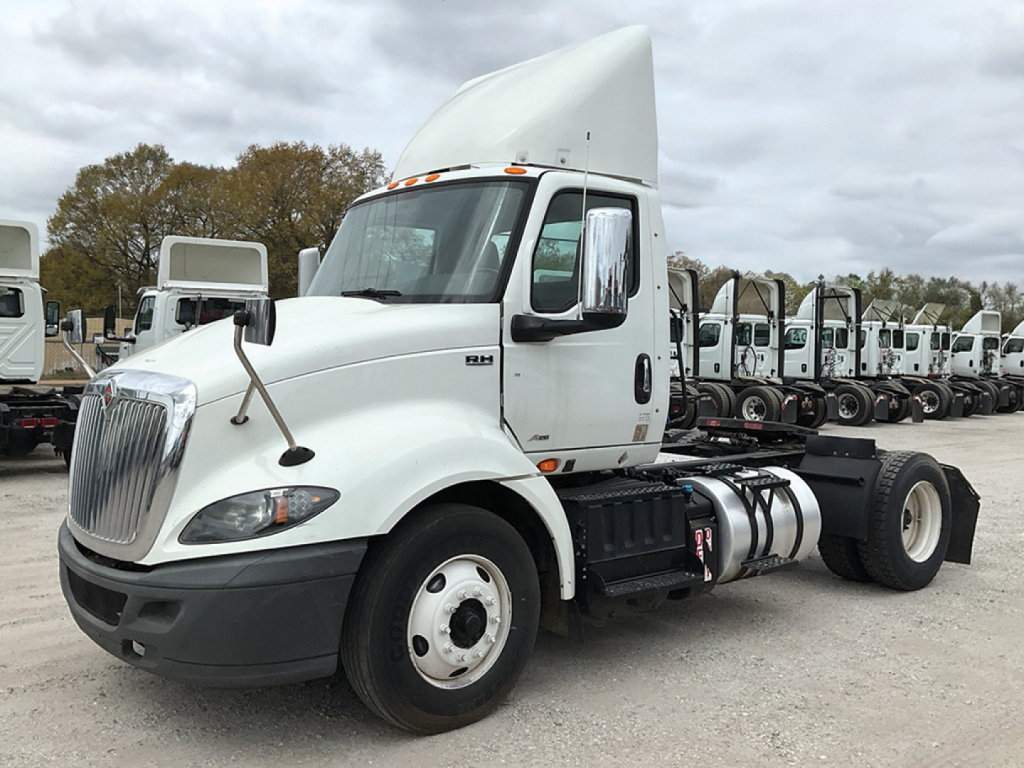
Showing 25 to 36 of 52 results
Have used conventional daycab truck to sell? List it here to reach thousands of buyers.
About Used Conventional Daycab Trucks in North Carolina
The biggest buying decisions usually come down to axle setup, wheelbase, engine rating, and transmission spec. A single-axle daycab can make sense for lighter regional freight and lower operating cost, while a tandem-axle truck with 40,000-pound rears is more appropriate for heavier van, flatbed, tanker, or container work. Many late-model used daycabs are spec'd with 425 to 450 horsepower diesel engines, automated manual transmissions such as Volvo I-Shift or Detroit DT12, and rear axle ratios in the 2.79 to 3.42 range. That combination is aimed at balancing launch performance, cruise rpm, fuel economy, and route flexibility. Wheelbase matters more than many buyers expect. A shorter wheelbase helps in urban docks and tight yards, while a longer wheelbase may ride better and allow room for fuel capacity, headache racks, or other frame-mounted equipment.
Cab and chassis details can tell you a lot about the truck's intended job. Adjustable or air-slide fifth wheels help when trailer lengths and kingpin settings vary. A pintle hook points to mixed-use fleet work or utility trailer pulling. Roof fairings, cab extenders, and side fairings are useful for van and reefer service, but they may matter less in low-speed local applications. Disc brakes, engine brakes, collision mitigation systems, and air ride suspension are now common on better-spec used conventional daycabs and can improve driver acceptance as well as control operating costs. Buyers should also look closely at tire size, wheel material, fuel tank configuration, exhaust routing, and any signs the frame has been drilled or modified for prior vocational use.
For a used daycab, application history is as important as badge or model. A truck that spent its life on steady regional lanes may show different wear than one used in port drayage or city P&D service. Pay attention to idle hours, clutch life on manual units, aftertreatment history, suspension condition, brake type, and service records for the engine and transmission. If the truck will run North Carolina lanes with frequent traffic, mixed grades, and tight customer locations, a well-matched daycab spec can lower fuel burn, improve uptime, and keep drivers comfortable without carrying the extra weight and complexity of a sleeper.
Frequently Asked Questions
What is a conventional daycab truck used for?
A conventional daycab truck is a road tractor without a sleeper compartment, designed for local and regional hauling where the driver returns the same day. These trucks are widely used in drayage, LTL, dedicated retail delivery, tanker work, port service, and terminal-to-terminal freight. The shorter cab and lighter overall package can improve maneuverability, reduce empty weight, and lower acquisition cost compared with a sleeper tractor.
What should I look for when buying a used conventional daycab?
Start with the intended application, then match the truck's axle rating, wheelbase, horsepower, transmission, and rear axle ratio to that job. A buyer should also review engine hours, maintenance records, aftertreatment repairs, brake and suspension condition, tire wear, and any evidence of prior frame modifications. Features such as an adjustable fifth wheel, collision mitigation, disc brakes, and air ride suspension can add value depending on the route and trailer mix.
Is a single-axle or tandem-axle daycab better?
A single-axle daycab is often the right choice for lighter payloads, urban delivery, and operations focused on lower weight and lower operating cost. A tandem-axle daycab is better suited for heavier freight, higher GCW requirements, and more demanding regional or highway work. The correct choice depends on trailer type, legal weight, terrain, and how often the truck needs to maneuver in tight spaces.
Are automated manual transmissions common in used daycab trucks?
Yes. Automated manual transmissions are now very common in late-model used conventional daycabs, especially in regional and fleet service. Systems such as Volvo I-Shift and Detroit DT12 are popular because they help standardize driver performance, reduce clutch-related wear, and improve fuel economy when paired with the right rear axle ratio. Buyers should still confirm service history and software update records, because transmission calibration and maintenance affect drivability.
Why does wheelbase matter on a daycab tractor?
Wheelbase affects turning radius, ride quality, trailer clearance, fuel tank space, and how the truck handles different fifth wheel positions. A shorter wheelbase is usually easier to place at crowded docks, in terminal yards, and on city routes. A longer wheelbase may provide a smoother ride and more room for dual fuel tanks, fairings, or specialty equipment, but it can be less nimble in tight North Carolina urban and port environments.