
Used 2020 Conventional Daycab Trucks For Sale in North Carolina
Browse used 2020 conventional daycab trucks in North Carolina. Compare specs, wheelbase, axle setups, engines, and fifth wheel options.
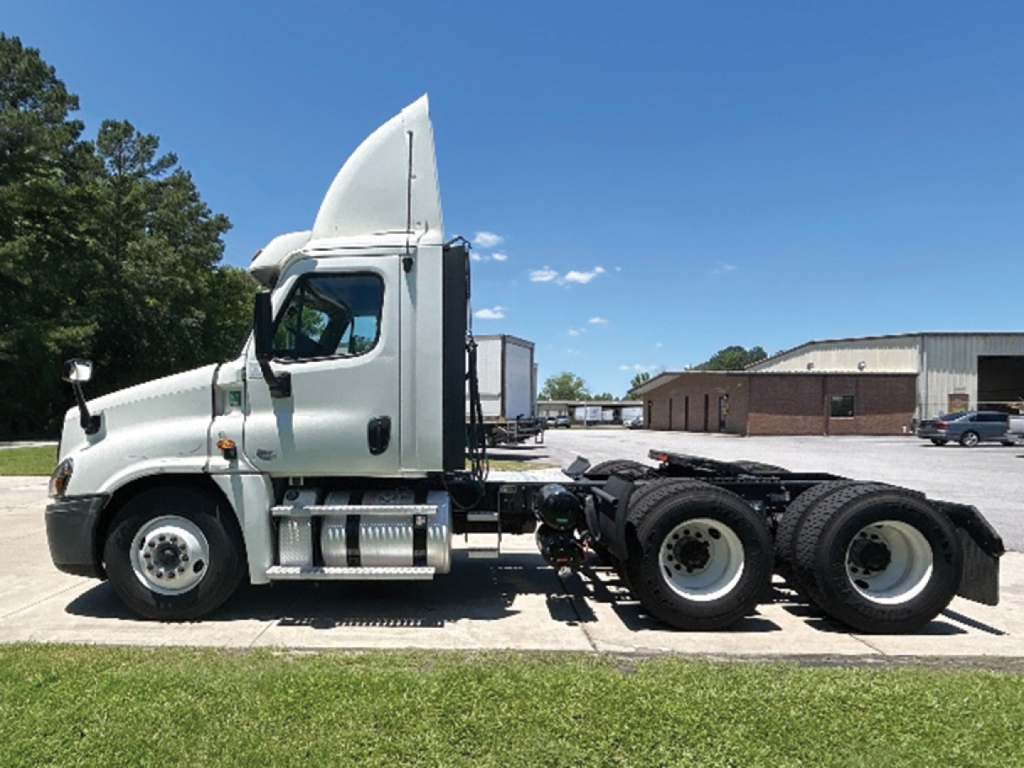
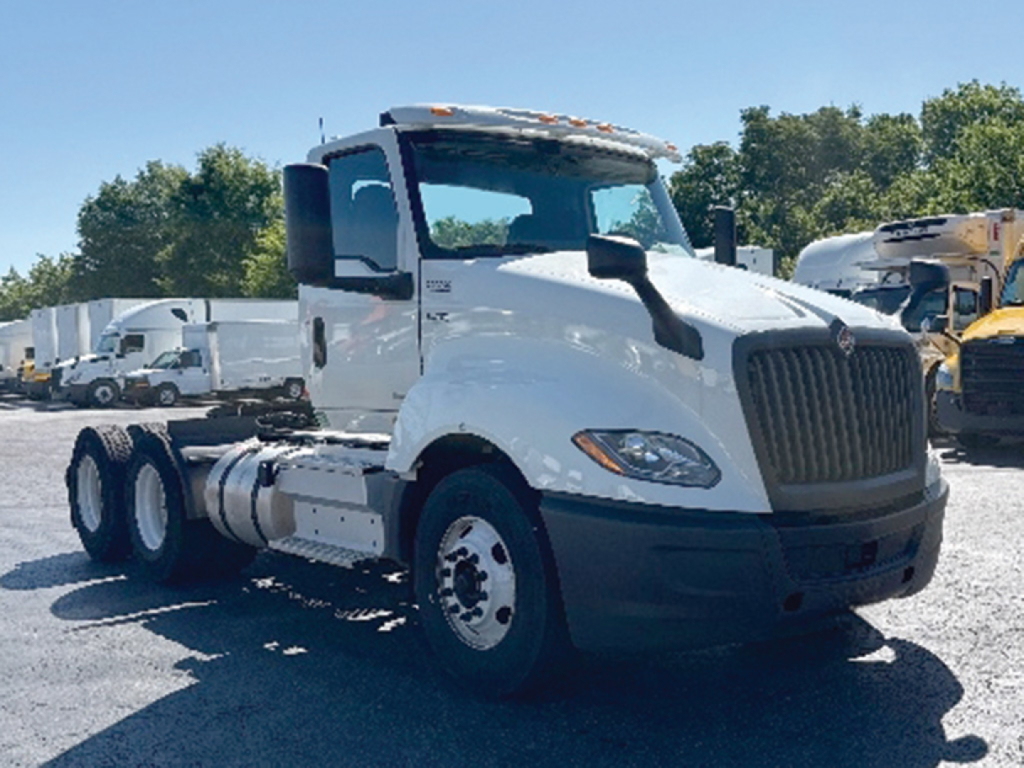
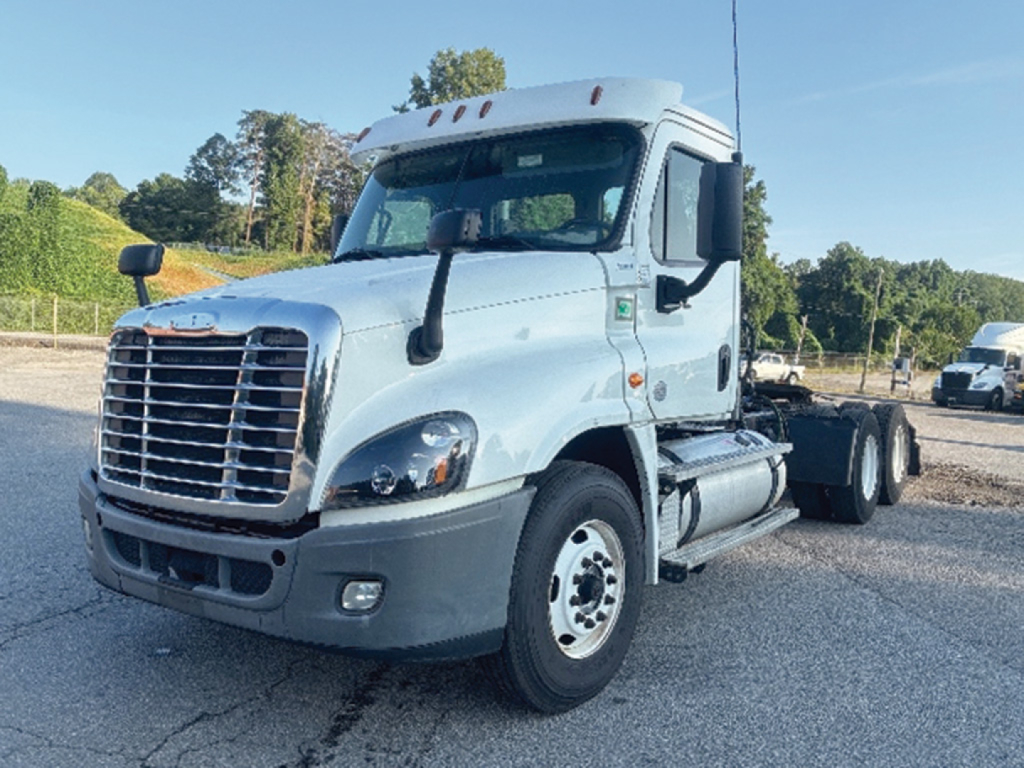
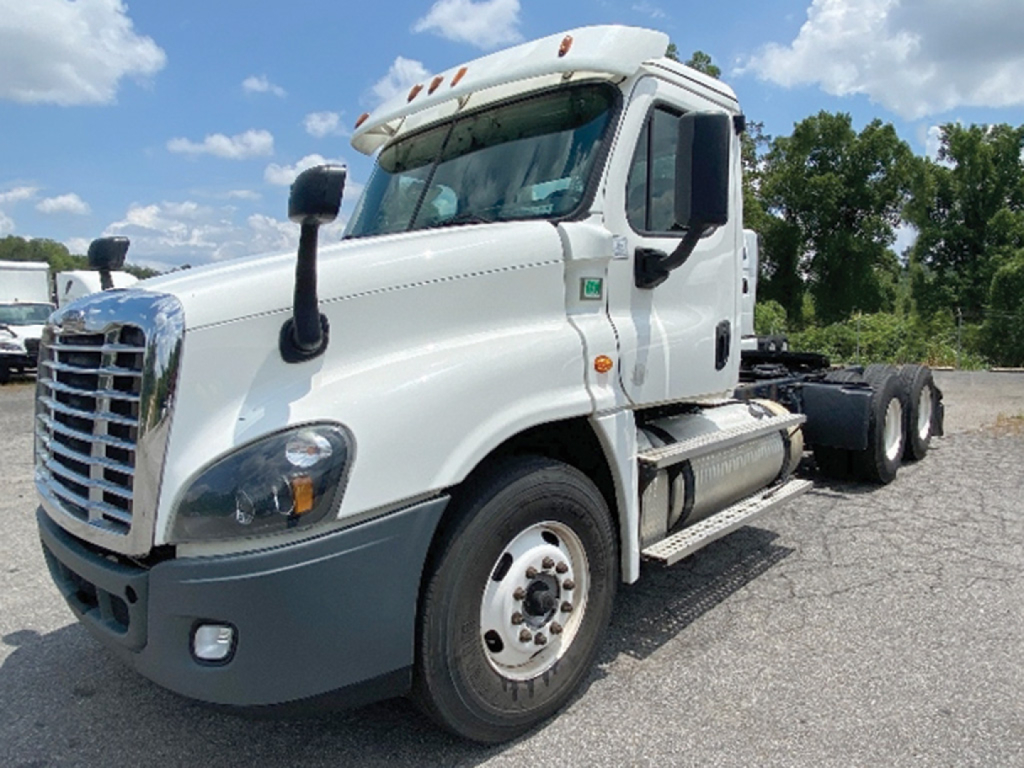
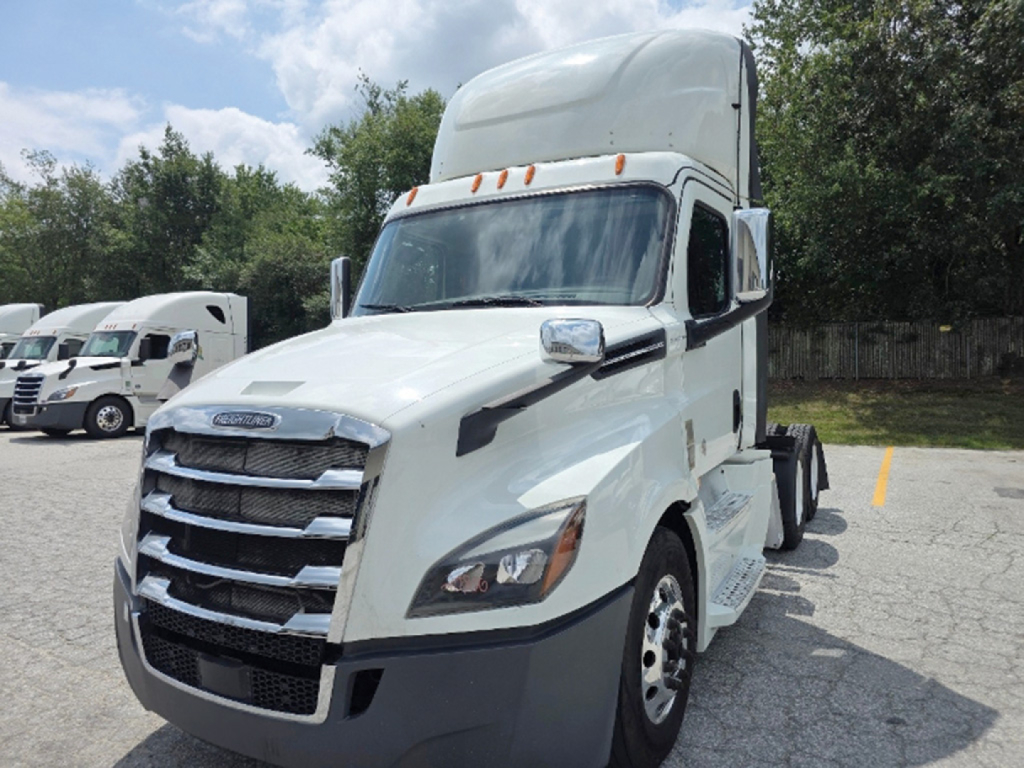
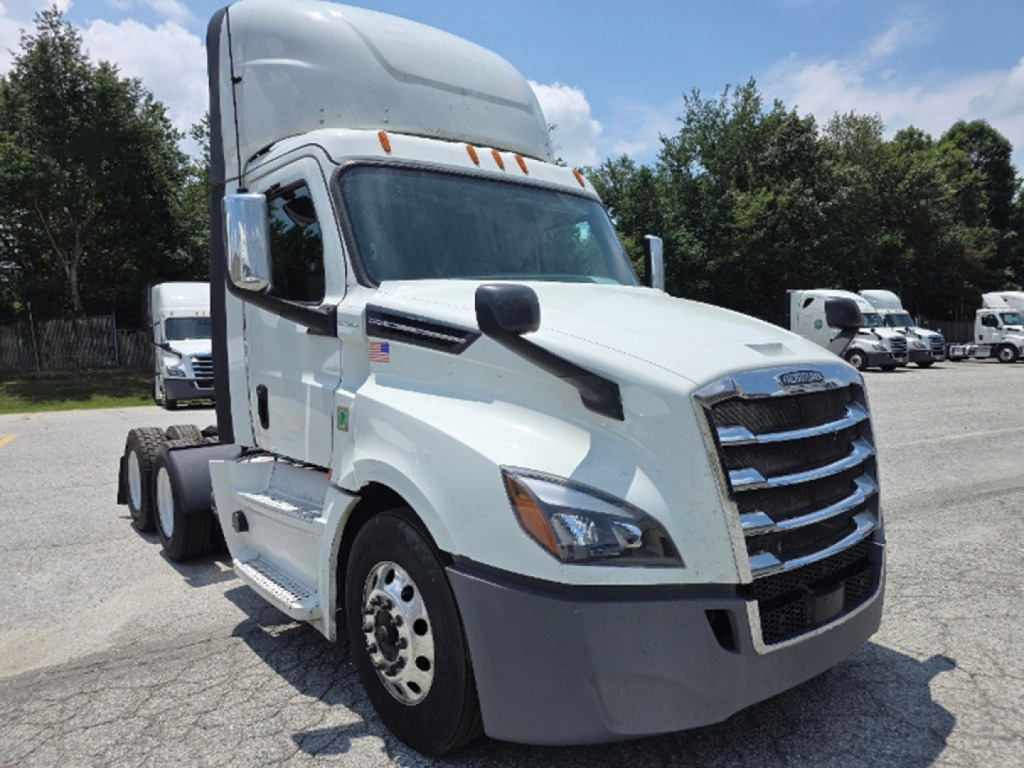

Selling a used 2020 conventional daycab truck? List your used 2020 conventional daycab truck for sale and reach thousands of commercial buyers.
Used 2020 Conventional Daycab Trucks in North Carolina
On 2020 model year daycabs, the most common spec choices include tandem axle and single axle setups, horsepower in the low-400s to mid-400s, and automated manual transmissions such as DT12, I-Shift, and Eaton Endurant or UltraShift variants. Popular engines in this class include the Detroit DD13, Cummins X15, Volvo D13, and International A26. Rear axle ratings often fall around 20,000 pounds on single axle tractors and 40,000 pounds on tandem axle units, with rear ratios like 2.79, 3.08, 3.36, 3.42, and 3.70 changing how the truck performs in stop-and-go work versus highway cruise. If the truck will spend most of its life on short regional lanes with frequent starts, a deeper ratio can help launch and low-speed drivability. If fuel economy at sustained road speed matters more, a taller ratio may be the better fit.
Spec details matter more on a daycab than many buyers expect. Wheelbases around 165 to 198 inches are common, and that number affects not just ride quality but how the tractor handles different trailer lengths and fifth wheel positions. An air slide or adjustable fifth wheel adds flexibility for mixed trailer fleets, while a stationary fifth wheel can be perfectly acceptable in dedicated service. Air ride suspension, engine brakes, disc brakes, aluminum fuel tanks, roof fairings, cab extenders, quarter fenders, and collision mitigation systems are all common value points on late-model daycabs. In 2020 trucks, buyers should also pay close attention to maintenance records for emissions systems, transmission calibration history, brake wear, tire condition, and any signs of hard yard use such as fifth wheel wear, frame corrosion, or suspension component fatigue.
For many operations, the best used 2020 conventional daycab is not the one with the highest horsepower or the longest option list. It is the one with the right axle configuration, ratio, wheelbase, and fifth wheel setup for the trailers and routes it will actually run. A daycab tractor, also known as a non-sleeper conventional truck, earns its keep through uptime, driver accessibility, and lower empty weight compared with a sleeper tractor. When comparing listings, focus on application fit first, then verify engine and transmission pairing, gross combination targets, and service history. That approach usually leads to a truck that performs better and costs less to run over time.
Frequently Asked Questions about Used 2020 Conventional Daycab Trucks in North Carolina
What is a conventional daycab truck used for?
A conventional daycab truck is primarily used for local and regional hauling where the driver returns home daily and a sleeper berth is unnecessary. Common applications include dry van, reefer, flatbed, container drayage, dedicated retail distribution, and terminal-to-terminal freight. The shorter cab and lower weight can improve maneuverability, payload efficiency, and operating cost compared with a sleeper tractor.
What should I look for in a used 2020 daycab tractor?
Start with the core operating spec: single axle or tandem axle, engine horsepower, transmission type, rear axle ratio, and wheelbase. Then check application-specific items such as fifth wheel style, fairings, suspension, and brake type. On a used 2020 truck, service history is especially important. Review maintenance records for the engine, emissions system, transmission software updates, brakes, tires, and suspension. Also inspect frame condition, fifth wheel wear, and any signs of repeated heavy-load or yard-duty service.
Is a single axle or tandem axle daycab better?
It depends on the load and route profile. A single axle daycab is typically lighter, simpler, and well suited for lower gross weights, city delivery, and certain regional applications. A tandem axle daycab is the more common choice for higher gross combination weights, broader trailer compatibility, and heavier freight. Buyers should match axle setup to payload requirements, bridge laws, and the type of trailers being pulled rather than assuming one configuration is always better.
Are automatic transmissions common in 2020 conventional daycabs?
Yes. By 2020, automated manual transmissions were standard or very common in fleet-spec daycabs. Systems such as Detroit DT12, Volvo I-Shift, and Eaton automated manuals became popular because they improve driver consistency, reduce clutch-related wear, and help with fuel economy. They are well suited to regional and urban operations, but buyers should still confirm shift logic, calibration status, and service history because software and maintenance can affect drivability.
What wheelbase is best for a daycab truck?
The best wheelbase depends on trailer length, fifth wheel setting, axle spread, and where the truck operates. Shorter wheelbases generally improve turning radius and yard maneuverability, which is useful in city and terminal work. Longer wheelbases can improve ride quality and packaging for fuel tanks or equipment, but they may reduce maneuverability. Buyers should confirm the wheelbase works with trailer swing clearance, kingpin settings, and state bridge requirements before making a decision.