
Used 2020 Freightliner Conventional Daycab Trucks For Sale in North Carolina
Browse used 2020 Freightliner conventional daycab trucks in North Carolina. Compare Cascadia and M2 specs, axle setups, engines, and applications.
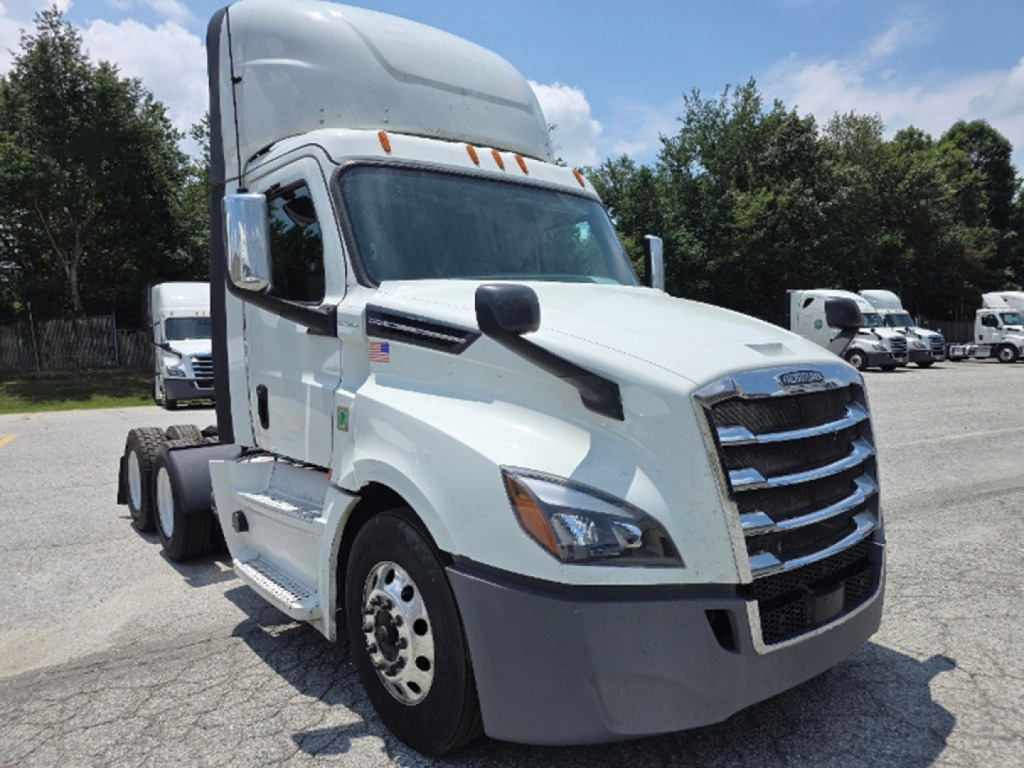
Selling a used 2020 freightliner conventional daycab truck? List your used 2020 freightliner conventional daycab truck for sale and reach thousands of commercial buyers.
Used 2020 Freightliner Conventional Daycab Trucks in North Carolina
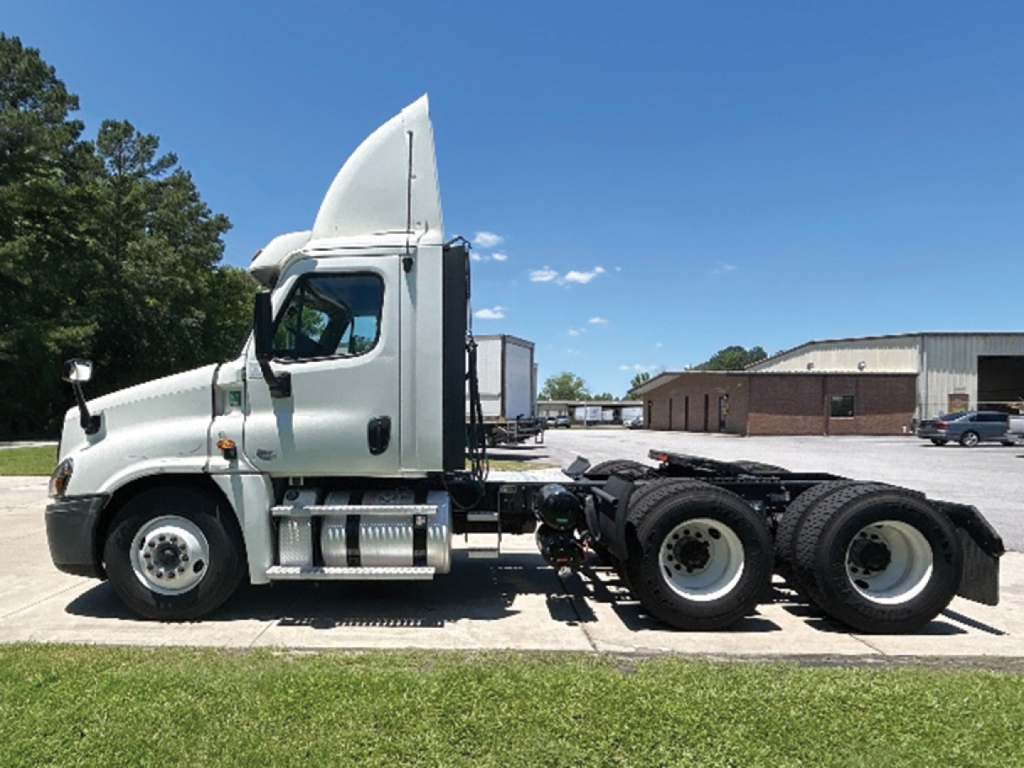
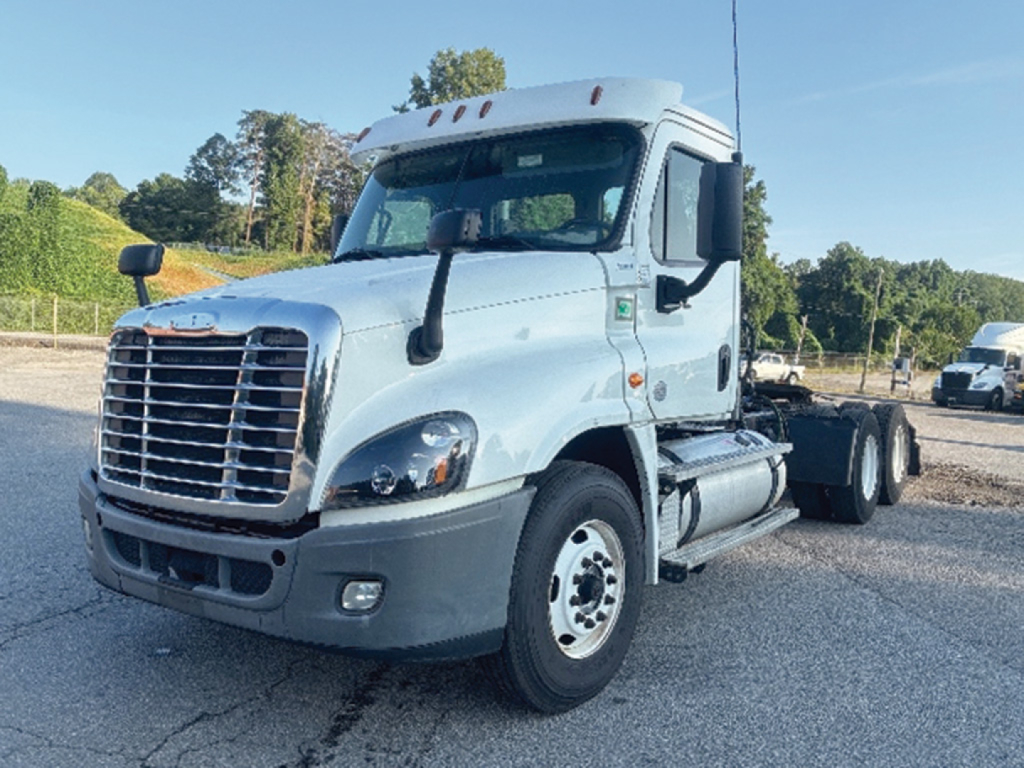
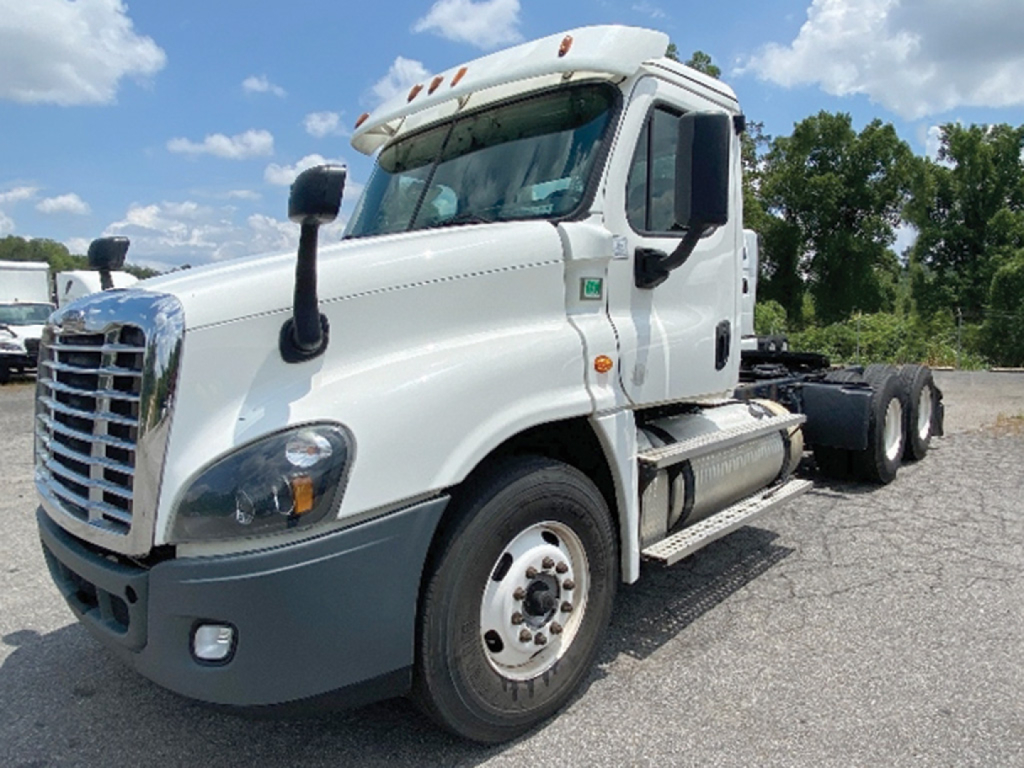
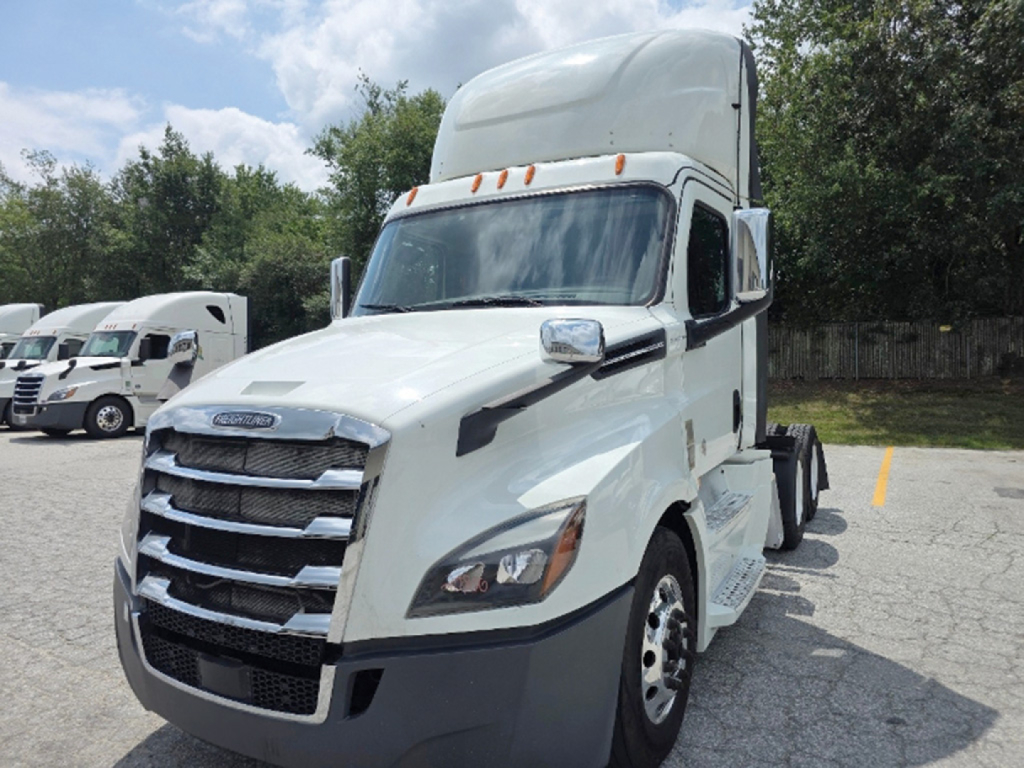
For buyers comparing 2020 Freightliner day cabs, the core decisions are engine, transmission, axle rating, wheelbase, and suspension. Cascadia daycabs from this period commonly carry Detroit DD13 or DD15 engines paired with DT12 automated manual transmissions, though some units were ordered with manual or Allison automatic setups depending on the application. Rear axle ratios like 3.08 favor fuel economy and highway speed, while deeper ratios improve startability in heavier local work. Tandem axle highway tractors often run 40,000 lb rear ratings with air ride suspension and an air-slide fifth wheel. M2 106 daycabs and straight truck chassis are frequently seen with Cummins B6.7 or L9 power, automatic transmissions, single axle configurations, and either spring or air ride suspension depending on payload sensitivity and route conditions.
North Carolina buyers should pay close attention to the truck's prior duty cycle and corrosion exposure. Regional Freightliner daycabs that spent time in Charlotte, the Piedmont, or I-85 freight lanes may show very different wear than trucks that worked ports, coastal routes, or municipal stop-and-go service. On a used 2020 model, review idle hours, aftertreatment service history, brake type, tire size, and any collision mitigation or lane safety features that may affect maintenance cost and driver acceptance. If the truck is a tractor, confirm kingpin setting compatibility, frame length, and fifth wheel travel for the trailers you plan to pull. If it is an M2-based straight truck chassis, body length, wheelbase, rear axle capacity, liftgate history, and floor or liner condition are more important than aero options.
Freightliner remains a strong choice in the daycab market because parts support is broad, service networks are extensive, and the cab layout is familiar to most fleets and owner-operators. A good used 2020 Freightliner conventional daycab should be matched to the job before it is matched to the price. For linehaul or regional tractor work, look for a clean emissions history, proper gearing, stable wheelbase, and a spec that fits gross combination weight expectations. For pickup and delivery or body-mounted applications, focus on turning radius, PTO needs, suspension type, and how the chassis was maintained under load. The best truck in this category is the one whose original spec already aligns with the work you need it to do.
Frequently Asked Questions about Used 2020 Freightliner Conventional Daycab Trucks in North Carolina
What is the difference between a Freightliner Cascadia daycab and a Freightliner M2 daycab?
A Freightliner Cascadia daycab is generally a Class 8 highway tractor designed for regional or local semi work, often with tandem drive axles, a fifth wheel, aerodynamic package, and Detroit diesel power. A Freightliner M2 daycab is typically a medium-duty or vocational conventional chassis used for straight truck bodies, local delivery, municipal work, and specialized applications. Buyers should separate these two platforms early because cab style alone does not tell you the truck's intended duty cycle, axle capacity, or operating cost profile.
Is a used 2020 Freightliner daycab a good choice for regional hauling in North Carolina?
Yes, a used 2020 Freightliner daycab can be a strong fit for regional hauling in North Carolina if the spec matches the lane and load. Cascadia daycabs are especially common for short-haul and regional freight because they balance aerodynamics, driver comfort, and service access. The right axle ratio, horsepower, wheelbase, and suspension setup matter more than model year alone. Buyers running heavier freight or frequent urban routes should also verify brake condition, aftertreatment history, and transmission calibration.
What engine and transmission options are common in 2020 Freightliner conventional daycab trucks?
Common powertrains depend on the chassis family. In 2020 Freightliner Cascadia daycabs, Detroit DD13 and DD15 engines with DT12 automated manual transmissions are among the most common combinations for highway use. In Freightliner M2 106 daycab and straight truck applications, Cummins B6.7 or L9 engines with Allison automatic transmissions are very common. The best setup depends on the route, stop frequency, gross weight, and whether the truck will run as a tractor or carry a body.
What should I inspect first on a used 2020 Freightliner daycab?
Start with the service records, engine hours, mileage, and emissions system history. Then inspect the suspension, brakes, tires, frame condition, driveline, and steering components for signs of heavy vocational use or deferred maintenance. On a tractor, check the fifth wheel, slider operation, rear axle ratio tag, and signs of trailer impact or frame modification. On an M2 chassis or straight truck, inspect body mounting points, liftgate operation if equipped, floor wear, and any signs the truck was consistently loaded beyond its intended rating.
Are Freightliner daycab trucks expensive to maintain compared with other makes?
Maintenance costs are often competitive because Freightliner has strong parts availability and a large dealer and service network. That can reduce downtime and simplify sourcing common repair items. Actual operating cost depends more on how the truck was spec'd and maintained than on the badge alone. A well-documented used 2020 Freightliner daycab with the right engine, transmission, and axle setup for the job is usually a more economical choice than a cheaper truck with the wrong configuration or poor service history.