
Used 2022 Conventional Daycab Trucks For Sale in North Carolina
Shop used 2022 conventional daycab trucks in North Carolina. Compare specs, axle setups, wheelbases, engines, and fleet-ready regional tractors.
Learn more
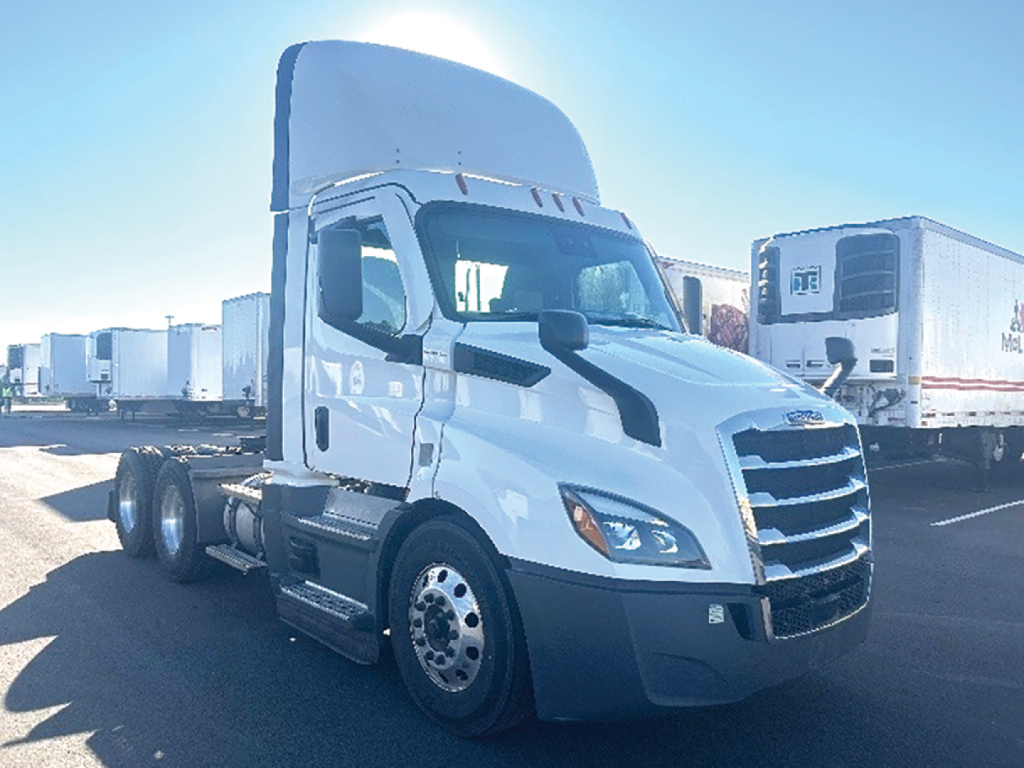
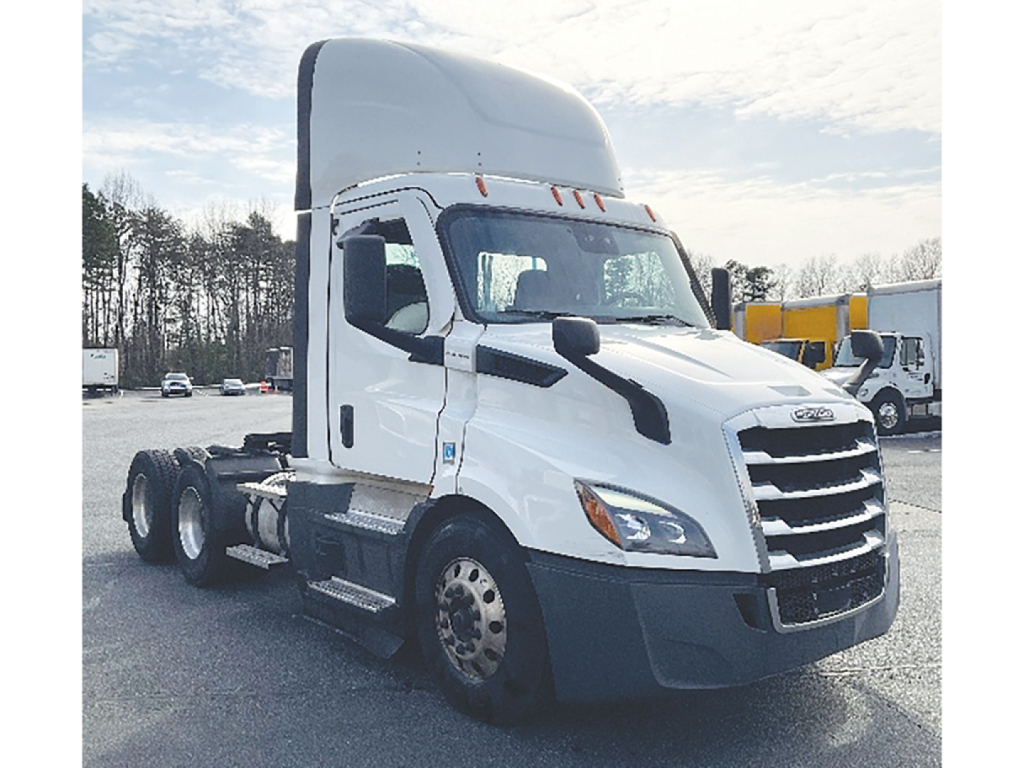
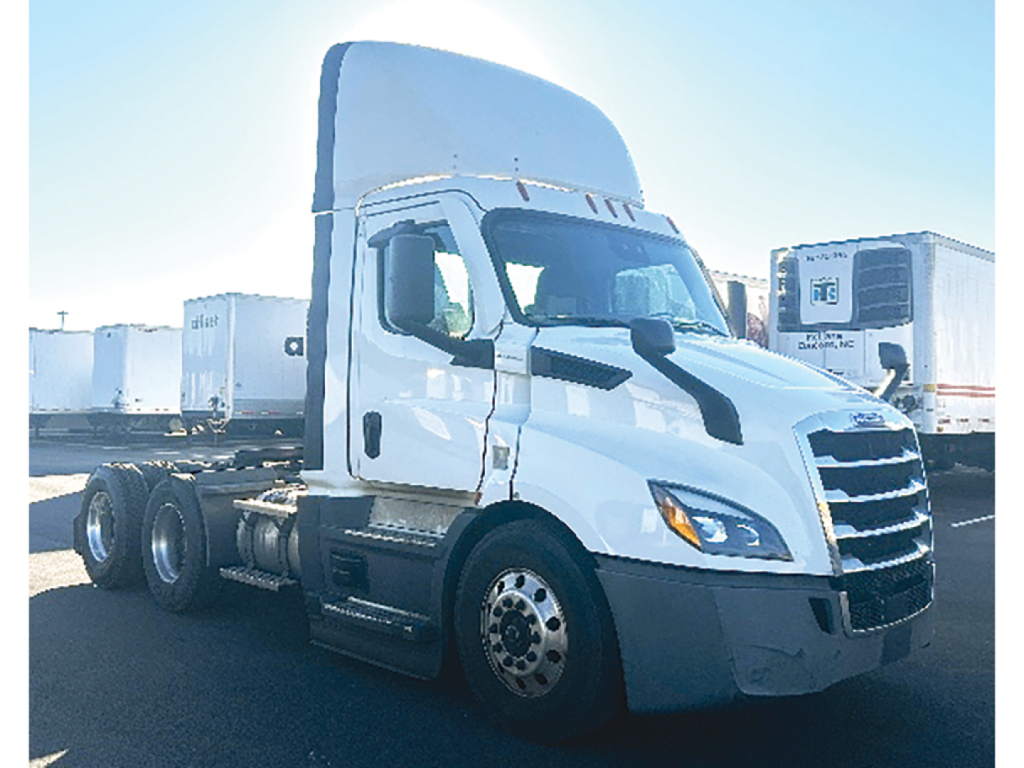
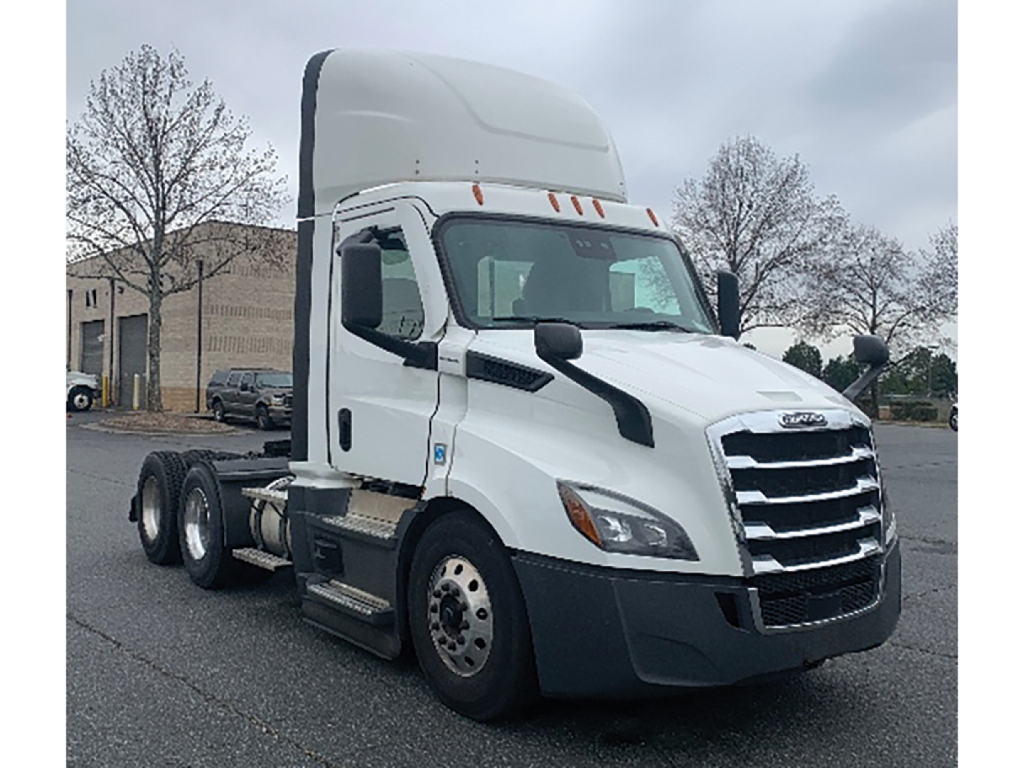
Have used 2022 conventional daycab truck to sell? List it here to reach thousands of buyers.
About Used 2022 Conventional Daycab Trucks in North Carolina
For most buyers, the key decisions start with axle configuration, wheelbase, and powertrain. Common 2022 conventional daycab specs include single-axle and tandem-axle layouts, horsepower ratings from the mid-200s into the 400-plus range, automated manual or full automatic transmissions, and rear axle ratios tuned either for low-speed vocational work or fuel-efficient highway operation. Buyers comparing road tractors should pay close attention to wheelbase, fifth wheel style, suspension type, front axle capacity, and brake configuration. A shorter wheelbase daycab can be a better fit for city work and drop lots, while a longer tandem-axle tractor may be better suited for heavier regional trailer pulls and more stable highway manners. Features like engine brakes, air ride suspension, adjustable fifth wheels, and aluminum wheels can also affect operating cost and driver acceptance.
A used 2022 model year truck often lands in a practical sweet spot. It is new enough to offer modern emissions systems, updated safety technology, improved automated shifting, and late-model cab ergonomics, but old enough to give buyers a broader price spread than newer equipment. That said, truck condition matters more than badge alone. Review engine hours, idle time, service history, brake life, tire match, DPF and aftertreatment records, transmission calibration history, and any signs of prior collision or frame repair. On daycabs that have worked in dense route service, inspect the interior, seat base, door hinges, fairings, and back-of-cab area closely because those points often show real-use wear before the drivetrain does.
For North Carolina operations, it also makes sense to match the truck to the lane. A regional daycab running I-40, I-85, or port and distribution routes around Charlotte, Greensboro, Raleigh, or Wilmington may benefit from aerodynamic packages, direct-drive or downsped gearing, and a fuel-efficient automated transmission. A truck assigned to local hauling, beverage work, equipment moves, or vocational trailer service may need a different spec entirely, such as a higher numerical axle ratio, heavier suspension, PTO capability, or a pintle setup in addition to the fifth wheel. The right conventional daycab is not just about model year. It is about choosing a 2022 truck with the cab layout, drivetrain, axle ratings, and duty-cycle history that fit the work without adding unnecessary cost or downtime.
Frequently Asked Questions
What is a conventional daycab truck best used for?
A conventional daycab truck is best suited for local and regional hauling where the driver returns home daily and does not need a sleeper berth. Common uses include port drayage, dedicated regional freight, warehouse transfers, short-haul van and reefer work, and some vocational trailer applications. The conventional hood layout gives easier engine access for service, and the daycab configuration reduces weight and overall length compared with a sleeper tractor.
What should I check first on a used 2022 daycab tractor?
Start with the truck’s duty cycle and maintenance history. Engine hours, idle hours, transmission service records, aftertreatment repairs, brake condition, tire wear pattern, and suspension wear tell you more than odometer miles alone. On a 2022 model, it is also smart to review any fault history related to emissions components, driver-assist systems, and automated transmission calibrations. A clean service record and a spec that matches the intended application usually matter more than brand preference by itself.
Is a single-axle or tandem-axle daycab better?
It depends on the freight and trailer weight. A single-axle daycab is lighter, often easier to maneuver, and can be a strong choice for lighter regional work, straight truck-style applications, or routes with tight turning requirements. A tandem-axle daycab is the more common choice for heavier trailer pulls, higher GCW requirements, and broader freight flexibility. Buyers should match axle count, rear suspension rating, and fifth wheel setup to the actual loads the truck will handle.
Are automated transmissions common in 2022 conventional daycab trucks?
Yes. By 2022, automated manual transmissions were common across many fleet and owner-operator daycab specs, especially in regional and distribution service. They can improve driver consistency, reduce clutch-related wear, and support fuel economy targets when paired with the correct axle ratio. Full automatic transmissions are also common in some medium-duty and vocational daycab applications where stop-and-go driving is frequent.
Why does wheelbase matter on a daycab?
Wheelbase affects maneuverability, bridge law flexibility, ride quality, and trailer compatibility. A shorter wheelbase generally helps in city deliveries, tight yards, and port terminals, while a longer wheelbase can improve stability and allow better placement of tanks, DEF components, and back-of-cab equipment. Buyers should also consider kingpin setting, trailer swing clearance, and desired fifth wheel location when evaluating wheelbase on a conventional daycab.