
Used 2019 Conventional Daycab Trucks For Sale in North Carolina
Browse used 2019 conventional daycab trucks in North Carolina. Compare wheelbase, engine, axle ratio, transmission, and 5th wheel specs.
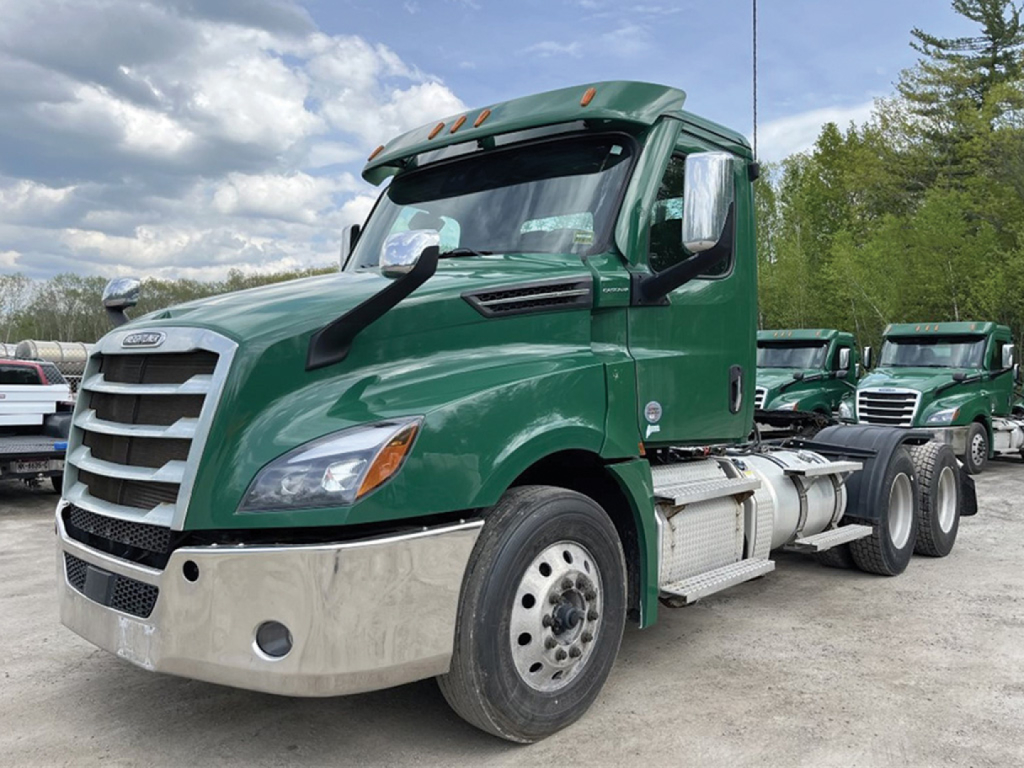
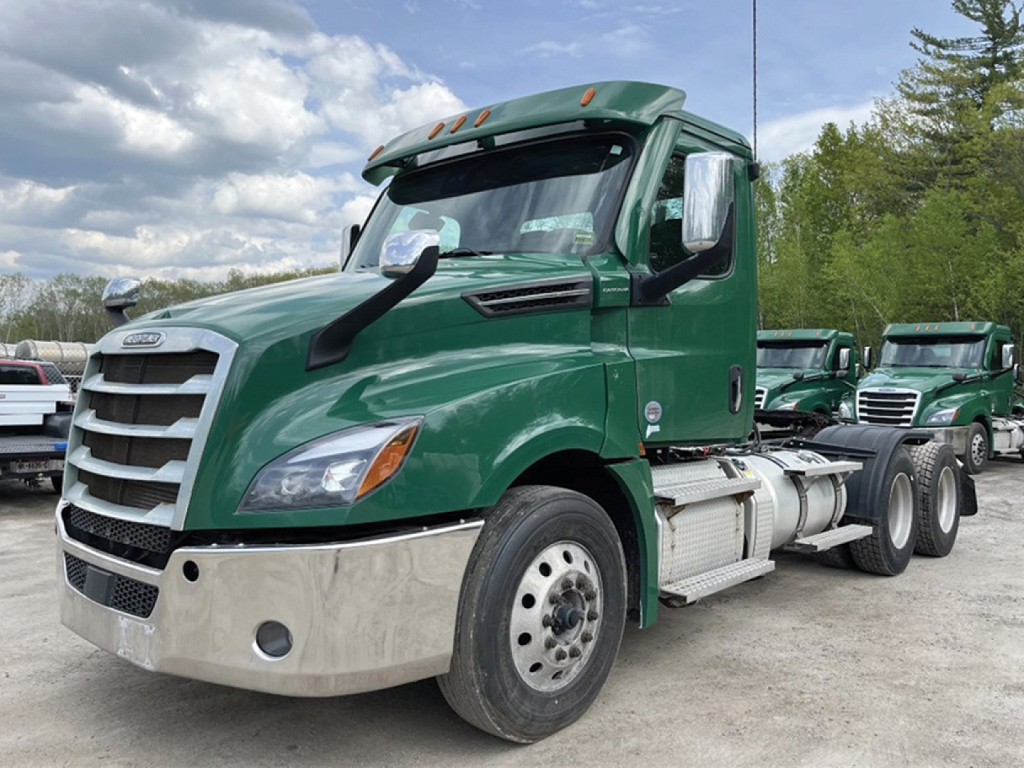
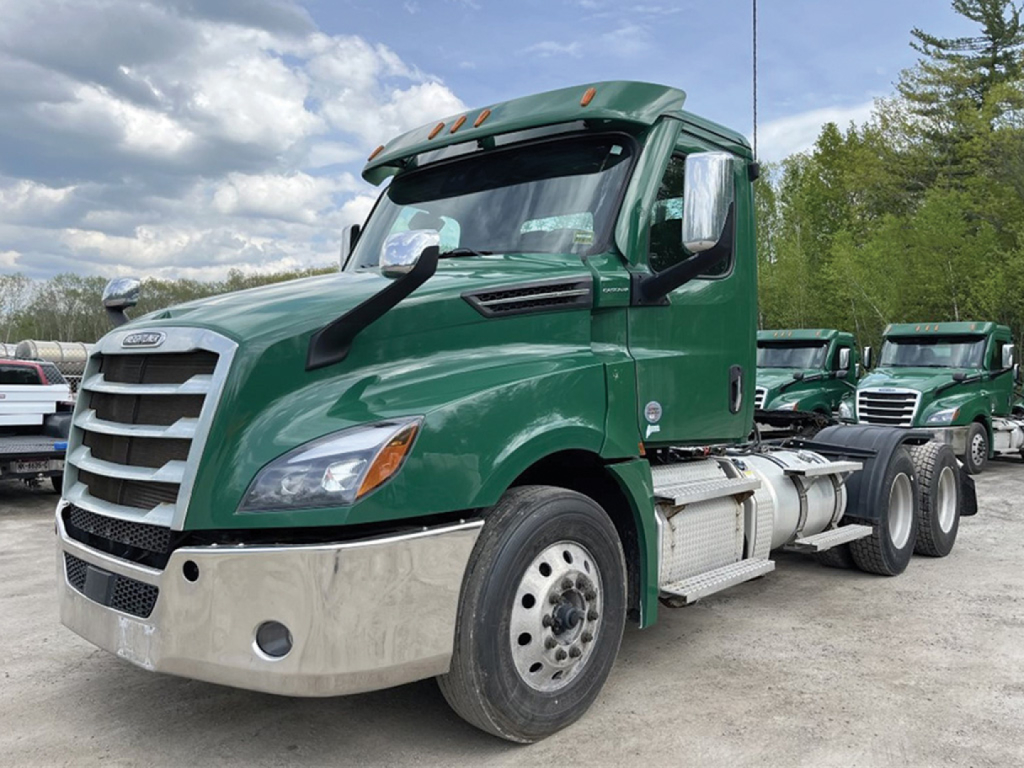

Selling a used 2019 conventional daycab truck? List your used 2019 conventional daycab truck for sale and reach thousands of commercial buyers.
Used 2019 Conventional Daycab Trucks in North Carolina
Most 2019 daycabs in this segment are spec'd with diesel engines in the 400 to 450 horsepower range, automated manual transmissions, and tandem rear axles rated around 40,000 pounds. Common platforms include Freightliner Cascadia, Volvo VNR, Peterbilt 579 daycab, Kenworth T680 daycab, and similar fleet tractors. A buyer should look closely at axle ratio and tire size because that combination drives launch feel, cruise RPM, and fuel economy. Ratios in the high-2s to low-3s are common for regional highway service, while shorter gearing may make more sense for heavier loads, frequent city turns, or routes with more grade changes. Wheelbase matters too. A 170 to 180 inch wheelbase is a common sweet spot for maneuverability while still giving enough room for fuel capacity, fairings, and sliding 5th wheel travel.
For a used 2019 conventional daycab, the condition details matter more than the badge on the hood. Pay attention to engine idle hours, aftertreatment service history, transmission calibration records, brake type, suspension spec, and signs of prior fifth-wheel or frame stress. Disc brakes, collision mitigation, cruise control, and air ride suspension are common on newer fleet daycabs and can improve driver acceptance and uptime. Check whether the truck has an air slide or fixed 5th wheel, and confirm kingpin settings against the trailers it will pull most often. In regional North Carolina service, fuel tank layout, fairings, and cab extenders can also affect both range and trailer compatibility.
The best used 2019 daycab is the one whose spec matches the job. A fleet pulling mostly dry vans on I-40 or I-85 may prioritize fuel economy, aero equipment, and taller rear gears. A buyer handling short-haul heavy freight, containers, or mixed trailer types may put more value on an adjustable 5th wheel, stronger vocational trim, and gearing that holds up in low-speed work. Before buying, compare ECM data to the odometer, verify emissions system repairs, inspect the driveline and suspension for wear, and confirm the cab is comfortable for multiple drivers if the truck will rotate through a fleet. A properly spec'd 2019 conventional daycab can still deliver strong productivity, manageable operating cost, and good resale appeal in the Southeast.
Frequently Asked Questions about Used 2019 Conventional Daycab Trucks in North Carolina
What is a conventional daycab truck used for?
A conventional daycab truck is designed for routes that return the driver home the same day or do not require sleeper space. It is commonly used for regional haul, local delivery, dedicated fleet lanes, drayage, LTL work, and terminal-to-terminal freight. Compared with a sleeper tractor, a daycab is typically lighter, shorter, and easier to maneuver in tighter yards and urban traffic.
What should I look for in a used 2019 conventional daycab?
Focus on the truck's operating history and how its spec fits your freight. Key items include engine hours, maintenance records, aftertreatment repairs, transmission service history, axle ratio, wheelbase, suspension type, and 5th wheel setup. It is also smart to review brake wear, tire condition, driveline play, frame condition, and any fault codes or inactive emissions events stored in the ECM.
Is a 2019 daycab a good choice for regional hauling in North Carolina?
Yes, a 2019 daycab is often a strong fit for regional hauling in North Carolina because it can offer a good balance of modern fuel economy, driver comfort, and lower acquisition cost than newer models. Regional lanes across I-40, I-77, I-85, and port-related routes benefit from aerodynamic tractors with efficient gearing, automated transmissions, and enough fuel capacity for daily productivity without the added weight and cost of a sleeper.
What axle ratio is best in a conventional daycab?
The best axle ratio depends on load profile, trailer type, terrain, and average road speed. Ratios in the high-2s or low-3s are common for fuel-efficient highway and regional service, especially with downsped drivetrains. Heavier loads, more start-stop work, or hilly routes may call for a shorter ratio to improve launch and grade performance. The right choice should be evaluated with engine torque, transmission gearing, and tire size together rather than as a standalone number.
Are automated manual transmissions common in 2019 daycab trucks?
Yes, automated manual transmissions are very common in 2019 conventional daycab trucks, especially in fleet specifications. They help standardize driver performance, improve fuel economy consistency, and reduce clutch-related wear compared with traditional manuals. Buyers should still confirm software updates, clutch actuator condition, and service history because transmission calibration and maintenance have a direct effect on drivability and long-term reliability.