
Used 2019 Freightliner Conventional Daycab Trucks For Sale in North Carolina
Browse used 2019 Freightliner conventional daycab trucks in North Carolina, including Cascadia daycabs built for regional haul and local fleet work.
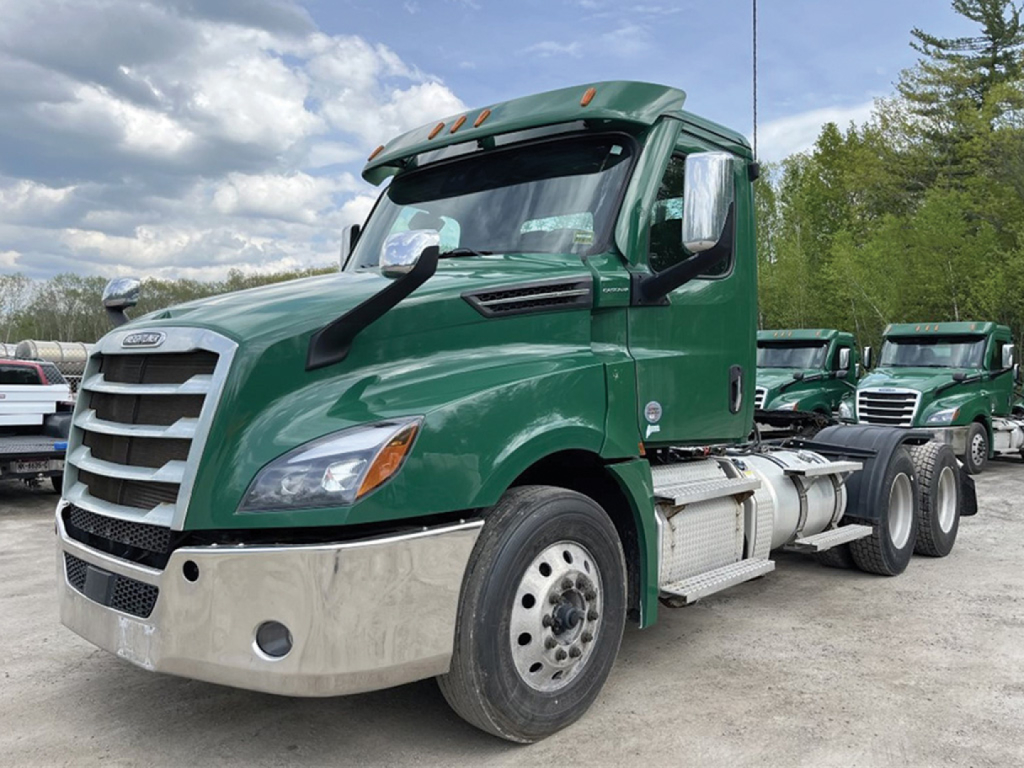
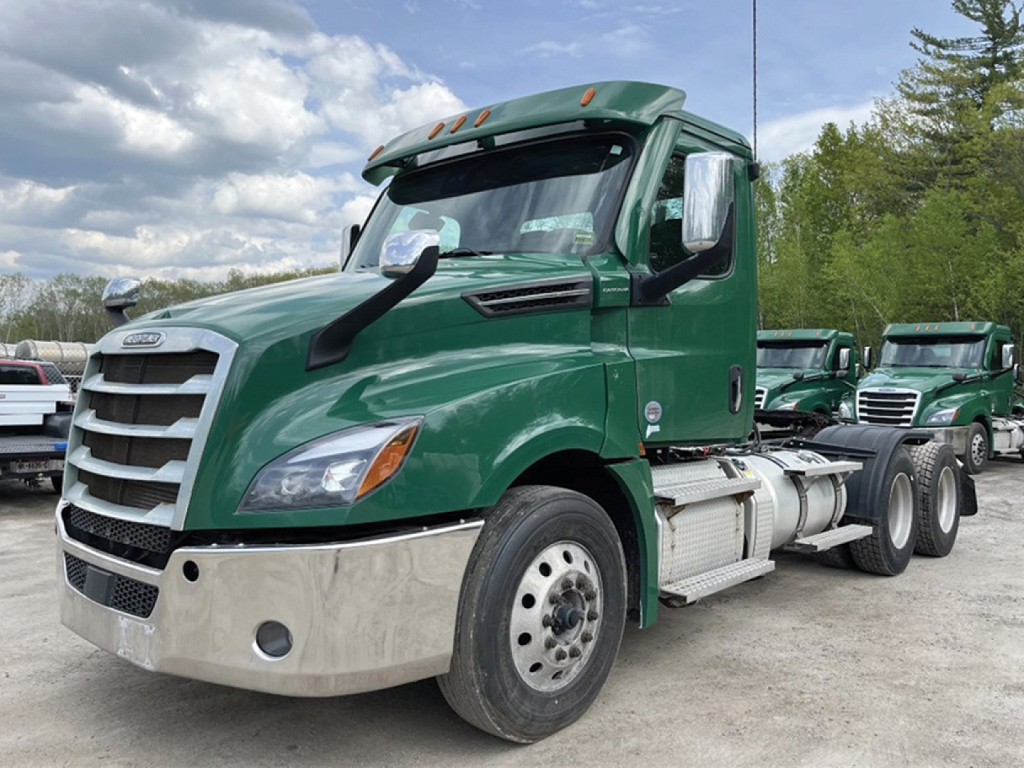
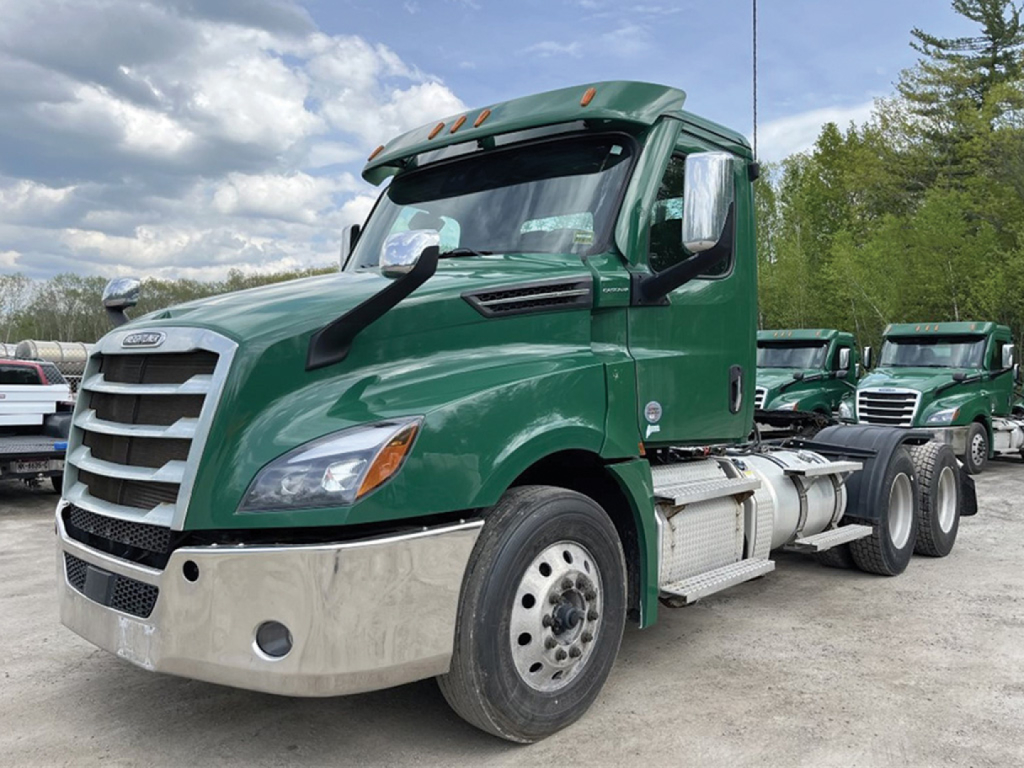

Selling a used 2019 freightliner conventional daycab truck? List your used 2019 freightliner conventional daycab truck for sale and reach thousands of commercial buyers.
Used 2019 Freightliner Conventional Daycab Trucks in North Carolina
Powertrain spec is the first filter. Many 2019 Freightliner daycabs are equipped with Detroit DD13 engines in the 400 to 435 hp range, often paired with the DT12 automated manual transmission. That combination is common in fleet service because it delivers strong fuel performance, simplified driver training, and good match-up for regional van, reefer, and general freight applications. Buyers should compare rear axle ratings and ratios closely. A 40,000 lb tandem with a taller ratio such as 3.08 generally suits highway-heavy regional work, while deeper ratios can make more sense for heavier starts, tighter routes, or vocational crossover use. Wheelbase also changes how the truck fits the job. Around 178 inches is a common daycab setup that balances trailer swing clearance, fifth wheel placement, and maneuverability.
The 2019 model year is also worth evaluating for spec upgrades that affect long-term operating cost. Air ride suspension, air slide fifth wheels, disc brakes, collision mitigation systems, aluminum fuel tanks, and aerodynamic packages with roof fairings or cab extenders are all common features on late-model Freightliner daycabs. For buyers running drop-and-hook freight, an air slide fifth wheel and proper kingpin setting flexibility can save time and reduce trailer compatibility issues. For fleets focused on maintenance intervals and driver retention, details such as power windows, tilt-telescoping steering, cruise control, and a clean cab layout still matter in a used truck because they influence uptime and driver acceptance just as much as engine spec does.
A used 2019 Freightliner conventional daycab should be evaluated as a total operating package, not just by price or mileage. Check engine hours against miles to understand idle history, review maintenance records for aftertreatment and transmission service, and inspect brake type, tire size, and suspension condition before comparing trucks. In North Carolina, buyers often look for a spec that can handle both regional highway speed and frequent terminal moves, so axle ratio, horsepower, and fairing configuration should line up with the truck's actual duty cycle. When the spec is right, a 2019 Freightliner daycab can be a very efficient platform for short-haul and medium-haul commercial work.
Frequently Asked Questions about Used 2019 Freightliner Conventional Daycab Trucks in North Carolina
What is the most common 2019 Freightliner conventional daycab configuration?
The most common 2019 Freightliner conventional daycab configuration is a Cascadia daycab with a Detroit DD13 engine, DT12 automated manual transmission, tandem rear axles, air ride suspension, and a highway-oriented wheelbase. Many were ordered for regional fleet use, so buyers will often see 400 to 435 hp ratings, 40,000 lb rears, aerodynamic fairings, and fuel-economy-focused axle ratios.
Is a 2019 Freightliner daycab a good choice for regional hauling in North Carolina?
Yes, a 2019 Freightliner daycab is a strong fit for regional hauling in North Carolina because it is well suited to distribution routes, short overnight turns, port-related freight, and dedicated interstate lanes. The daycab layout reduces weight versus a sleeper, improves maneuverability in tighter terminals, and typically matches well with the highway and mixed urban driving common across the state.
What should buyers check on a used 2019 Freightliner daycab before purchase?
Buyers should check engine hours, mileage, aftertreatment history, transmission service records, suspension wear, brake condition, tire wear patterns, and fifth wheel operation. It is also important to verify axle ratio, wheelbase, and rear axle rating so the truck matches the intended trailer and payload. On Freightliner units with advanced safety systems, confirm that collision mitigation and related electronics are functioning properly.
Which axle ratio is best on a used Freightliner daycab?
The best axle ratio depends on the route and load profile. A taller ratio such as 3.08 is commonly preferred for regional highway work because it helps keep engine rpm down and supports fuel economy. A deeper ratio may be better for heavier freight, more starts and stops, or routes with more grade and lower average speed. The right choice comes down to duty cycle, transmission setup, and target cruising speed.
Why do many fleet buyers prefer the Freightliner Cascadia daycab?
Many fleet buyers prefer the Freightliner Cascadia daycab because it has broad parts support, familiar service procedures, strong driver acceptance, and efficient aerodynamics for regional operations. It is also commonly spec'd with modern powertrains and safety equipment, which makes it easier to integrate into fleet maintenance programs and compare across multiple used units.