
Used International Conventional Daycab Trucks For Sale in North Carolina
Browse used International conventional daycab trucks in North Carolina, including RH613 and ProStar models for regional haul, port, and local delivery.
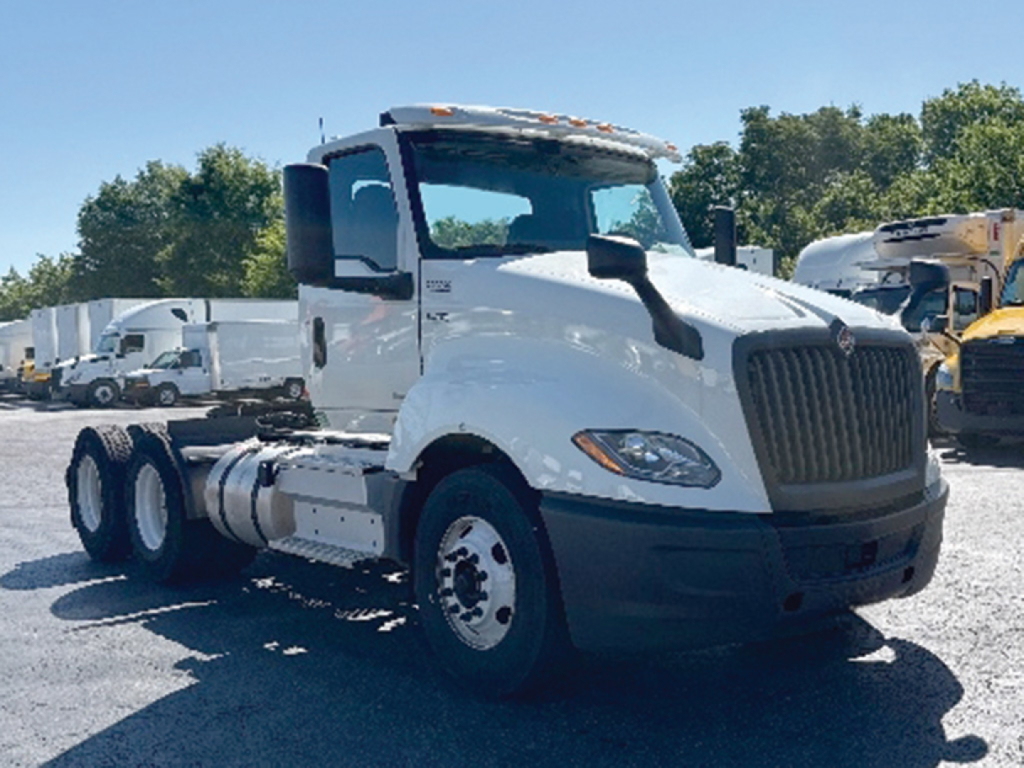

Selling a used international conventional daycab truck? List your used international conventional daycab truck for sale and reach thousands of commercial buyers.
Used International Conventional Daycab Trucks in North Carolina
A buyer should pay close attention to axle layout, wheelbase, and fifth wheel setup before comparing price alone. Many used International daycabs are single-axle tractors with 20,000 lb rear axles, wheelbases in the mid-150 inch to mid-160 inch range, and either stationary or adjustable fifth wheels. That combination works well for short regional lanes, tanker pulls, containers, and lighter trailer applications, but it should be matched to your actual kingpin settings, trailer swing clearance, and bridge law requirements. Rear axle ratio also matters. A 3.42 ratio is common on fleet-spec highway daycabs because it balances cruise speed and fuel economy, especially when paired with automated manual transmissions.
Powertrain choice is another major factor on used International conventional daycabs. Late-model trucks in this category often carry the International A26 or the Navistar N13, typically in the 390 to 430 horsepower range with engine brakes and automated transmissions. That horsepower band is well suited to regional dry van, reefer, and general freight work without pushing operating cost higher than necessary. Buyers should review service history for emissions components, transmission calibration, cooling system maintenance, and any recurring fault codes, especially on trucks that spent time in heavy stop-and-go service. Air ride suspension, low-profile 22.5 tires, aluminum fuel tanks, and highway aero pieces like roof fairings and quarter fenders are common specs that support ride quality and fuel efficiency.
Cab condition and driver ergonomics deserve a close look because daycabs cycle through more entries, exits, and city miles than many over-the-road sleepers. Features like tilt and telescoping steering, power windows, air conditioning, cruise control, and collision mitigation systems can make a real difference in driver retention and daily usability. For North Carolina operations, it also makes sense to evaluate corrosion, frame condition, brake wear, and suspension condition based on coastal exposure, distribution work, and mixed highway use. A well-matched used International daycab should be judged on application fit first, then maintenance history, emissions performance, and spec consistency across the fleet.
Frequently Asked Questions about Used International Conventional Daycab Trucks in North Carolina
What is an International conventional daycab truck best suited for?
An International conventional daycab is best suited for regional haul, local delivery, port work, dedicated fleet routes, and shuttle operations where the driver returns home daily. The daycab layout removes the sleeper to reduce weight and shorten overall length, which improves maneuverability in tighter yards and city environments. Models like the International RH613 are commonly used as highway tractors for dry van, reefer, container, and lighter bulk applications.
What engine and transmission specs are common on used International daycabs?
Used International daycabs commonly feature the International A26 or Navistar N13 diesel engine, usually rated around 390 to 430 horsepower. Many are paired with automated manual transmissions and engine brakes to support fuel economy and easier driver operation. When reviewing a used truck, it is important to confirm horsepower, torque rating, transmission model, rear axle ratio, and maintenance records so the spec matches the intended trailer weight and route profile.
Is a single-axle International daycab enough for my operation?
A single-axle International daycab can be a strong choice for regional freight, container drayage, and applications that do not require the added carrying capacity of a tandem-axle tractor. Many fleet-spec daycabs use a 20,000 lb rear axle and a shorter wheelbase, which helps with maneuverability and lowers running weight. The key is to verify your loaded trailer weights, kingpin placement, and state bridge requirements before choosing a single-axle setup.
What should I inspect on a used International RH613 or ProStar daycab?
Focus on service records, engine and aftertreatment performance, transmission operation, suspension wear, brake condition, and frame integrity. On daycabs, the fifth wheel condition, slider function if equipped, and signs of repeated yard impact are especially important. You should also inspect the cab interior for heavy-use wear, confirm air conditioning and electrical accessories work properly, and check for fault codes related to emissions, collision mitigation, or automated transmission systems.
Why does wheelbase and fifth wheel position matter on a daycab tractor?
Wheelbase and fifth wheel position directly affect turning radius, trailer clearance, axle loading, and how the truck fits your trailer fleet. A shorter wheelbase is usually better for city and terminal work, while the fifth wheel location determines how weight is distributed between the steer and drive axle. Buyers should compare those dimensions to their most common trailer lengths and kingpin settings to avoid clearance issues and to keep axle weights where they need to be.