
Used 2018 Conventional Daycab Trucks For Sale
Shop used 2018 conventional daycab trucks. Compare wheelbase, engine, transmission, axle ratings, gearing, and fleet-ready specs.
Learn more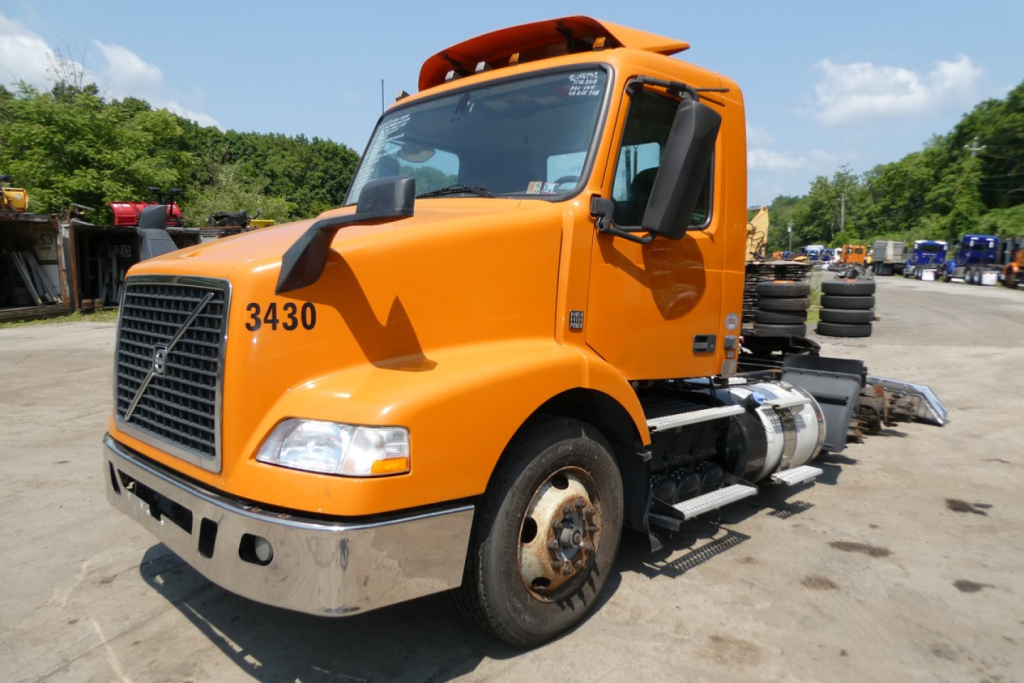
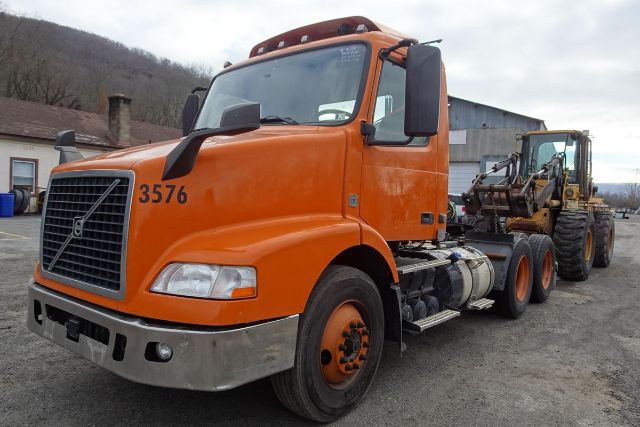
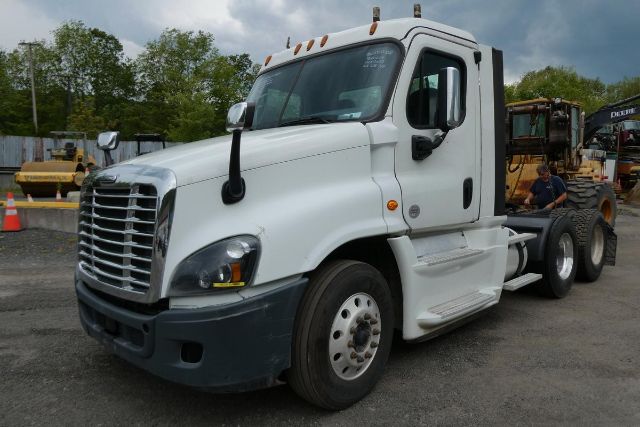
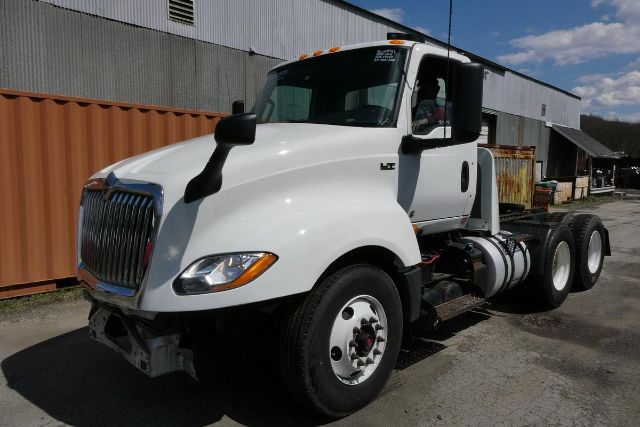
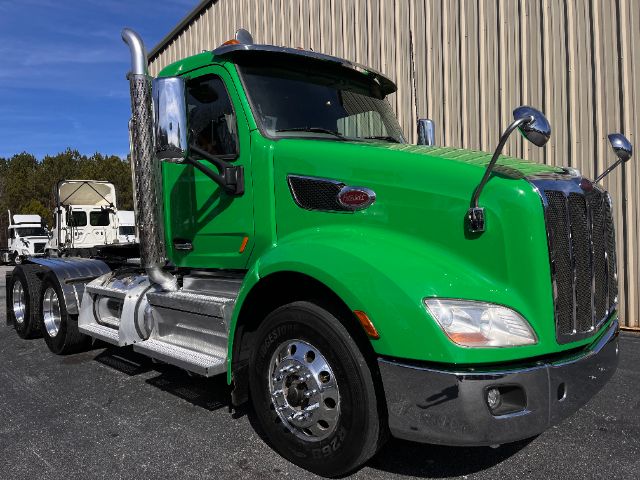
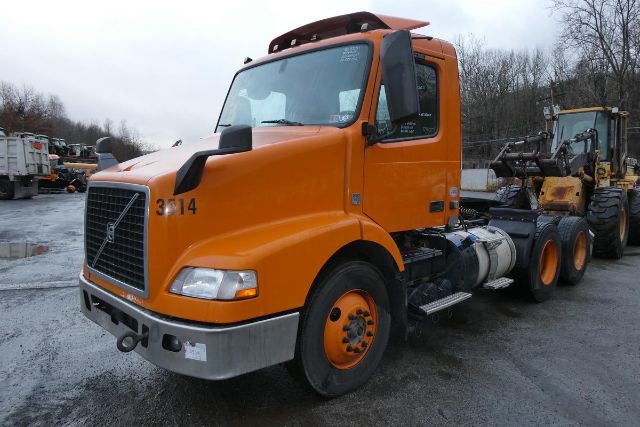
Showing 25 to 30 of 30 results
Have used 2018 conventional daycab truck to sell? List it here to reach thousands of buyers.
About Used 2018 Conventional Daycab Trucks
Key spec decisions on a 2018 daycab usually come down to engine, transmission, wheelbase, and rear axle ratio. Common engines in this class include the Detroit DD13 and DD15, Cummins X15 and ISX, Paccar MX-13, International A26, and Mack MP series, typically in the 400 to 500 horsepower range. Automated manual transmissions are common in this year range, including Detroit DT12, Eaton Endurant, and manufacturer-integrated automated options, though 10-speed and 13-speed manuals still appear in vocational or owner-operator setups. Wheelbase often falls in the 170-inch to 210-inch range depending on fuel capacity, bridge law requirements, and trailer swing clearance. Rear axle ratios such as 2.64, 2.85, 3.08, 3.25, or 3.55 can change how the truck performs in stop-and-go work versus higher-speed regional lanes.
A buyer should pay close attention to axle ratings, suspension, and fifth wheel setup because these details determine what the truck can realistically handle every day. Many conventional daycabs are spec'd with 12,000 to 13,300 lb front axles and 40,000 to 46,000 lb rears, often paired with air ride suspensions for highway service. Stationary and air-slide fifth wheels both show up in this category, and kingpin setting compatibility matters if the truck will pull multiple trailer lengths. If the job involves tank, dump, lowboy, or heavy equipment service, look for PTO provision or a wet line kit. Other details that matter on used 2018 units include brake type, emissions system service history, tire size, fairing condition, and frame layout if additional equipment may be added later.
The 2018 model year sits in a practical spot for many fleets because it is modern enough to offer better aerodynamics, driver-assist features, and integrated powertrain controls, but old enough to present a broader price range than newer late-model trucks. Buyers comparing used 2018 conventional daycab trucks should look beyond mileage alone and weigh idle hours, maintenance records, aftertreatment history, clutch or AMT service, and signs of prior heavy-haul use. Cab condition also matters on a daycab because drivers enter and exit more often, so seat wear, door hardware, steering wheel controls, and HVAC performance can tell you a lot about how the truck was used. A well-matched 2018 daycab can deliver strong fuel economy, good trailer flexibility, and lower operating complexity for regional and local hauling.
Frequently Asked Questions
What is a conventional daycab truck used for?
A conventional daycab truck is a road tractor without a sleeper, designed primarily for local, regional, drayage, and dedicated route work. It is commonly used for pulling dry vans, reefers, flatbeds, tankers, chassis, and some vocational trailers where the driver returns to base the same day. The shorter cab and lighter overall configuration help with maneuverability, payload, and ease of entry compared with a sleeper tractor.
What should I look for when buying a used 2018 conventional daycab?
Focus first on the truck's intended application, then match the specs to the job. Engine rating, transmission type, wheelbase, axle ratio, axle capacity, and fifth wheel position all affect performance and trailer compatibility. On a used 2018 model, service history is especially important, including DPF and SCR maintenance, transmission calibration or clutch service, suspension wear, tire condition, and any evidence of chronic fault codes or excessive idle time.
Are automated transmissions common in 2018 daycab trucks?
Yes. Many 2018 conventional daycabs were built with automated manual transmissions because fleets were prioritizing fuel economy, easier driver onboarding, and reduced clutch wear. Detroit DT12, Eaton automated transmissions, and integrated OEM drivetrains are all common in this segment. Manual transmissions are still available in some trucks, especially where buyers wanted more direct control for heavy haul, vocational use, or driver preference.
What wheelbase is best for a daycab tractor?
The best wheelbase depends on the trailer, axle spread requirements, fuel capacity, and turning radius needs. A shorter wheelbase is usually better for city work, port service, and tight yards because it turns easier and reduces overall length. A longer wheelbase may be preferred for ride quality, larger tanks, or bridge law compliance on certain trailer combinations. Buyers should also confirm cab-to-axle and back-of-cab clearance to avoid trailer interference during sharp turns.
Is a 2018 conventional daycab a good choice for fleet use?
For many fleets, yes. A 2018 daycab often balances acquisition cost with modern design, emissions compliance, and integrated safety and fuel-efficiency features. It can be a strong fit for regional operations that want late-model performance without the higher cost of much newer equipment. The best value comes from trucks with documented maintenance, clean aftertreatment history, and specs that closely match the actual freight rather than a generic one-size-fits-all configuration.