
Used 2018 Conventional Daycab Trucks For Sale in New York
Shop used 2018 conventional daycab trucks in New York. Compare wheelbase, axle ratings, engine specs, transmission, and regional-use fit.
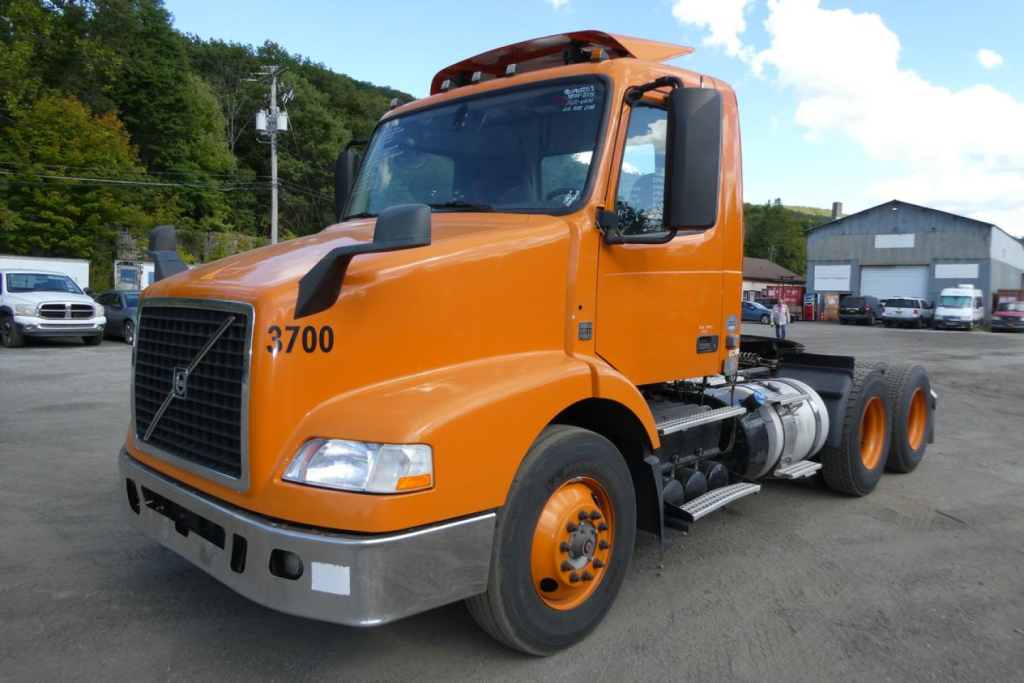
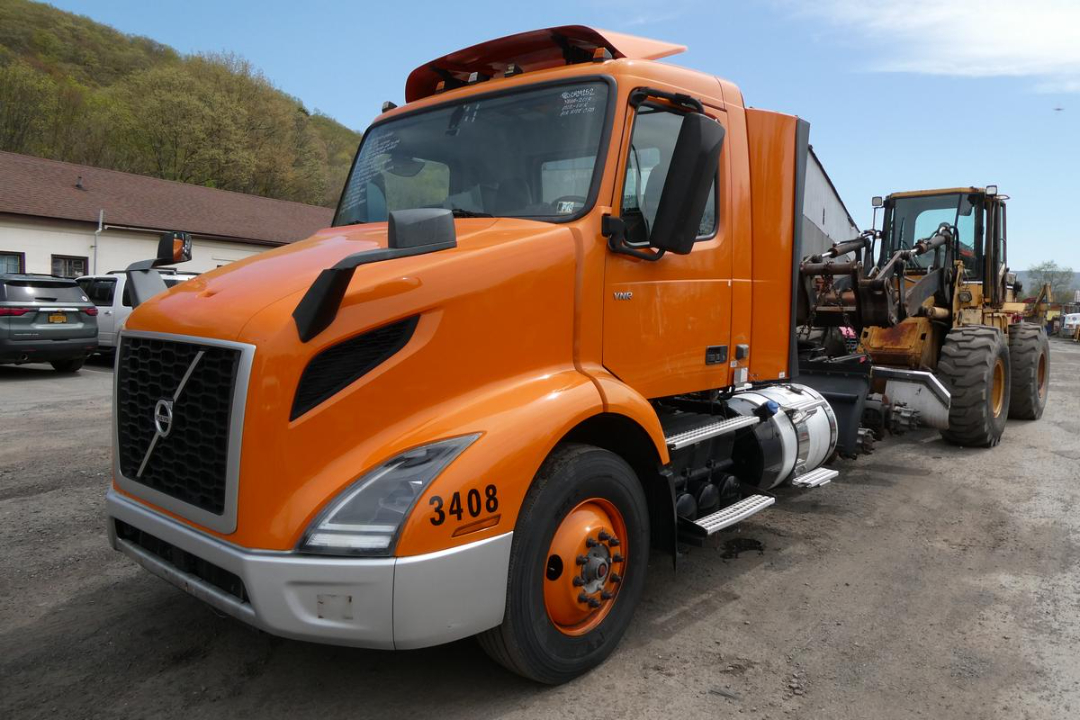
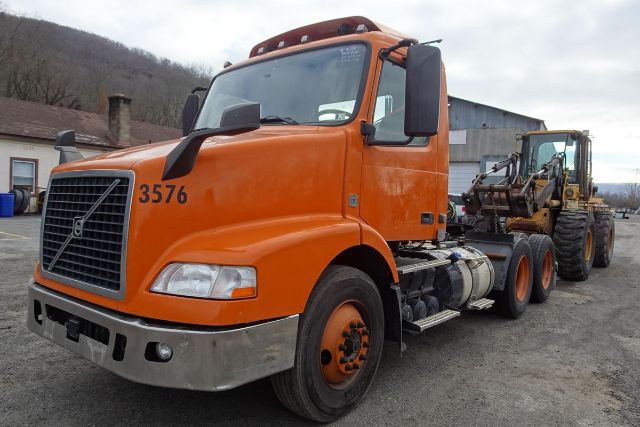
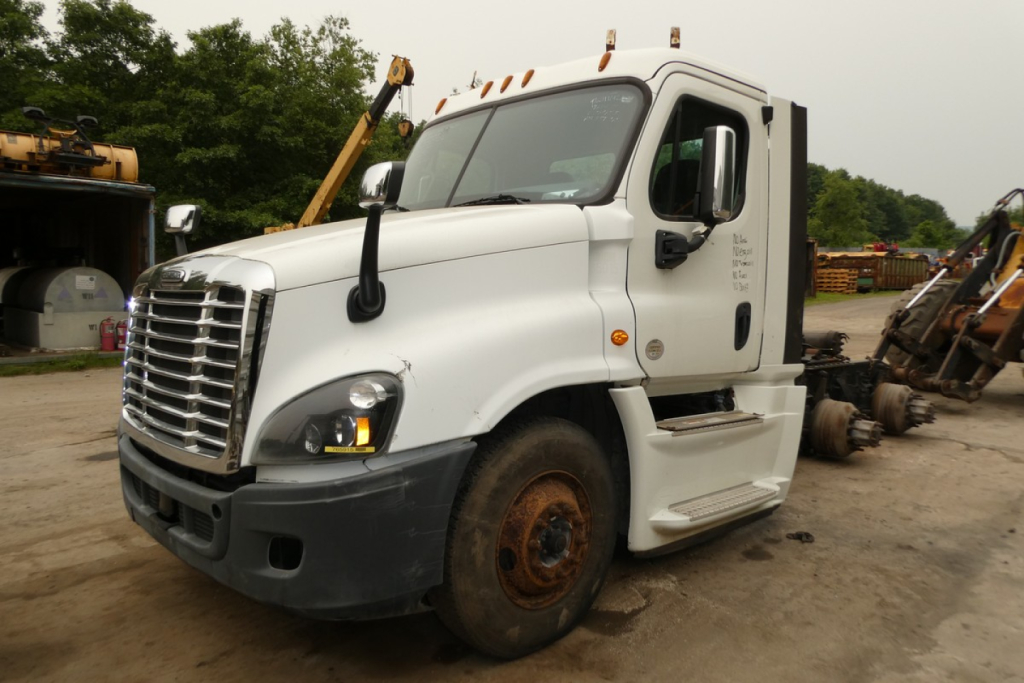
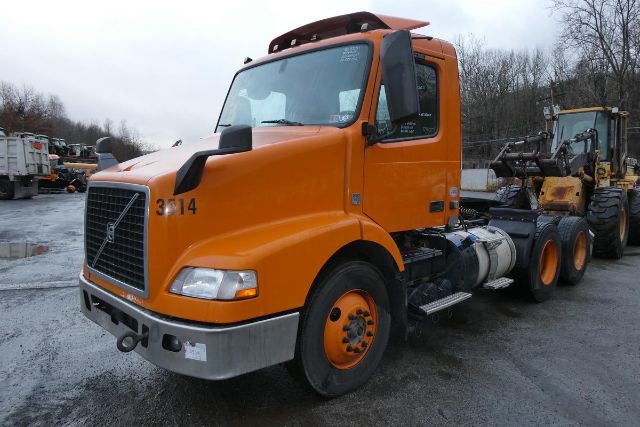
Selling a used 2018 conventional daycab truck? List your used 2018 conventional daycab truck for sale and reach thousands of commercial buyers.
Used 2018 Conventional Daycab Trucks in New York
Powertrain spec drives resale value and operating cost more than almost any other factor. Common 2018 daycab setups include 11L to 13L diesel engines in roughly the 385 to 455 hp range, paired with 10-speed manuals or 12-speed automated manuals such as Volvo I-Shift. For urban and regional work, rear axle ratios in the mid-2s to mid-3s are common, and they change how the truck launches, cruises, and handles fuel economy. A buyer hauling dense freight through the Northeast may prefer a heavier rear axle rating, power divider, and full 40,000 lb tandem setup, while lighter regional applications can make sense with lower GVW and a shorter wheelbase. Air ride suspension, air disc brakes, and sliding fifth wheels are also worth close attention because they affect driver comfort, stopping performance, trailer compatibility, and daily dispatch flexibility.
Cab and chassis dimensions are just as important as engine nameplates. Wheelbase, cab-to-axle, and cab-to-end measurements determine trailer swing clearance, body upfit options, and how easily the truck fits specific terminals or transfer stations. Many conventional daycabs fall in a range that balances maneuverability with stable ride quality, but there is no one-size-fits-all spec. A shorter wheelbase is easier in city work and drop-yard operations, while a longer chassis can improve ride and help when frame space is needed for equipment such as hydraulic systems, headache racks, toolboxes, or PTO-driven vocational gear. Tire size, rim type, and brake configuration should also be reviewed as part of total operating cost, especially for fleets standardizing parts and service procedures.
Condition matters more than model year alone on a used 2018 daycab. Buyers should compare odometer miles with engine hours, look for fault history related to SCR, DEF, and emissions derate events, and confirm the truck’s exact transmission, differential, and brake spec rather than assuming all units from the same make are identical. Service records, driveline condition, suspension wear, and signs of prior fleet maintenance usually tell more than paint or cab cosmetics. A well-matched conventional daycab can be one of the most efficient tractors in a regional fleet because it cuts unnecessary weight, keeps the chassis simple, and stays productive in lanes where maneuverability and quick turnaround matter most.
Frequently Asked Questions about Used 2018 Conventional Daycab Trucks in New York
What is a conventional daycab truck best used for?
A conventional daycab truck is best suited for regional hauling, local delivery, drayage, dedicated route work, and terminal-to-terminal operations. It uses a conventional hooded tractor layout but does not have a sleeper, which reduces weight and overall length. That makes it a strong fit for operations where drivers return daily, parking space is limited, and maneuverability matters as much as highway capability.
What should I check first on a used 2018 conventional daycab?
Start with the powertrain and chassis match. Confirm engine horsepower, transmission type, rear axle rating, axle ratio, and wheelbase, then compare those specs to the freight you actually haul. After that, review engine hours versus odometer mileage, inspect emissions components such as the SCR and DEF system, and look closely at suspension, brakes, driveline, and fifth wheel wear. On a regional tractor, maintenance history and fault history often matter more than brand preference alone.
Is an automated manual transmission a good choice in a 2018 daycab?
For many regional and urban applications, yes. Automated manuals such as a 12-speed I-Shift can reduce driver fatigue, improve consistency in stop-and-go traffic, and help with fuel economy when matched to the right rear axle ratio. A manual 10-speed still appeals to some fleets for driver preference or shop familiarity, but the automated option is common in 2018-era daycabs and can be a practical choice for multi-driver operations.
How do wheelbase and cab-to-axle measurements affect a daycab?
Wheelbase and cab-to-axle dimensions affect turning radius, trailer clearance, ride quality, and body or equipment fitment. A shorter wheelbase usually works better in urban service, tighter docks, and crowded yards. A longer wheelbase can improve straight-line stability and create more frame space for PTO equipment, toolboxes, headache racks, or other chassis-mounted components. Buyers should match these dimensions to trailer length, loading environment, and any planned upfit.
Are 2018 conventional daycabs a good fit for New York operations?
They often are, especially for freight moving through dense terminal networks, industrial corridors, and local or regional routes. The daycab configuration helps in tight spaces and reduces unnecessary tractor length, while a conventional hood still provides good service access and road manners. In New York applications, buyers should pay particular attention to axle ratings, turning requirements, emissions condition, and gearing that fits mixed highway and city duty.