
Used 2018 Conventional Daycab Trucks For Sale in Texas
Browse used 2018 conventional daycab trucks in Texas. Compare specs, wheelbase, engine, axle ratios, and cab features for regional haul work.
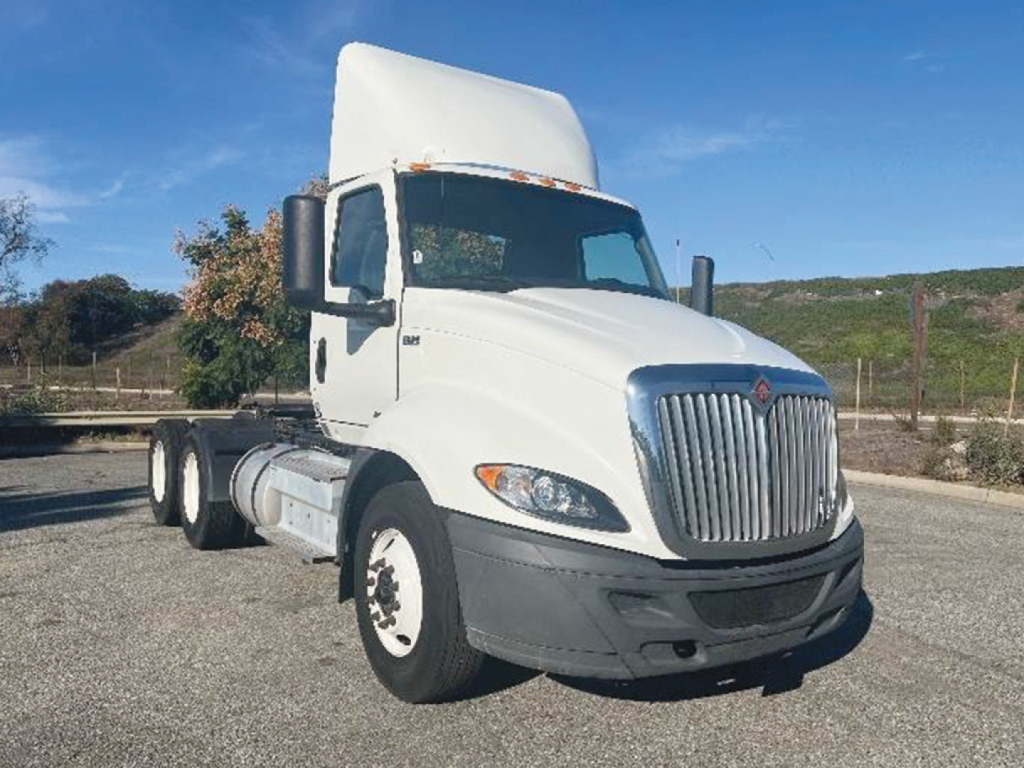
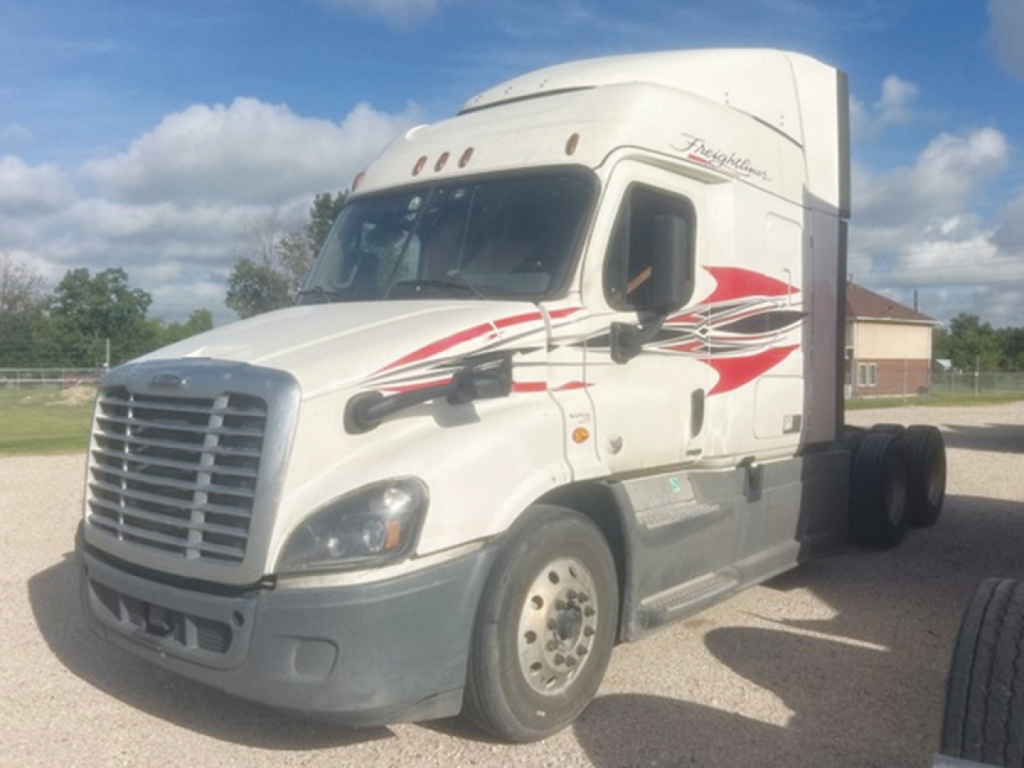

Have used 2018 conventional daycab truck to sell? List it here to reach thousands of buyers.
Used 2018 Conventional Daycab Trucks in Texas
The most important buying decisions are usually engine rating, rear axle ratio, wheelbase, and fifth wheel setup. In this category, common engines include 11 to 15 liter platforms from Volvo, Detroit, Cummins, and PACCAR, often rated around 400 to 455 horsepower for general freight. Automated manuals such as the Volvo I-Shift and Detroit DT12 are common in 2018 daycabs, though some trucks still carry manual transmissions for vocational or fleet-standard applications. A 40,000 lb tandem rear axle with air ride suspension is a typical highway spec, and axle ratios such as 2.64 or 3.23 can materially change launch feel, cruise rpm, and fuel economy. Buyers running heavy city work or frequent stop-start duty should pay close attention to ratio, clutch history if equipped with a manual, and the condition of driveline and suspension components.
Texas applications add a few practical considerations. Heat load matters, so inspect A/C performance, cooling system service history, and idle-management strategy if drivers spend time in staging lines or urban traffic. Wheelbase matters too. A daycab in the mid-170 inch range is common for van and reefer work, while longer wheelbases may be preferred for specialized trailer setups or axle spread requirements. Features such as air-slide fifth wheels, cab extenders, roof fairings, aluminum fuel tanks, and quarter fenders can make a real difference in trailer compatibility, fuel burn, and day-to-day usability. Brake spec is worth confirming because many 2018 trucks appear with front and rear disc brakes, while others still use drum configurations depending on fleet order.
Condition matters more than badge. On a used 2018 conventional daycab, buyers should review engine hours against miles, look for aftertreatment service records, confirm any collision mitigation or driver-assist systems are functioning properly, and inspect the interior for signs of hard urban use. A well-maintained daycab can be a strong revenue truck for container drayage, tanker, flatbed, dry van, and regional drop-and-hook operations. The best spec is the one that matches trailer type, route density, gross combination weight, and maintenance support in your operating area.
Frequently Asked Questions about Used 2018 Conventional Daycab Trucks in Texas
What is a conventional daycab truck?
A conventional daycab truck is a highway tractor with a forward hood and no sleeper compartment. It is designed for local, regional, and return-to-base operations where overnight lodging in the truck is not required. Compared with a sleeper tractor, a daycab usually has a shorter overall length, lower tare weight, and easier maneuverability in yards, cities, and terminal environments.
What should I look for when buying a used 2018 conventional daycab in Texas?
Focus first on the drivetrain spec and service history. Engine size, horsepower, transmission type, rear axle ratio, wheelbase, and fifth wheel position need to match the freight and trailers you plan to pull. In Texas, cooling system performance and air conditioning condition are especially important because of heat and long idle periods. It is also smart to verify aftertreatment repairs, brake type, tire wear pattern, suspension condition, and any records related to emissions components, automated manual calibration, and preventive maintenance.
Are 2018 conventional daycab trucks commonly equipped with automatic transmissions?
Yes. Many 2018 daycab tractors were ordered with automated manual transmissions such as the Volvo I-Shift or Detroit DT12. These transmissions can improve driver consistency, reduce clutch wear, and help fuel economy in stop-and-go or regional service. Buyers should still confirm software updates, clutch life data when available, and overall shift quality during inspection because calibration and maintenance have a major effect on performance.
What axle ratio is best for a used 2018 daycab truck?
The best axle ratio depends on the application. Lower numerical ratios such as 2.64 are often chosen for fuel-efficient highway and regional work with lighter average loads. Higher numerical ratios such as 3.23 or above generally provide stronger launch performance and can be better for heavier freight, tighter city routes, or operations with frequent starts and grades. The ratio should be considered together with tire size, transmission gearing, and expected gross combination weight.
Is a 2018 daycab a good fit for regional freight and port work?
Yes. A 2018 conventional daycab can be a very good fit for regional haul, drayage, shuttle work, and dedicated local freight. The platform is modern enough to offer features like collision mitigation, disc brakes on some units, and more efficient powertrains, while still being established in the used market. The key is choosing a spec that matches turnaround times, trailer type, bridge law considerations, and the maintenance demands of your route structure.