
Used Peterbilt Conventional Daycab Trucks For Sale in Nebraska
Browse used Peterbilt conventional daycab trucks in Nebraska. Compare wheelbases, engine specs, axle ratings, and vocational or regional haul setups.
Learn more
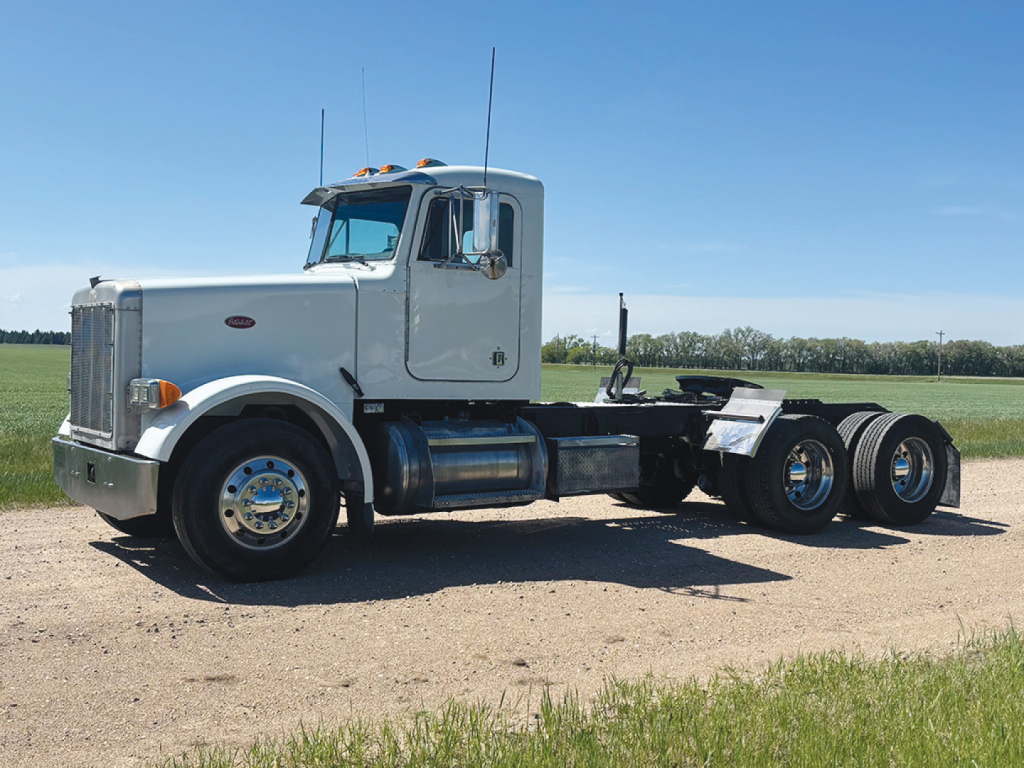
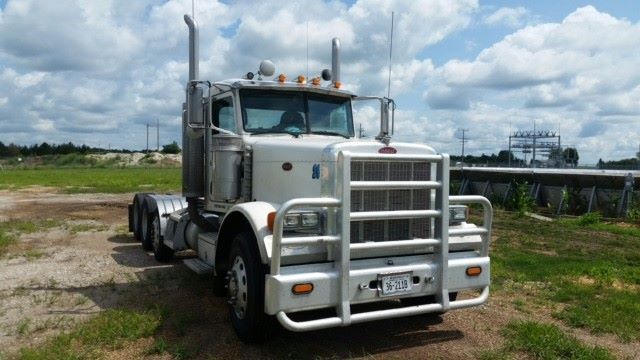
Have used peterbilt conventional daycab truck to sell? List it here to reach thousands of buyers.
About Used Peterbilt Conventional Daycab Trucks in Nebraska
The biggest buying decisions usually come down to wheelbase, axle configuration, and engine-transmission pairing. A shorter wheelbase daycab is easier to maneuver in yards, elevators, and urban delivery points, while a longer wheelbase may fit heavier spec work or provide a better bridge for certain trailer setups. Buyers should look closely at front axle and rear axle ratings, suspension type, fifth wheel placement, PTO provisions, and frame condition if the truck will be used for dump, wet kit, or farm-related applications. Common drivetrains in used Peterbilt conventionals include Caterpillar, Cummins, and Detroit diesel engines matched with Eaton Fuller manual transmissions, autoshifts, or fully automatic options depending on the original spec.
Cab condition matters more on a daycab than many buyers expect because the truck is entered and exited constantly. Check seat wear, pedal wear, HVAC performance, switchgear, gauge function, and door seal condition. On older Peterbilt models, pay attention to steering play, front suspension wear, air system leaks, and evidence of frame modifications from prior vocational use. If the truck is intended for regional highway service, fuel capacity, gearing, and cruise-speed RPM should line up with the route profile. If it is headed into farm or construction support, ground clearance, locking differentials, and heavy-duty suspension may matter more than highway fuel economy.
A used Peterbilt conventional daycab often appeals to buyers who want a recognizable owner-operator style truck in a practical fleet format. The brand carries weight in the resale market, but condition and specification still drive value more than the badge alone. In Nebraska, where trucks may split time between interstate runs and seasonal agricultural work, a well-matched daycab can cover a wide range of jobs without the extra weight and cost of a sleeper. The best choice is usually the truck with the right rear ratio, legal axle capacity, and service history for the work it will actually do.
Frequently Asked Questions
What is a Peterbilt conventional daycab truck best used for?
A Peterbilt conventional daycab is best suited for regional hauling, local freight, agricultural support, flatbed work, dump applications, and other jobs where the driver returns the same day. The conventional hood design provides easier engine access and strong cooling capacity, while the daycab layout reduces weight compared with a sleeper truck. That makes it a practical choice for operations focused on payload, maneuverability, and lower acquisition cost.
What should I check first on a used Peterbilt daycab?
Start with the truck's specification and service history, then inspect the frame, driveline, suspension, and cab wear. Confirm axle ratings, wheelbase, engine model, transmission type, rear ratio, and any PTO or wet kit setup to make sure the truck matches the intended application. On older units, buyers should also check for oil leaks, blow-by, steering component wear, air leaks, rust or corrosion around crossmembers, and signs of previous frame stretching or shortening.
Are Peterbilt daycabs good for farm and grain hauling in Nebraska?
Yes, many Peterbilt conventional daycabs are well suited for Nebraska farm and grain hauling if the truck is properly spec'd. A daycab with the right wheelbase, suspension, rear axle ratio, and fifth wheel placement can handle hopper bottoms, end dumps, feed trailers, and other agricultural loads efficiently. Buyers should pay close attention to turning radius, traction options, and durability features if the truck will spend time on gravel roads, in fields, or at elevators.
Which specs matter most when comparing used conventional daycabs?
The most important specs are engine and transmission combination, axle ratings, wheelbase, suspension, rear gear ratio, and intended trailer setup. These factors determine payload capability, fuel economy, maneuverability, and road speed. For example, a truck geared for heavy starts and short regional runs will behave differently from one set up for longer highway miles, even if both are Peterbilt daycabs from the same model family.
Why do used Peterbilt daycabs hold value well?
Used Peterbilt daycabs often hold value because the brand has strong recognition, broad parts support, and consistent demand from both fleets and owner-operators. Popular long-hood models also appeal to buyers who want a truck that is functional and visually distinctive. Resale strength still depends heavily on engine emissions history, maintenance records, mileage, and whether the truck was spec'd for a common, versatile application.