
2020 Mack Conventional Daycab Trucks For Sale in Texas
Browse 2020 Mack conventional daycab trucks in Texas. Compare MP7 and MP8 specs, axle ratings, wheelbases, transmissions, and regional hauling setups.
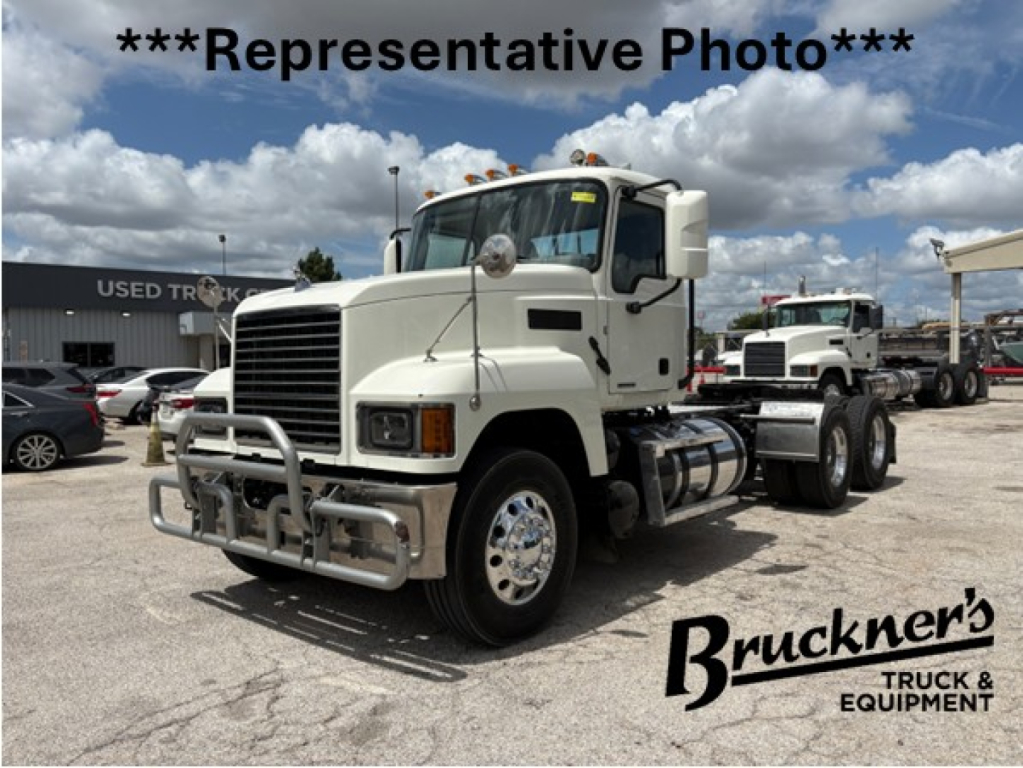
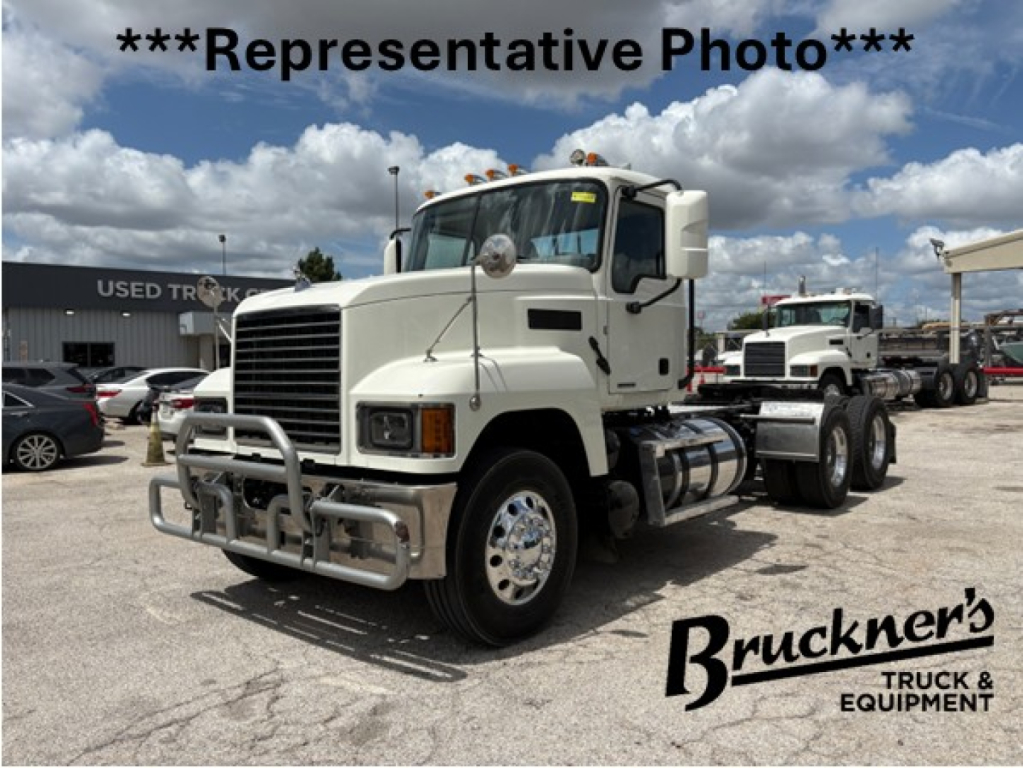
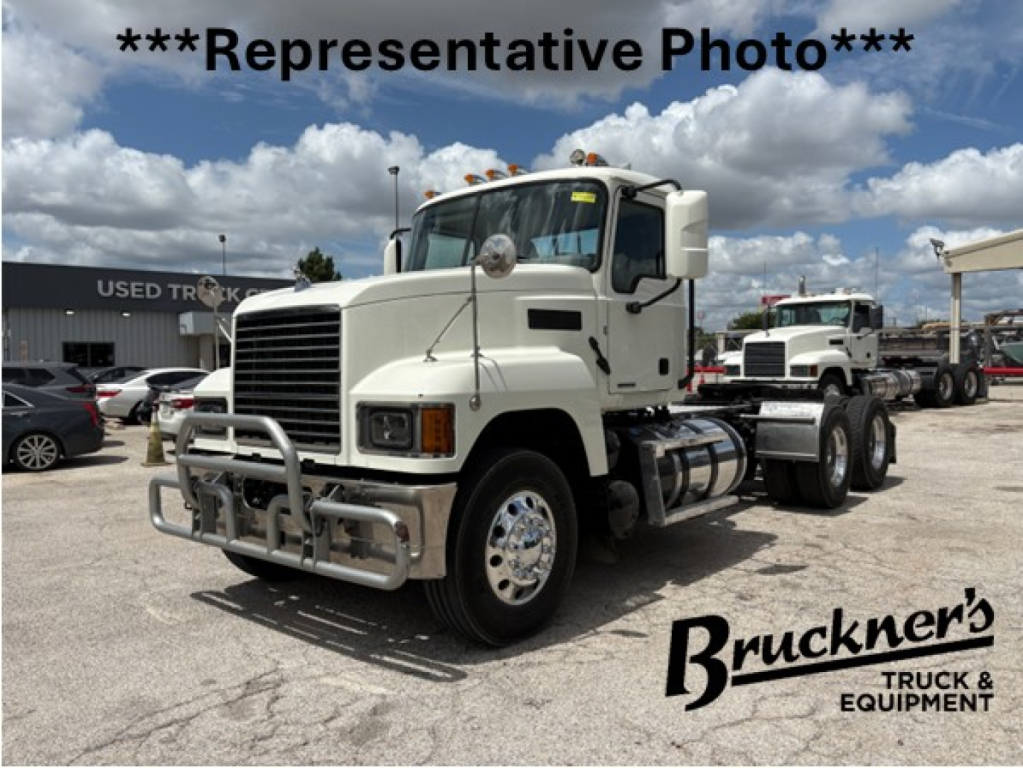
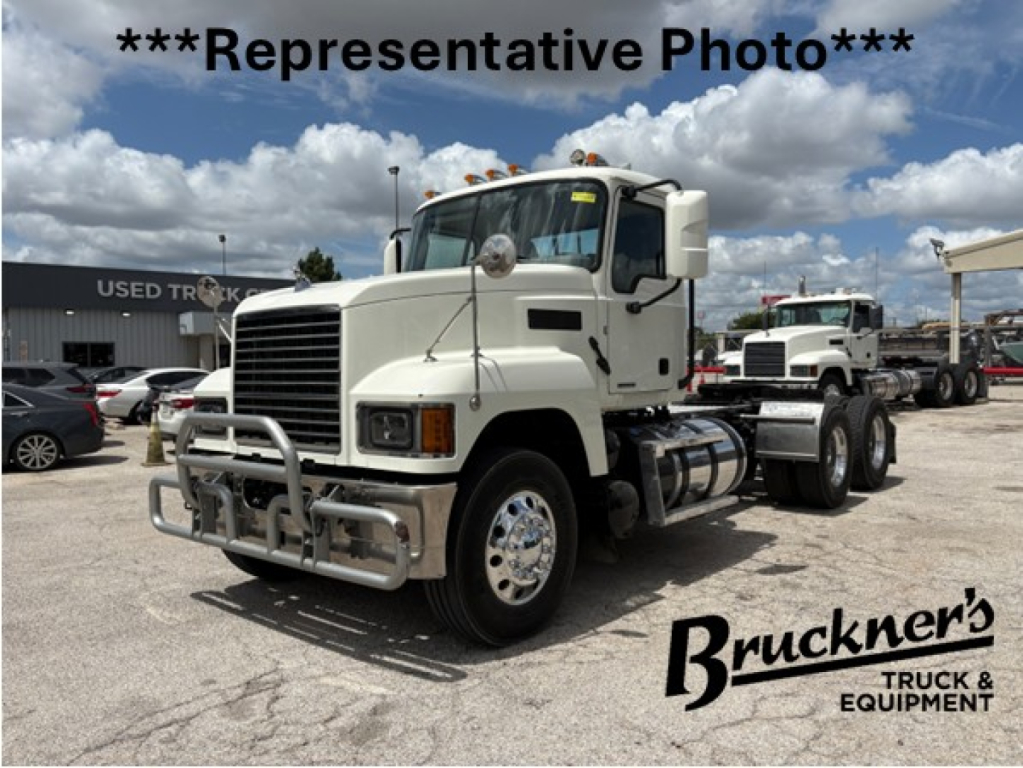

Showing 25 to 29 of 29 results
Have 2020 mack conventional daycab truck to sell? List it here to reach thousands of buyers.
2020 Mack Conventional Daycab Trucks in Texas
For 2020 Mack daycabs, the common engines are the MP7 and MP8, typically paired with Mack mDRIVE automated transmissions, though some specs may include manual or other automated options. MP7-equipped trucks are often chosen for lighter regional freight and fuel-conscious operations, while MP8 power is better suited for heavier gross weights, aggressive start-stop duty, or routes with more grade and wind load. Typical horsepower can range from the low 400s into the 500 HP class depending on application. Rear axle ratings commonly fall around 40,000 lbs on tandem units, with front axles often in the 12,000 to 12,500 lb range. Rear ratios in the mid-2s to low-3s are common, and they matter more than many first-time buyers expect. A faster ratio can improve highway efficiency, while a deeper ratio may better suit heavier local work, frequent launches, and tighter routing.
Wheelbase and suspension deserve close attention on a 2020 Mack conventional daycab. A shorter wheelbase is easier to place in tight yards, city docks, and crowded distribution centers, but a longer wheelbase can improve ride quality and fuel tank capacity while helping match trailer swing clearance and weight distribution. Air ride suspension is common and generally preferred for linehaul-style regional service because it improves ride and helps protect freight. Buyers should also look at fixed versus air-slide fifth wheels, especially if the truck may pull different trailer lengths or needs kingpin setting flexibility. Other practical details include dual fuel tanks, fairings, tire size, frame rail thickness, pusher or lift axle absence or presence, and whether the truck has driver-assist features such as integrated steering support or telematics.
Texas buyers should also evaluate emissions compliance, cooling system health, and idle strategy. Hot-weather operation puts pressure on radiators, charge air coolers, A/C performance, and aftertreatment reliability, so service records matter. On a used 2020 Mack daycab, it is smart to review fault history, clutch and transmission calibration on mDRIVE units, DPF and SCR maintenance, brake wear, suspension bushing condition, and steer tire pattern for alignment issues. If the truck is intended for regional interstate work, look for a spec with the right balance of horsepower, ratio, and fuel capacity. If it is headed into city or terminal service, prioritize maneuverability, visibility, and a driveline built for repeated starts and low-speed duty cycles. A well-matched 2020 Mack conventional daycab can be a durable, efficient tractor for operations that value uptime, straightforward service access, and a spec tailored to short and regional haul work.
Frequently Asked Questions about 2020 Mack Conventional Daycab Trucks in Texas
What is a 2020 Mack conventional daycab best suited for?
A 2020 Mack conventional daycab is best suited for local and regional hauling where a sleeper is unnecessary. Common applications include dry van shuttles, dedicated delivery routes, intermodal drayage, tanker work, flatbed, beverage distribution, and terminal-to-terminal freight. The daycab configuration reduces empty weight and keeps the truck easier to maneuver in tighter spaces, which is especially useful in urban freight lanes and busy Texas distribution markets.
Which engine is more common in a 2020 Mack daycab, MP7 or MP8?
Both engines are common, and the better choice depends on the job. The Mack MP7 is typically selected for fuel-conscious regional work and lighter average gross weights, while the MP8 is favored when the truck will regularly handle heavier loads, stronger launch requirements, or more demanding terrain and wind conditions. Buyers should compare horsepower, torque, rear ratio, and expected payload together instead of choosing by engine name alone.
Why do wheelbase and fifth wheel setup matter on a conventional daycab?
Wheelbase and fifth wheel configuration directly affect turning radius, trailer clearance, ride quality, bridge law flexibility, and weight distribution. A shorter wheelbase is often better for tight yards and city work, while a longer wheelbase can support larger fuel capacity and a smoother ride on regional routes. An air-slide fifth wheel adds flexibility when pulling different trailers or adjusting kingpin settings, while a fixed fifth wheel may be sufficient for dedicated trailer operations.
What should I inspect on a used 2020 Mack daycab before buying?
Key inspection points include engine fault history, aftertreatment service records, mDRIVE transmission operation and calibration, clutch performance where applicable, suspension wear, brake life, tire condition, steering play, and evidence of alignment problems. In Texas, cooling system performance and air conditioning function are particularly important because sustained heat can expose weak components. It is also smart to confirm axle ratings, rear ratio, and wheelbase against the actual work the truck will be doing.
Are 2020 Mack conventional daycabs good for Texas regional hauling?
Yes, a properly spec'd 2020 Mack conventional daycab can be a strong fit for Texas regional hauling. The platform is well suited to long daily mileage without the added cost and weight of a sleeper, and it can be configured for fuel economy or heavier vocational-style duty. The best Texas setup usually balances horsepower, rear ratio, axle capacity, and fuel capacity with the route profile, trailer type, and the amount of stop-and-go operation expected.