
International Conventional Daycab Trucks For Sale
Expert overview of International conventional daycab trucks, covering engines, tare weight, frame strength, HVAC, and corrosion protection.
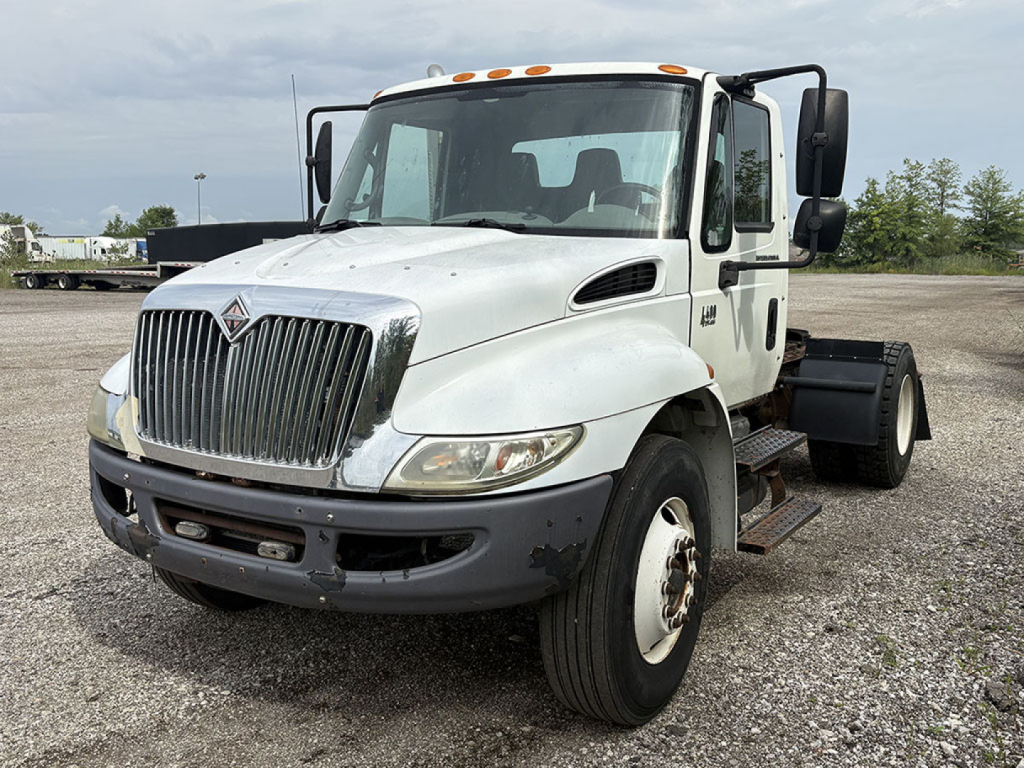
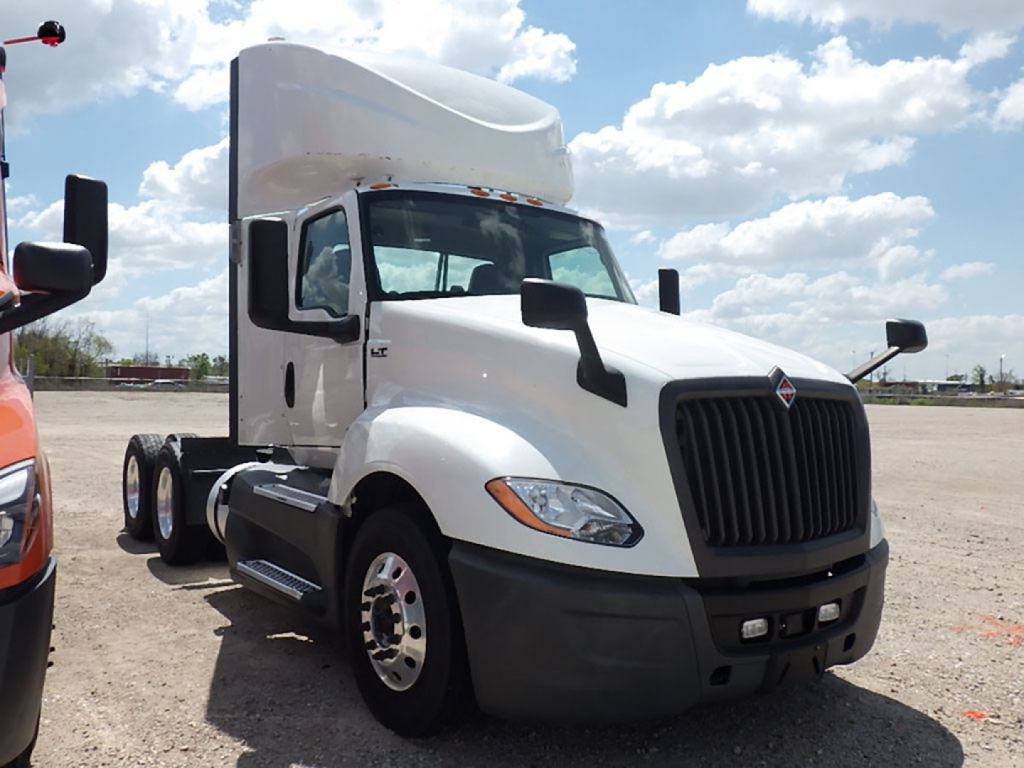
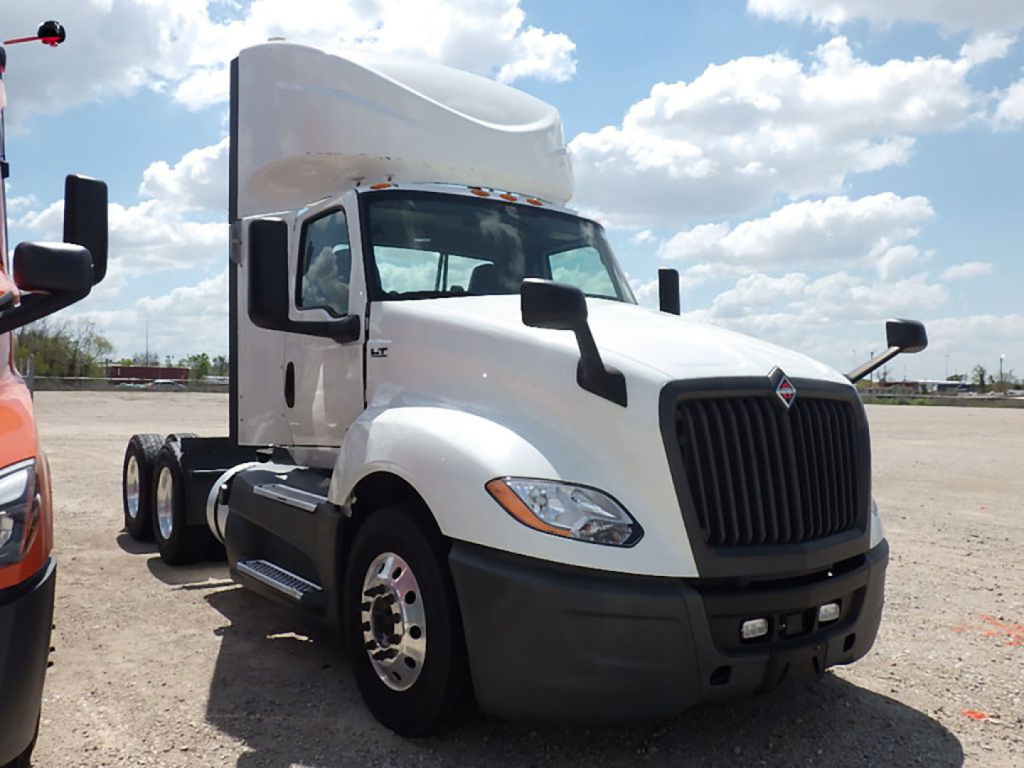
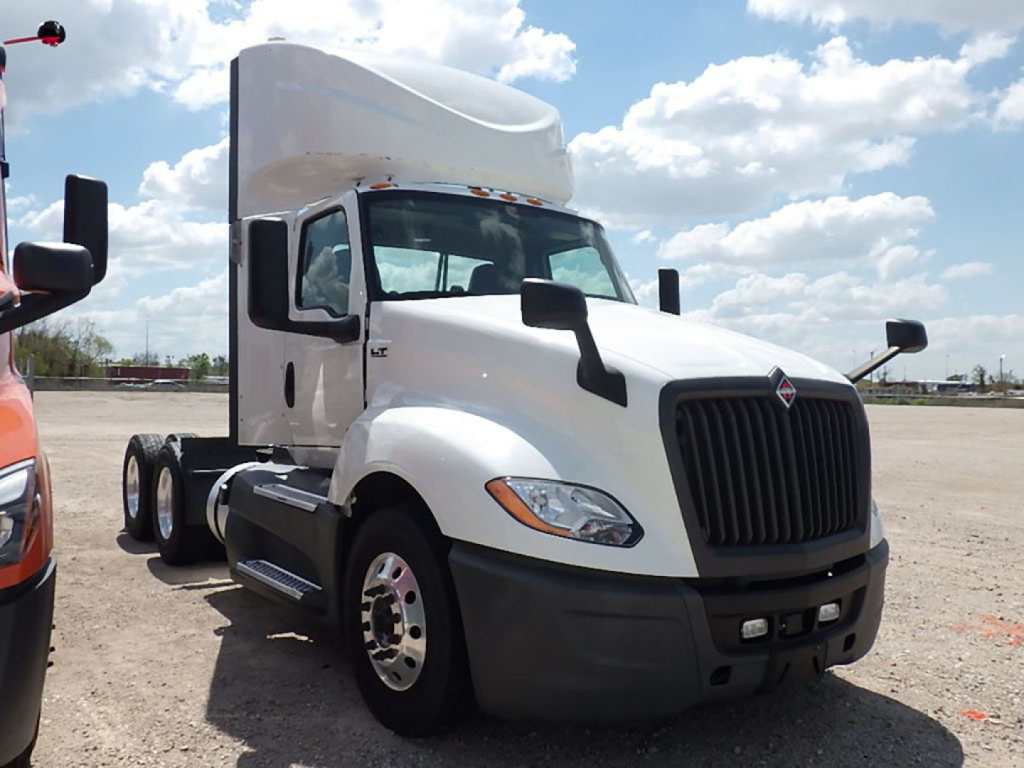
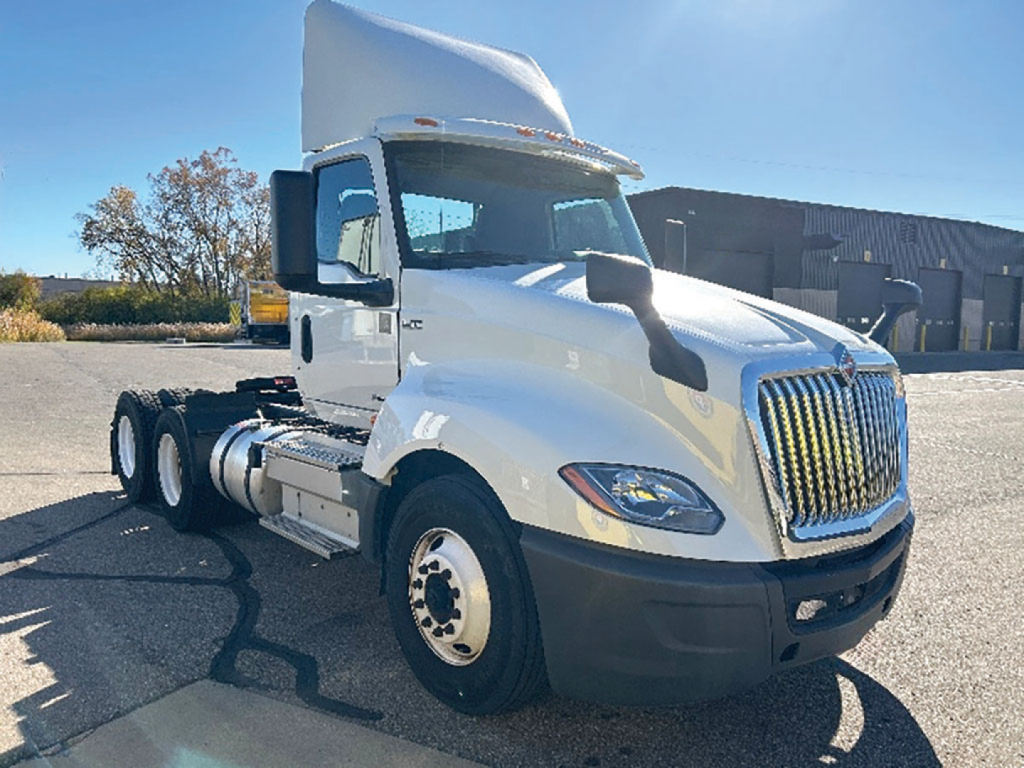
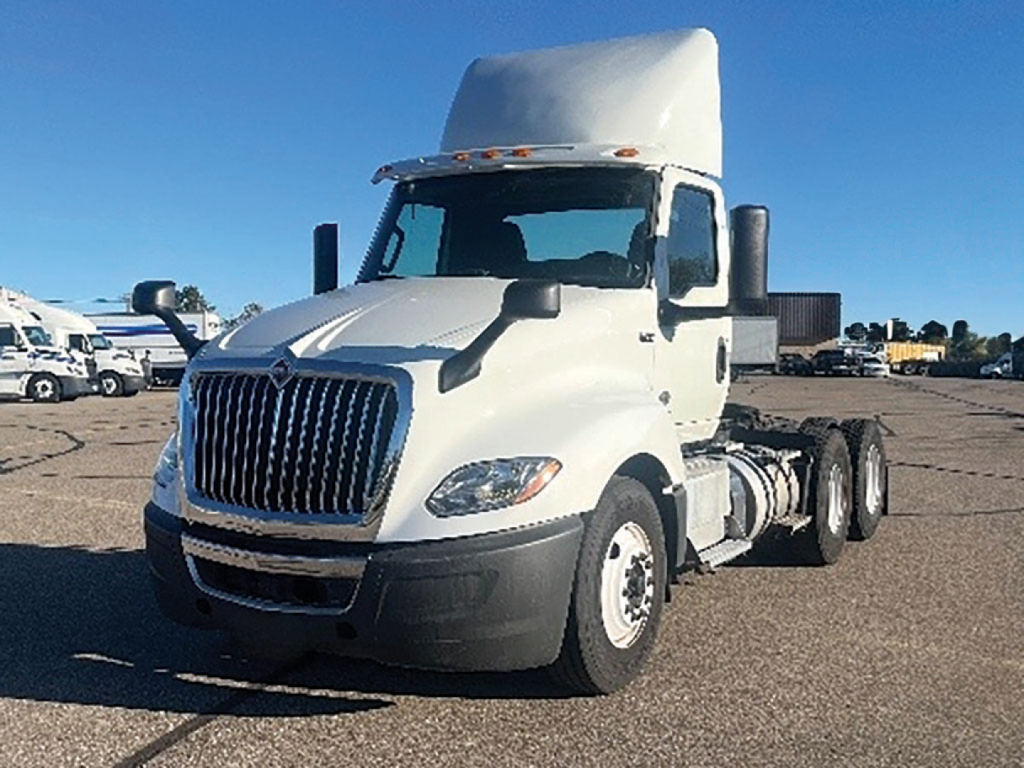
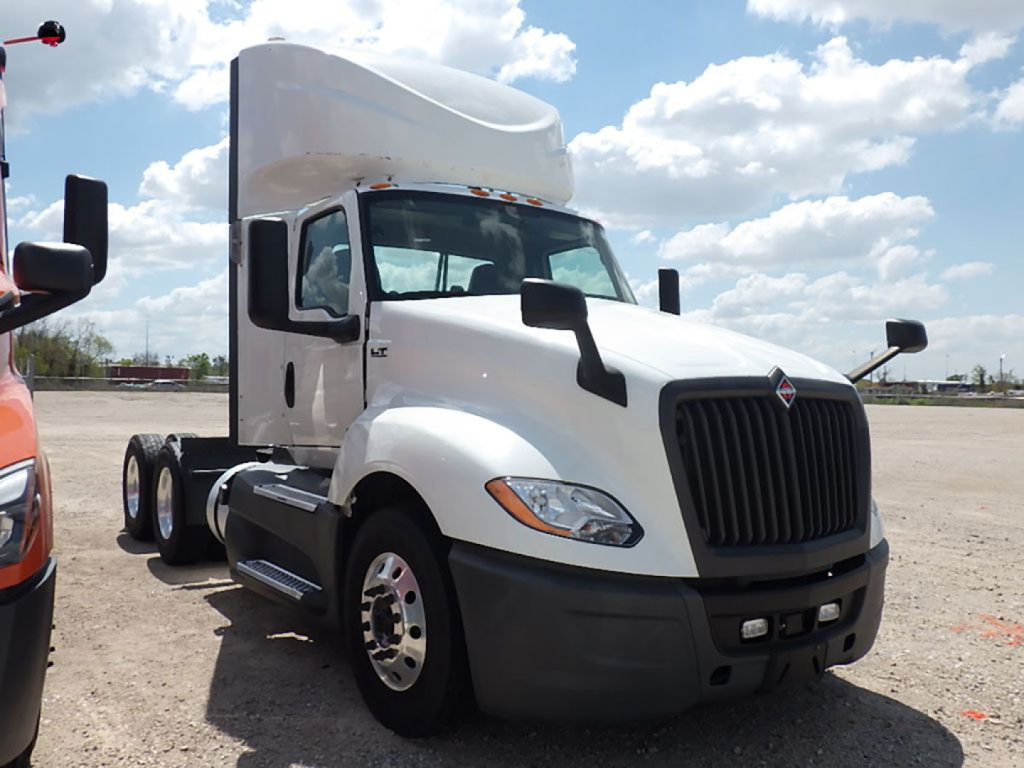
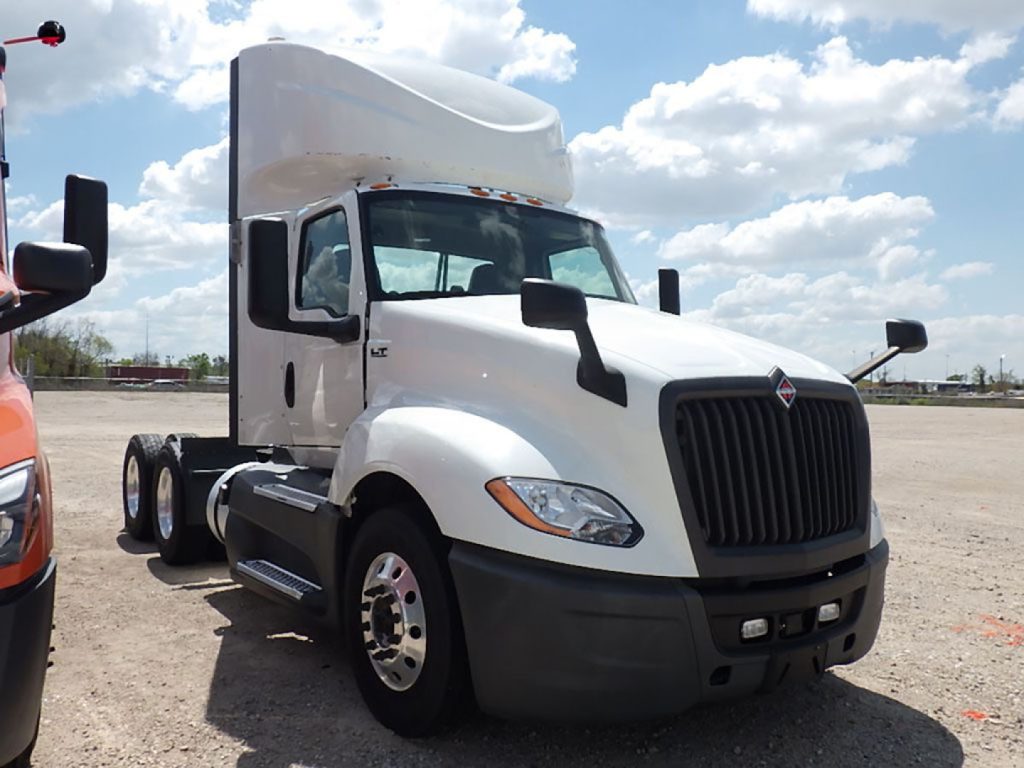
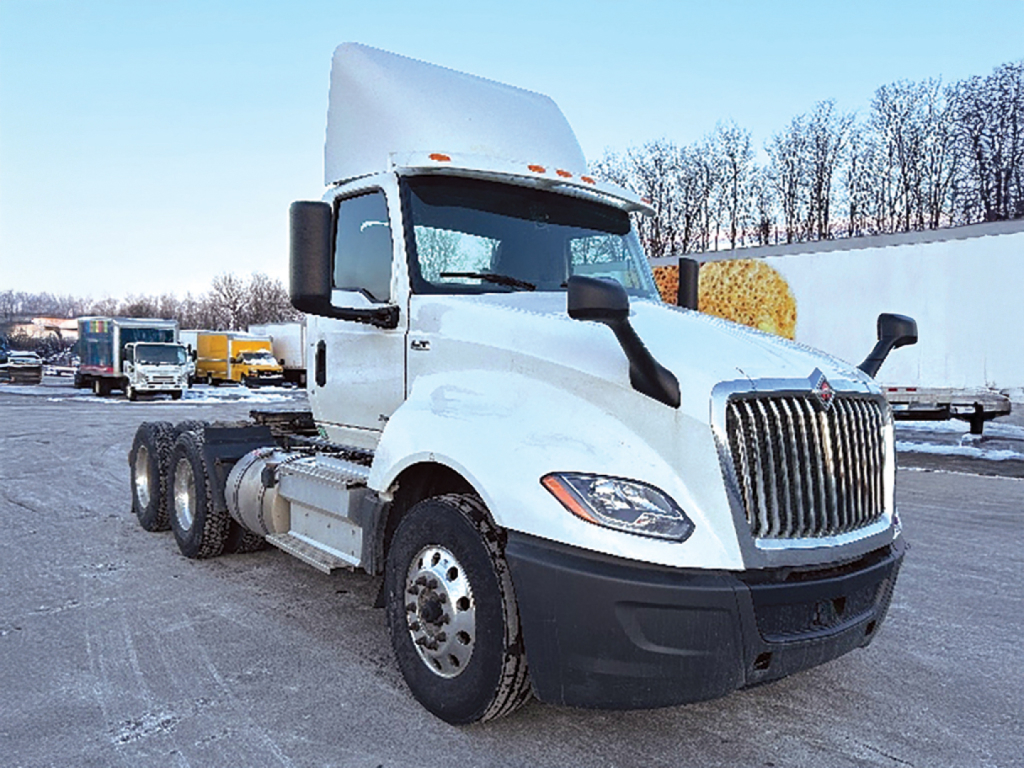
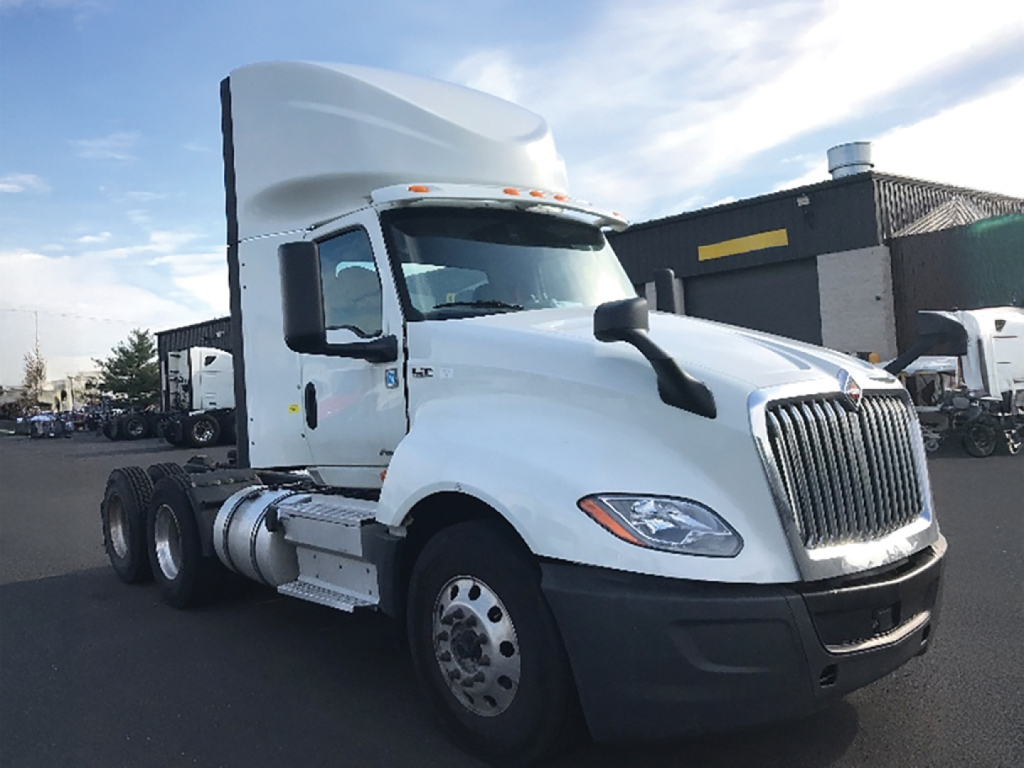
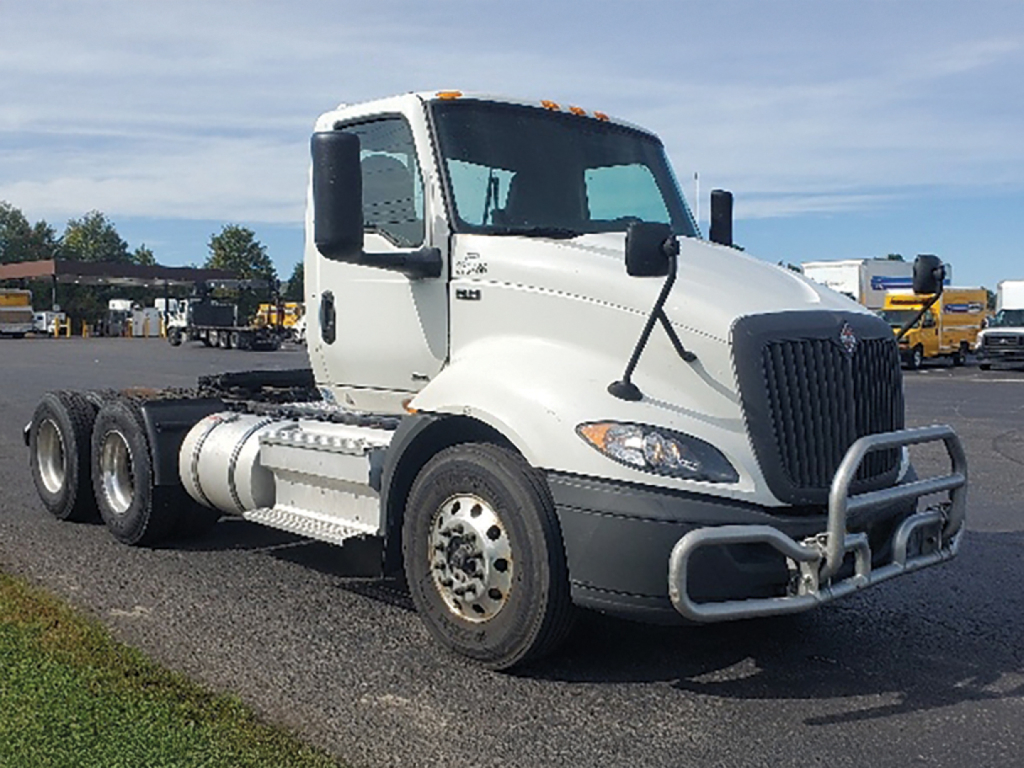
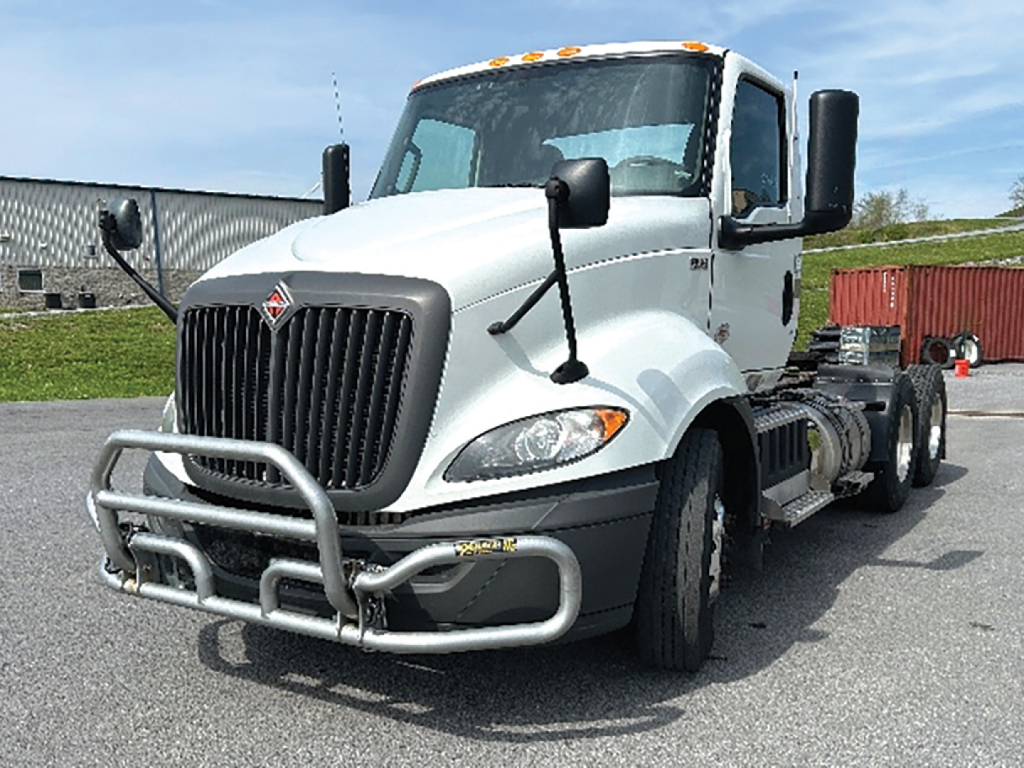
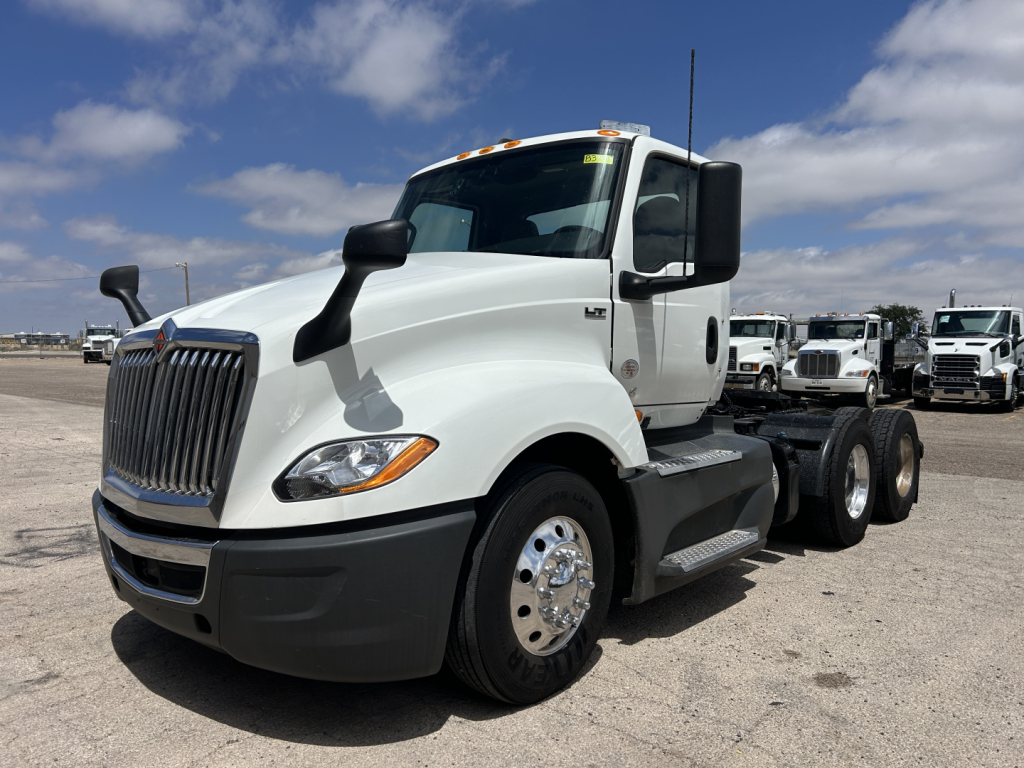
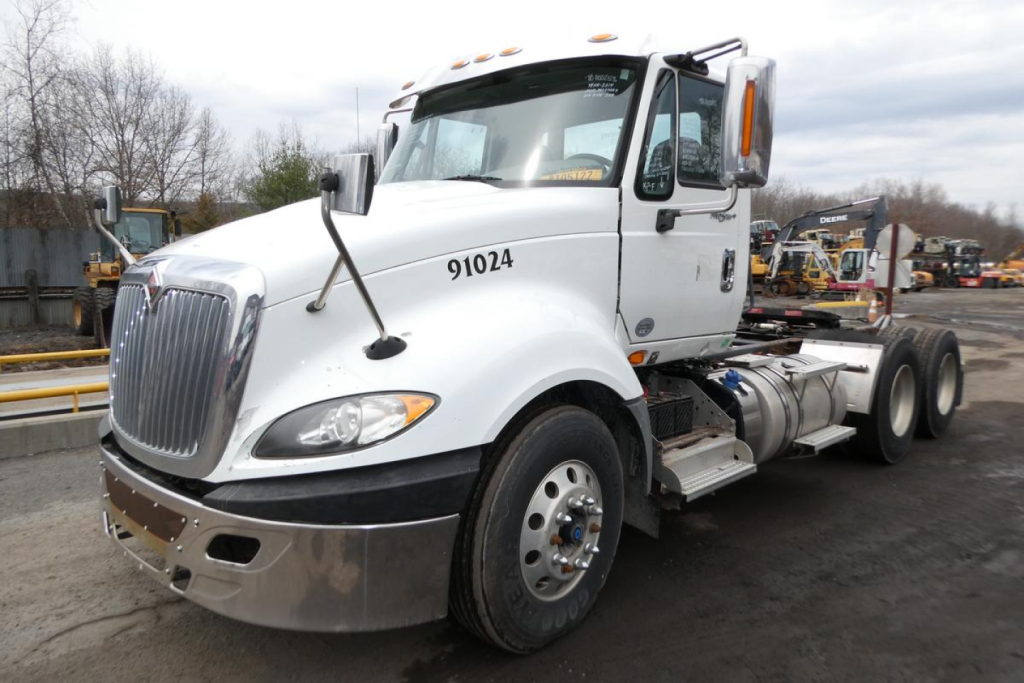
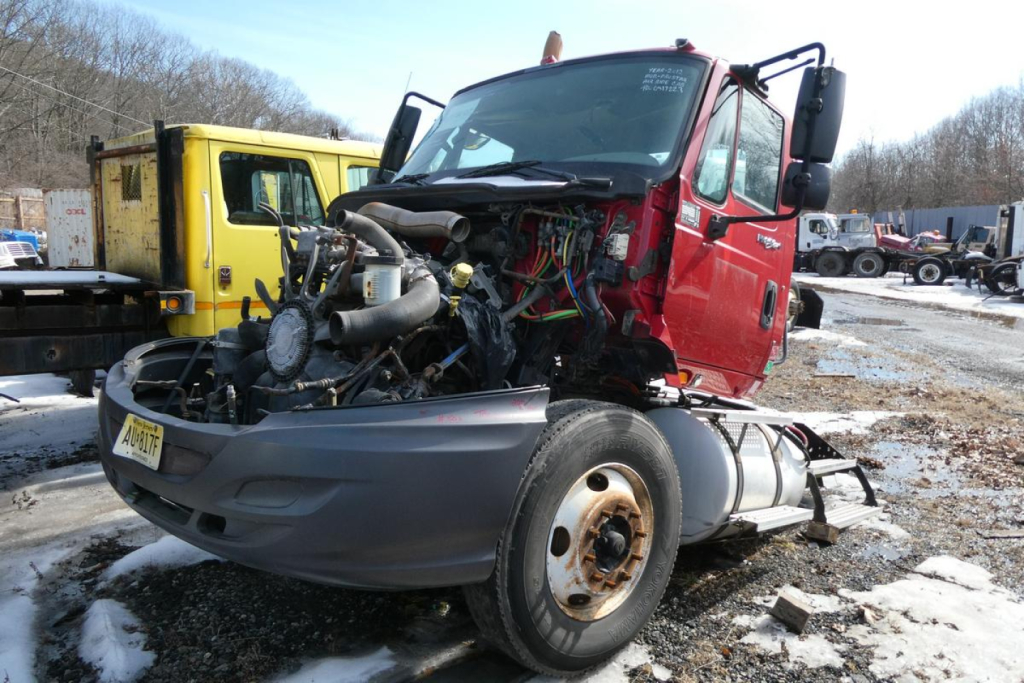
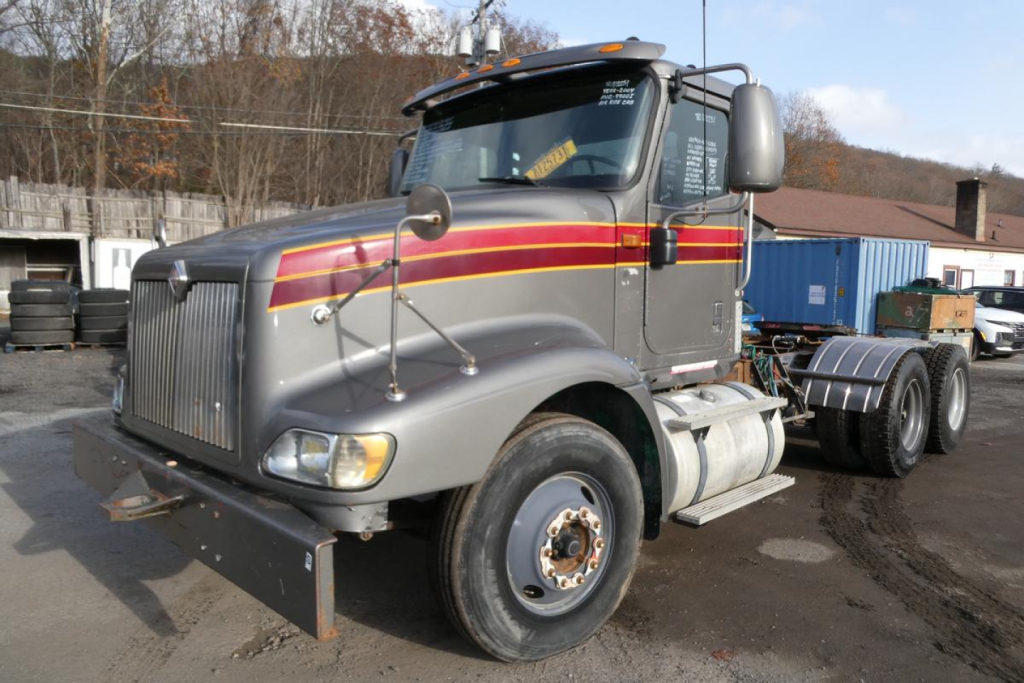
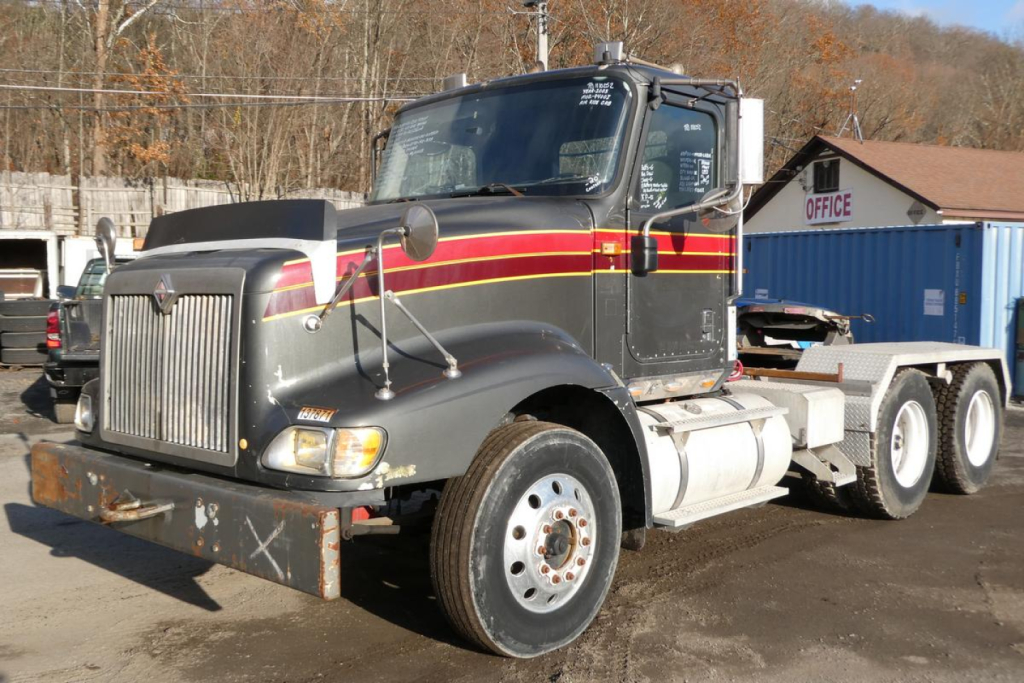
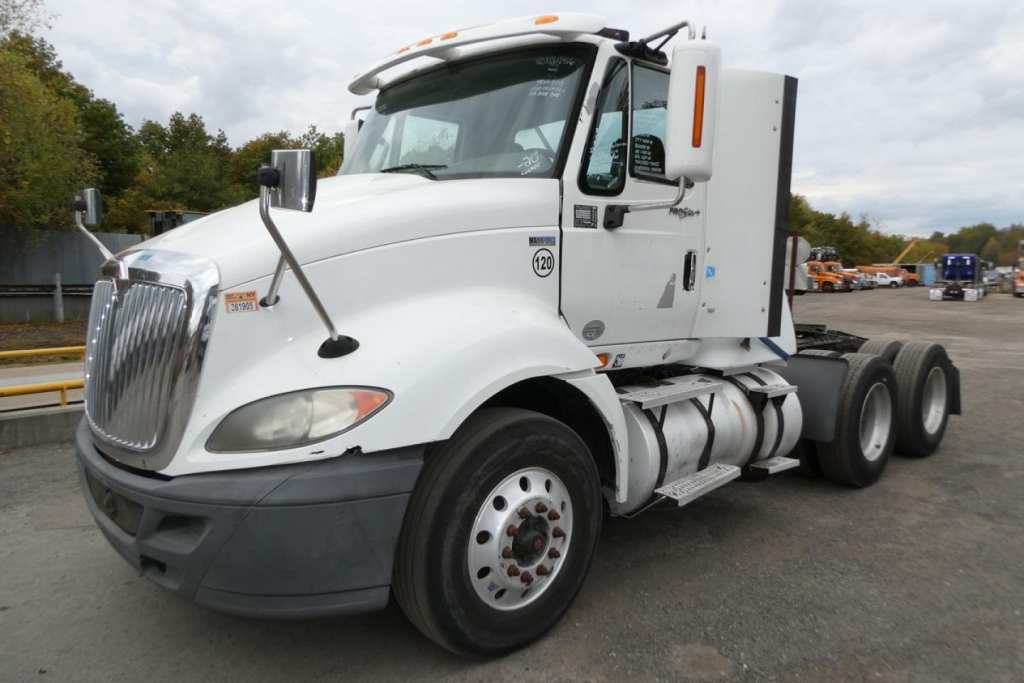
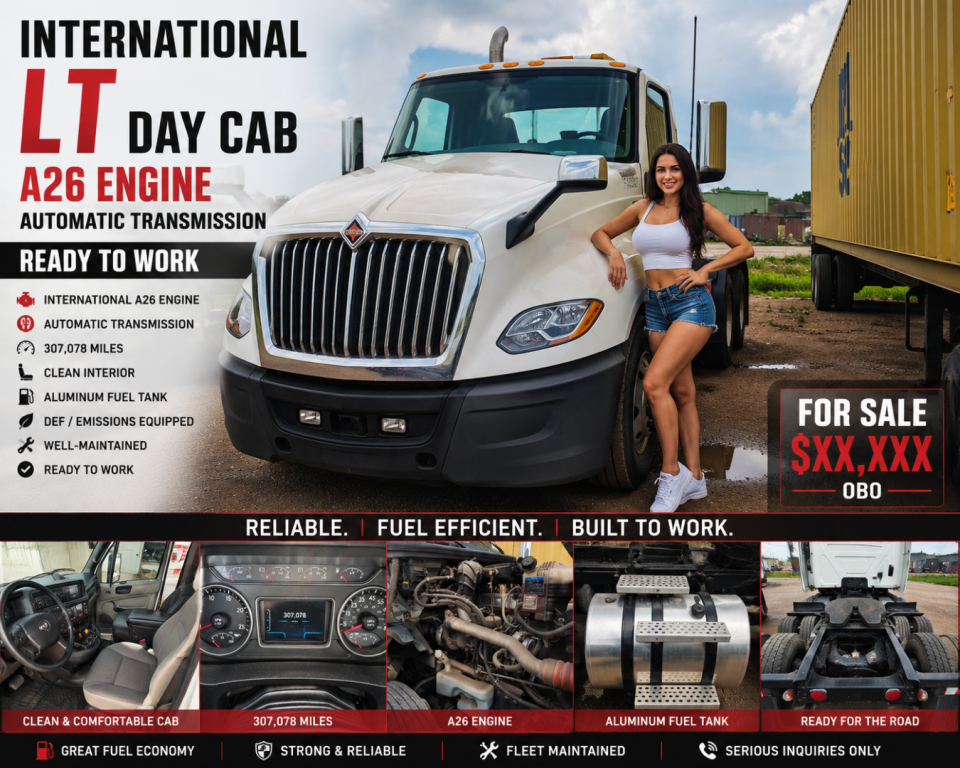
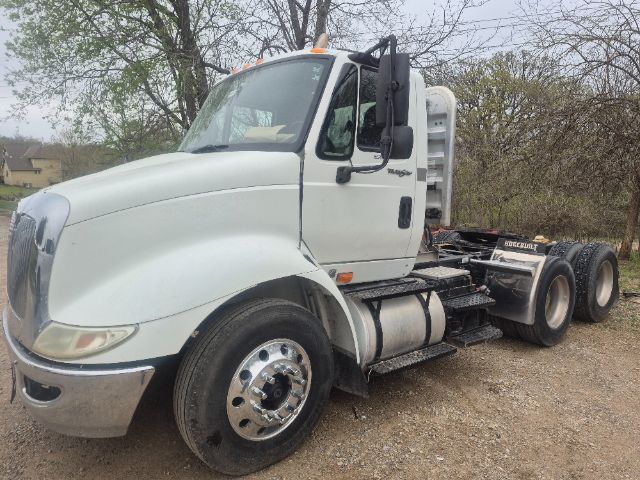
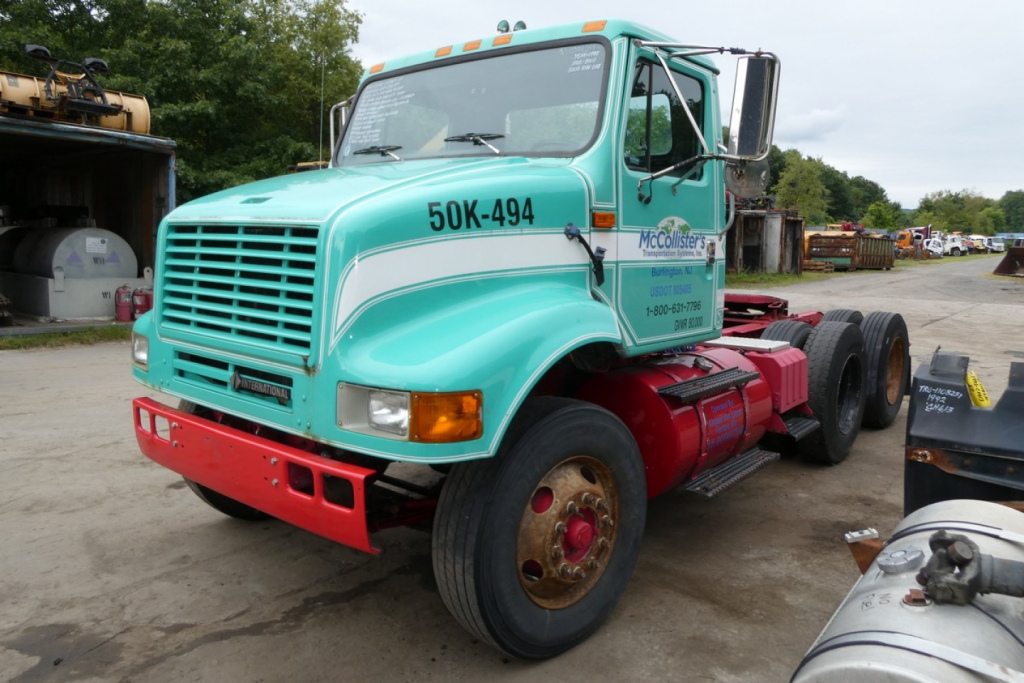
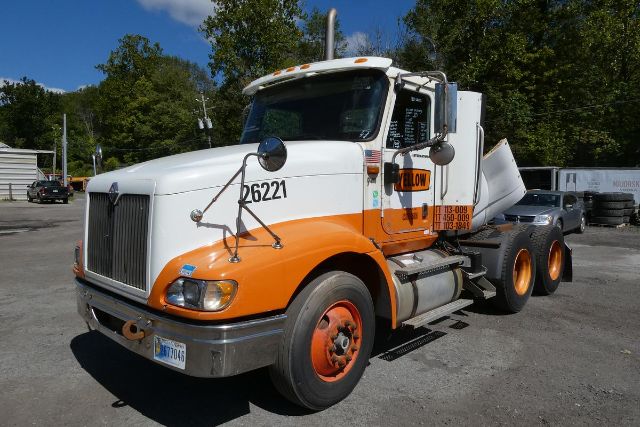
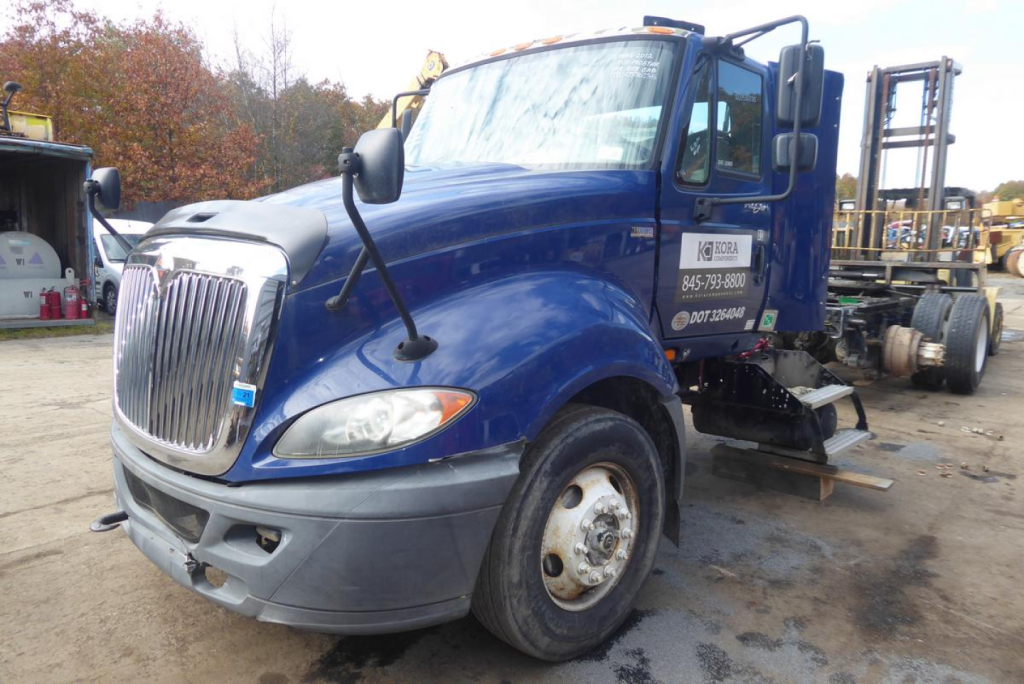
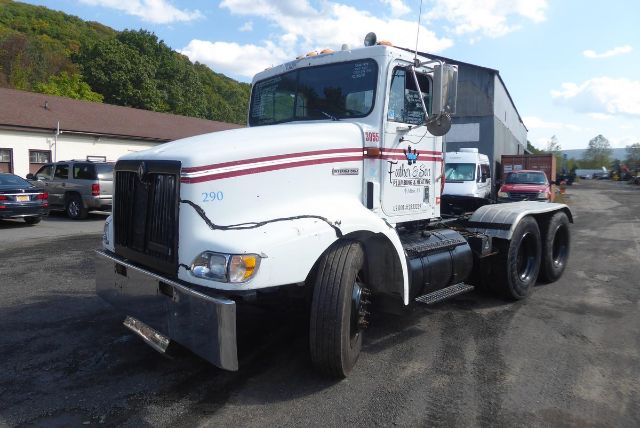
Showing 29 to 56 of 66 results
Have international conventional daycab truck to sell? List it here to reach thousands of buyers.
International Conventional Daycab Trucks
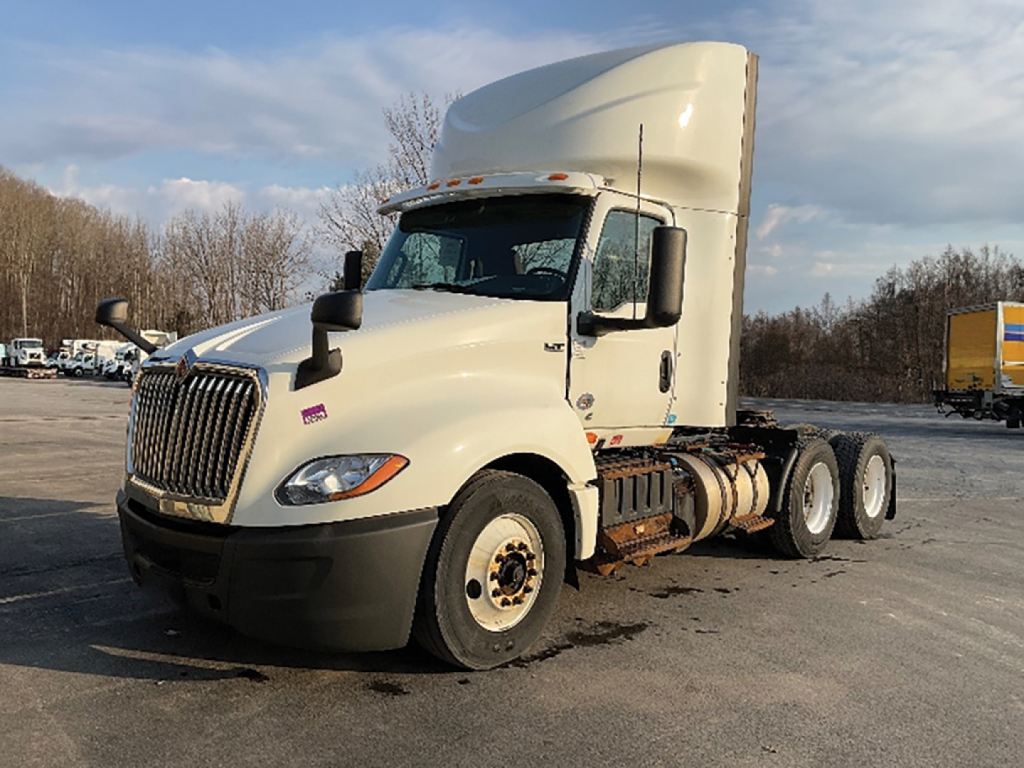
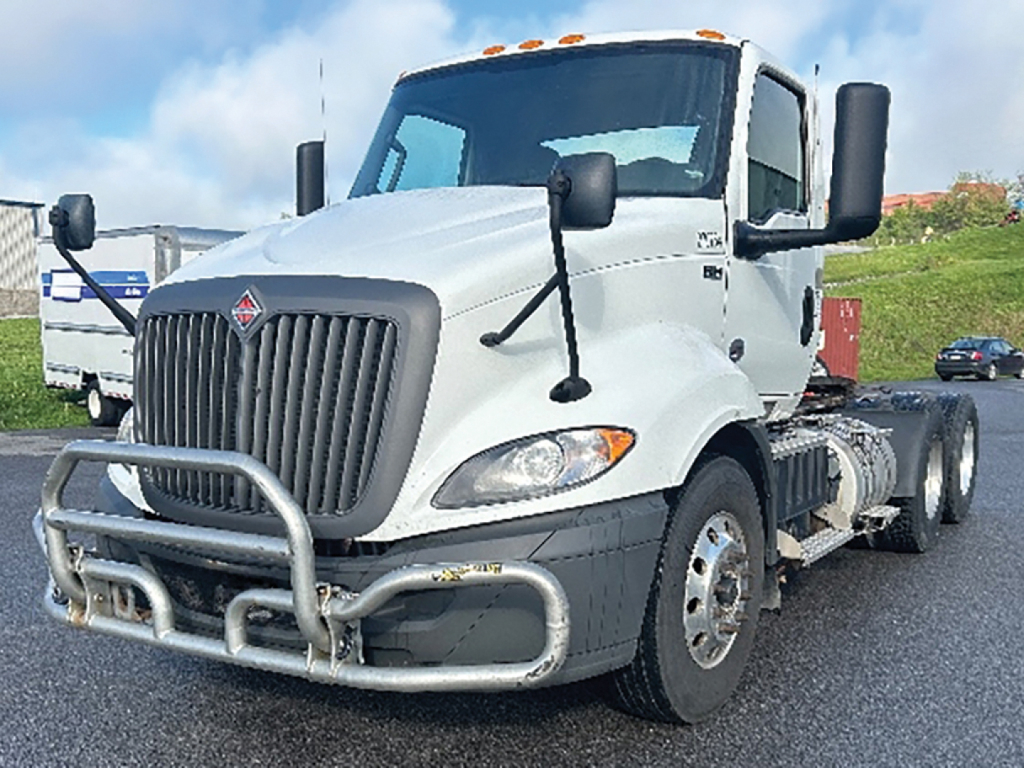
Powertrain choices typically center on the Navistar A26 and Cummins X15 or X12, paired with Eaton Fuller manual, UltraShift or Endurant automated transmissions. The A26 trims significant weight and delivers strong fuel economy in regional duty, the X15 brings higher torque for heavy bulk or steep grades, the X12 suits weight sensitive routes. Match rear axle ratios to cruise speed and terrain, common picks range from 2.64 to 3.36, and verify startability with your GCW. Factory axle options include 4x2 and 6x4, with driver controlled differential locks and wheel end options that support air disc brakes. Spec aluminum wheels, aluminum air tanks, and a single 100 to 120 gallon fuel tank to cut tare weight when payload is the priority.
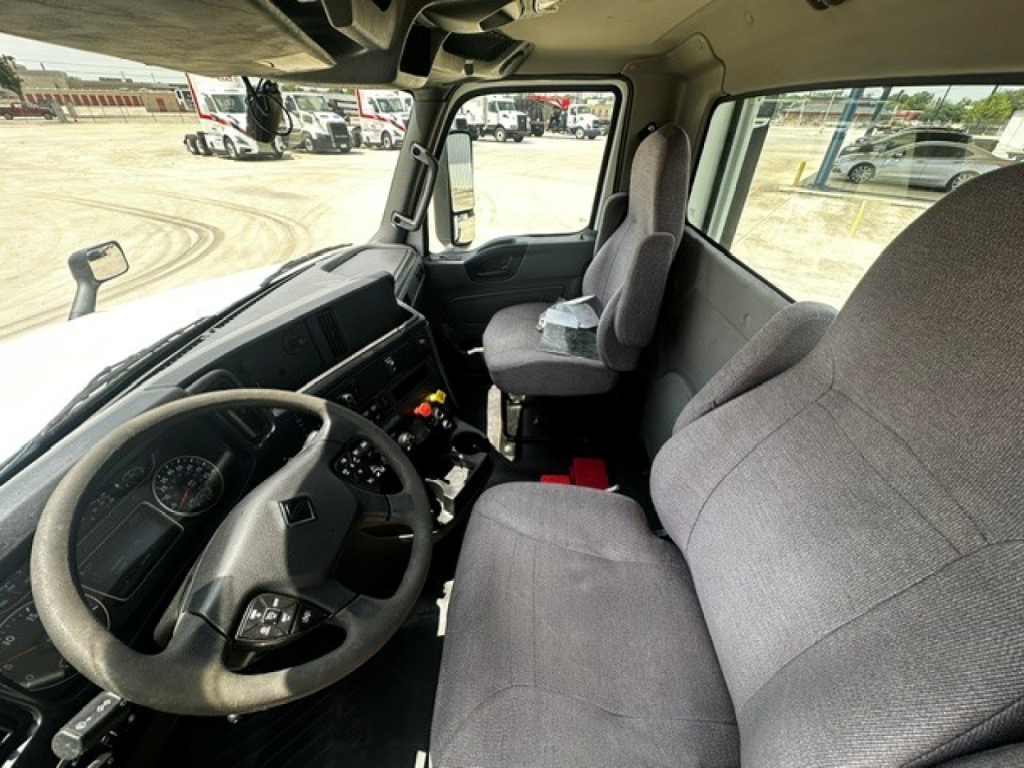
Cab design on recent LT and RH day cabs uses e coated steel with composite panels, sealed harnesses, and stainless fasteners to reduce corrosion from salt and fertilizer. Thermal integrity is helped by improved insulation, tight door seals, and HVAC systems that maintain set point in heat or cold, important for driver alertness in stop and go work. Look for the revised HVAC module with better blend door sealing, high output compressors, and fresh air filtration that keeps dust and chaff out of the cab. Flooring options include heavy vinyl over reinforced pans and double sealed step wells that keep water out, extending life of seat mounts and cab floors.
Ride and uptime depend on the right suspension and brakes. Air ride drive suspensions smooth fragile loads and reduce cab shake, steel spring suspensions cut weight and cost, air disc brakes shorten stops and shed heat better than drums, with modest tare savings. Consider wheelbase and fifth wheel height to meet bridge and kingpin to rear axle limits when pulling 53 foot trailers, and verify front axle ratings for snow plow or pump mounts if the chassis will see vocational equipment. Rust protection should be verified underneath, an intact frame finish, undercoating in high spray zones, and sealed connectors save you sensors and downtime. Collision mitigation, TPMS, and remote diagnostics support lower operating cost, but simplicity may be preferred for fleets doing in house repairs.
Frequently Asked Questions about International Conventional Daycab Trucks
Which engine is the best fit for an International conventional daycab truck?
For weight sensitive regional work, the Navistar A26 offers a strong balance of power and fuel economy with meaningful tare savings. For heavy GCW, steep terrain, or frequent stop and go bulk hauling, the Cummins X15 provides higher torque and broader gearing flexibility. The Cummins X12 is a good middle ground where every pound matters but you still need solid gradeability. Match the engine to duty cycle, terrain, and required startability, not just peak horsepower.
What rear axle ratio should I choose for regional or city routes?
Select a ratio that puts the engine at its sweet spot at your cruising speed, usually 1,050 to 1,250 rpm at 60 to 65 mph for modern engines. Flatter routes can run faster rears like 2.64 to 2.85 with an overdrive transmission, hilly or stop and go routes often need 3.08 to 3.36 to preserve startability and reduce clutch abuse. Always calculate startability based on GCW, desired launch gear, and grade percent to avoid driveline stress.
What is a typical tare weight for an International day cab tractor, and how can I reduce it?
A modern 6x4 International day cab with a mid range engine and automated transmission often scales between 17,000 and 19,000 pounds, with 4x2 builds coming in lighter. To cut weight, spec the A26 or X12 where appropriate, aluminum wheels, aluminum air tanks, a single fuel tank, low weight fifth wheel, disc brakes, and lighter suspensions. Weight savings of 600 to 1,200 pounds are realistic with a disciplined spec.
How do International day cabs address corrosion, and what should I inspect?
Cabs use e coated steel structures, composite hoods, sealed electrical connectors, and stainless hardware to resist rust. Inspect frame paint thickness and coverage, look for intact undercoating in wheel spray zones, confirm drain paths at step wells and cab corners, and check battery boxes, DEF tanks, and mounting brackets for galvanic corrosion. In snowbelt or coastal service, rust inhibitors and routine fresh water rinses extend service life.
What affects thermal integrity and driver comfort in a day cab?
Thermal integrity depends on cab insulation, door seal compression, glass area, and HVAC capacity. Look for high output compressors, clean condensers, and tight blend doors to maintain set temperatures. Sunload, frequent door cycles, and long idle periods challenge HVAC systems, so consider auxiliary fans, window shades, and idle management features to stabilize cab temperature and reduce fatigue.