
New Mack Cab and Chassis Trucks For Sale
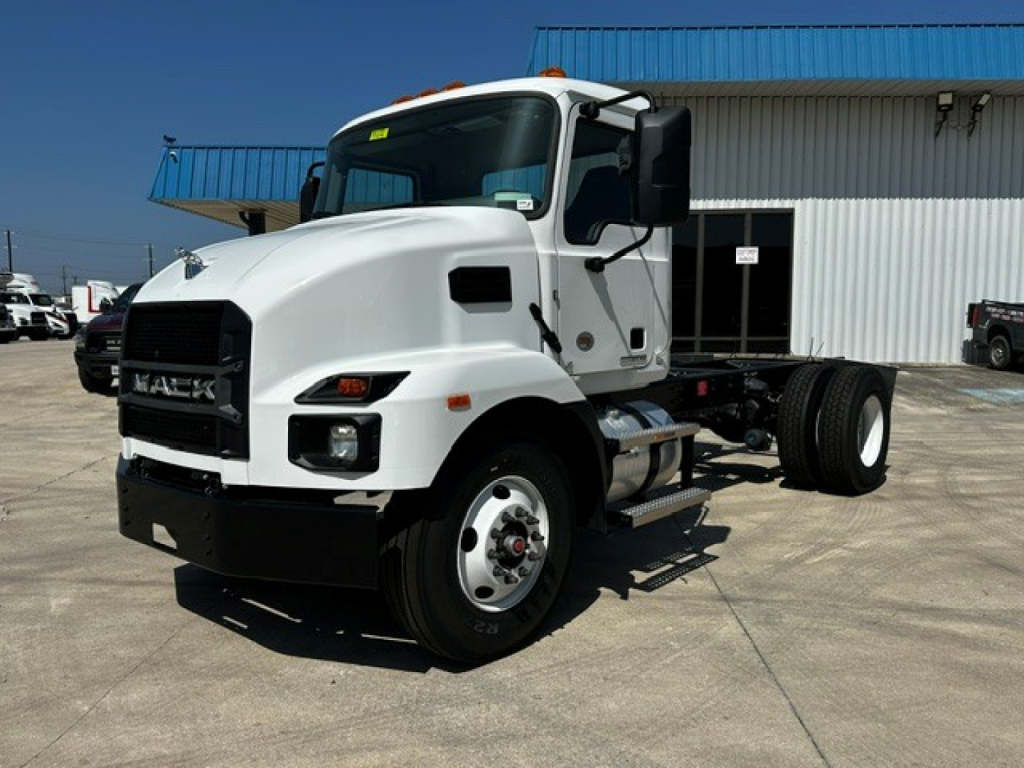
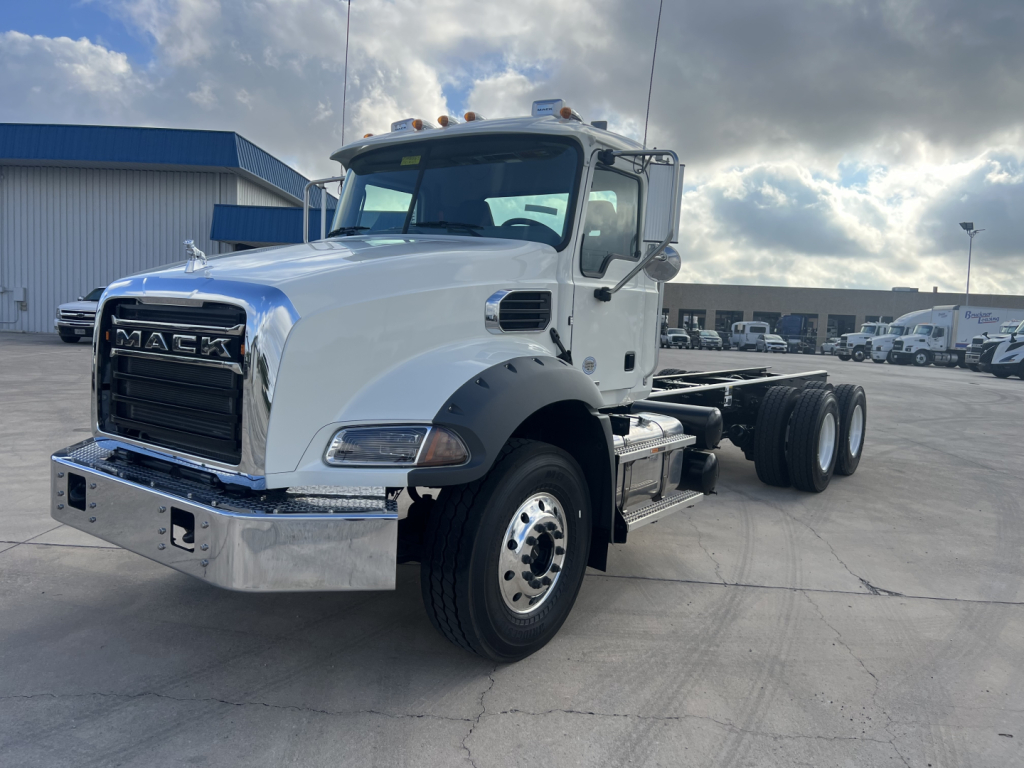
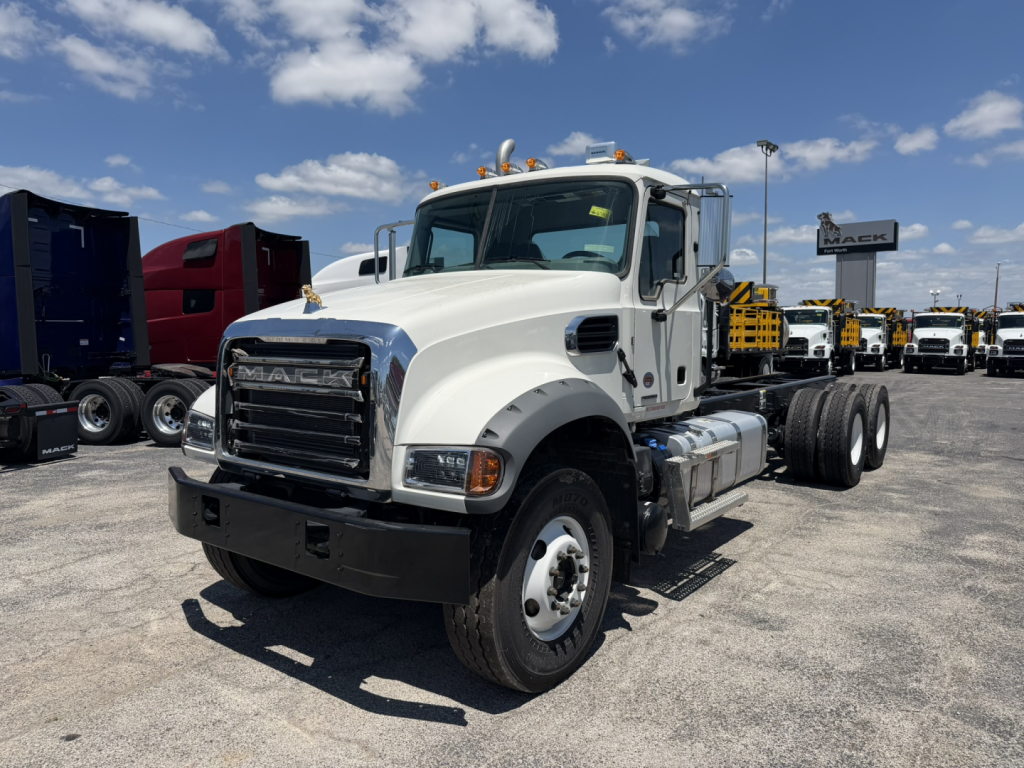
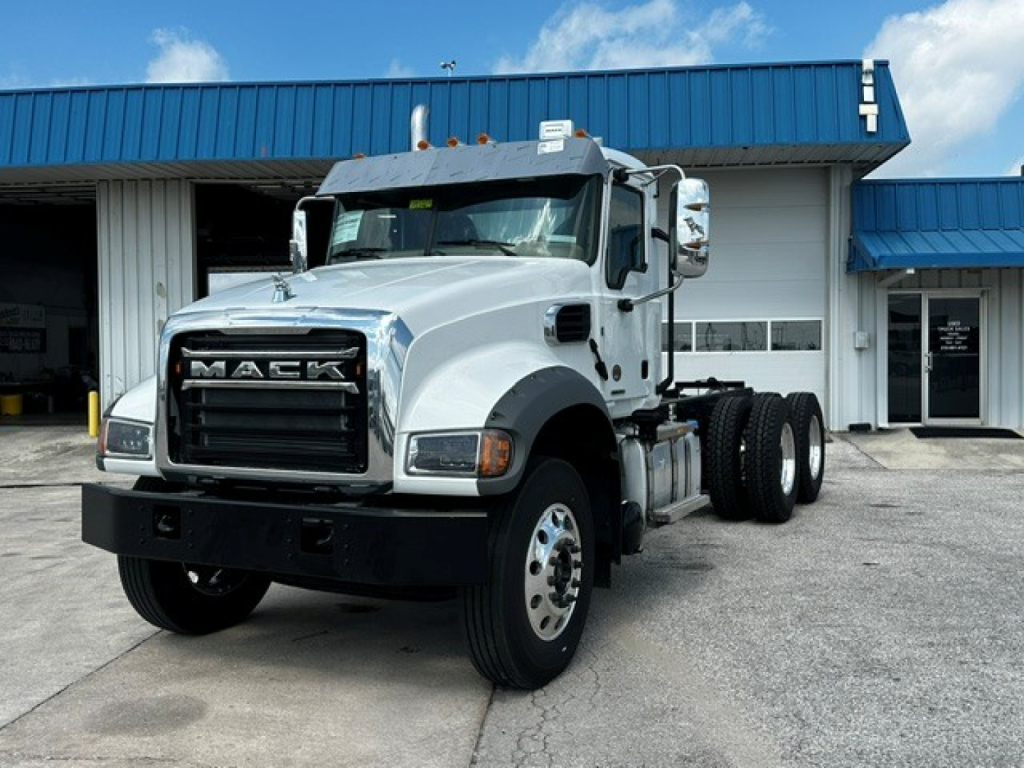
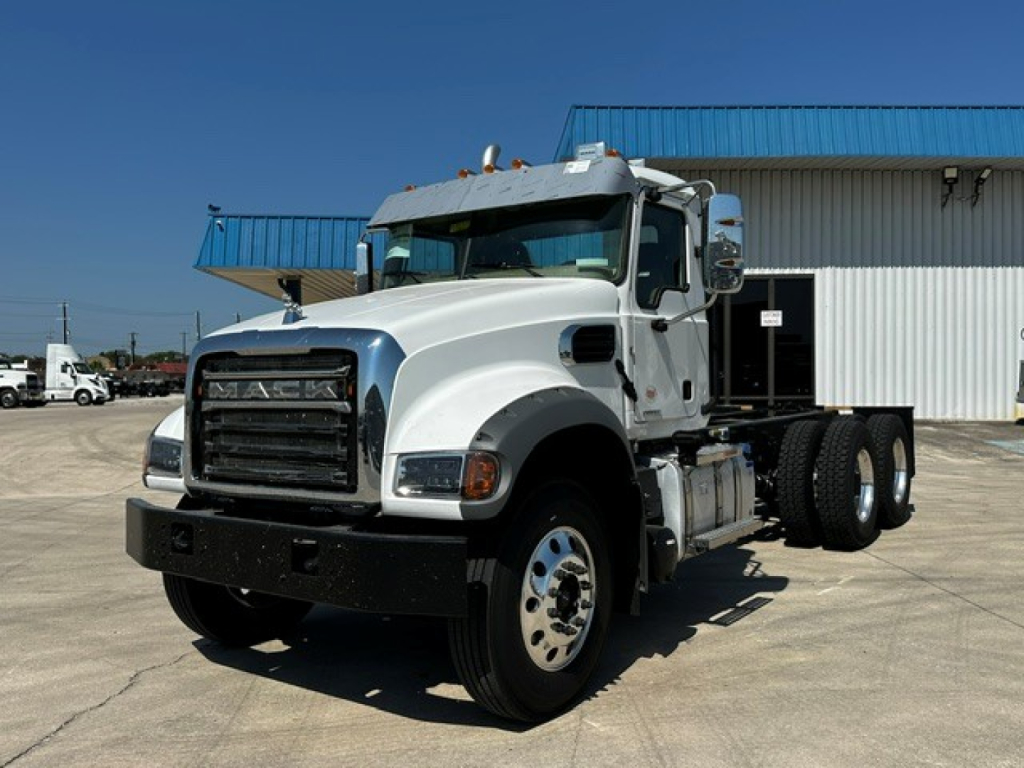
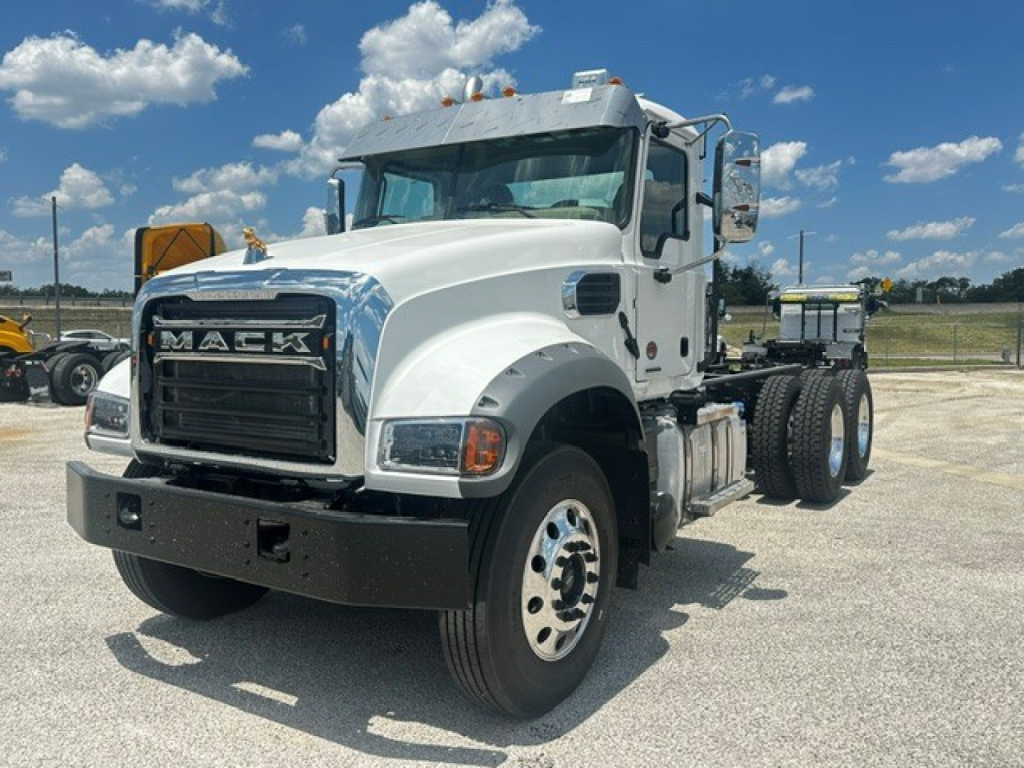
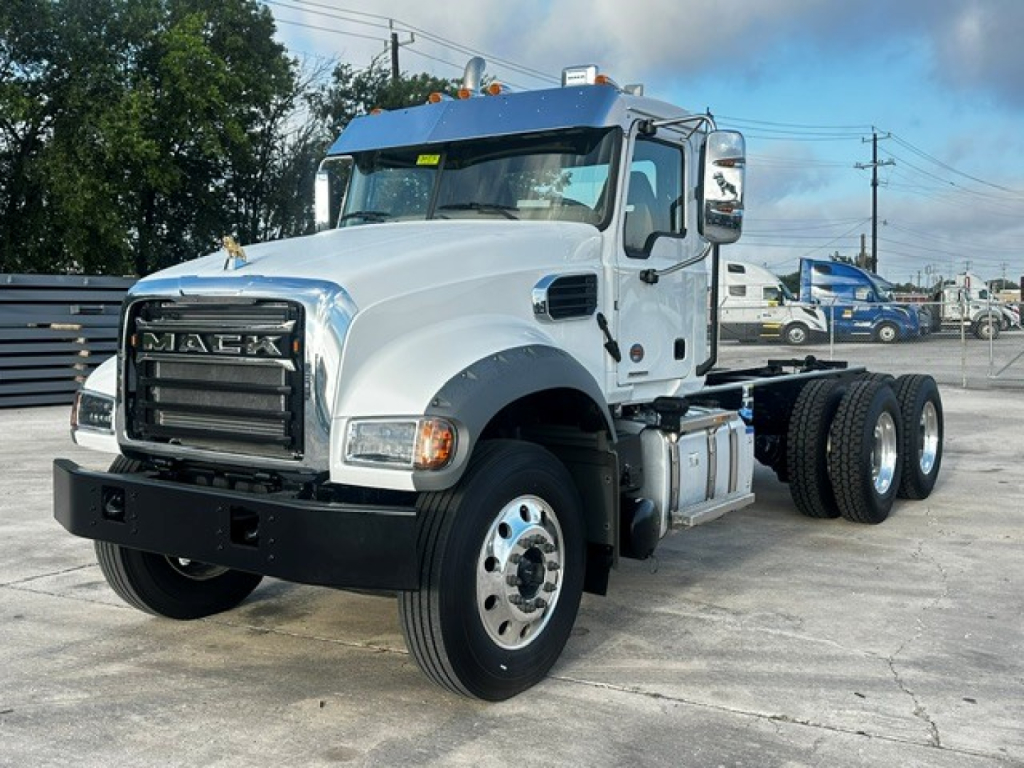
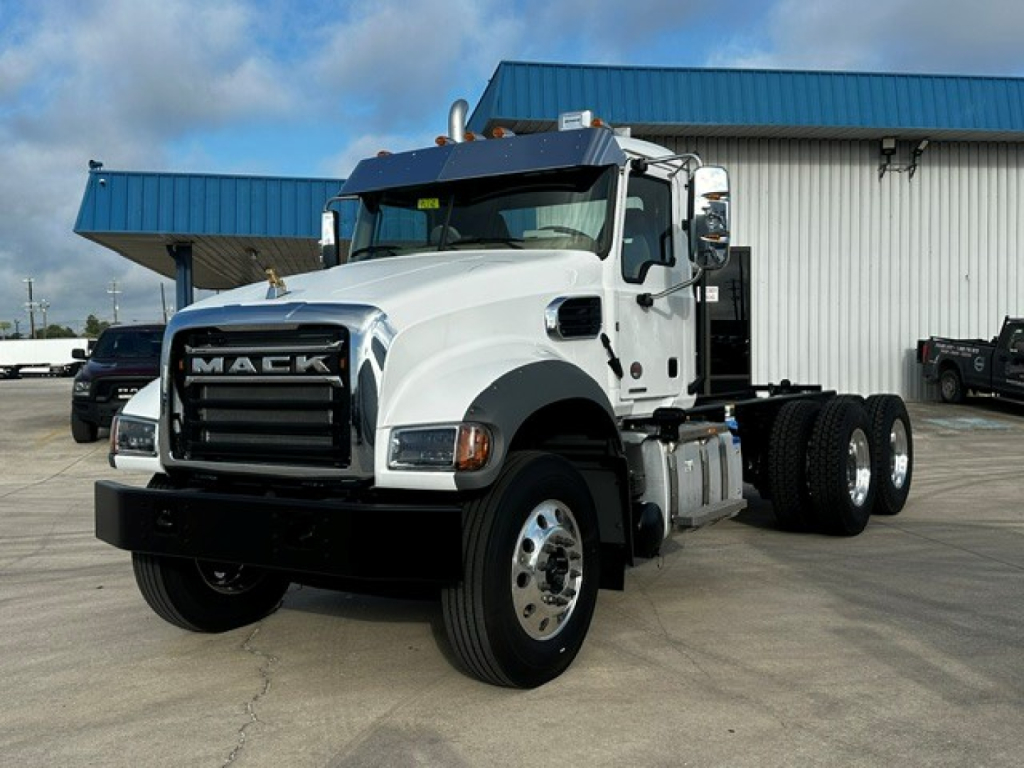
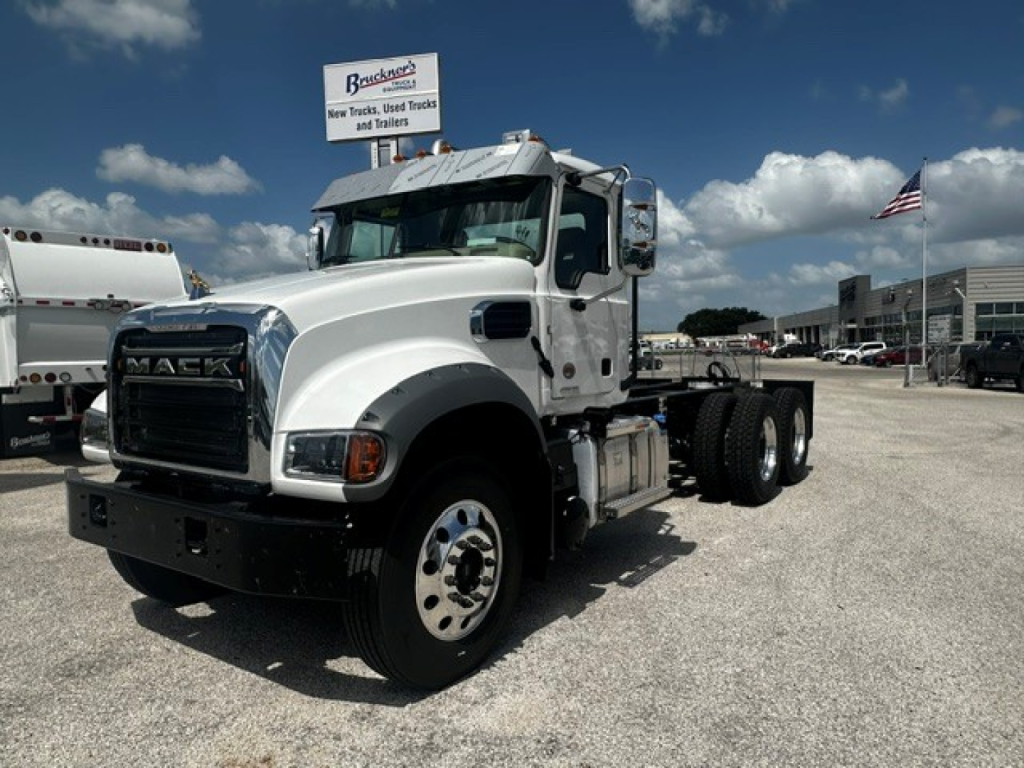
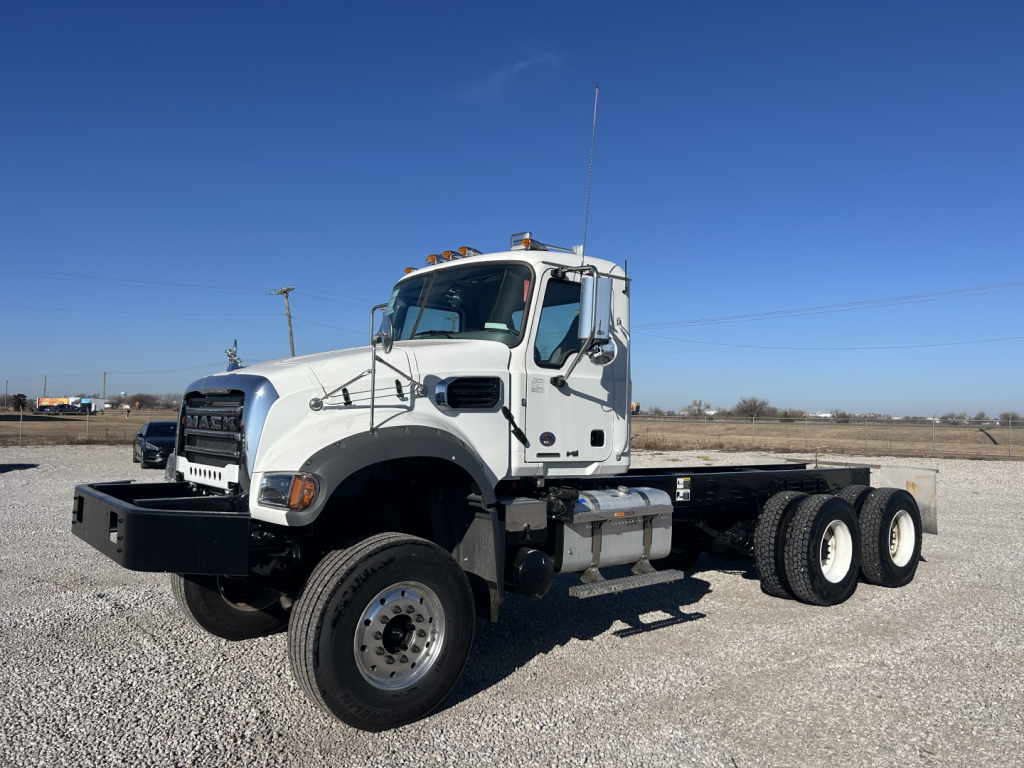
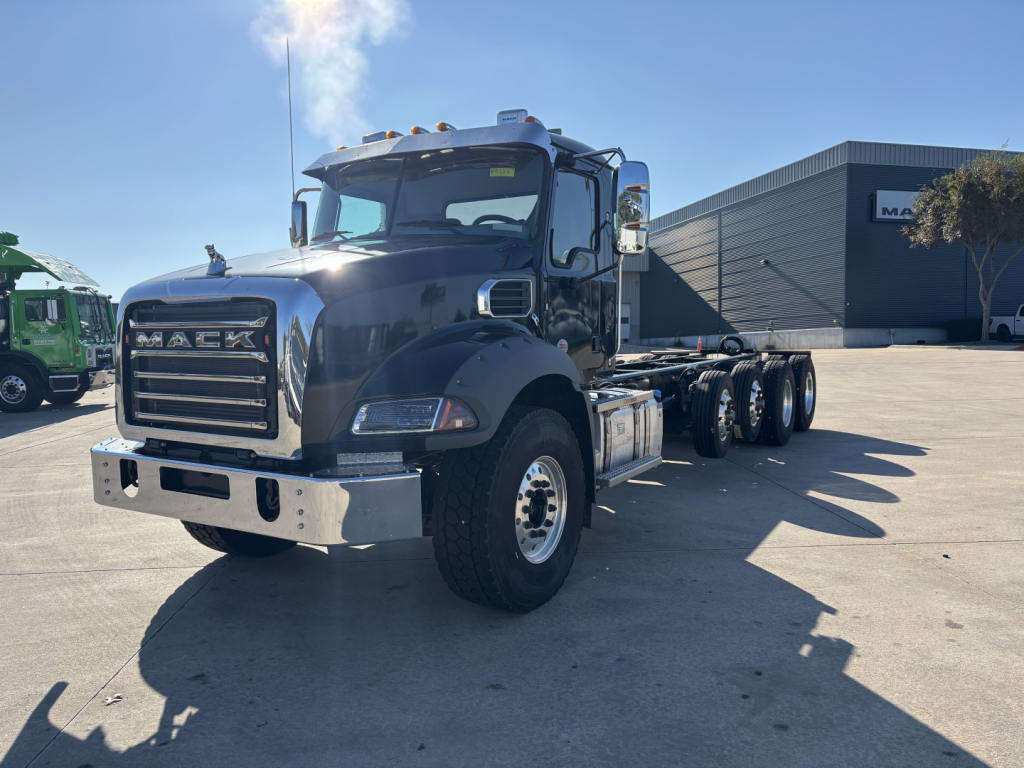
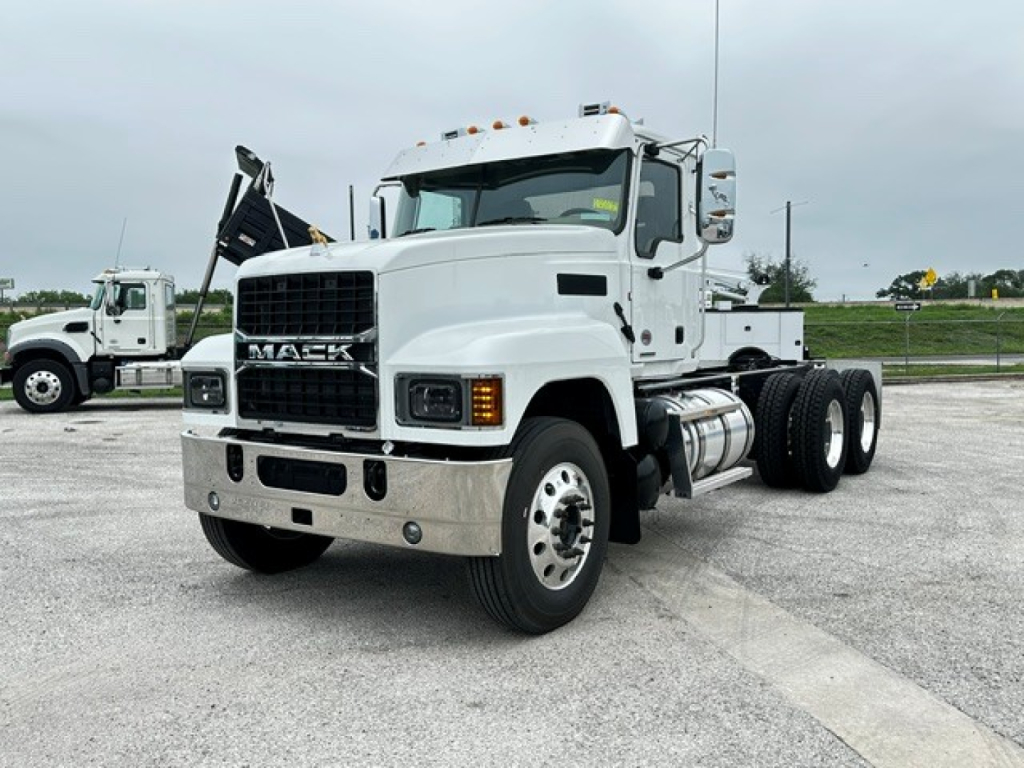
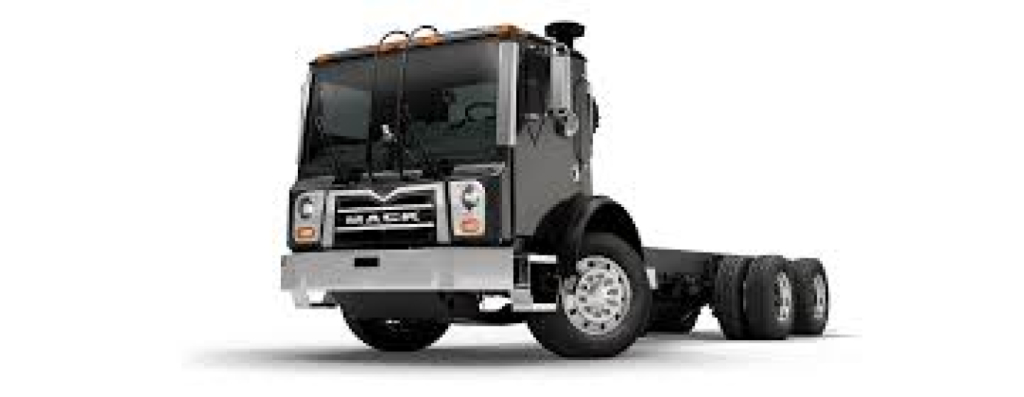
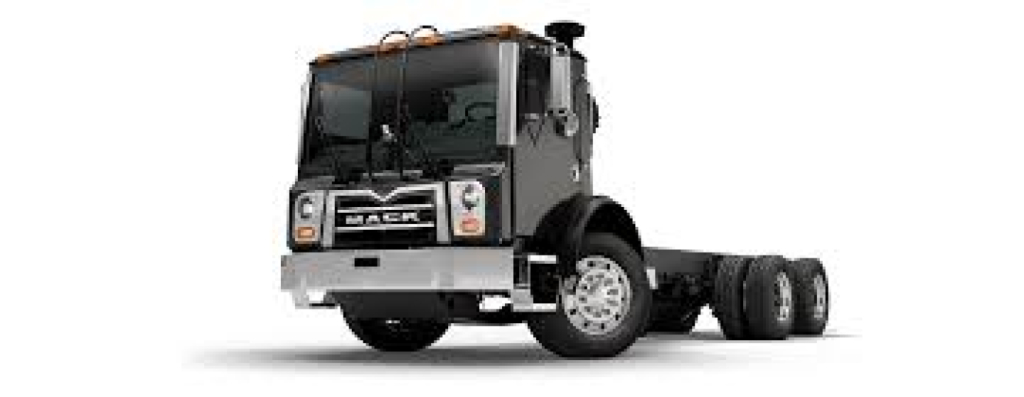
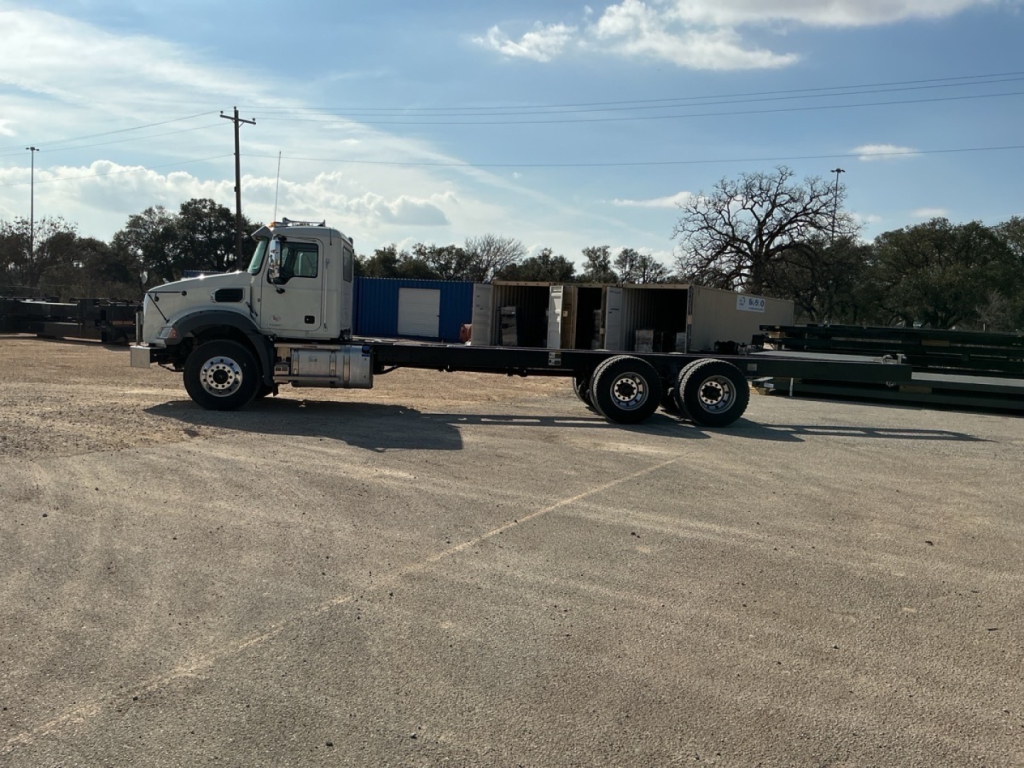
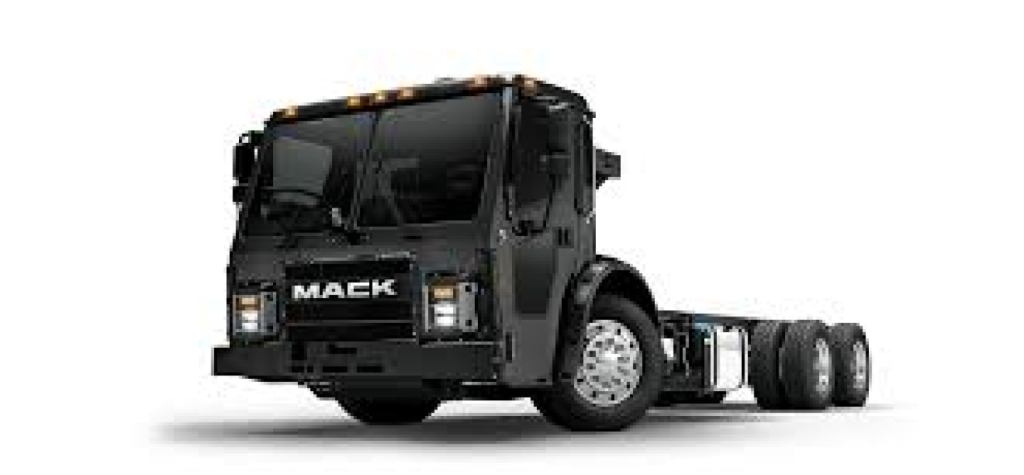
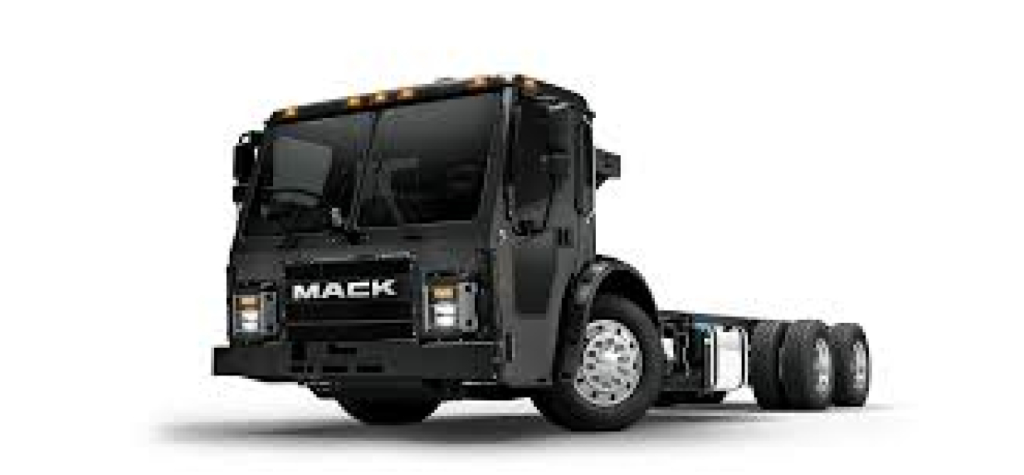
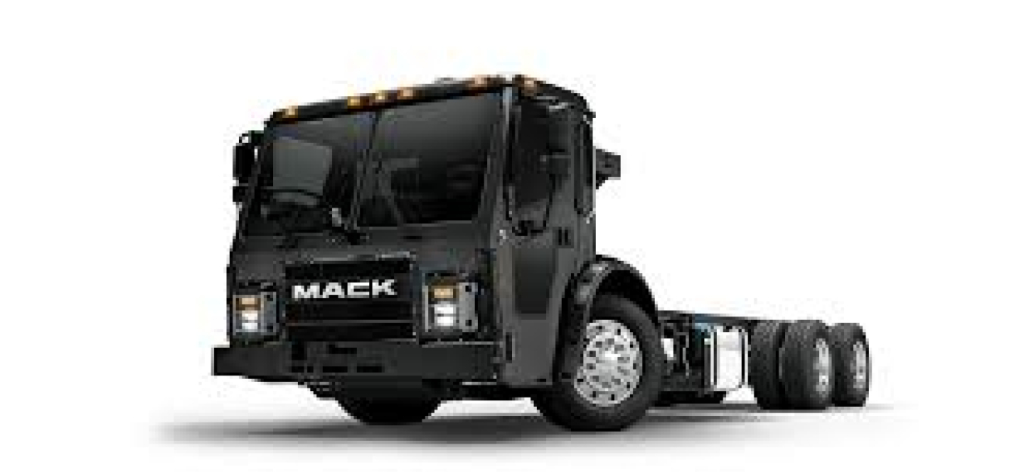
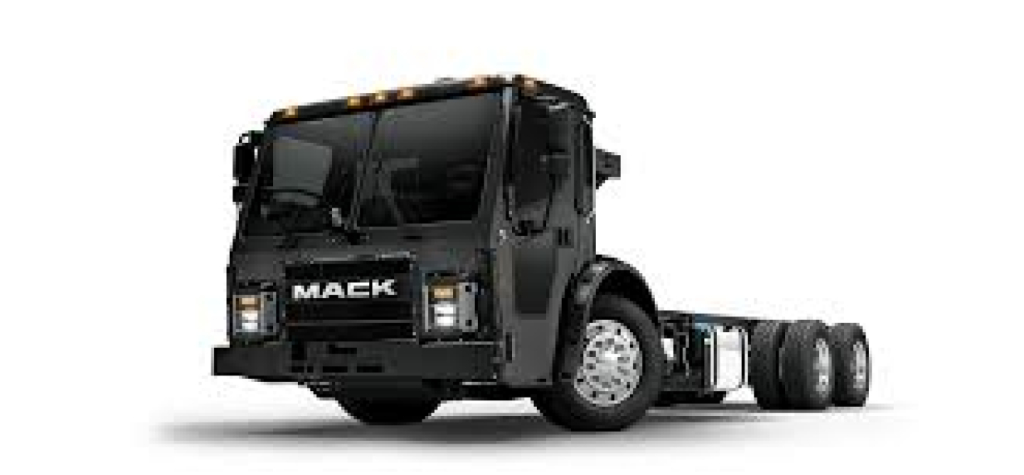
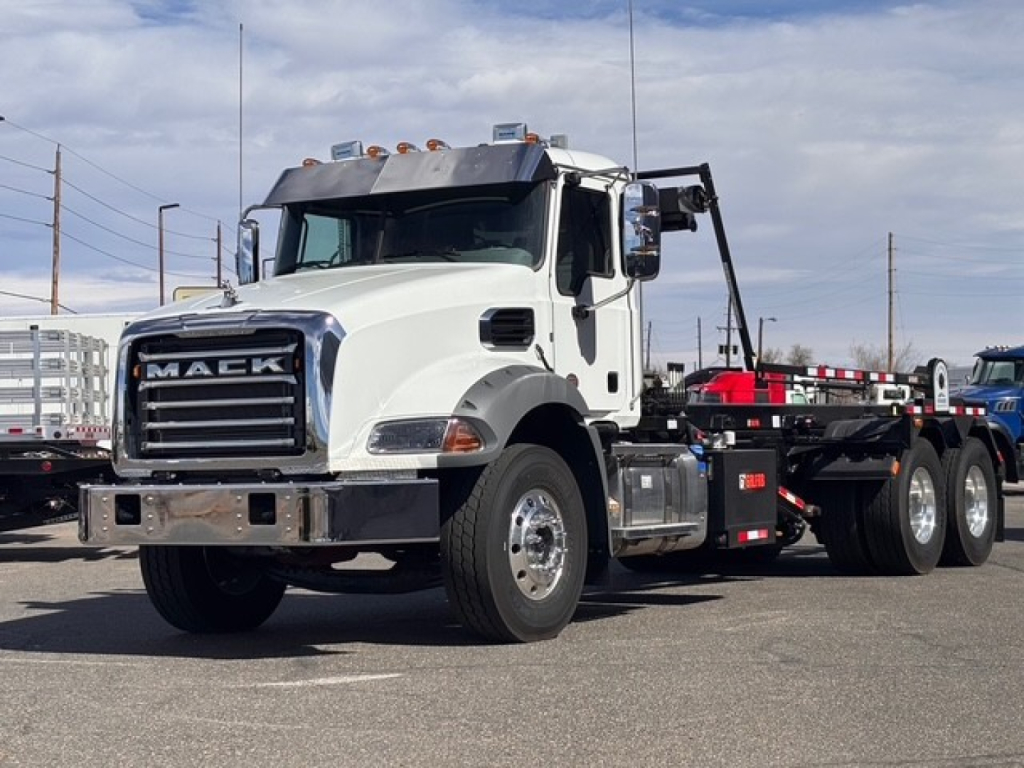
Showing 1 to 24 of 28 results
Have new mack cab and chassis truck to sell? List it here to reach thousands of buyers.
New Mack Cab and Chassis Trucks
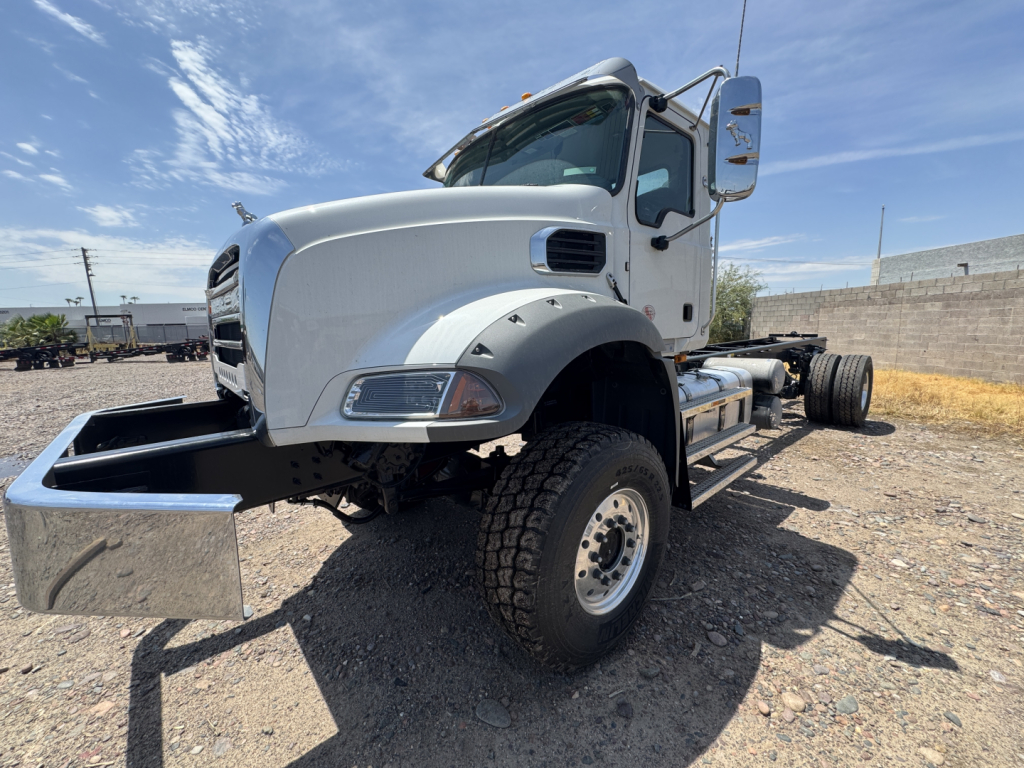
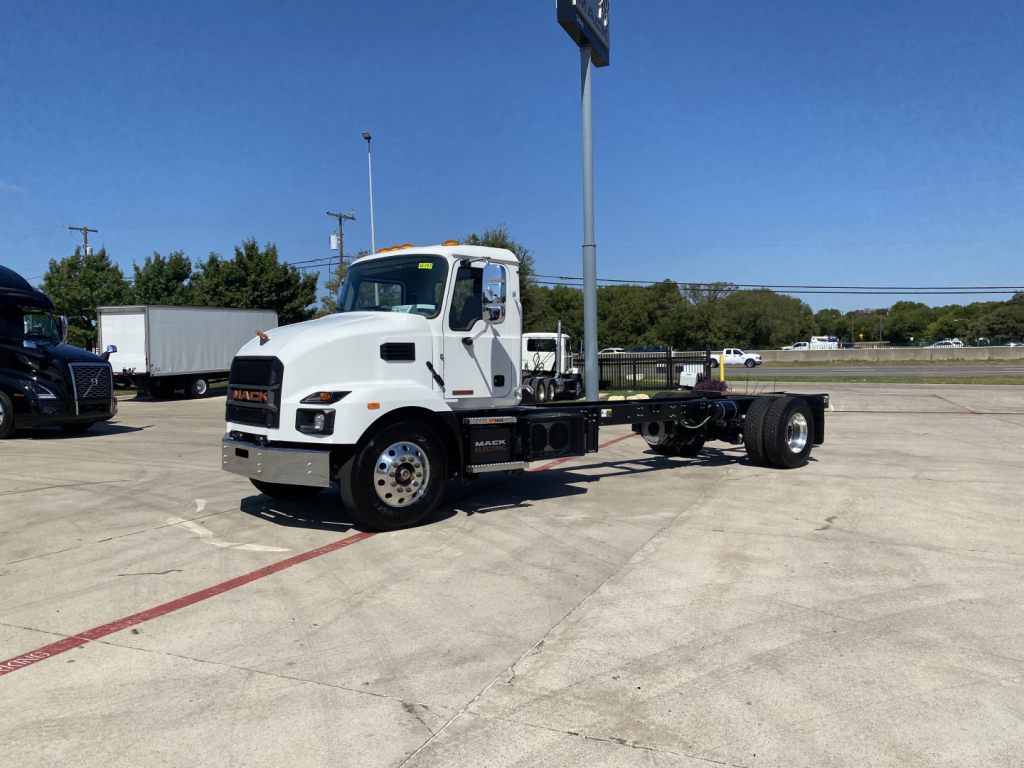
The first decision is usually application, because that drives wheelbase, axle ratings, PTO needs, and transmission choice. Granite cab and chassis models are common for construction, municipal, and heavy material hauling, often spec’d with MP7 or MP8 engines, tandem rears, and front axles in the 18,000 to 20,000 lb range. GVWRs in this class commonly land around 64,000 to 66,000 lbs. Allison automatic transmissions are popular for refuse, utility, and mixed-route work where smooth engagement and PTO integration matter. Mack mDRIVE HD automated manual transmissions are a strong fit for dump, tractor-to-body conversions, and heavy vocational service where gear spacing, fuel control, and low-speed maneuverability are important. Creeper and multi-speed reverse options are worth paying attention to if the truck will back into transfer stations, paving jobs, or confined loading areas.
Suspension and axle spec matter as much as engine horsepower on a new Mack cab and chassis. Buyers will often compare Mack Camelback, mRIDE, and vocational air ride suspensions against Hendrickson options depending on payload, terrain, and body type. Camelback remains a proven choice for rugged dump and severe-service work. Air ride can make more sense for applications that need better ride quality or body protection. Rear axle ratios such as 3.56, 3.73, 3.98, 4.19, and 5.04 tell you a lot about intended duty cycle. Lower numerical ratios generally support more road speed, while deeper ratios favor launch, gradeability, and stop-start operation. Wheelbase is just as important because body length, bridge formula needs, and turning radius all change with the upfit. A 215-inch wheelbase refuse chassis and a 297-inch tandem chassis for a longer body are solving very different problems.
A buyer comparing new Mack cab and chassis trucks should look closely at frame layout, cab-to-axle dimension, PTO provisions, fuel tank placement, exhaust routing, and front frame extension before thinking about cosmetics. These details determine how cleanly the truck can be bodied and how expensive the upfit becomes. Mack vocational chassis are often chosen because they can be ordered with the right foundation from day one instead of forcing body installers to work around a highway spec. If the truck will carry a heavy front-mounted component such as a snowplow setup, crane, or high-capacity steering axle application, confirm front axle capacity and frame reinforcement early. For refuse and recycling work, pay close attention to transmission calibration, rear ratio, and cooling package. For dump or construction use, focus on suspension durability, ground clearance, and how the powertrain is matched to the expected payload and terrain.
Frequently Asked Questions about New Mack Cab and Chassis Trucks
What are new Mack cab and chassis trucks commonly used for?
New Mack cab and chassis trucks are commonly used as the platform for dump bodies, refuse packers, roll-off systems, hooklifts, vacuum tanks, utility bodies, mechanics trucks, and crane bodies. The truck leaves the factory with the cab, frame, drivetrain, and axle package in place so a body manufacturer can complete it for a specific job. Mack is especially common in construction, municipal, and waste applications because the chassis can be spec’d for severe-duty service.
What is the difference between a Mack Granite and a Mack TerraPro cab and chassis?
A Mack Granite cab and chassis is typically associated with construction and heavy vocational work such as dump, mixer, and municipal applications where durability, axle capacity, and off-road toughness are priorities. A Mack TerraPro is often selected for refuse and urban vocational work because of its cab layout, visibility, and suitability for repetitive stop-and-go routes. The right choice depends on body type, route environment, driver access needs, and how much time the truck will spend on paved streets versus jobsites.
Should I choose an Allison automatic or Mack mDRIVE HD on a new cab and chassis?
An Allison automatic is a common choice when smooth low-speed operation, frequent stops, and PTO-driven equipment are central to the job, especially in refuse, utility, and municipal service. Mack mDRIVE HD is often preferred for dump, heavy haul vocational work, and applications where the buyer wants automated shifting with strong gearing options, including creeper ratios and multi-speed reverse. The best transmission depends on route density, terrain, body equipment, driver preference, and how the truck is expected to launch under load.
Why do wheelbase and rear axle ratio matter so much on a cab and chassis truck?
Wheelbase affects body length, cab-to-axle fit, turning radius, bridge compliance, and overall maneuverability. Rear axle ratio affects launch performance, gradeability, cruise speed, and how the engine behaves under load. A shorter wheelbase with a deeper ratio may be ideal for refuse or tight construction work, while a longer wheelbase with a more road-friendly ratio may suit a longer body or mixed highway use. These two specs have a major effect on how well the finished truck matches the job.
What should I verify before ordering or buying a new Mack cab and chassis for an upfit?
The most important items to verify are the intended body type, cab-to-axle dimension, wheelbase, front and rear axle ratings, frame section, suspension type, PTO provisions, transmission compatibility, fuel tank location, exhaust placement, and any special frame extensions or reinforcement. Buyers should also confirm body-builder requirements early so the chassis does not need expensive rework during installation. A cab and chassis that looks close on paper can still create major fitment problems if the frame layout and upfit interface are not correct.