
New Isuzu Cab and Chassis Trucks For Sale in New Mexico
Shop new Isuzu cab and chassis trucks in New Mexico. Learn key specs, GVWR, wheelbase, body options, and what to compare before buying.
Selling a new isuzu cab and chassis truck? List your new isuzu cab and chassis truck for sale and reach thousands of commercial buyers.
New Isuzu Cab and Chassis Trucks in New Mexico
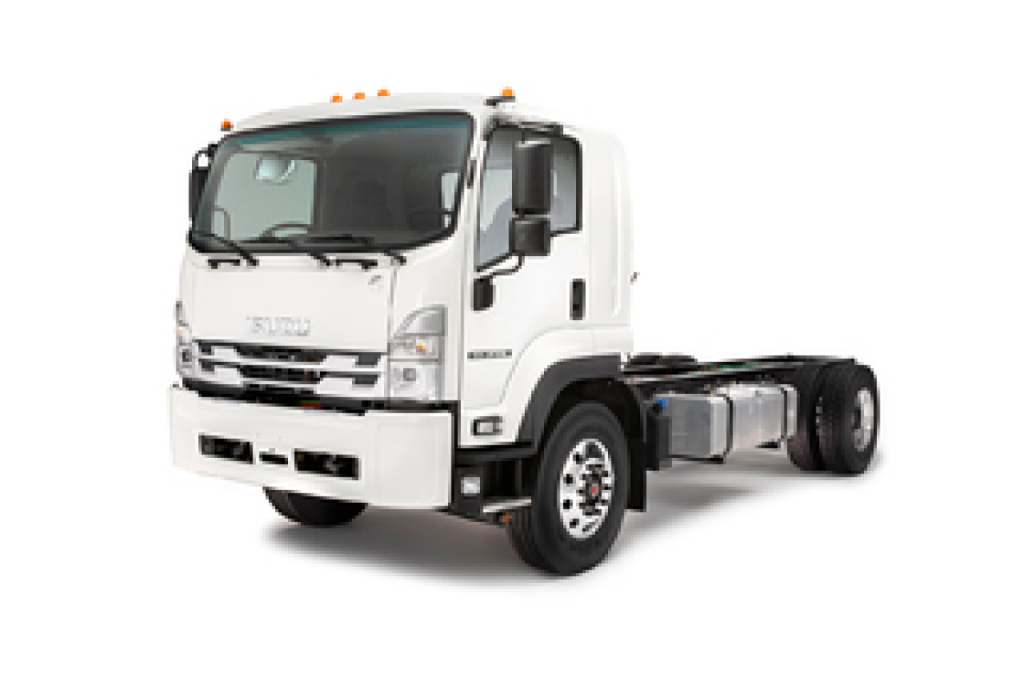
A model like the Isuzu FTR is a common step-up choice for operators who need medium-duty capability without moving into a larger truck than the route requires. Many new Isuzu cab and chassis trucks in this range are spec'd with diesel power, often the 6.7L Cummins paired with an Allison automatic transmission, which is a proven setup for fleet service and body-builder applications. Buyers should pay close attention to front axle and rear axle ratings, frame dimensions, and wheelbase. A 224-inch wheelbase, for example, is often used for 26-foot body applications, but the right wheelbase always depends on body length, intended payload, rear overhang, and weight distribution. If the truck is being used for a box body, reefer, flatbed, stake bed, dump, or service body, frame compatibility and clear back-of-cab measurements are critical.
In New Mexico, operating conditions can push buyers to think beyond the basic body spec. Heat, elevation, long secondary roads, and a mix of urban and rural service areas can make cooling performance, transmission calibration, suspension choice, and fuel capacity more important than they might be in flatter or denser markets. Air ride suspension can improve ride quality for sensitive cargo and reduce driver fatigue on longer routes, while heated power mirrors, block heaters, and similar options add practical value depending on start-up conditions and operating schedules. For buyers managing CDL thresholds, some Isuzu cab and chassis configurations are attractive because they can be spec'd to stay in non-CDL territory while still supporting a substantial body and payload.
The best way to compare new Isuzu cab and chassis trucks is to match the chassis to the final job, not just the sticker spec. Check the intended body length, expected cargo weight, liftgate or reefer unit requirements, and any PTO or auxiliary electrical needs before choosing a wheelbase or axle package. Also confirm cab-to-axle measurement, frame rail suitability for the upfit, and service support for the engine and transmission package. A properly matched Isuzu cab and chassis can deliver strong uptime, easier body integration, and efficient operation in regional or local fleet work.
Frequently Asked Questions about New Isuzu Cab and Chassis Trucks in New Mexico
What is an Isuzu cab and chassis truck used for?
An Isuzu cab and chassis truck is used as a platform for installing a vocational or commercial body. Common applications include dry van bodies, refrigerated bodies, flatbeds, stake beds, landscape bodies, utility bodies, dump bodies, and specialty service upfits. Buyers choose this configuration when they need to match the truck closely to the work instead of buying a completed body style that may not fit the route, payload, or equipment needs.
What should I compare first on a new Isuzu cab and chassis truck?
Start with GVWR, wheelbase, cab-to-axle measurement, and front and rear axle ratings. Those core chassis dimensions determine which body can be installed and how well the finished truck will carry weight. After that, compare engine and transmission specs, suspension type, fuel capacity, and any body-builder requirements such as PTO capability, frame rail dimensions, and electrical provisions.
Is the Isuzu FTR a non-CDL truck?
Many Isuzu FTR configurations are marketed as non-CDL because they can be spec'd with a GVWR under the 26,001-pound CDL threshold. That said, CDL requirements depend on the final gross vehicle weight rating, body installation, cargo, and how the truck is operated. Buyers should verify the exact GVWR and local operating requirements before assuming a specific chassis will remain in non-CDL service.
How does wheelbase affect body installation on an Isuzu cab and chassis?
Wheelbase has a direct effect on body length compatibility, axle placement, turning radius, and weight distribution. A longer wheelbase can support longer bodies, but it also changes maneuverability and rear overhang. For example, a wheelbase around 224 inches is commonly associated with certain 26-foot body applications, but the correct spec depends on the body design, expected payload, and any additional equipment such as liftgates or refrigeration units.
Why are Isuzu cab and chassis trucks popular for local and regional fleet work?
Isuzu cab and chassis trucks are popular in local and regional service because the low-cab-forward layout improves visibility and maneuverability in tight spaces. They are well suited for delivery routes, municipal work, and service operations that involve frequent stops and urban driving. Buyers also value the flexibility to upfit the chassis for different applications while keeping a familiar medium-duty platform with widely recognized diesel and automatic transmission combinations.