
Used 2016 Freightliner Bus Trucks For Sale in New York
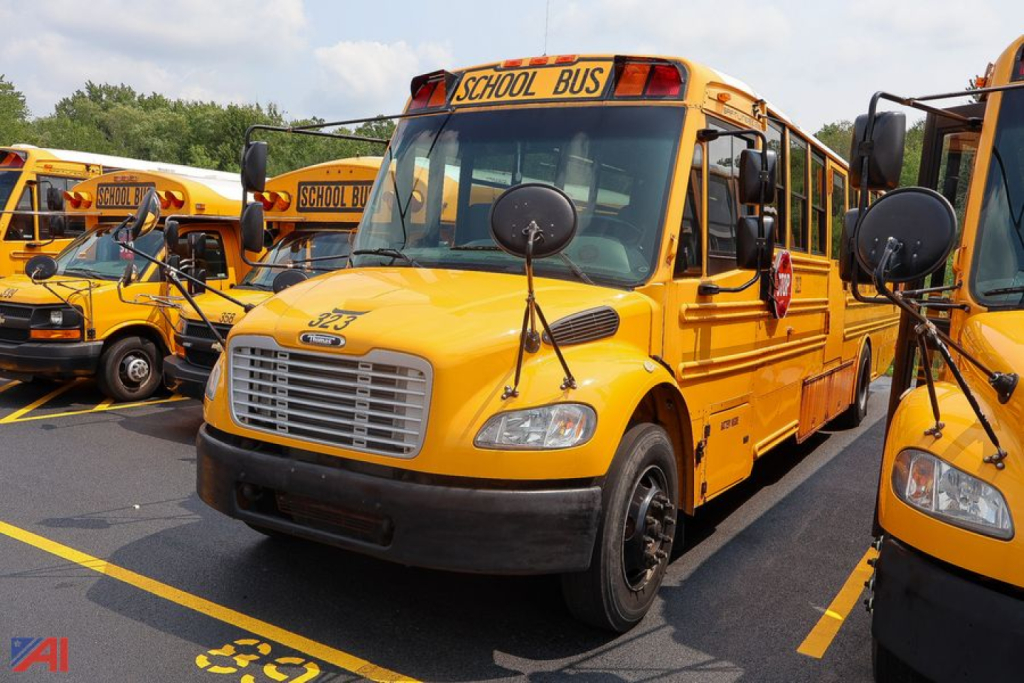
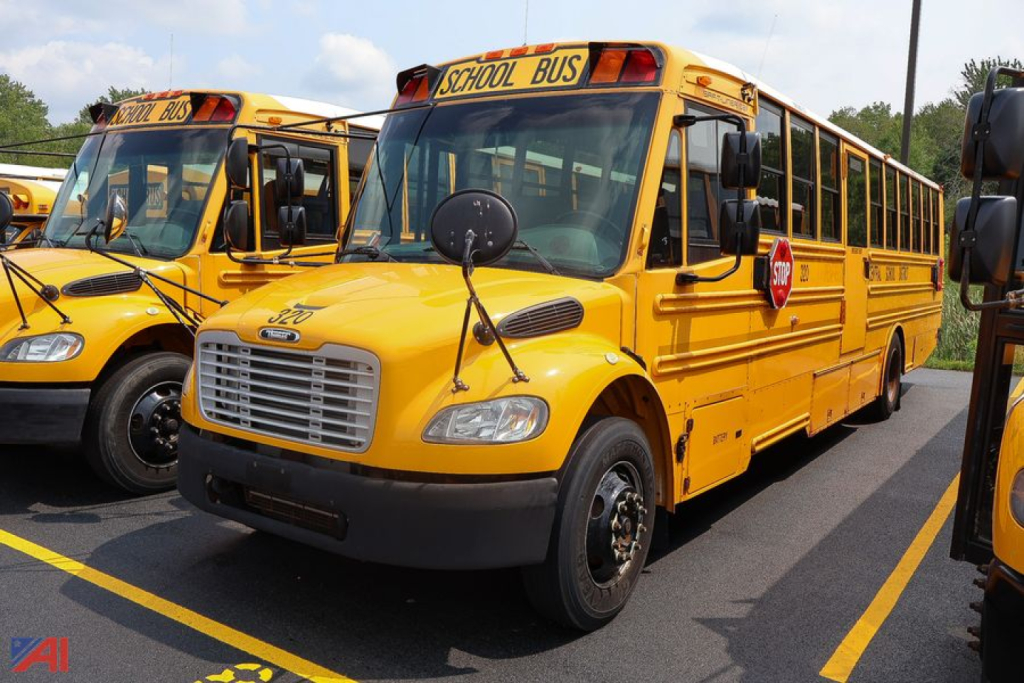
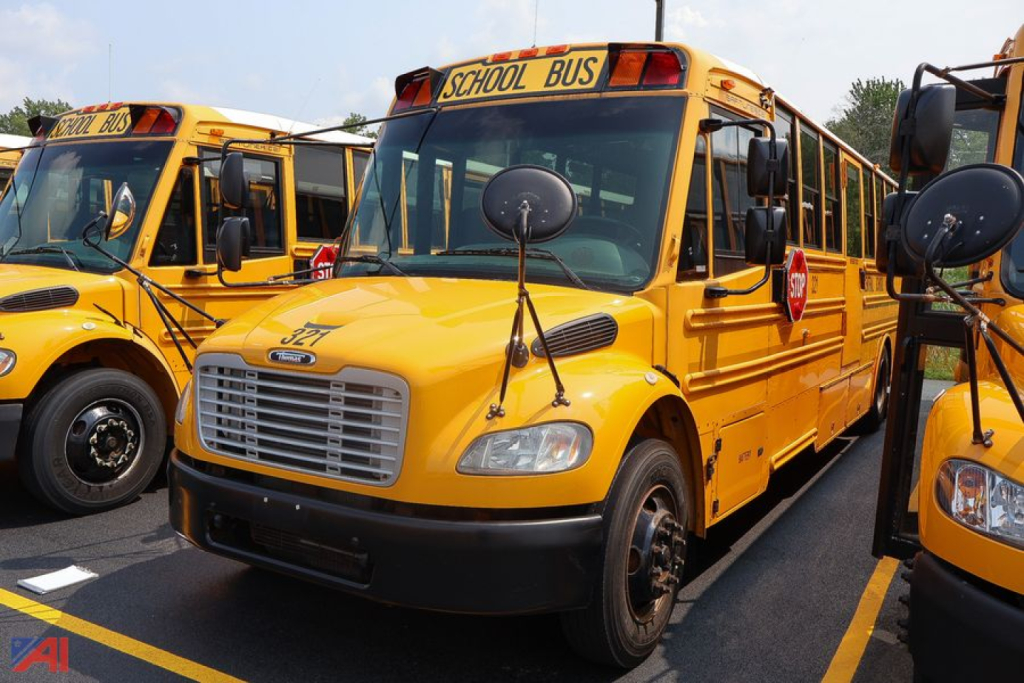
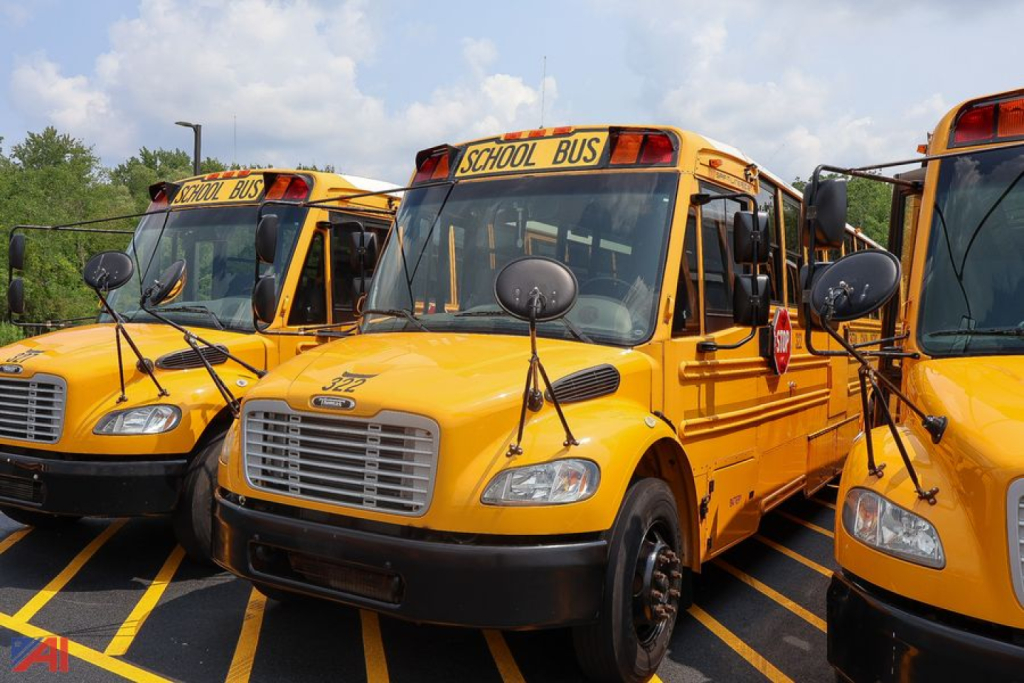
Have used 2016 freightliner bus truck to sell? List it here to reach thousands of buyers.
Used 2016 Freightliner Bus Trucks in New York
Powertrain details matter more than the badge on the hood. Many 2016 Freightliner buses are equipped with diesel engines in the Cummins ISB or similar mid-range class, commonly paired with Allison automatic transmissions. That combination is widely accepted in pupil transport and commercial bus applications because it is straightforward to operate and supported by most heavy-duty repair shops. Buyers should confirm horsepower rating, rear axle ratio, brake type, and GVWR, especially if the bus may be repurposed for shuttle, church, worker transport, mobile classroom, or specialty conversion use. Seating layout, luggage or interior storage needs, wheelchair lift configuration, and HVAC performance are also practical spec points that affect real operating value.
For New York buyers, rust inspection is not optional. Frame rails, crossmembers, stepwells, body mounts, suspension hangers, brake lines, and lower body panels deserve close attention due to road salt exposure. On a 2016 unit, emissions components such as DPF and DEF systems should be checked for fault history, regeneration performance, and evidence of repeated short-route problems. School bus purchasers should also verify the status of warning lights, crossing arms, stop arms, seat condition, emergency exits, and any district-specific equipment that may have been disabled or removed after retirement from service. If the bus is intended for non-school use, plan for the cost and time required to meet state titling, seating, and signage requirements.
Freightliner bus chassis remain attractive because they balance medium-duty drivability with commercial-grade components. A well-kept 2016 bus can still make sense for route transport, private fleet passenger movement, institutional use, or conversion projects where durability and service access matter more than luxury trim. The best buying decisions usually come from matching the bus to its next job: short urban loops, seasonal camp transport, airport parking shuttle work, church routes, or contractor crew movement all place different demands on axle capacity, turning radius, seating configuration, and corrosion resistance.
Frequently Asked Questions about Used 2016 Freightliner Bus Trucks in New York
What should I check first on a used 2016 Freightliner bus in New York?
Start with corrosion, maintenance history, and emissions health. New York road salt can accelerate rust on frame rails, crossmembers, stepwells, body supports, brake lines, and suspension components. After that, review engine and transmission service records, confirm odometer and engine hours, and scan for active or stored fault codes related to the DPF and DEF systems. A clean inspection report with documented maintenance usually tells you more than cosmetic appearance.
What engines and transmissions are common in 2016 Freightliner buses?
Many 2016 Freightliner buses use a medium-duty diesel engine such as a Cummins ISB paired with an Allison automatic transmission. This is a common fleet combination because it offers broad parts availability, familiar diagnostics, and easy driver operation. Exact horsepower, torque, and transmission series can vary by body builder and application, so buyers should confirm the data plate and build spec rather than assume all units are equipped the same way.
Are 2016 Freightliner school buses practical for shuttle or private passenger use?
They can be, but conversion details matter. Former school buses often need changes to seating layout, warning equipment, lighting, signage, and registration status before entering shuttle, church, or private fleet service. Buyers should also consider ride quality, entry door configuration, wheelchair access, HVAC capacity, and storage needs. A bus that worked well on a school route may still need interior or compliance updates for commercial passenger use.
How important are engine hours on a used bus compared with mileage?
Engine hours are extremely important because buses often spend long periods idling during loading, unloading, warm-up, and route staging. A relatively low-mileage bus can still have significant engine wear if total idle time is high. The best approach is to evaluate mileage, hours, service records, and duty cycle together. A bus with consistent maintenance and a predictable route history is often a better buy than one with lower miles but poor documentation.