
Used 2016 Freightliner Bus Trucks For Sale
Have used 2016 freightliner bus truck to sell? List it here to reach thousands of buyers.
Used 2016 Freightliner Bus Trucks
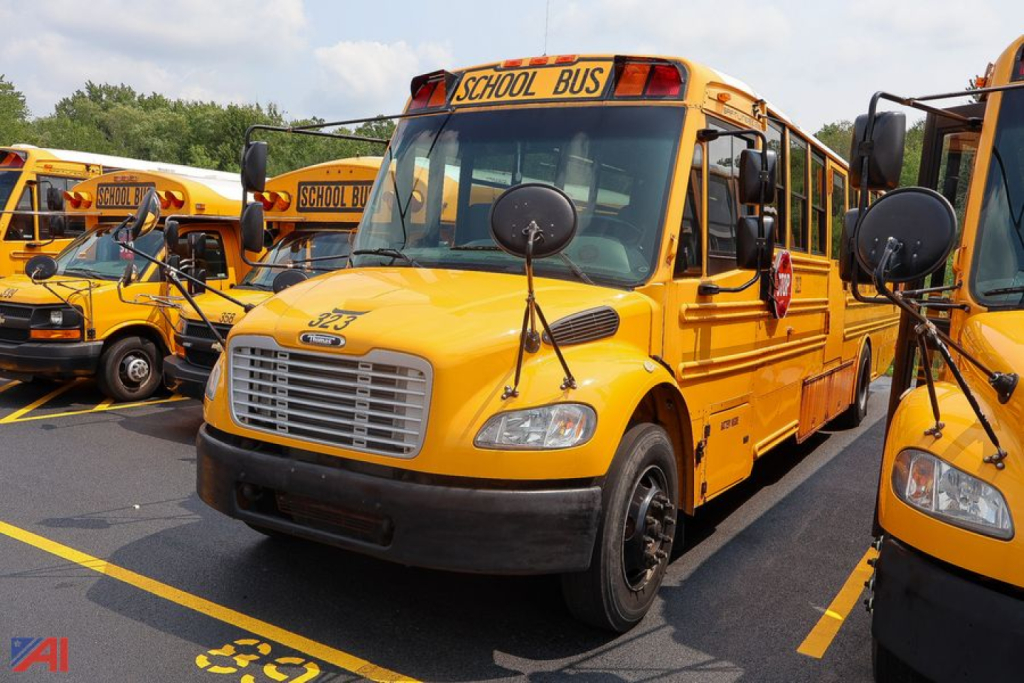
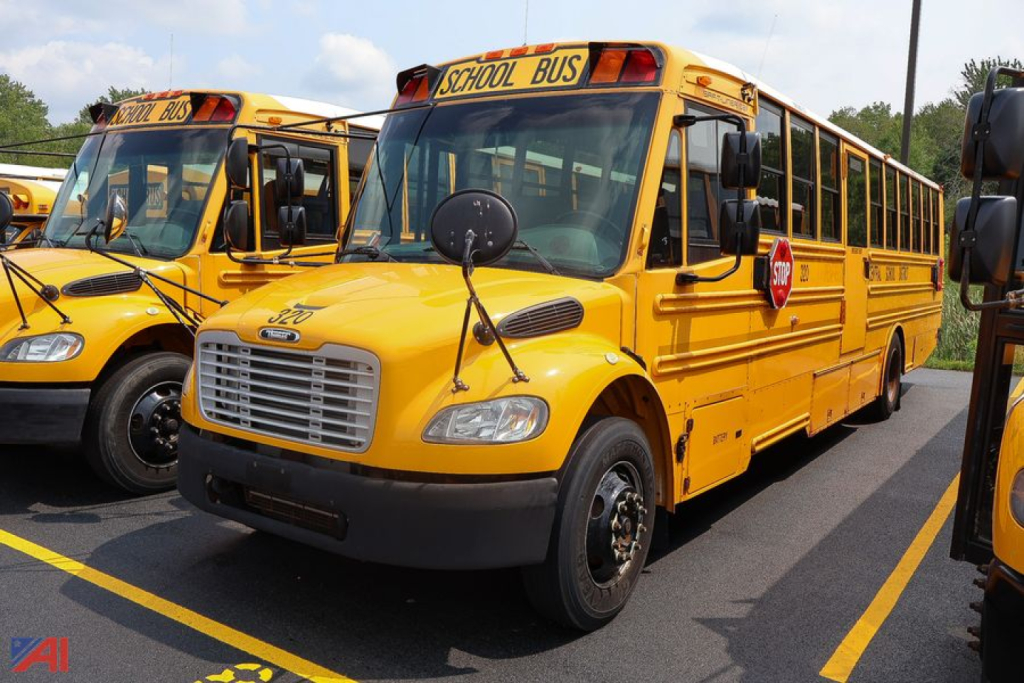
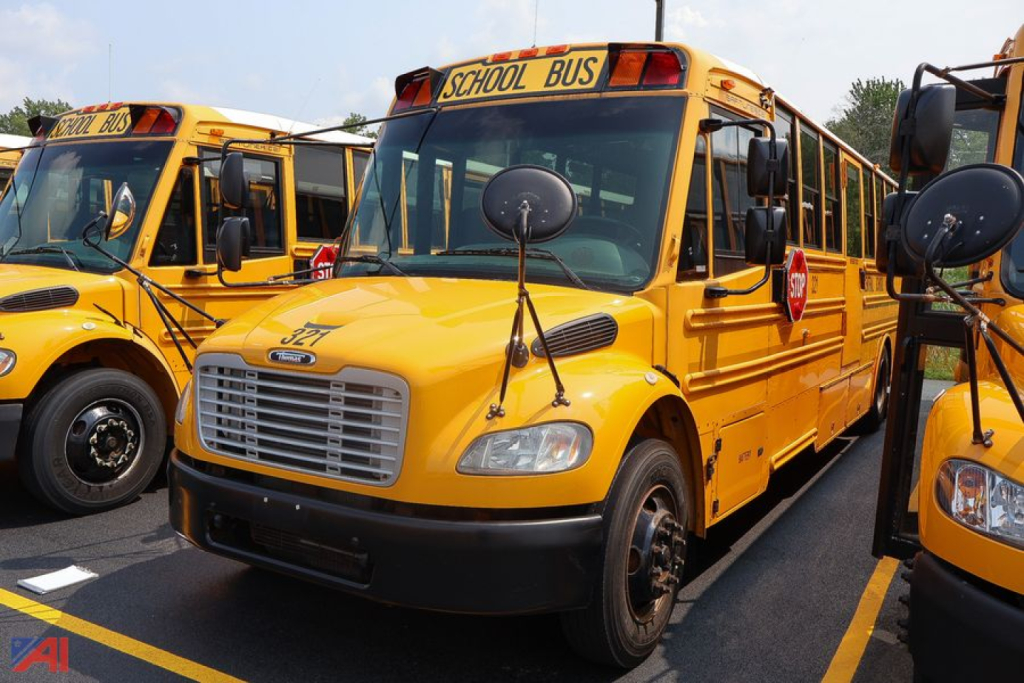
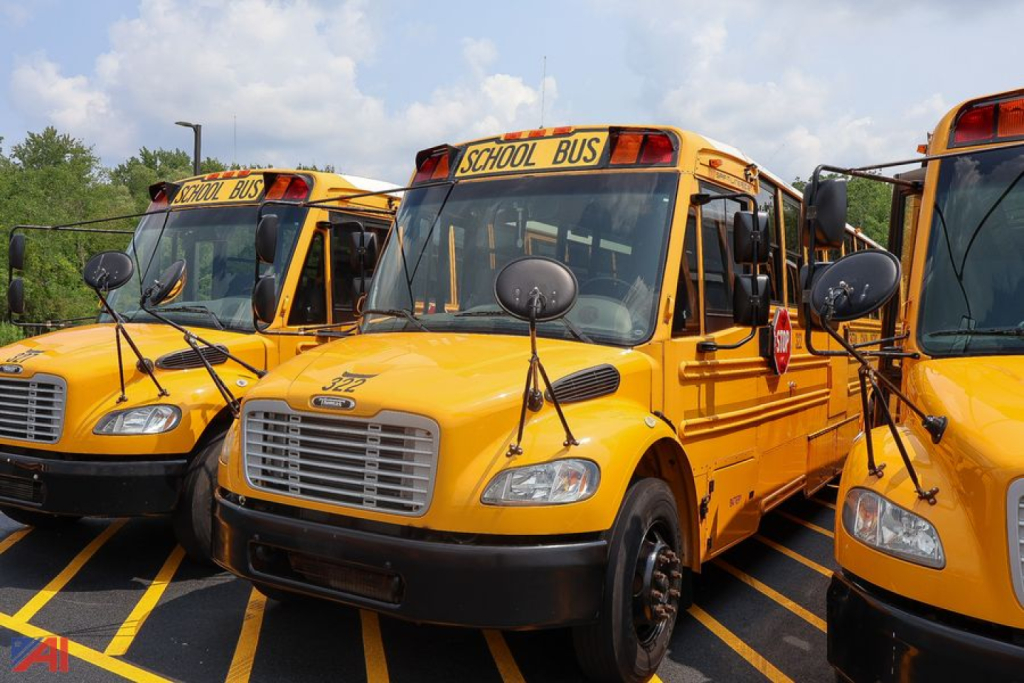
The first buying decision is usually body style and passenger layout. A 2016 Freightliner bus may be set up as a full-size conventional school bus with high seating capacity, multiple seat rows, and underbody or interior storage depending on its prior use. Wheelbase, overall length, and turning radius matter if the bus will run in tight urban routes, private campus loops, church transport, or shuttle conversion work. Buyers should confirm seat count, aisle layout, entry door configuration, wheelchair lift equipment if applicable, and whether the unit retains school bus equipment such as crossing arms, warning lights, and stop-sign hardware that may affect repurposing.
From a chassis standpoint, pay close attention to GVWR, axle ratings, suspension type, brake system, and tire size. Freightliner bus platforms in this class typically use medium-duty running gear, with common features such as hydraulic or air brakes, spring suspension, and 22.5-inch wheels. Rear axle ratio plays a big role in how the bus performs on secondary roads versus higher-speed highway use. If the bus is being considered for commercial shuttle work, mobile business conversion, or vocational transport, engine hours, idle time, cooling system condition, and transmission service history are often more important than odometer miles alone.
A used 2016 Freightliner bus should also be evaluated for body and electrical condition, not just drivetrain health. Check the condition of the floor, stepwell, door seals, roof seams, heater systems, driver controls, warning circuit wiring, and any corrosion around rub rails or underbody crossmembers. For former school district units, maintenance records can be a major advantage because many were serviced on a schedule. Buyers comparing listings should look beyond the basic year and make and focus on service history, seating configuration, emissions system condition, and how closely the bus matches the intended route, passenger load, or conversion plan.
Frequently Asked Questions about Used 2016 Freightliner Bus Trucks
What engines and transmissions are common in a used 2016 Freightliner bus truck?
Many 2016 Freightliner bus units use a Cummins diesel engine with an Allison automatic transmission, especially in school bus applications. This combination is popular because it is widely supported by service shops and parts networks. Exact engine rating and transmission series can vary by body builder, route duty cycle, and original fleet specification, so buyers should verify horsepower, torque, transmission model, and maintenance history on each unit.
What should I check first on a used 2016 Freightliner school bus?
Start with service records, engine hours, odometer reading, brake type, seating capacity, and emissions system condition. After that, inspect the body for floor rust, stepwell corrosion, roof seam leaks, door function, heater performance, and electrical issues. A bus can look clean cosmetically but still need expensive work in the cooling system, DEF or aftertreatment components, suspension, or wiring, so a full mechanical and body inspection is important.
Are 2016 Freightliner bus trucks good for shuttle or conversion use?
They can be, especially if the wheelbase, roof height, seating layout, and drivetrain match the intended use. Former school buses built on Freightliner chassis are often chosen for private shuttle service, church transportation, specialty vocational hauling, and bus conversion projects because they are durable and serviceable. Buyers should confirm local title and registration rules, removal requirements for school bus equipment, and whether the axle ratio and suspension setup fit the planned operating speeds and payload.
How important are GVWR and axle ratings on a Freightliner bus?
GVWR and axle ratings are critical because they determine legal load capacity, passenger carrying capability, and how suitable the bus is for repurposing. A bus used for passenger service, equipment transport, or conversion can quickly run into weight limits if the chassis was originally spec'd tightly. Front axle capacity, rear axle rating, tire load rating, and suspension design should all be reviewed together so the bus can safely handle its intended duty cycle.
Do miles matter more than hours on a used bus?
On a bus, hours can be just as important as miles because many units spend significant time idling during loading, unloading, or route staging. A lower-mile bus with very high engine hours may show wear in the engine, cooling system, transmission, and emissions components that is not obvious from the odometer alone. The best evaluation combines miles, hours, maintenance records, and a clear understanding of how the bus was used in fleet service.