
Used Bucket Trucks For Sale
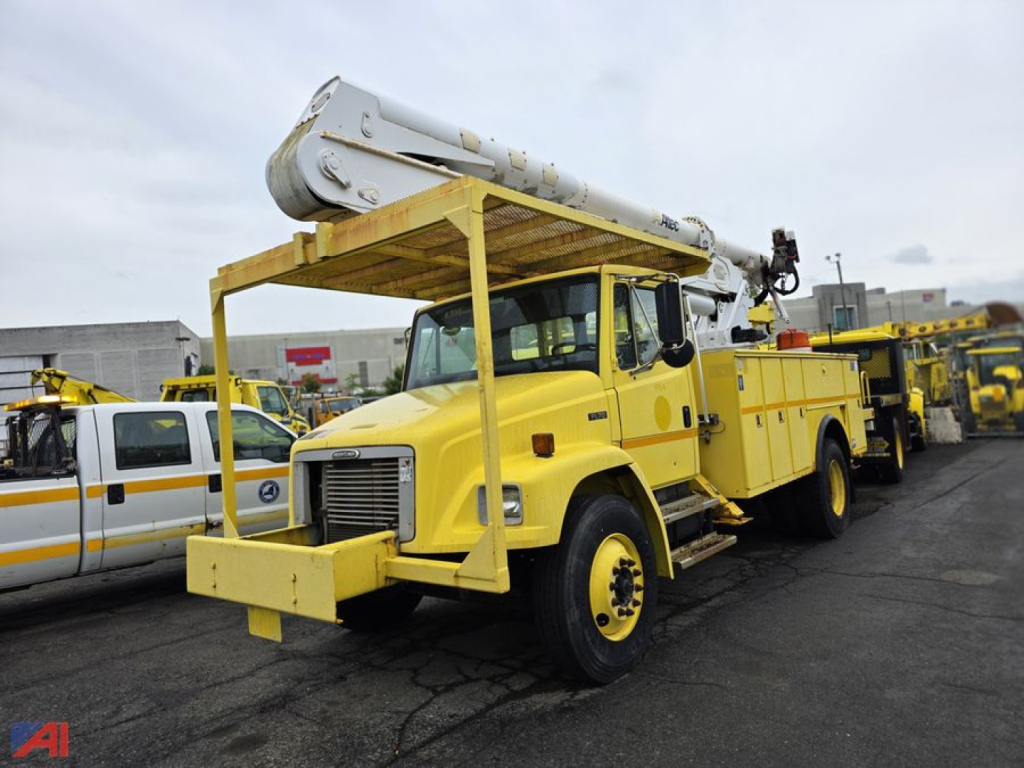
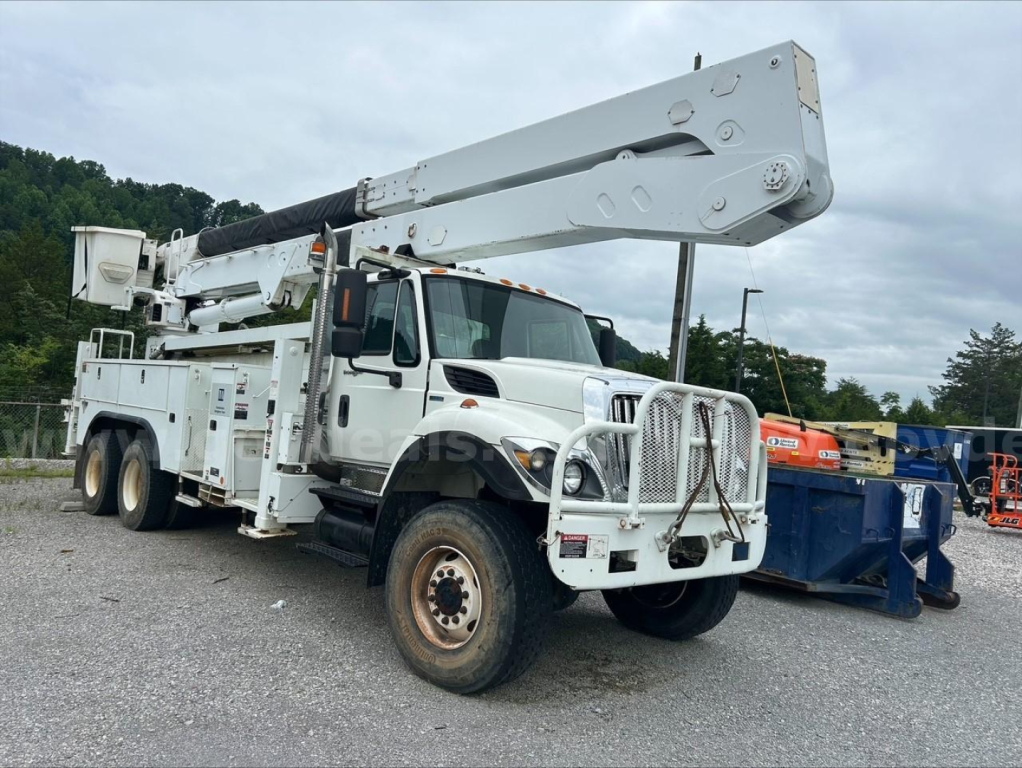
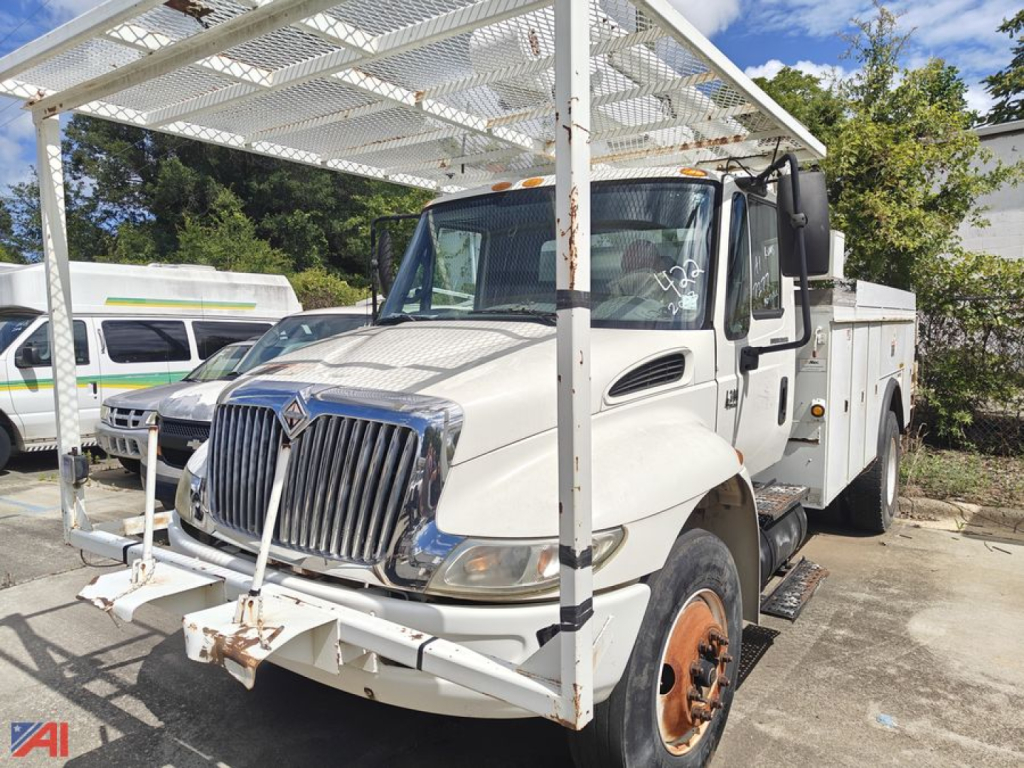
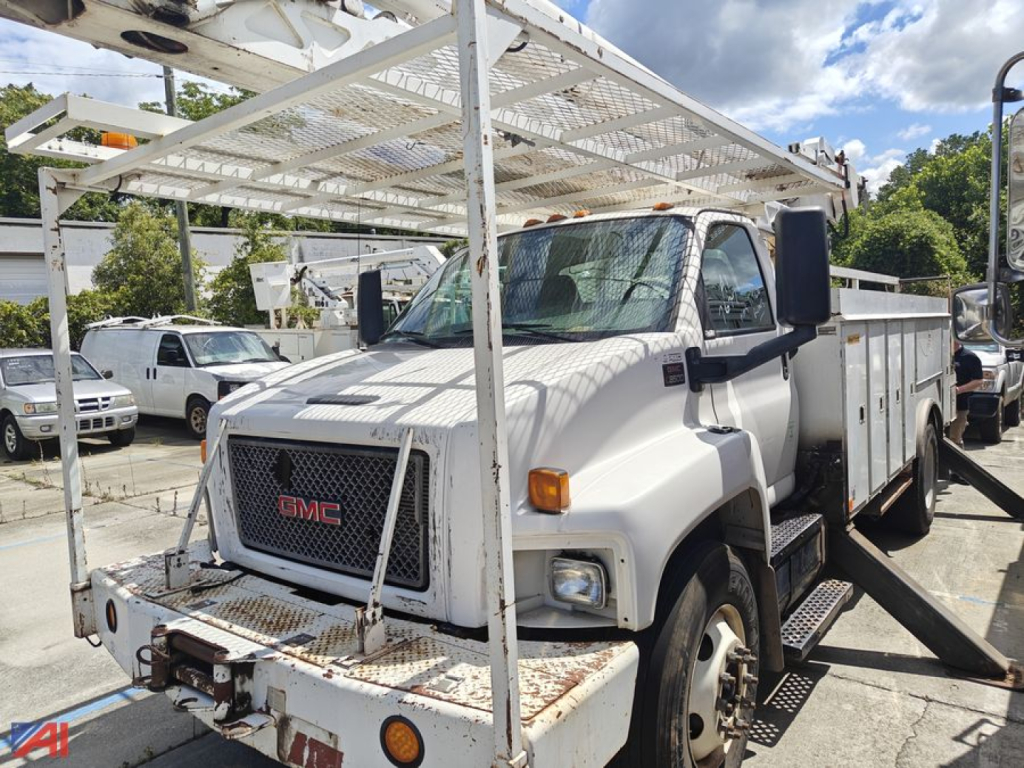
Used bucket trucks with insulated booms, strong outreach, low tare weight, and corrosion resistant service bodies for reliable, compliant aerial work.
Learn moreTop Makes
By State
By Year
23 Listings


Showing 1 to 12 of 23 results
Have used bucket truck to sell? List it here to reach thousands of buyers.
About Used Bucket Trucks
When comparing used bucket trucks for sale, key specs are working height, side reach, and platform capacity. Articulating telescopic booms provide strong up and over capability, straight telescopic units favor longer side reach with faster setup. Stability depends on outrigger spread, pedestal placement, and a rigid service body; look for reinforced floors with heavy gauge treadplate and close crossmember spacing to carry point loads from the pedestal and outriggers. A material handling jib on the platform adds utility for sign, lighting, and telecom work, confirm platform and jib ratings match the load chart. Upper and lower controls may be hydraulic pilot, electric over hydraulic, or CAN based, smoother proportional controls reduce operator fatigue and cycle times.
Thermal integrity matters for both insulation and hydraulic performance. Insulated booms use fiberglass sections and bucket liners to provide dielectric protection, verify ANSI A92.2 category, recent dielectric test dates, and condition of gelcoat, seals, and bonding; moisture intrusion degrades insulating value. Heat exchangers, hydraulic tank coolers, and synthetic fluids keep oil temperature in range under summer loads, cold weather packages with block heaters and low viscosity fluids maintain cycle speeds and prevent cavitation in winter. Look for emergency descent systems, holding valves on cylinders, and upper control guards that function reliably across temperature swings.
Tare weight drives payload and axle loading, a critical factor on utility spec trucks that carry tools, transformers, and hardware. Compare GVWR to curb weight of the chassis, boom, outriggers, and body, then check axle scale splits to confirm compliance with front and rear ratings. Aluminum or composite service bodies and fiberglass tool boxes can cut hundreds of pounds compared to steel, helping smaller class chassis support the same working height. Wheelbase, cab to axle, and pedestal location should be matched so the front axle is not overloaded when the boom is stowed; turning radius and approach angles still need to suit urban work.
Corrosion resistance separates trucks that last from trucks that fight the salt belt every season. E coat frames, underbody coatings, stainless hardware, sealed harnesses, and aluminum or galvannealed bodies slow rust; inspect outrigger boxes, subframe mounts, turntable bearings, and compartment floors for scale and delamination. Fiberglass booms resist corrosion yet need periodic gelcoat repair and UV protection to prevent fiber bloom, look for sound scuff liners in compartments to keep walls and floors from abrasion. Evaluate maintenance history for rotation bearing lash checks, boom wear pad replacement, hose and fitting renewal, and PTO or ePTO hours relative to engine miles; confirm current dielectric and annual inspections. The result is a used bucket truck that lifts safely, keeps payload legal, and stays productive with lower life cycle cost.
Thermal integrity matters for both insulation and hydraulic performance. Insulated booms use fiberglass sections and bucket liners to provide dielectric protection, verify ANSI A92.2 category, recent dielectric test dates, and condition of gelcoat, seals, and bonding; moisture intrusion degrades insulating value. Heat exchangers, hydraulic tank coolers, and synthetic fluids keep oil temperature in range under summer loads, cold weather packages with block heaters and low viscosity fluids maintain cycle speeds and prevent cavitation in winter. Look for emergency descent systems, holding valves on cylinders, and upper control guards that function reliably across temperature swings.
Tare weight drives payload and axle loading, a critical factor on utility spec trucks that carry tools, transformers, and hardware. Compare GVWR to curb weight of the chassis, boom, outriggers, and body, then check axle scale splits to confirm compliance with front and rear ratings. Aluminum or composite service bodies and fiberglass tool boxes can cut hundreds of pounds compared to steel, helping smaller class chassis support the same working height. Wheelbase, cab to axle, and pedestal location should be matched so the front axle is not overloaded when the boom is stowed; turning radius and approach angles still need to suit urban work.
Corrosion resistance separates trucks that last from trucks that fight the salt belt every season. E coat frames, underbody coatings, stainless hardware, sealed harnesses, and aluminum or galvannealed bodies slow rust; inspect outrigger boxes, subframe mounts, turntable bearings, and compartment floors for scale and delamination. Fiberglass booms resist corrosion yet need periodic gelcoat repair and UV protection to prevent fiber bloom, look for sound scuff liners in compartments to keep walls and floors from abrasion. Evaluate maintenance history for rotation bearing lash checks, boom wear pad replacement, hose and fitting renewal, and PTO or ePTO hours relative to engine miles; confirm current dielectric and annual inspections. The result is a used bucket truck that lifts safely, keeps payload legal, and stays productive with lower life cycle cost.