
Used GMC Bucket Trucks For Sale
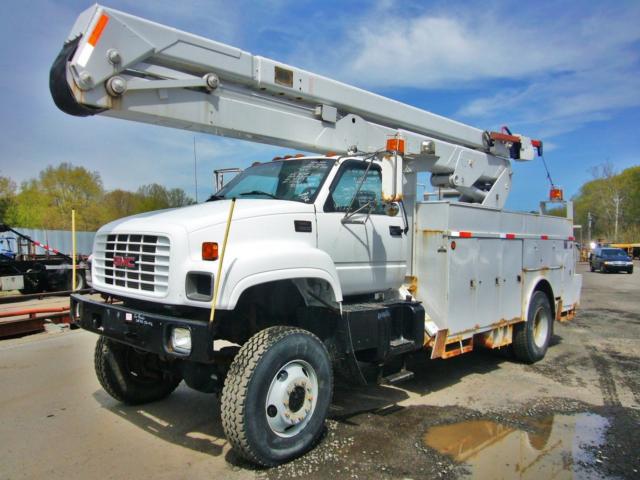
Browse used GMC bucket trucks with aerial lifts for utility, tree, sign, and municipal work. Compare chassis, boom height, payload, and setup.

Have used gmc bucket truck to sell? List it here to reach thousands of buyers.
Used GMC Bucket Trucks
A good starting point is working height and body configuration. Many used GMC bucket trucks fall into the 35 to 60 foot class, with some units set up strictly for personnel lifting and others fitted with material handlers, rope winches, or rear-mounted capstan winches. Bucket capacity, side reach, and jib or winch options should match the actual job mix. Electric utility and telecom buyers often focus on insulated booms and documented dielectric testing, while tree and general maintenance crews may prioritize platform height, chipper access, storage layout, and overall maneuverability. Crew cab versus standard cab can also be a major separator if the truck needs to move a full work crew with tools.
Chassis specs on used GMC bucket trucks vary widely, so it helps to evaluate them as vocational trucks rather than simple mileage units. Common decision points include GVWR, wheelbase, rear axle rating, spring or air suspension, tire size, and brake type. Many older GMC bucket trucks use diesel engines from Caterpillar or other medium-duty platforms, paired with manual or automatic transmissions and PTO-driven hydraulic systems. If the truck will spend time in tight urban streets or residential service routes, overall height, body length, turning radius, and outrigger spread deserve close attention. If the work is off-pavement or in storm response conditions, traction features such as locking rears or all-wheel drive can be a real advantage.
The best used unit is usually the one with the strongest maintenance history and the clearest documentation on the aerial device. Buyers should look for service records, annual boom inspections, structural or fiberglass repairs, engine hours, PTO operation, and signs of hydraulic leaks or excessive play in the boom. It is also worth confirming local compliance requirements for ANSI standards, operator safety systems, lower controls, interlocks, and fall protection tie-off points. A used GMC bucket truck can deliver strong value when the chassis, body, and lift system are all matched to the work, but the aerial equipment condition should always drive the final decision.
Frequently Asked Questions about Used GMC Bucket Trucks
What should I check first on a used GMC bucket truck?
Start with the aerial device, not just the chassis. Confirm working height, side reach, bucket capacity, PTO engagement, hydraulic response, outrigger function, and the condition of the boom structure or fiberglass sections. Service records, annual inspections, and any documentation for dielectric testing are especially important on insulated units. After that, review engine hours, transmission operation, brake type, tire condition, axle ratings, and body corrosion.
Are GMC bucket trucks used for utility work only?
No. Used GMC bucket trucks are common in electric utility, telecom, streetlight maintenance, traffic signal service, sign installation, facility maintenance, and tree service. The right application depends on boom type, insulation rating, platform capacity, storage layout, and whether the truck has a material handler or winch. Some trucks are built for linework and crew operations, while others are better suited for municipal or contractor service.
How much boom height do I need on a bucket truck?
That depends on the work site and the type of access required. Many buyers shop in the 35 to 60 foot range because it covers a wide mix of utility and maintenance jobs. A taller boom can improve reach, but it also adds weight, affects chassis balance, and may change storage capacity or maneuverability. Buyers should compare working height, horizontal reach, stowed travel height, and outrigger footprint instead of looking at maximum lift height alone.
Is mileage or engine hours more important on a used bucket truck?
Both matter, but engine hours and aerial hours often tell a more complete story on a vocational truck. Bucket trucks can spend long periods idling while the PTO and hydraulic system power the aerial device, so low road miles do not always mean low wear. A truck with moderate mileage, documented maintenance, and a well-kept boom is often a better buy than a low-mile unit with weak service history or poor hydraulic condition.
Do I need an insulated bucket truck?
Only if the work involves exposure to energized lines and the job requires that level of protection. Insulated booms are common in electric utility and line clearance applications, but they require proper testing, inspection, and maintenance to retain their intended protection. For lighting, signage, facilities, and many municipal tasks, a non-insulated aerial unit may be sufficient and can simplify upkeep. Buyers should always match the truck's insulation rating and certification status to the actual work being performed.