
GMC Bucket Trucks For Sale
Browse GMC bucket trucks built for utility, tree, lighting, and sign work with diesel power, aerial lifts, storage bodies, and PTO hydraulics.
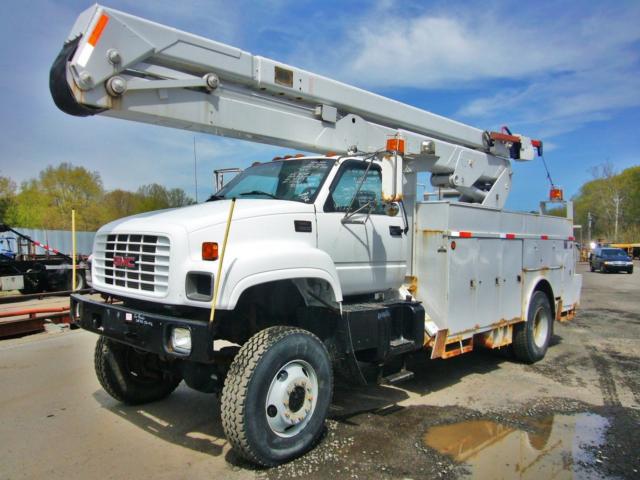
Selling a gmc bucket truck? List your gmc bucket truck for sale and reach thousands of commercial buyers.
GMC Bucket Trucks
Frequently Asked Questions about GMC Bucket Trucks
What should I check first on a used GMC bucket truck?
Start with the aerial device records, not just the truck mileage. Confirm boom make and model, platform height, side reach, bucket capacity, hydraulic operation, PTO engagement, and any recent annual inspections or dielectric testing if the unit was used for electrical work. Then review chassis basics such as engine hours, transmission operation, brake type, tire condition, frame integrity, and signs of rust or stress around outriggers, subframe mounts, and body compartments.
What sizes and configurations are common on GMC bucket trucks?
Many GMC bucket trucks in this class are medium-duty diesel units with utility bodies, multiple tool compartments, and a rear-mounted aerial lift. Common configurations include single-axle chassis with GVWRs suited for non-CDL or CDL operation depending on the body and boom package. Buyers will also see regular cab and crew cab layouts, automatic or manual transmissions, and working heights that often range from about 35 to 60 feet, with some units equipped with material handling winches.
Is mileage or engine hours more important on a bucket truck?
Both matter, but engine hours and PTO hours often tell the better story on an aerial truck. Bucket trucks can spend long periods idling while the boom is in use, so a low-mile unit may still have significant wear from stationary work. Compare odometer readings with engine hours, inspect service history, and evaluate how smoothly the PTO and hydraulic functions operate under load.
Are GMC bucket trucks good for electric utility and line work?
They can be, but the right answer depends on the boom specification and insulation rating, not the GMC badge alone. For electric utility work, verify the aerial device class, dielectric test history, upper and lower controls, and any liner or insulation requirements your operation follows. Some GMC bucket trucks are better suited for streetlight, telecom, or sign service, while others are configured for more demanding utility applications.
What chassis features matter most for bucket truck applications?
Pay close attention to wheelbase, axle ratings, brake system, engine output, and PTO compatibility. Aerial trucks carry concentrated weight from the boom, body, outriggers, and stored gear, so proper axle capacity and frame condition are critical. Buyers in rough terrain or off-pavement service may also prioritize suspension setup, rear ratio, and occasional specialty features such as all-wheel drive, while urban operators may focus more on turning radius and crew cab access.