
Used Bucket Trucks For Sale in Minnesota
Shop used bucket trucks in Minnesota. Compare working height, insulation, chassis class, platform capacity, and boom condition for utility work.


Have used bucket truck to sell? List it here to reach thousands of buyers.
Used Bucket Trucks in Minnesota
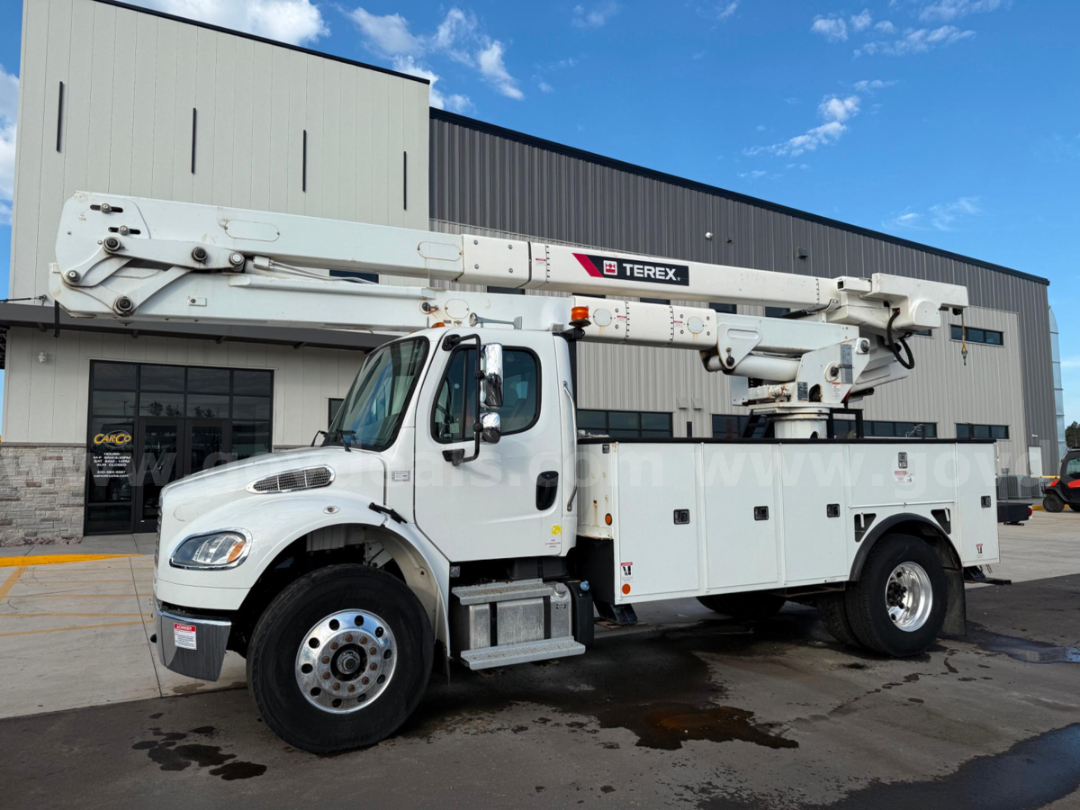
The first buying decision is usually boom configuration. Overcenter articulation helps when the operator needs to work up and over lines, branches, or structures, while straight telescopic designs can be simpler and well-suited for direct access work. For utility and electric department use, an insulated boom is a major spec, but buyers should confirm the unit’s current dielectric test status and maintenance history rather than relying on decals alone. On a used bucket truck, boom wear, lower boom damage, hydraulic seepage, turntable play, outrigger function, and PTO engagement are more important than paint or cab cosmetics. Hour meter readings on both engine and PTO can tell a more complete story than mileage by itself.
Chassis and licensing matter just as much as aerial equipment. Many bucket trucks are built on Class 5 through Class 7 chassis, with diesel or gas engines, automatic transmissions, and either hydraulic or air brake systems. Some 26,000 lb GVWR trucks are attractive because they may avoid CDL requirements in certain applications, while heavier utility units offer better stability, larger bodies, and stronger component ratings. In Minnesota, winter operation puts extra value on good hydraulic performance in cold weather, clean frame rails, corrosion control, and dependable heater and defrost systems. Buyers should also look at body layout, including tool compartments, ladder rack setup, pintle hitch or trailer hitch provisions, backup camera systems, and whether the truck has a crew cab for line crews or tree crews.
A strong used bucket truck should be evaluated as both a truck and an aerial device. Service records, annual inspections, ANSI compliance documentation, and evidence of regular fleet maintenance can be worth more than low miles alone. Utility fleet retirements, municipal surplus units, and contractor-owned trucks can all be viable options, but the best fit depends on the work. Tree trimming, streetlight maintenance, telecom installs, electric utility service, and sign work all put different demands on reach, side reach, insulation, stow height, and body storage. Buyers who match working height, platform rating, boom style, and chassis capacity to the actual job cycle usually end up with a safer and more productive bucket truck.
Frequently Asked Questions about Used Bucket Trucks in Minnesota
What should I inspect first on a used bucket truck?
Start with the aerial device, not the cab. Check boom structure, bucket condition, hydraulic hoses, cylinder seals, turntable movement, outriggers, and PTO operation. Ask for annual inspection records, dielectric testing if the boom is insulated, and any ANSI-related documentation. Then inspect the chassis for brake condition, suspension wear, rust, engine leaks, transmission performance, and hour meter readings. A clean-looking truck with poor boom maintenance is usually a worse buy than a fleet-maintained unit with normal cosmetic wear.
How much working height do most bucket trucks have?
Used bucket trucks commonly range from about 35 feet to 60 feet of working height, with 37 foot, 40 foot, 55 foot, and 60 foot units frequently seen in municipal and utility service. The right height depends on the actual task, but buyers should also compare side reach, platform capacity, and whether the boom has a jib or overcenter articulation. A taller boom is not automatically better if the truck becomes too large for neighborhood streets, alleys, or tree-lined service areas.
Do I need an insulated bucket truck for electrical work?
If the truck will be used near energized lines, an insulated boom is often a critical requirement. However, insulation claims should be verified through current dielectric test records and proper maintenance history. A used insulated bucket truck that has missing documentation, unverified repairs, or damage to the boom may not meet the standards needed for utility work. For non-electrical applications such as signage, lighting, or general maintenance, a non-insulated unit may be sufficient and often costs less.
Is a 26,000 lb GVWR bucket truck a good choice?
A 26,000 lb GVWR bucket truck can be a strong option for contractors and municipalities that want a substantial aerial device on a chassis that may not require a CDL in some situations. These trucks often balance reach, maneuverability, and operating cost well. The tradeoff is that heavier Class 6 or Class 7 trucks usually provide more body capacity, stronger component ratings, and better stability for larger booms or tougher utility applications. Buyers should confirm local licensing and operating rules before treating GVWR as a CDL cutoff.
Are mileage or engine hours more important on a used bucket truck?
Engine hours and PTO hours are often more informative than mileage because bucket trucks spend a large share of their life idling or operating the aerial device while stationary. A truck with modest miles can still have significant wear if the boom has high PTO time or the engine has accumulated long idle hours. The best way to judge condition is to look at mileage, engine hours, PTO hours, service history, and evidence of proper boom maintenance together rather than relying on one number alone.