
Ford Ambulance Trucks For Sale in New York
Browse Ford ambulance trucks for sale, including E-350 and E-450 units with emergency upfits, diesel or gas power, and Type III body options.
No exact matches found for your search
Showing Commercial Trucks instead.
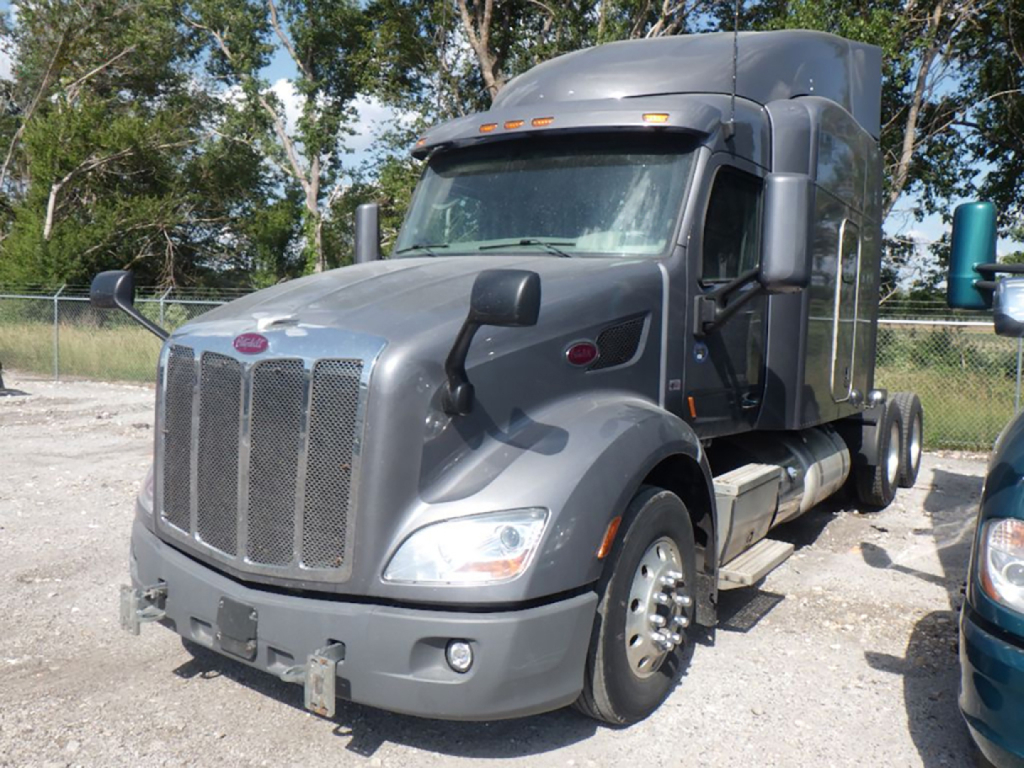
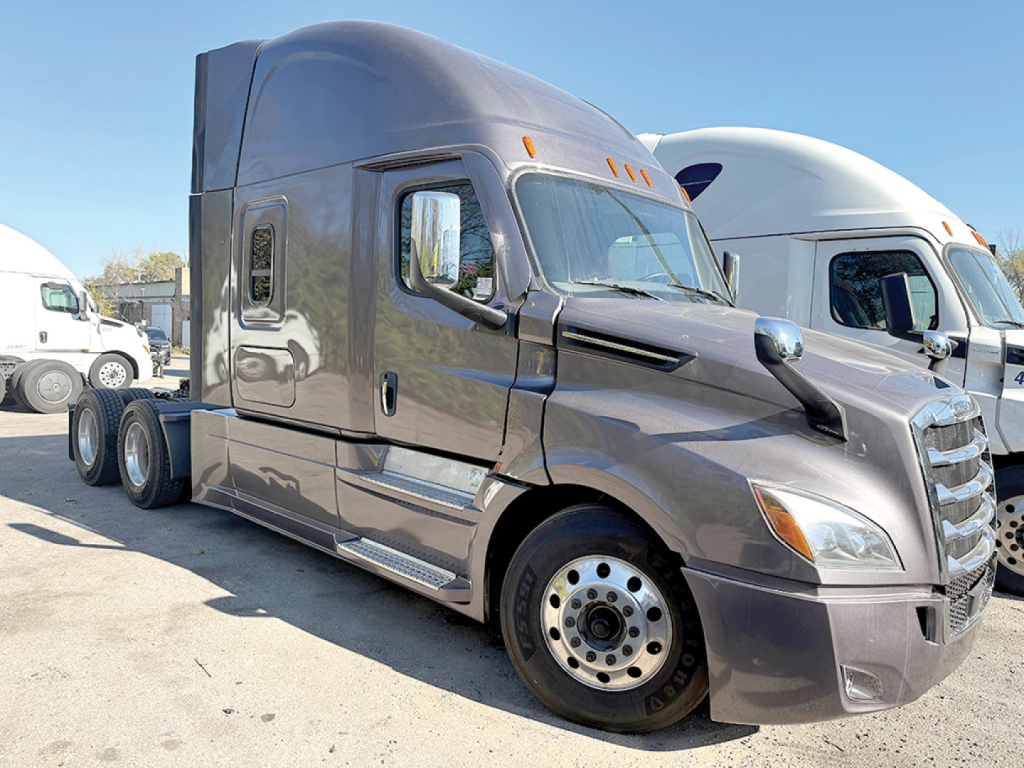
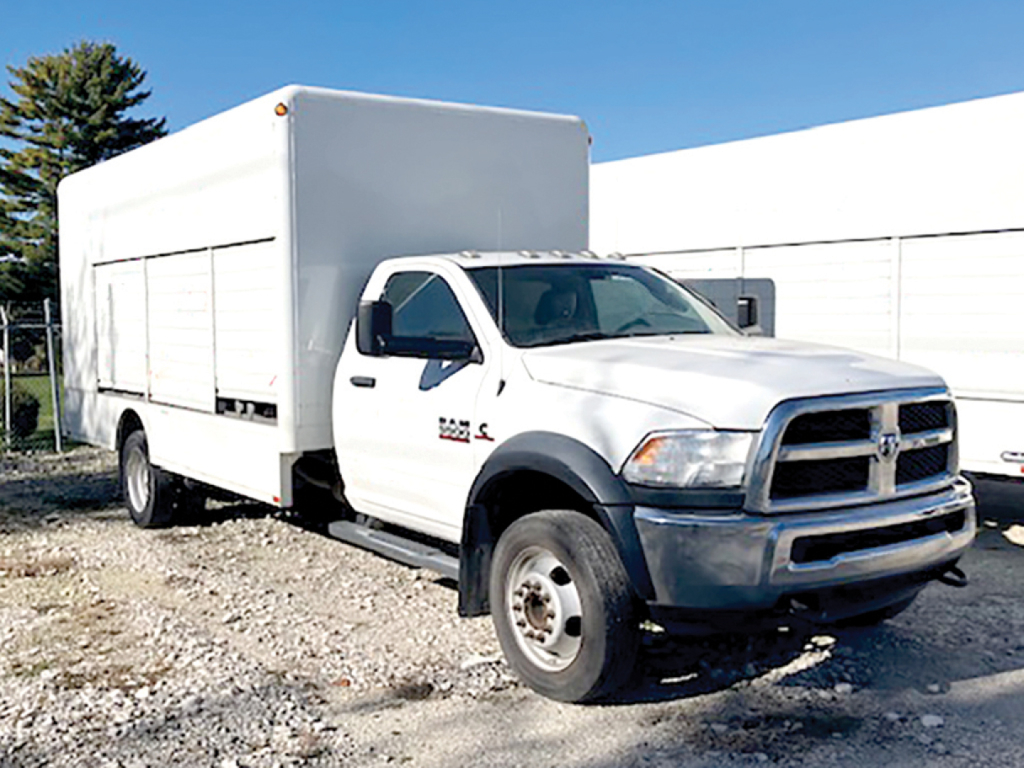
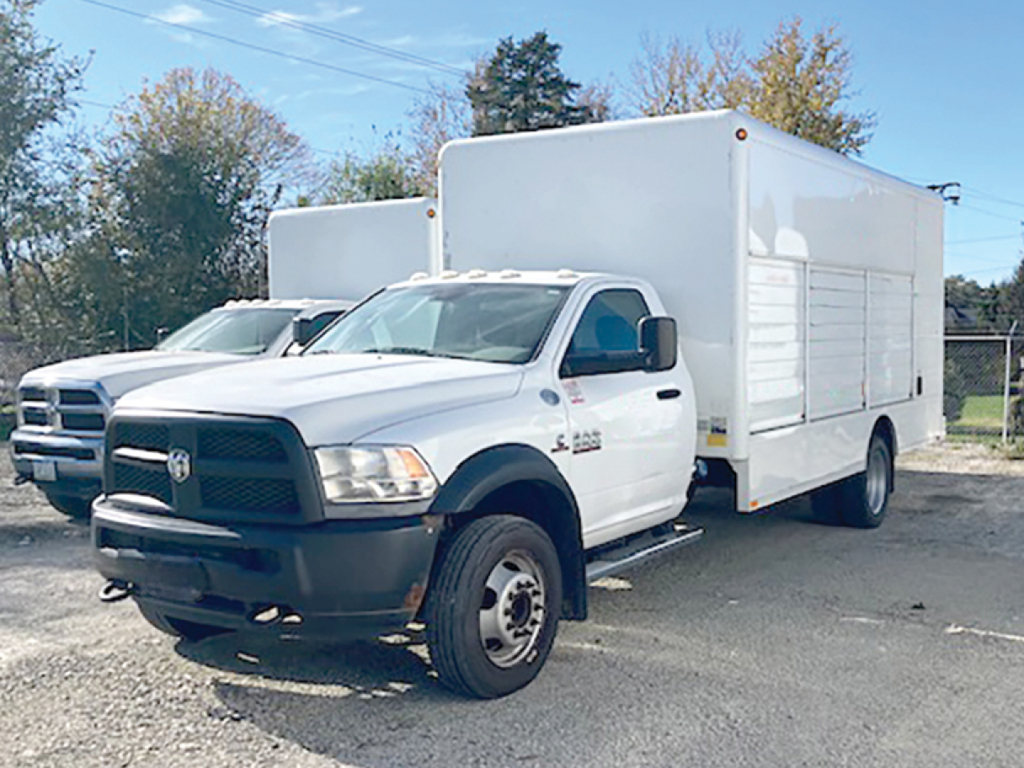
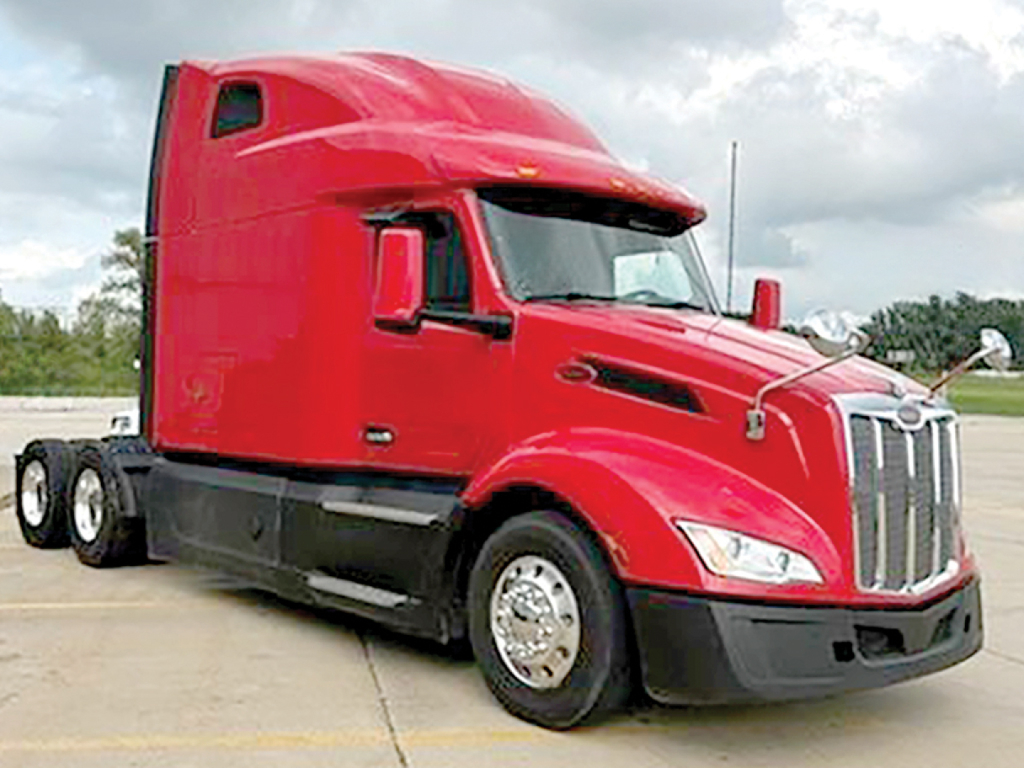
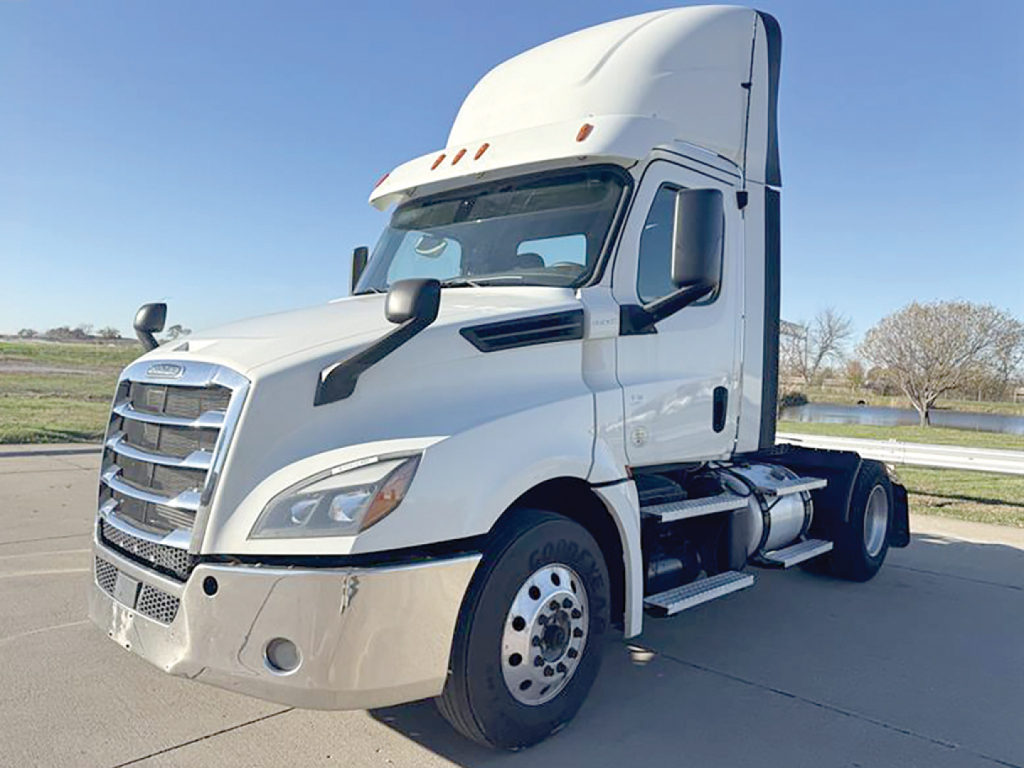
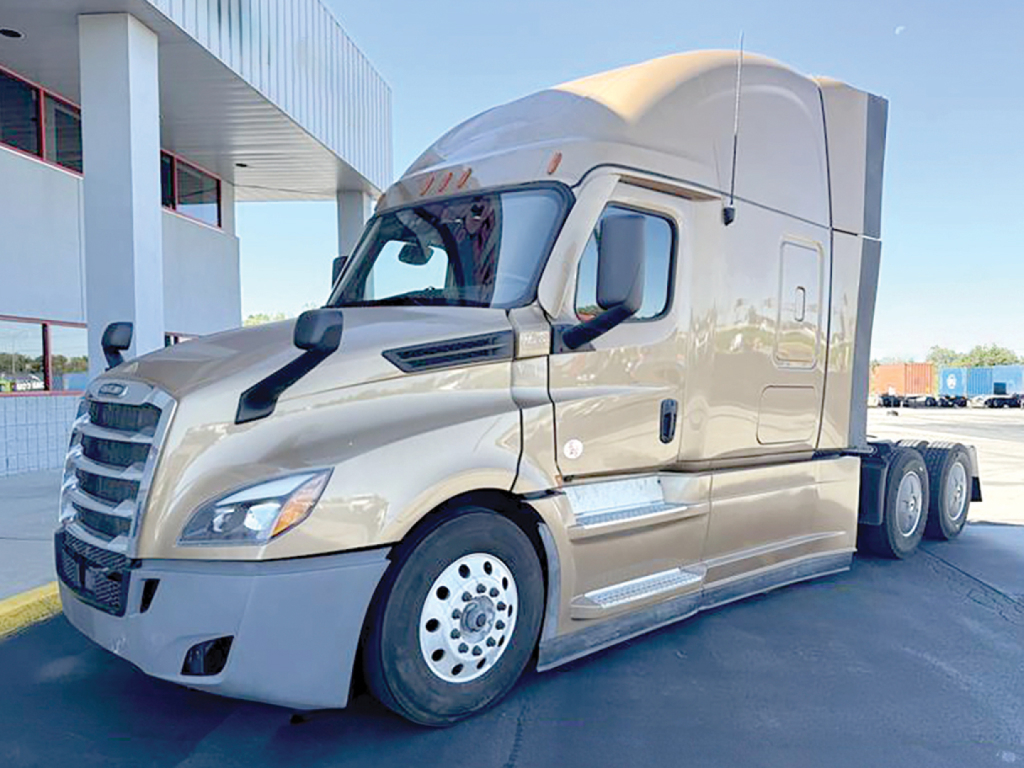
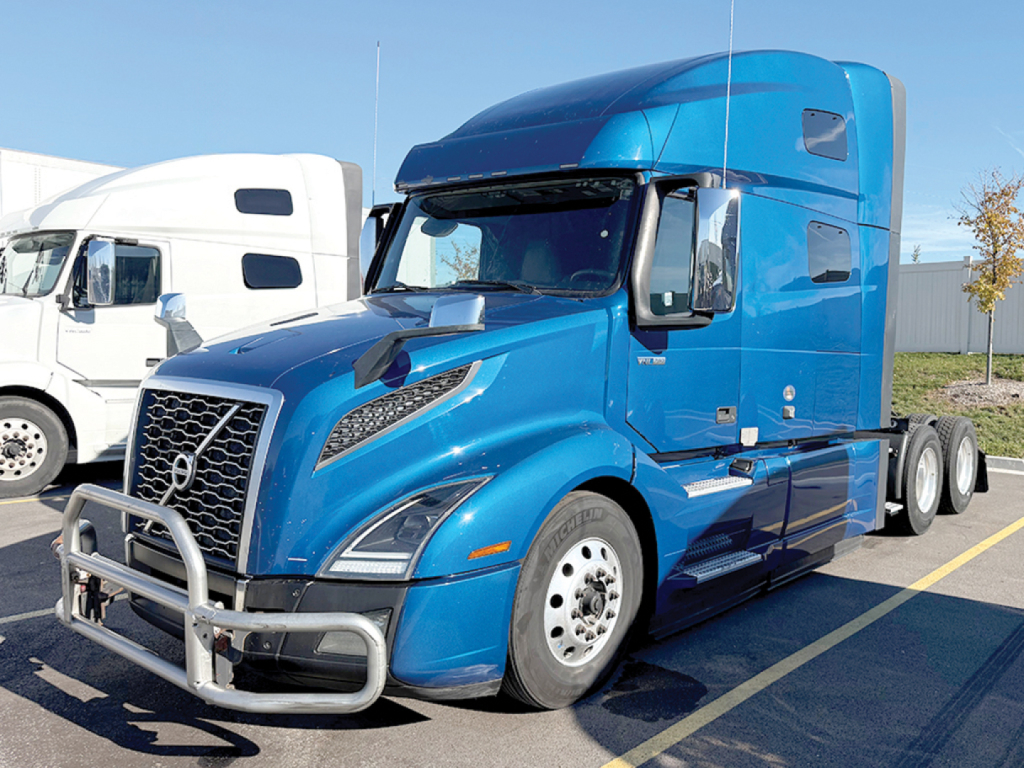
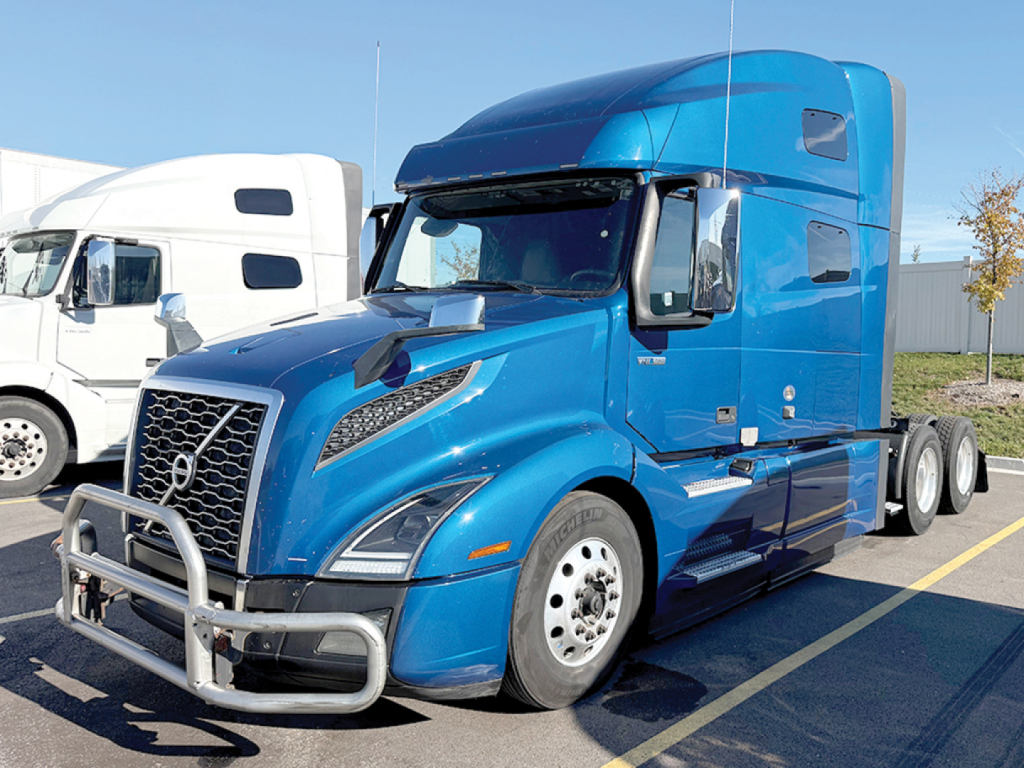
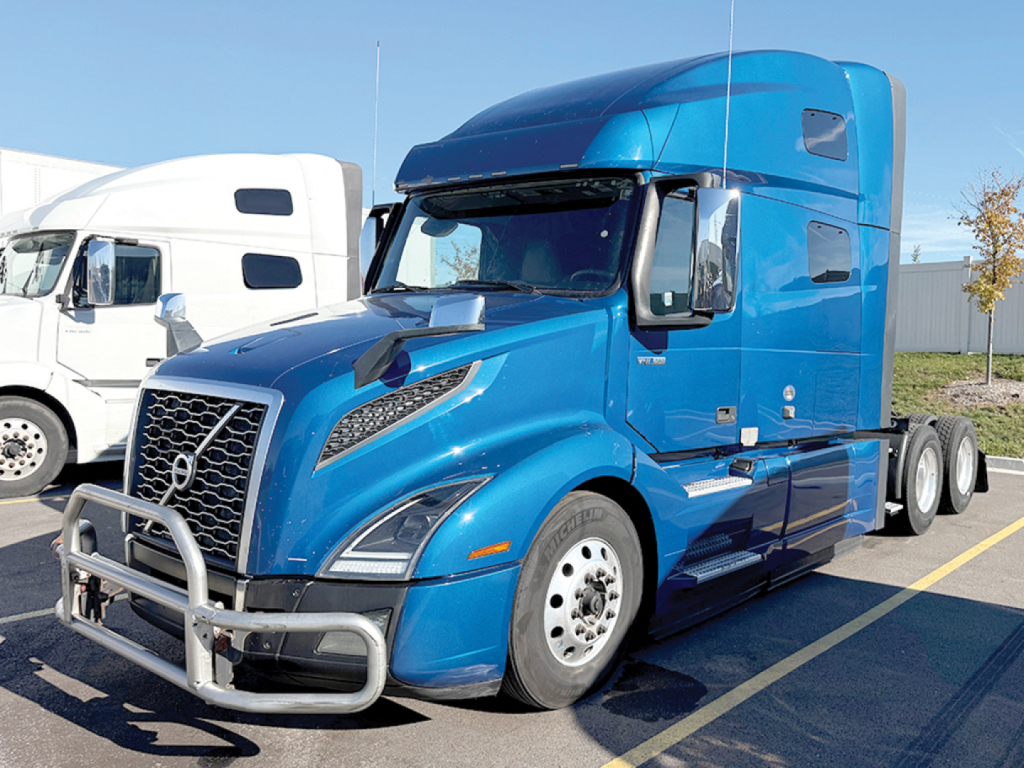
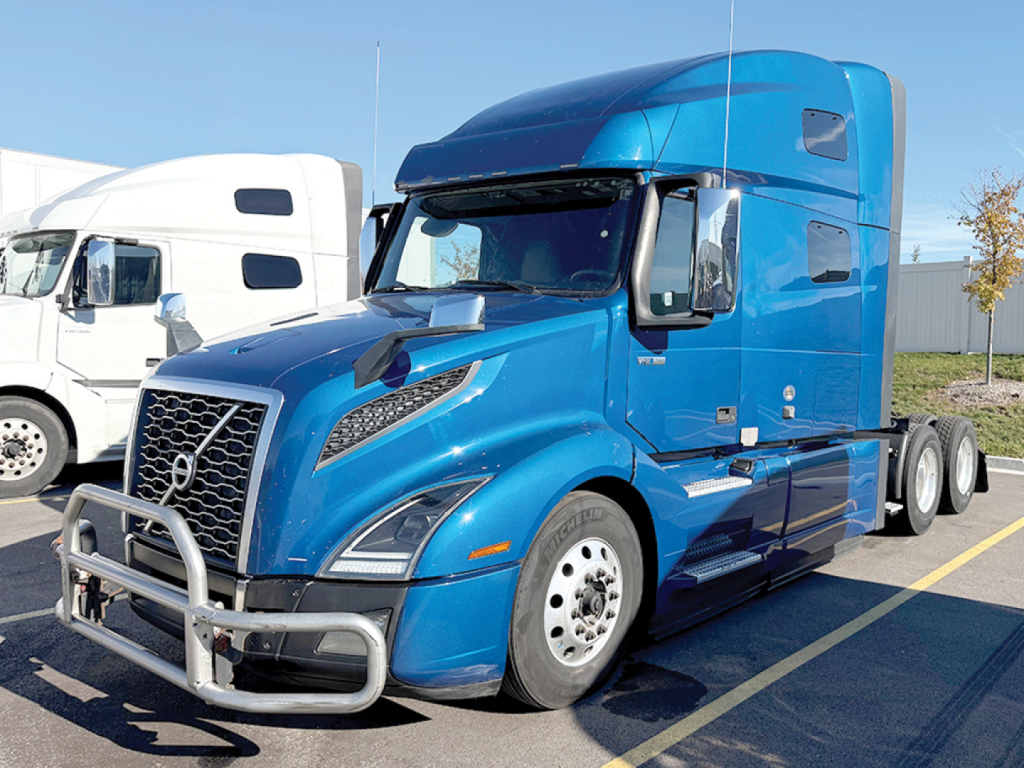
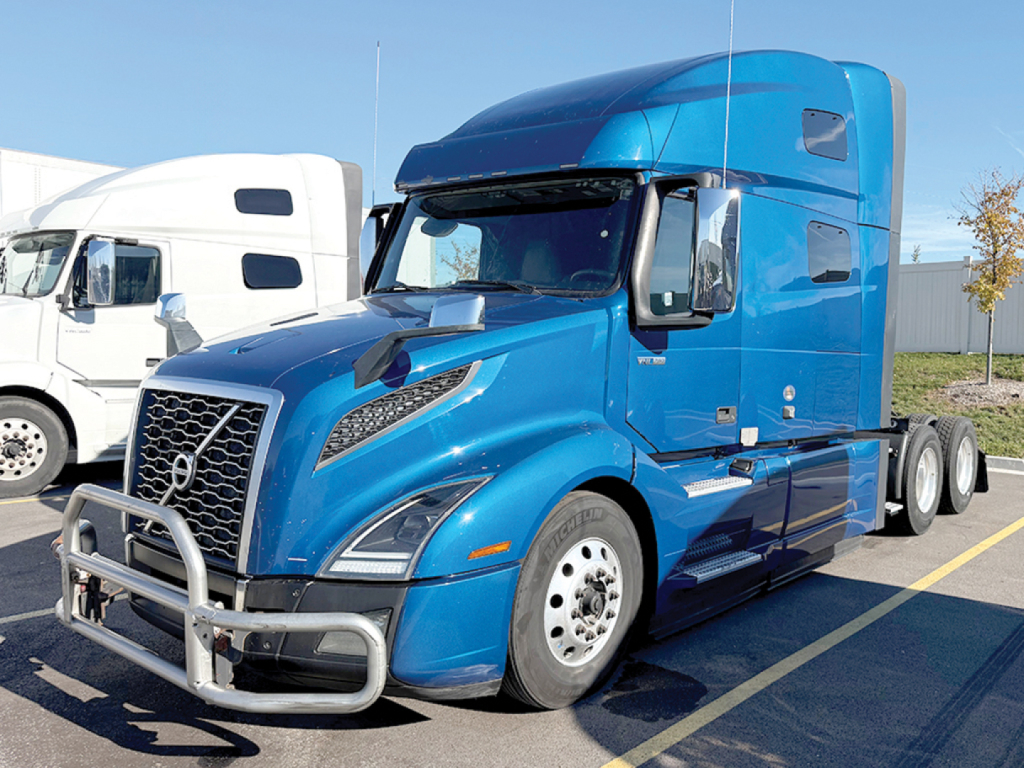
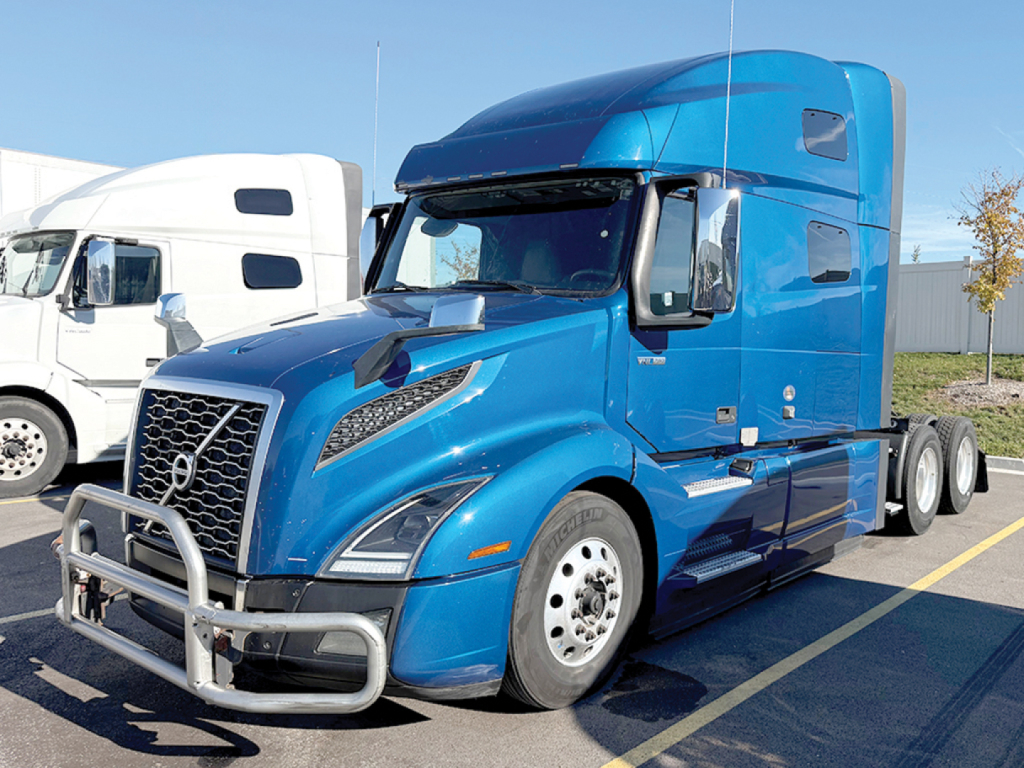
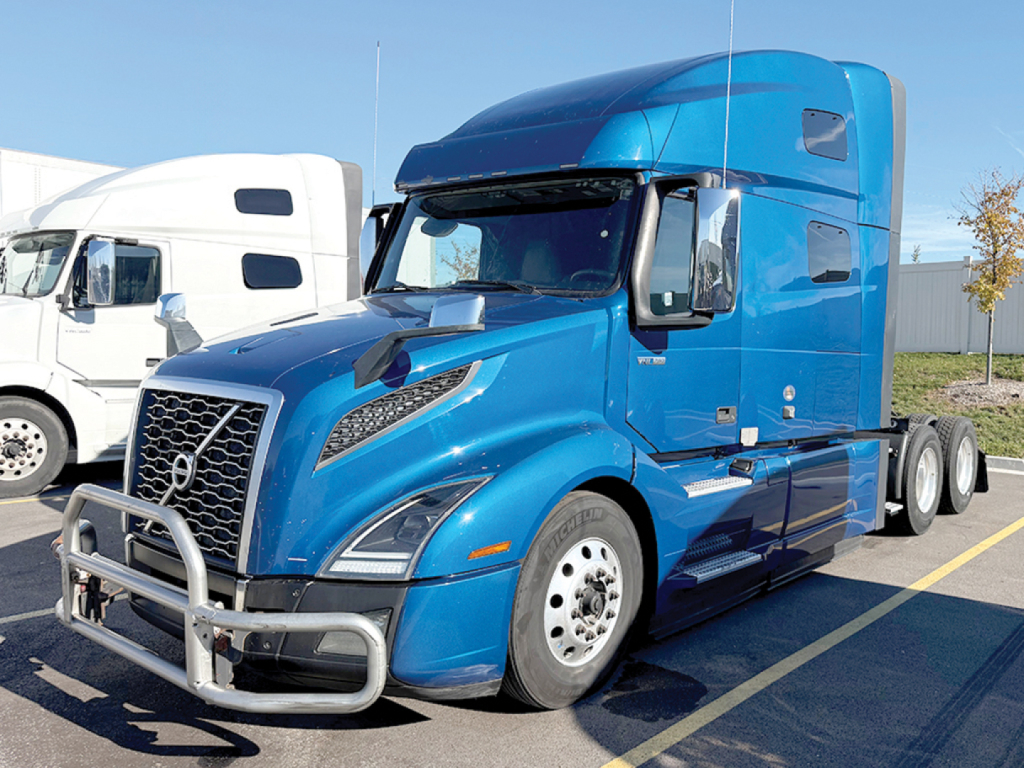
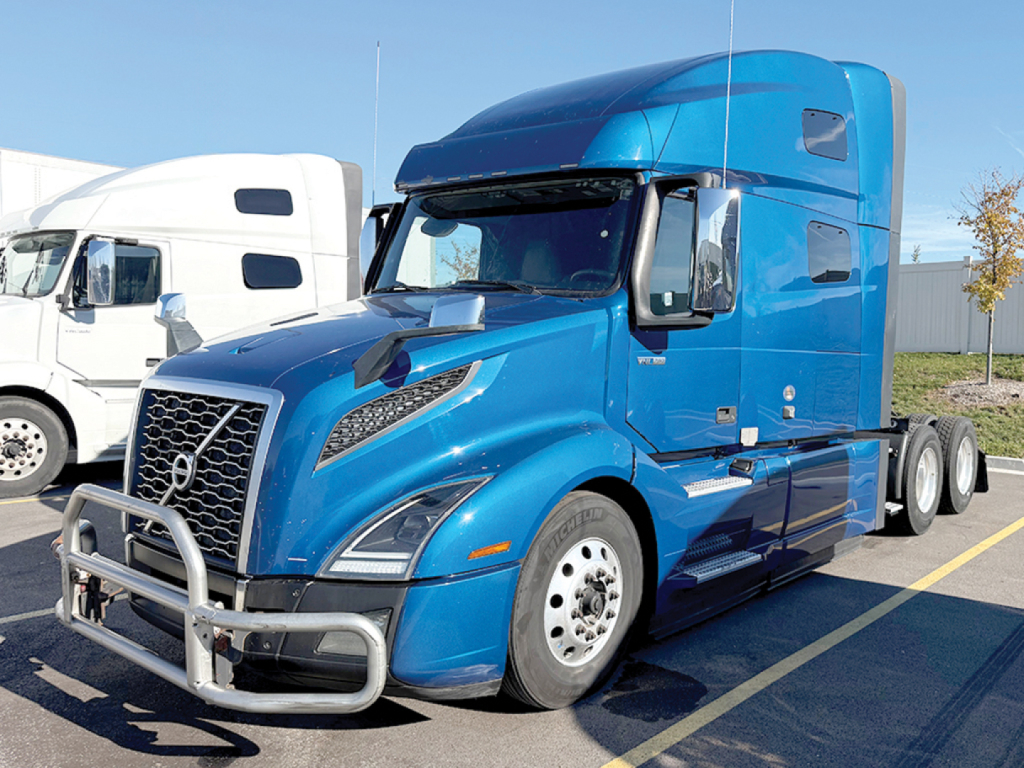
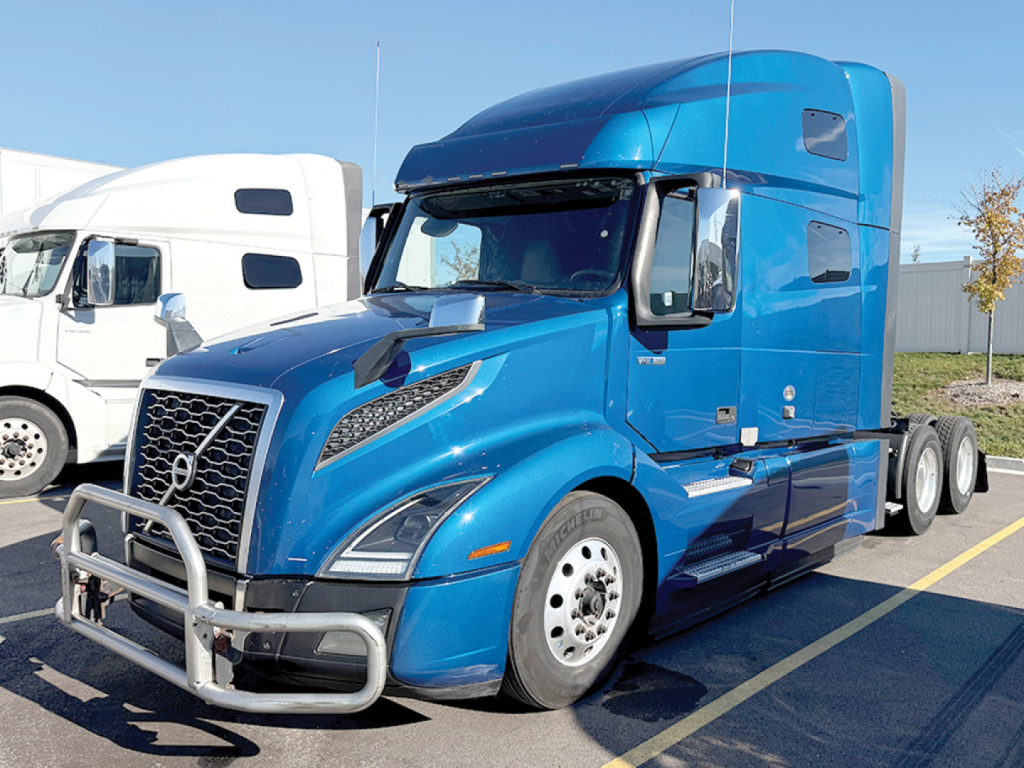
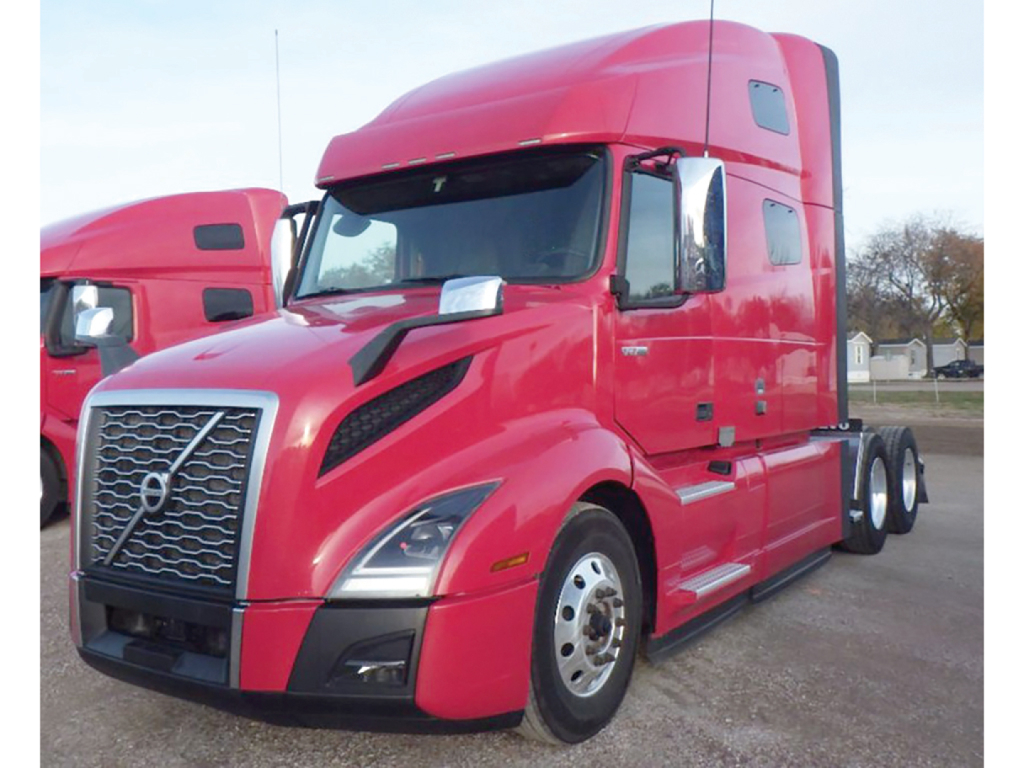
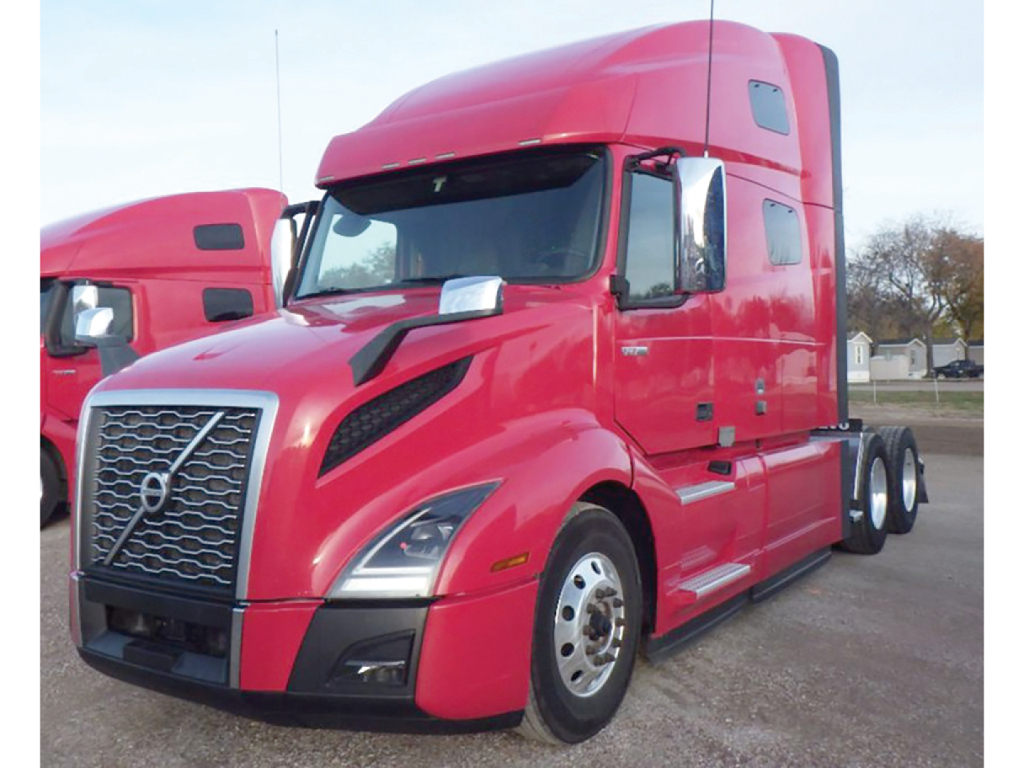
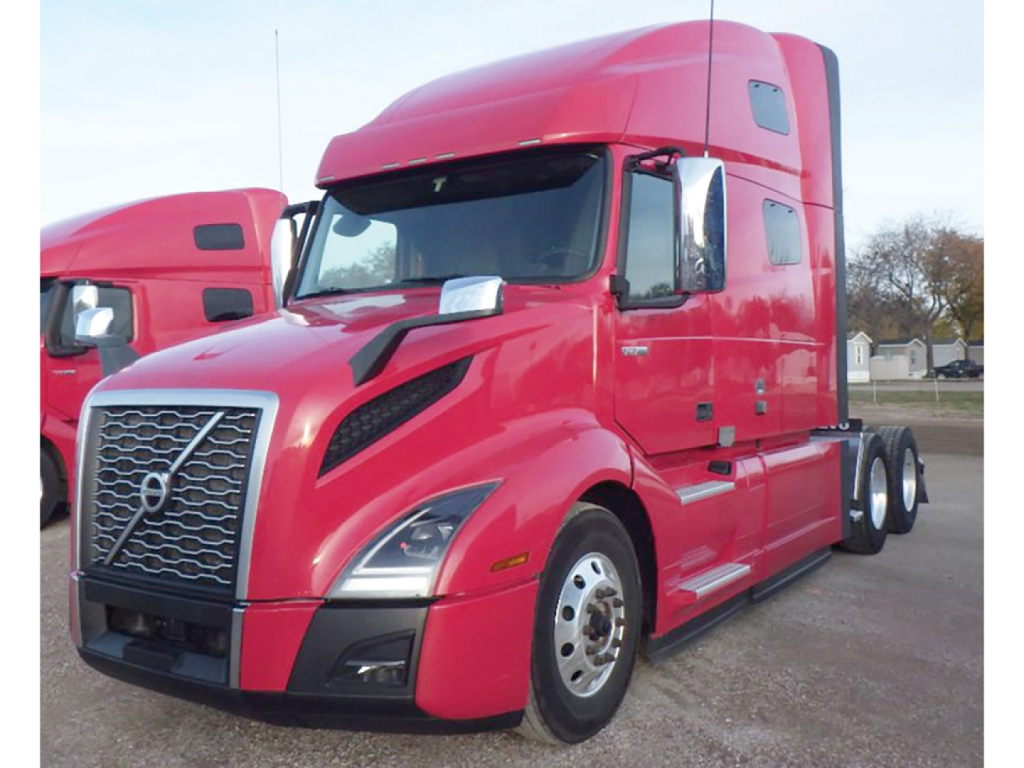
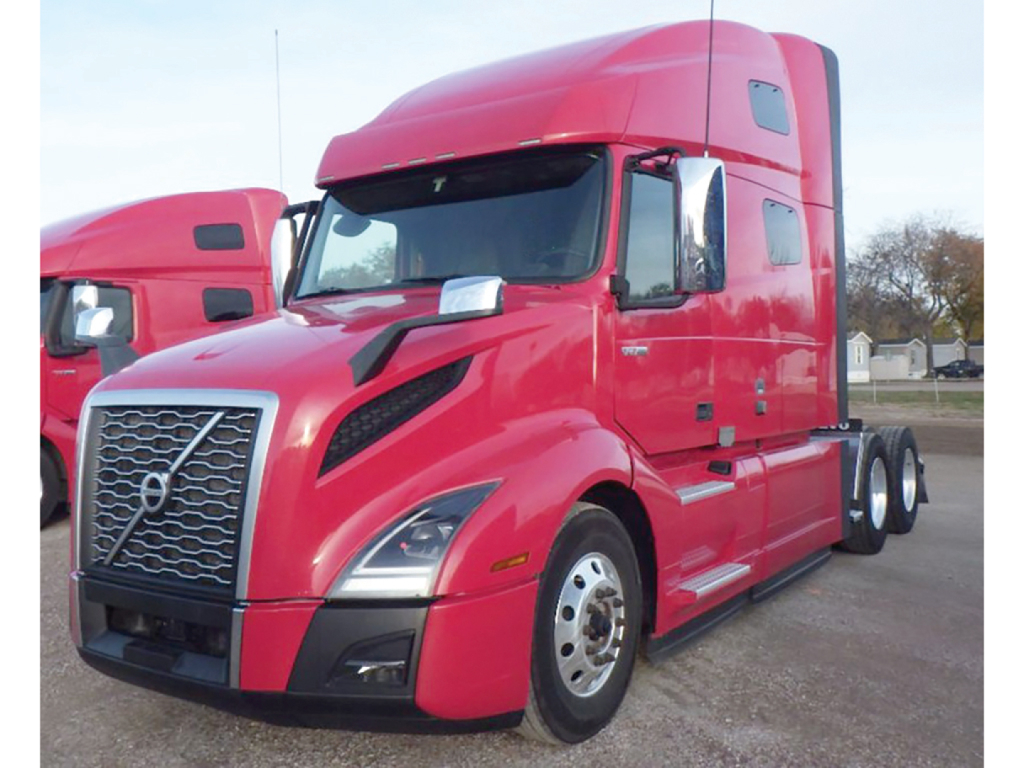
Showing 57 to 84 of 3,308 results
Selling a ford ambulance truck? List your ford ambulance truck for sale and reach thousands of commercial buyers.
Ford Ambulance Trucks in New York
The first buying decision is usually chassis rating and body size. An E-350 may suit lighter payload demands or shorter modules, while an E-450 generally gives more GVWR, better capacity for equipment and cabinetry, and a stronger fit for heavier patient compartment builds. Powertrain options vary by year and can include gasoline V8 engines or the 6.0L Power Stroke diesel on older units. Buyers should look closely at idle hours, charging system output, cooling performance, transmission condition, and the service history for emergency-use wear. Ambulance duty cycles are hard on brakes, front suspension, electrical systems, and engine accessories because these trucks spend long periods idling and operating under load.
The box and emergency upfit matter as much as the chassis. Key items include module construction, compartment layout, shoreline hookup, inverter, oxygen system status, HVAC performance in both cab and patient area, warning lights, siren controls, and scene lighting. In New York, corrosion deserves extra attention, especially on underbody structure, door sills, wheel arches, body mounts, and electrical connectors exposed to winter road salt. Interior condition can tell you a lot about prior use. Check cabinetry latches, attendant seat mounts, cot fastener systems, switch panels, and signs of water intrusion around roof penetrations or window seals. If the unit is being repurposed, confirm whether emergency equipment will remain, be removed, or require decommissioning before road use.
Ford ambulance trucks appeal to buyers who want a platform with broad parts availability and a large base of technicians familiar with the chassis. They are also easier to evaluate when compared side by side because many share similar layouts, wheelbases, and modular body designs. The best unit is usually the one with documented maintenance, a clean electrical system, solid module structure, and a chassis spec that matches the intended payload. Buyers comparing listings should focus less on cosmetic cleanup and more on axle rating, box integrity, idle-time wear, and the condition of the medical and electrical infrastructure that makes an ambulance useful beyond basic transport.
Frequently Asked Questions about Ford Ambulance Trucks in New York
What is the difference between a Ford E-350 ambulance and a Ford E-450 ambulance?
The main difference is chassis capacity. A Ford E-450 typically offers a higher GVWR, heavier front and rear axle ratings, and better suitability for larger or more heavily equipped ambulance modules. An E-350 can be a practical choice for lighter builds or lower equipment loads, but many fleet buyers prefer the E-450 for its additional payload margin and stability when carrying a full emergency upfit.
Are used Ford ambulance trucks practical for non-EMS commercial use?
Yes, many buyers repurpose Ford ambulance trucks for mobile clinics, utility response, event medical support, disaster operations, and specialty service builds. The modular body, onboard electrical equipment, exterior compartments, and HVAC systems make them useful platforms beyond ambulance service. Before repurposing, buyers should verify title status, equipment removal requirements, and any local rules covering decommissioned emergency vehicles and retained warning equipment.
What should I inspect first on a used Ford ambulance in New York?
Start with corrosion, idle-hour related wear, and electrical condition. In New York, road salt can accelerate rust on the frame, brake lines, suspension components, body mounts, and wiring connections. After that, inspect charging and inverter systems, shoreline function, module HVAC, door seals, compartment integrity, and signs of water intrusion. A clean maintenance record is especially valuable because ambulance service puts unusual stress on the truck even when mileage appears moderate.
Do Ford ambulance trucks usually have diesel engines?
Not always. Depending on model year and chassis spec, Ford ambulance trucks may have gasoline V8 engines or diesel power such as the older 6.0L Power Stroke. The right choice depends on operating needs, service familiarity, and the condition of the specific truck. On older ambulances, engine type matters less than documented maintenance, cooling system condition, charging performance, and how well the truck handled extended idle and emergency-duty cycles.
What type of ambulance body is most common on Ford ambulance trucks?
The most common configuration is a Type III ambulance body on a Ford E-Series cutaway chassis. In this setup, the modular patient compartment is attached directly behind a van-style cab. Type III units are popular because they provide organized medical workspace, exterior compartment storage, and strong upfit flexibility while using a chassis platform that many fleet shops already know how to maintain.