
Ford Ambulance Trucks For Sale
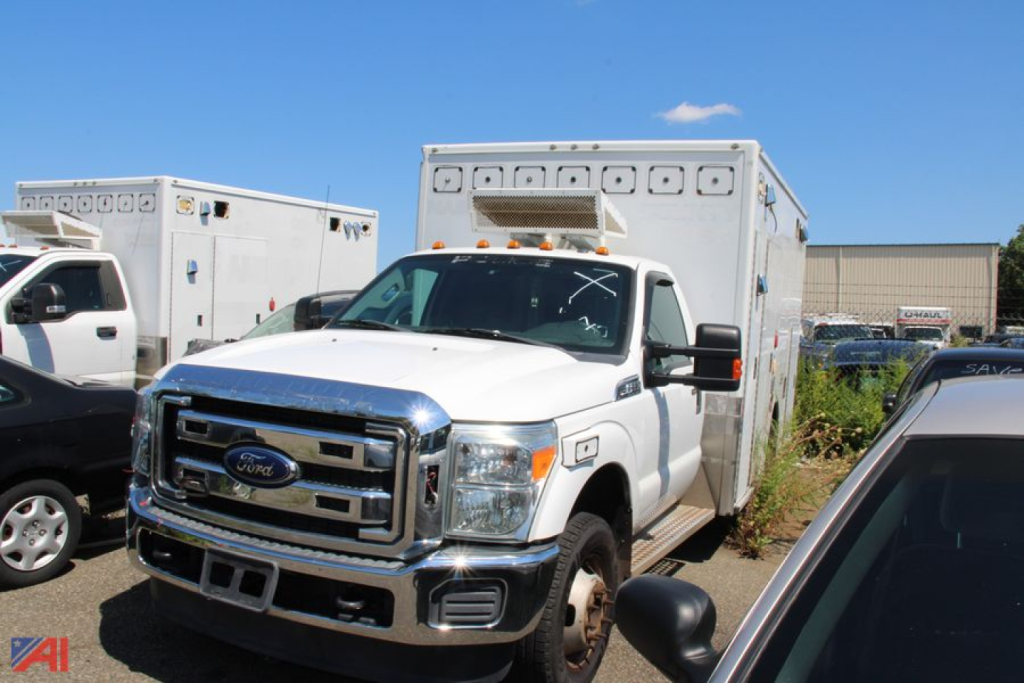
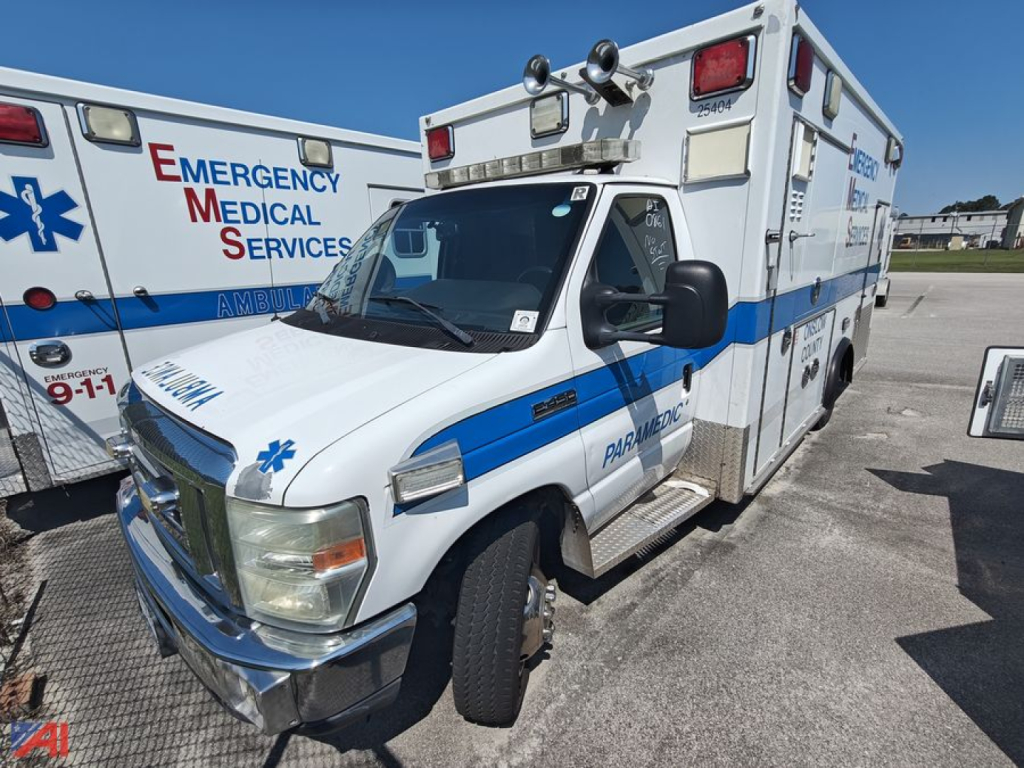
Have ford ambulance truck to sell? List it here to reach thousands of buyers.
Ford Ambulance Trucks
The chassis matters as much as the ambulance box. Ford ambulance trucks are typically built around gasoline V8 or older diesel powertrains depending on model year, and many fleets value them for parts availability and familiarity among technicians. Key chassis checks include engine hours, idle hours, transmission condition, brake system wear, steering play, suspension sag, and signs of frame corrosion, especially on units from snow-belt regions. On E-Series ambulances, buyers should also inspect dual rear wheel condition, front-end wear, cooling system performance, and evidence of electrical modifications. Ambulances carry heavy auxiliary loads from HVAC, inverters, shoreline charging systems, warning lights, oxygen storage, suction equipment, and onboard cabinetry, so the alternator, batteries, and wiring integrity deserve close attention.
Body condition is critical because an ambulance is more than a cab and chassis. Look closely at module construction, door seals, compartment latches, roof seams, window condition, and any water intrusion in the patient area. A used Ford ambulance may still have value as a frontline EMS unit in some markets, but many buyers are sourcing these trucks for non-emergency transport, event medical support, fire department support, mobile clinics, or commercial conversions. In those cases, interior layout, headroom, HVAC output, inverter capacity, and shoreline function may matter more than legacy medical equipment. Buyers should also verify title status, decommissioning requirements, siren and light removal rules, and local regulations for repurposing an ambulance body.
A good Ford ambulance truck is usually defined by maintenance history, electrical health, and body integrity more than cosmetic appearance. Service records showing preventive maintenance, documented module repairs, and chassis work are a major advantage. It is also smart to check tire date codes, generator or inverter operation if equipped, stretcher mount condition, and the status of warning systems, air conditioning, and heat in both the cab and module. For buyers comparing multiple listings, the best value often comes from matching the chassis capacity and module condition to the intended job rather than focusing only on mileage or purchase price.
Frequently Asked Questions about Ford Ambulance Trucks
What Ford chassis are most common in ambulance trucks?
The Ford E-Series chassis, especially the E-350 and E-450, are among the most common Ford ambulance platforms on the used market. The E-450 is especially popular for Type III ambulances because it offers higher weight capacity and is well suited to a full emergency-service module. Some Ford Super Duty chassis also appear in rescue, transport, or specialty medical applications, but the E-Series remains the core platform most buyers will encounter.
What should I inspect first on a used Ford ambulance?
Start with the electrical system, body integrity, and maintenance history. Ambulances depend on high-output charging systems, multiple batteries, inverters, HVAC components, and extensive wiring, so electrical faults can be expensive and time-consuming to correct. After that, inspect the module for leaks, corrosion, compartment damage, door seal wear, and signs of hard service, then evaluate chassis basics such as brakes, suspension, steering, tires, transmission behavior, and engine cooling performance.
Is a Ford E-450 ambulance a good choice for conversion use?
A Ford E-450 ambulance can be a strong conversion platform because it combines a heavy-duty van-based chassis with a fully enclosed rear module that already has insulation, storage, lighting, and auxiliary electrical equipment. Buyers using it for mobile medical, workshop, service, or camper conversion should still verify interior dimensions, system condition, and legal requirements tied to former emergency vehicles. The value of the unit depends heavily on module condition and how much of the original ambulance equipment remains functional or needs removal.
How important are engine hours and idle hours on an ambulance truck?
Engine hours and idle hours are extremely important because ambulances spend long periods running stationary to power HVAC, lighting, and medical systems. A unit with moderate mileage can still show significant wear if it has accumulated heavy idle time. Buyers should compare mileage with hour meter readings when available and use both to assess engine wear, charging system demand, and expected service needs.
Do I need to worry about regulations when buying a retired ambulance?
Yes. Retired ambulances may be subject to state or local rules covering title branding, decommissioning, emergency lighting removal, siren removal, and how the vehicle can be registered after sale. If the truck will be used for medical transport, commercial work, or conversion, buyers should confirm compliance requirements before purchase. These rules vary by jurisdiction, so a clean mechanical unit can still require additional work before it can be put into service.