
2025 Commercial Trucks For Sale in Texas
Explore 2025 trucks for sale in Texas, with specs on tare weight, floor strength, thermal integrity, corrosion protection, and powertrain options.
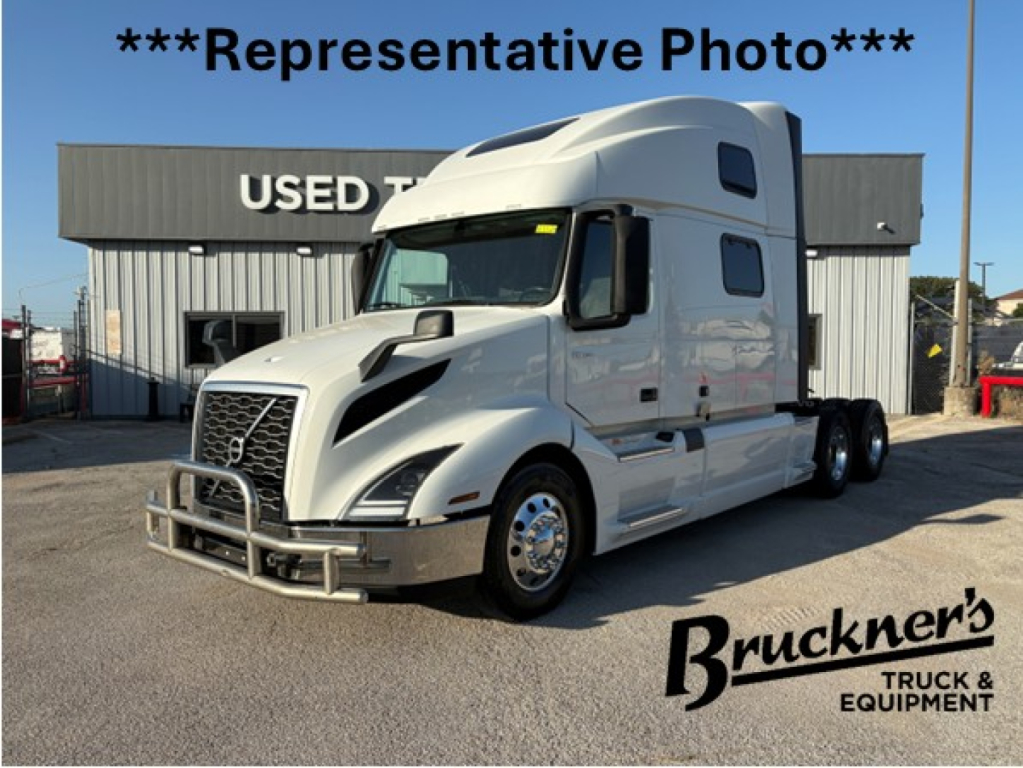
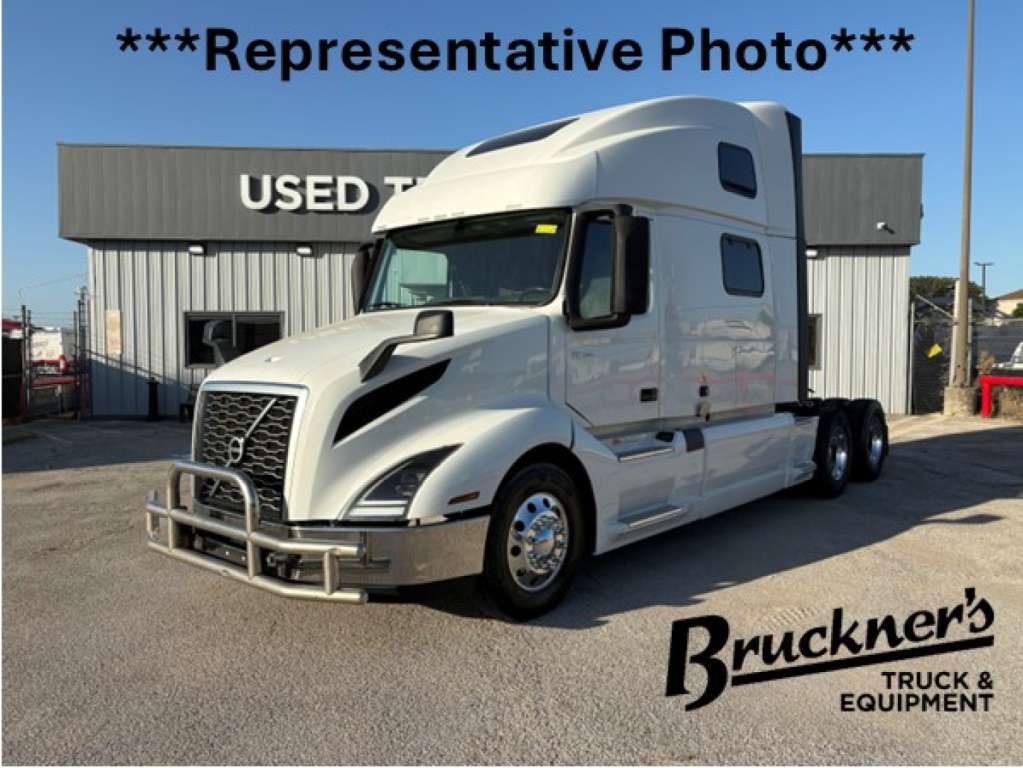
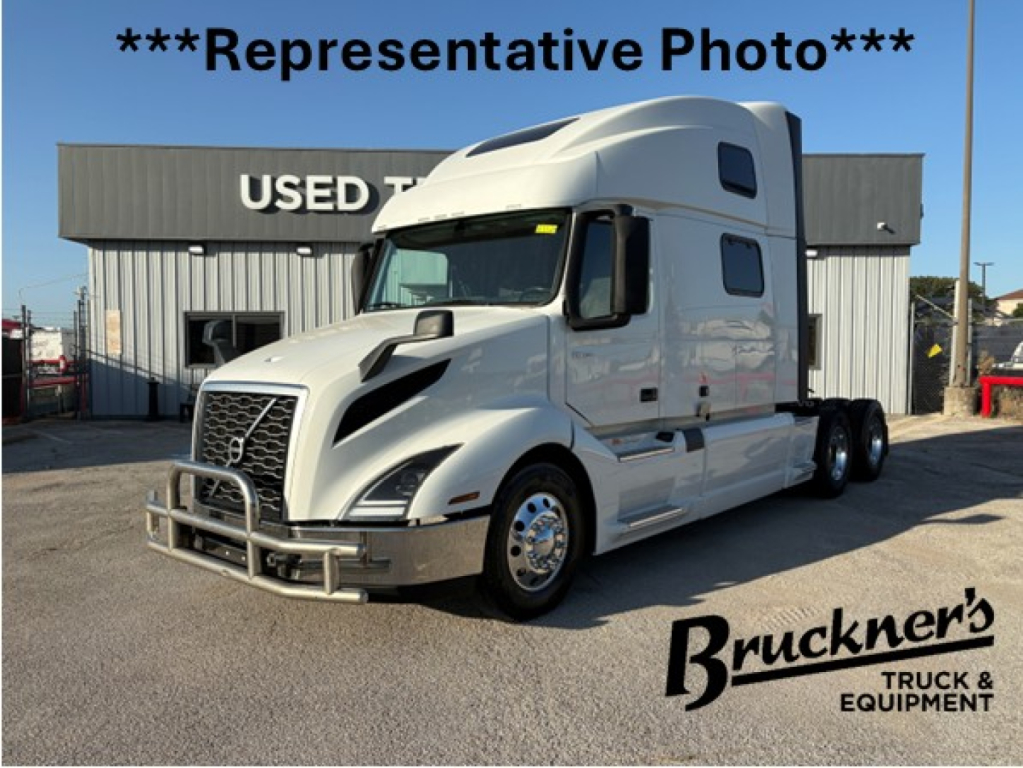
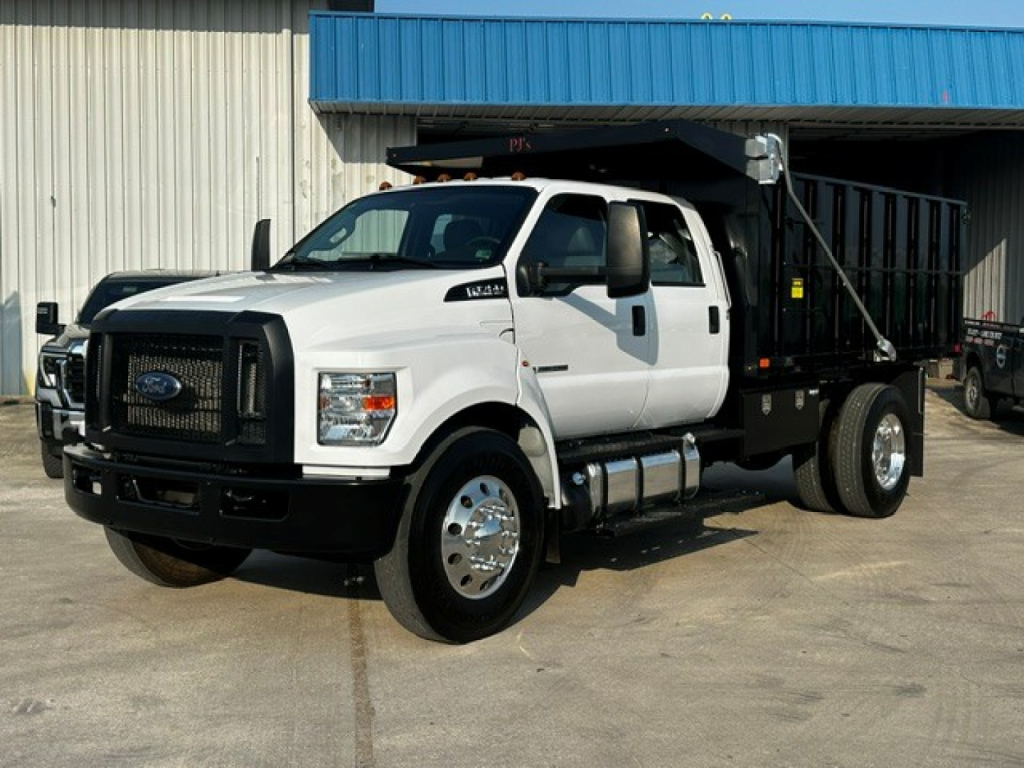
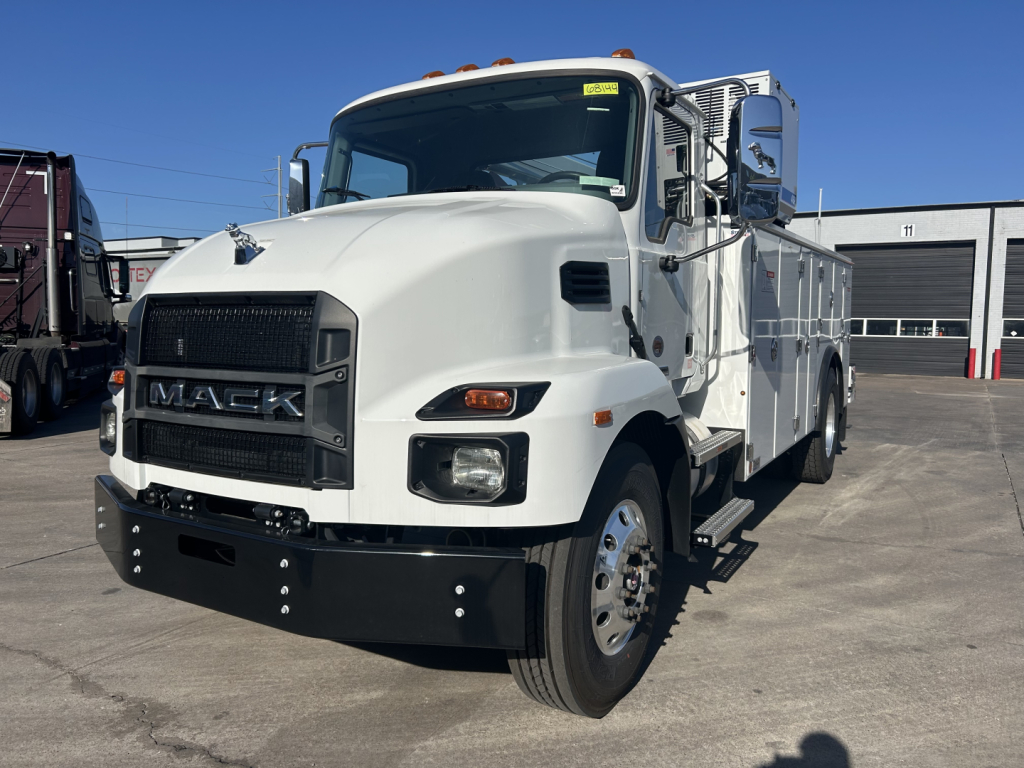
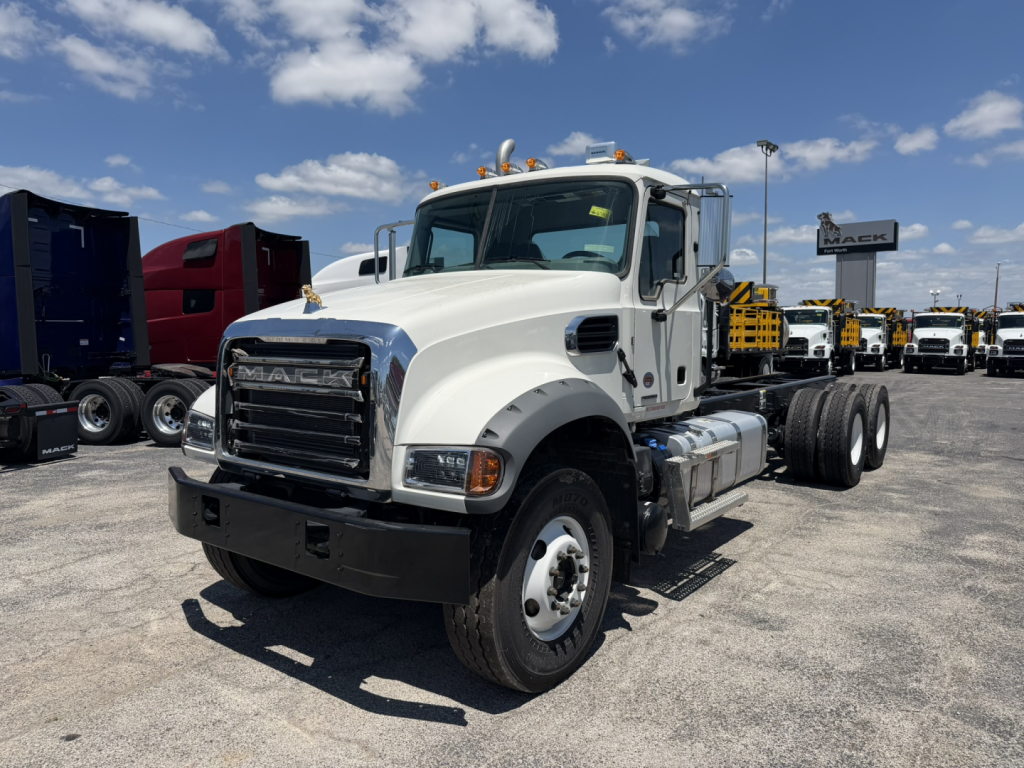
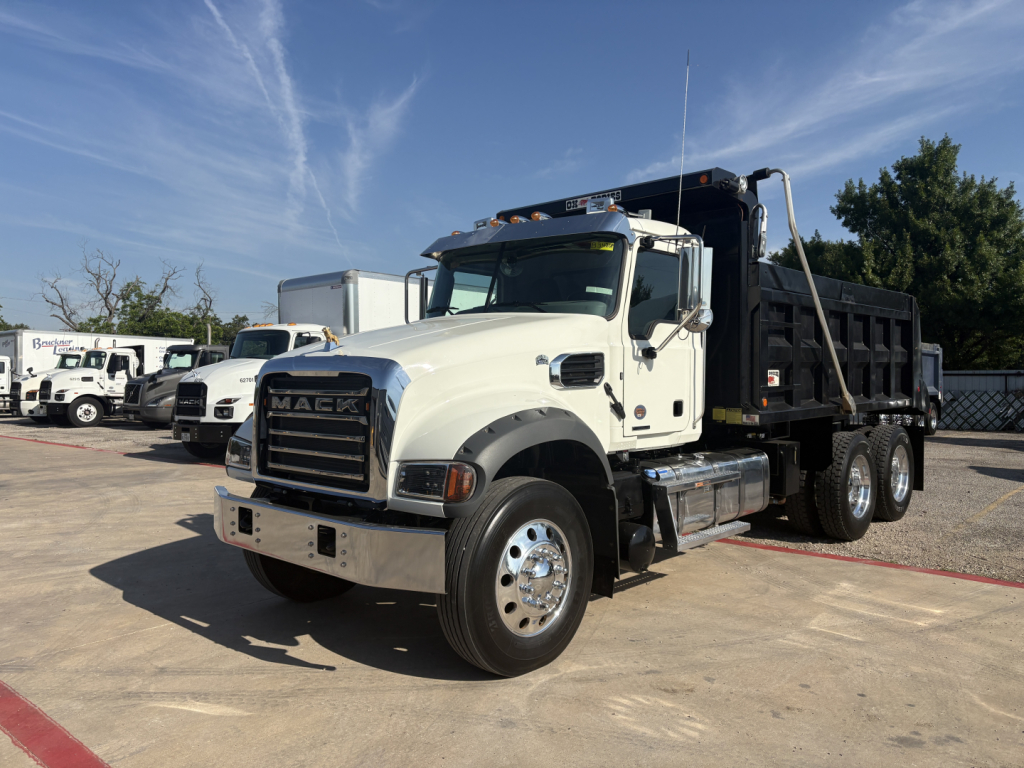
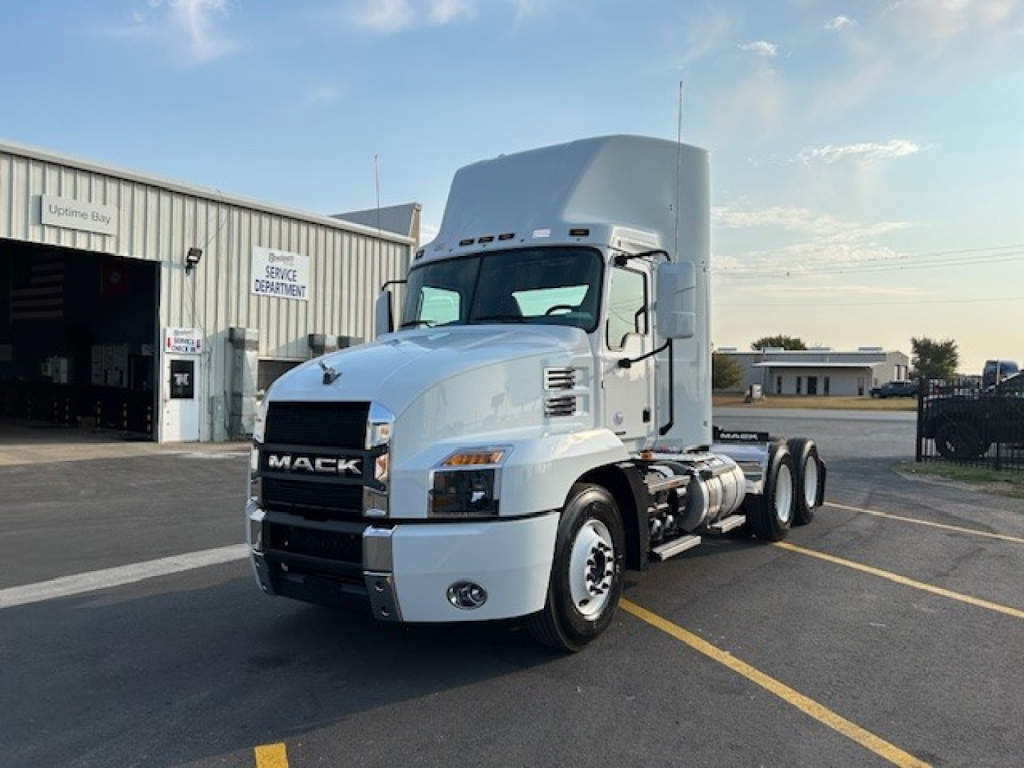
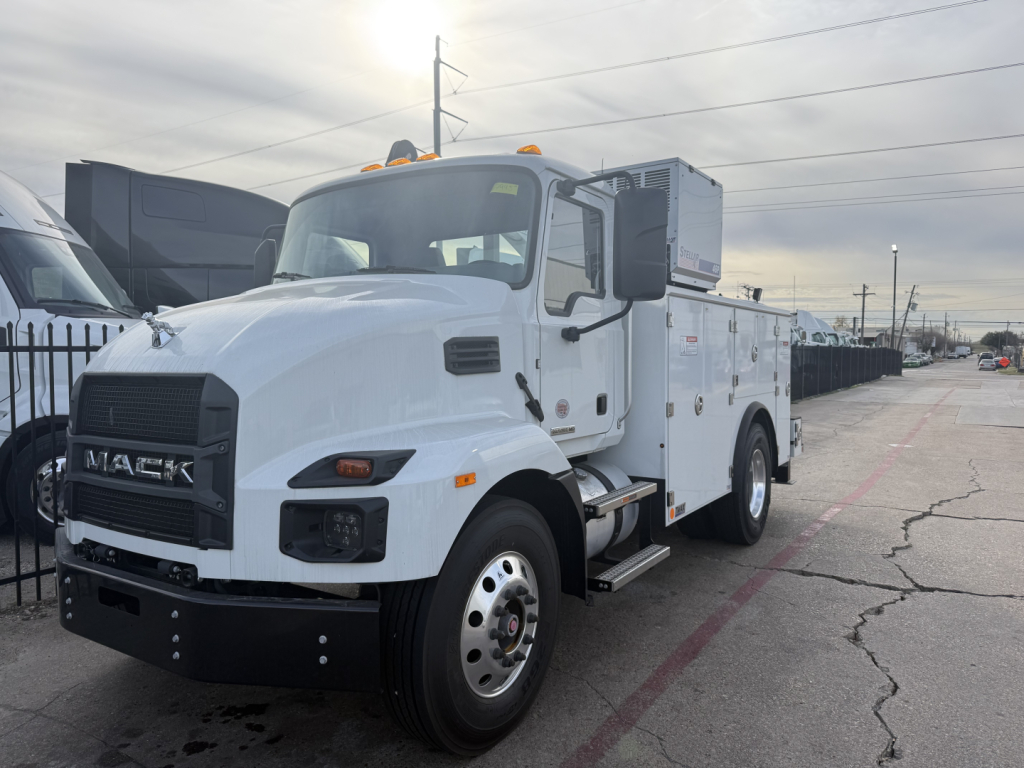
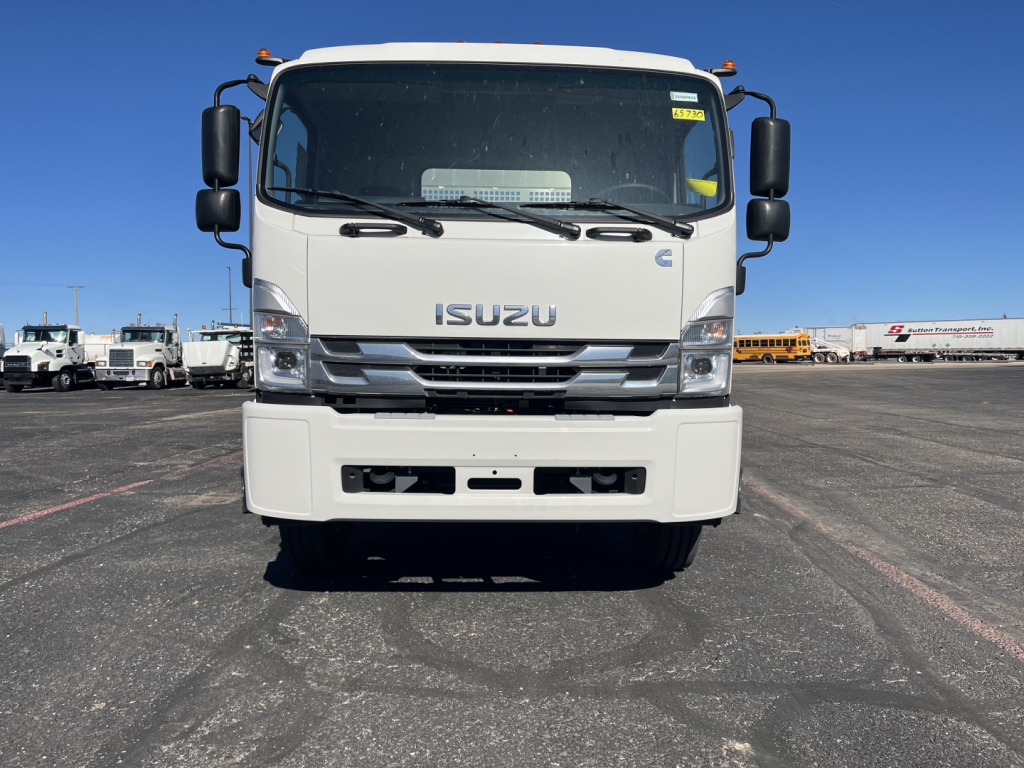
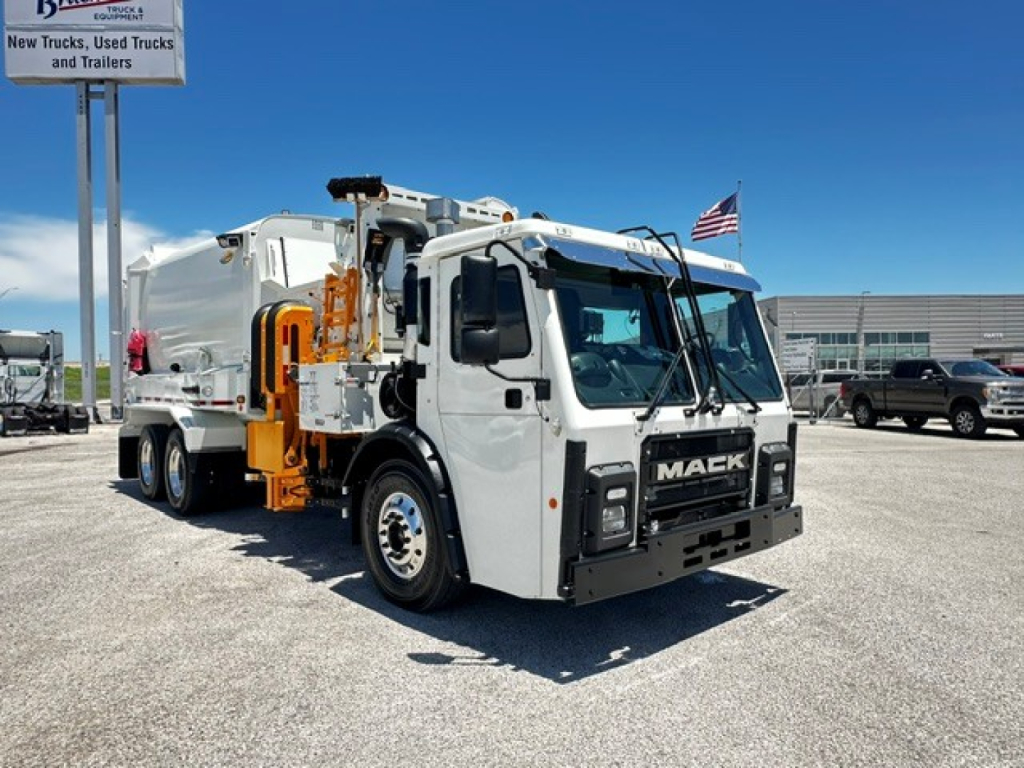
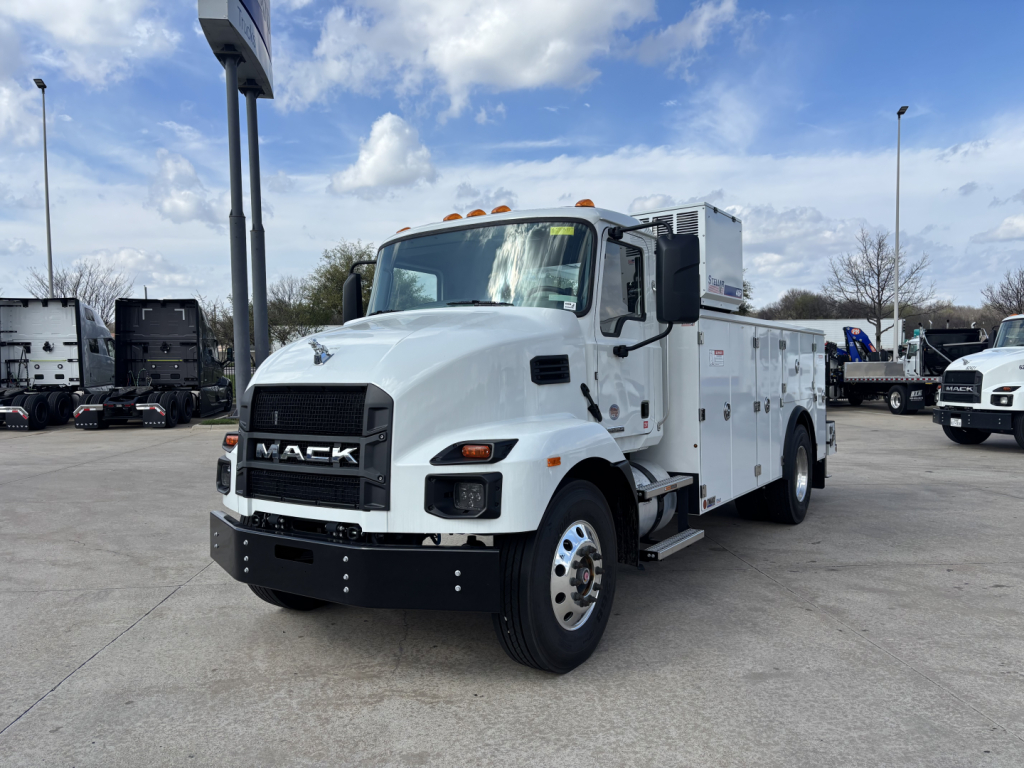
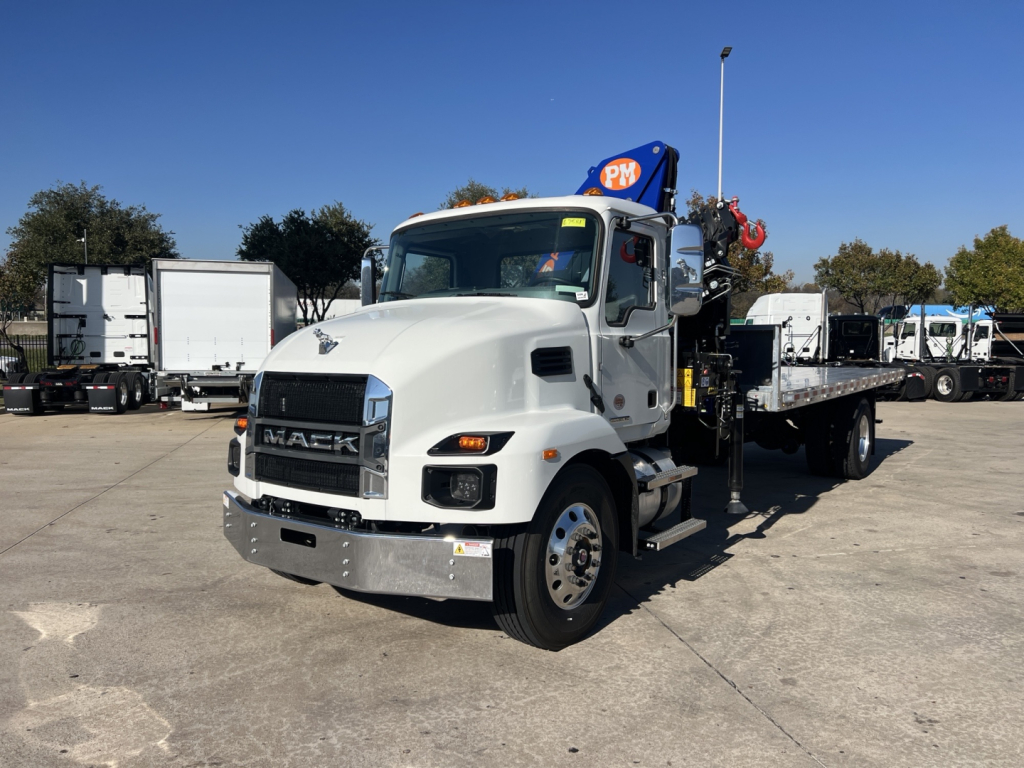
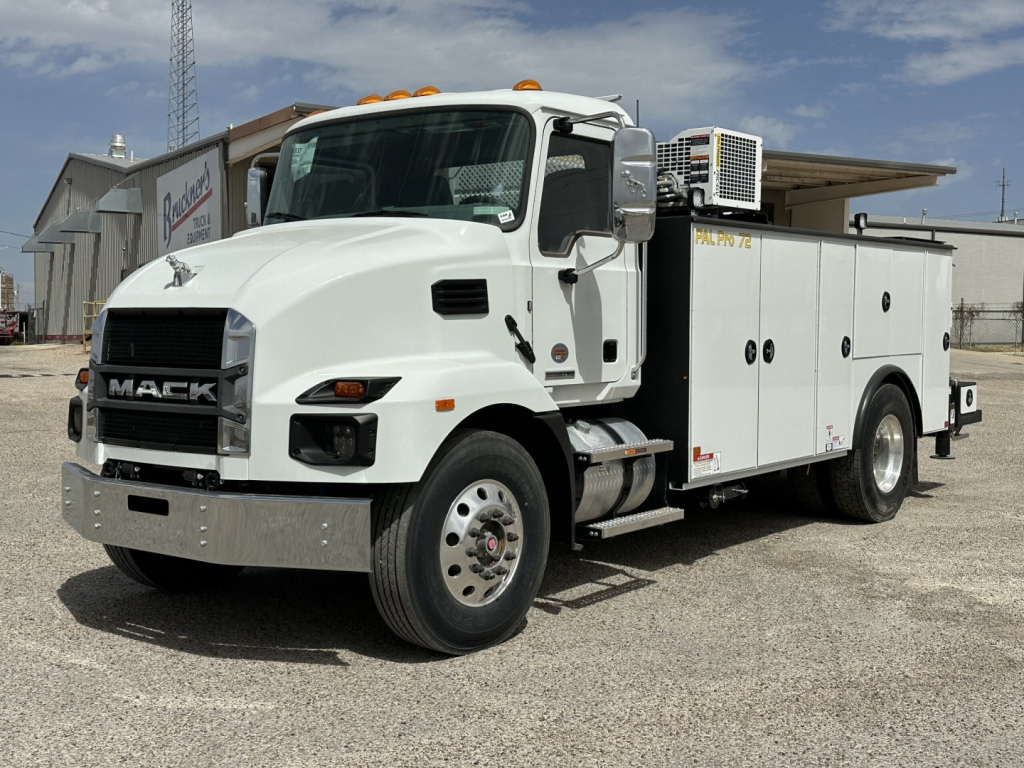
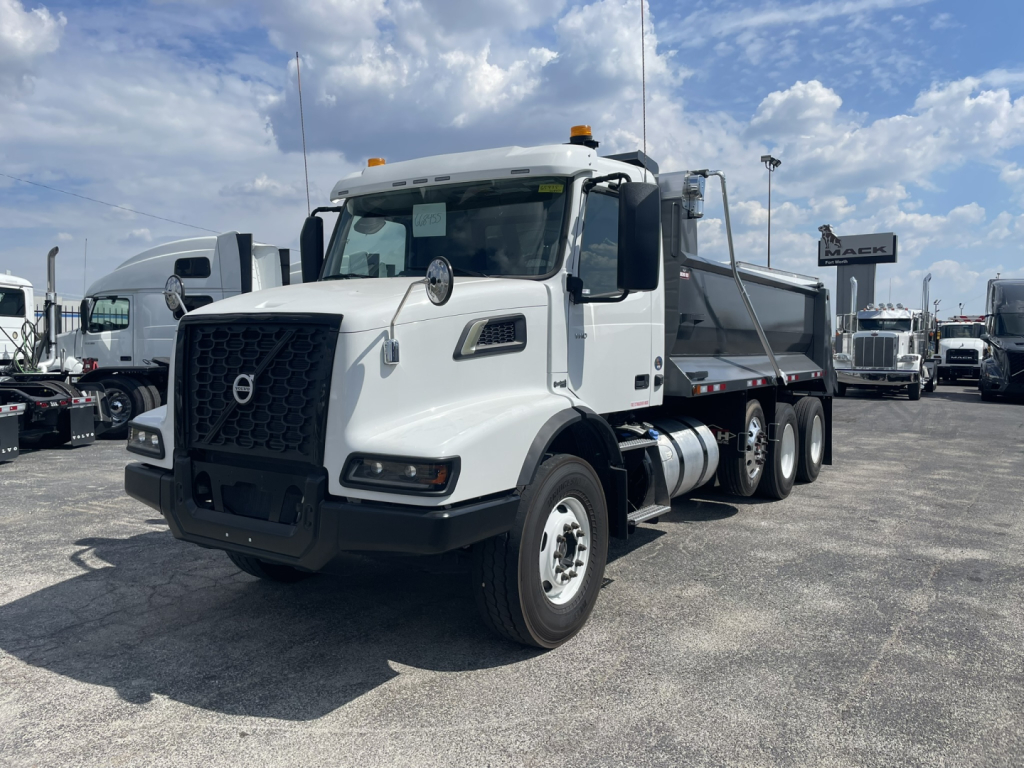
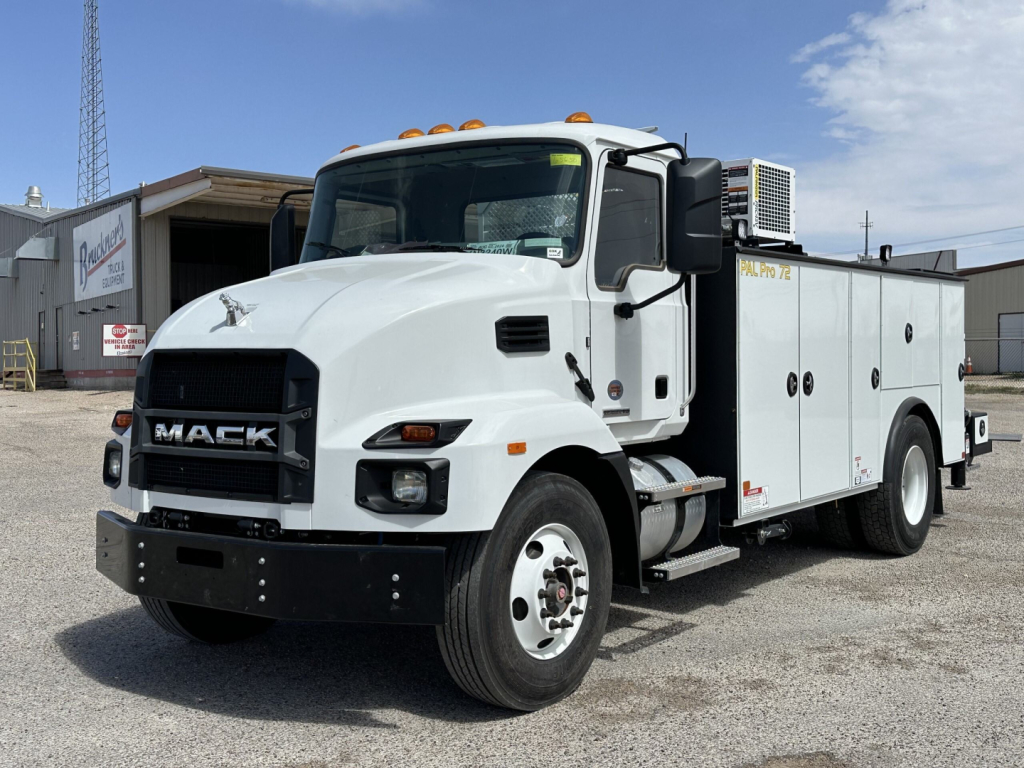
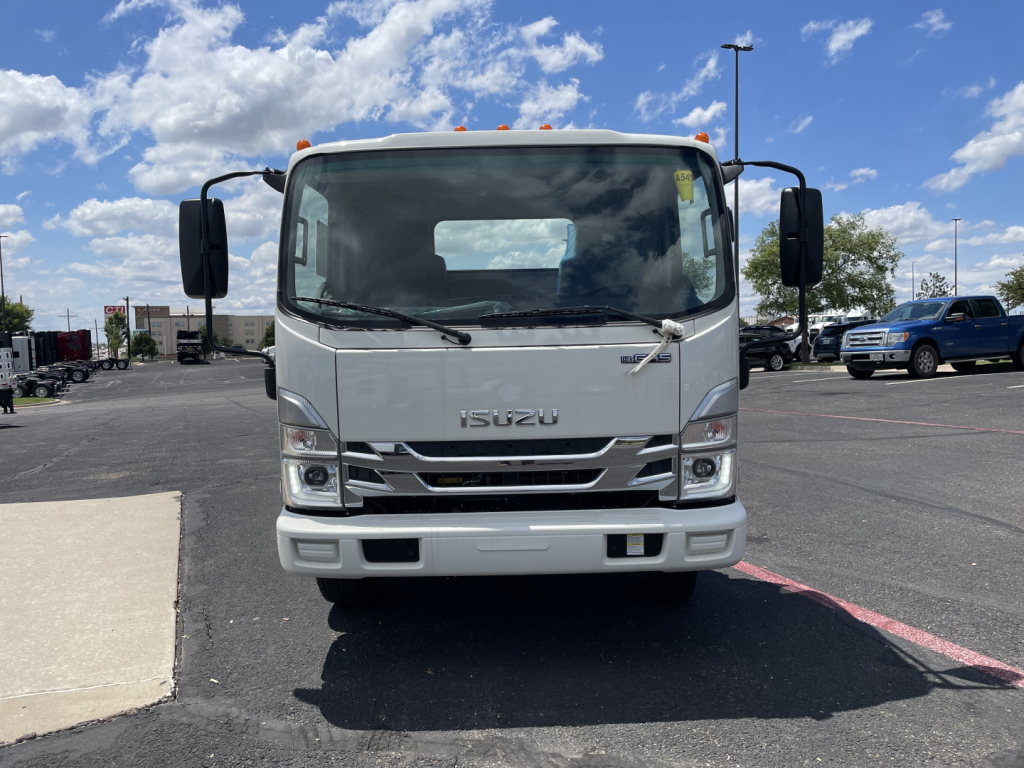
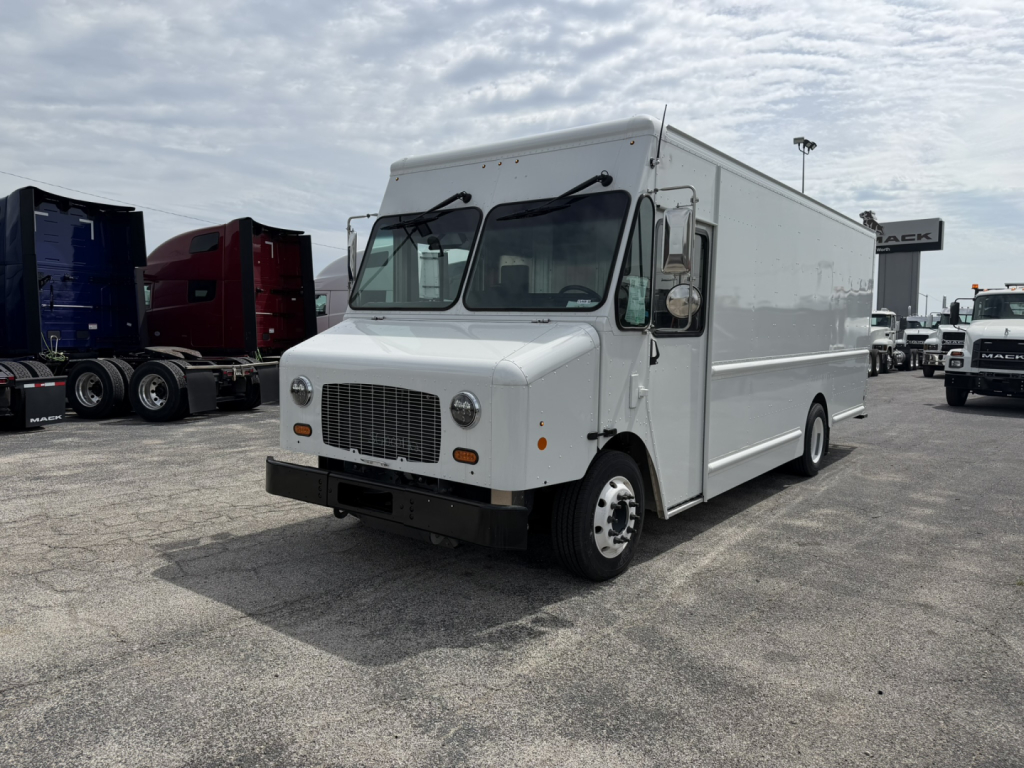
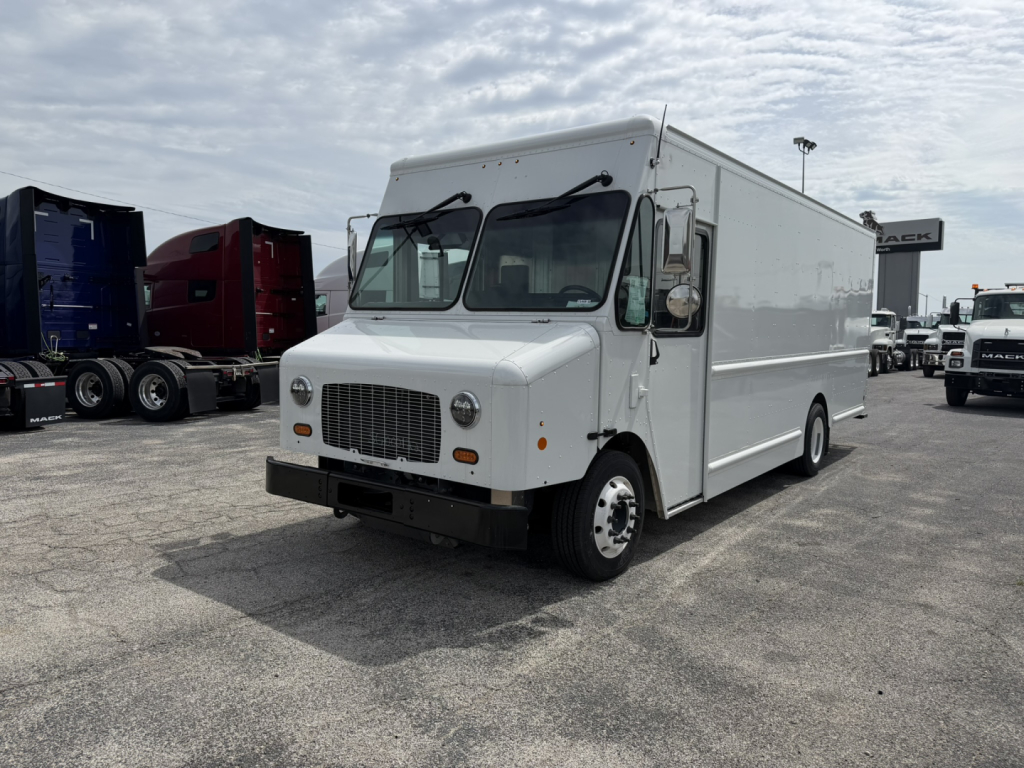
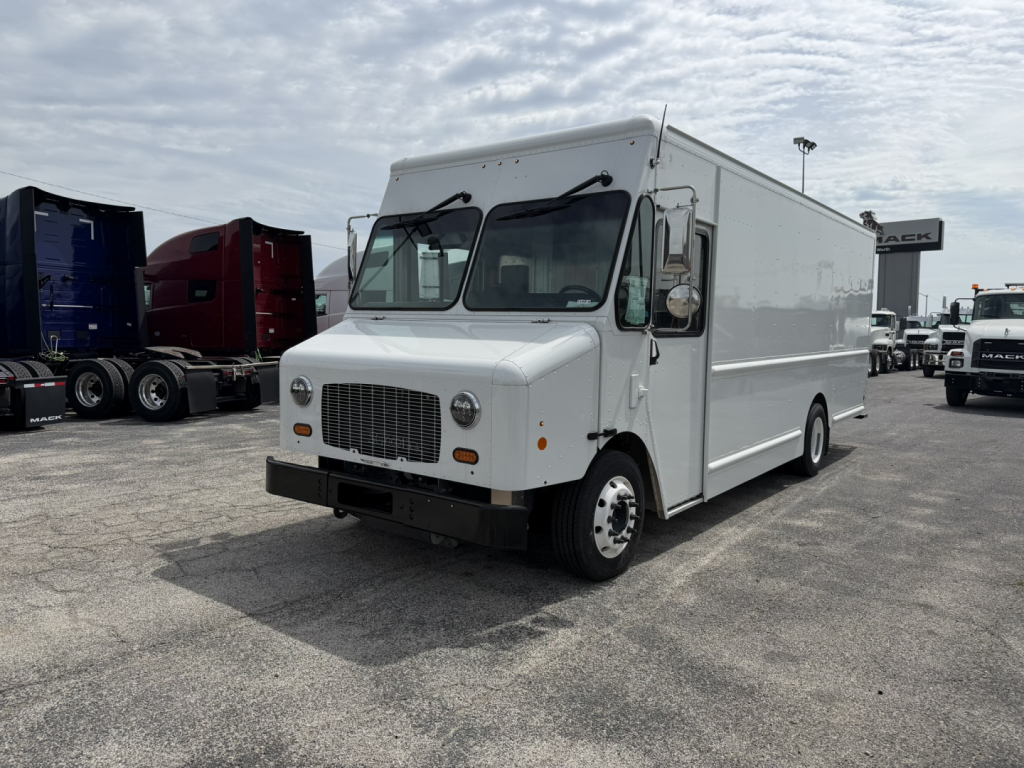
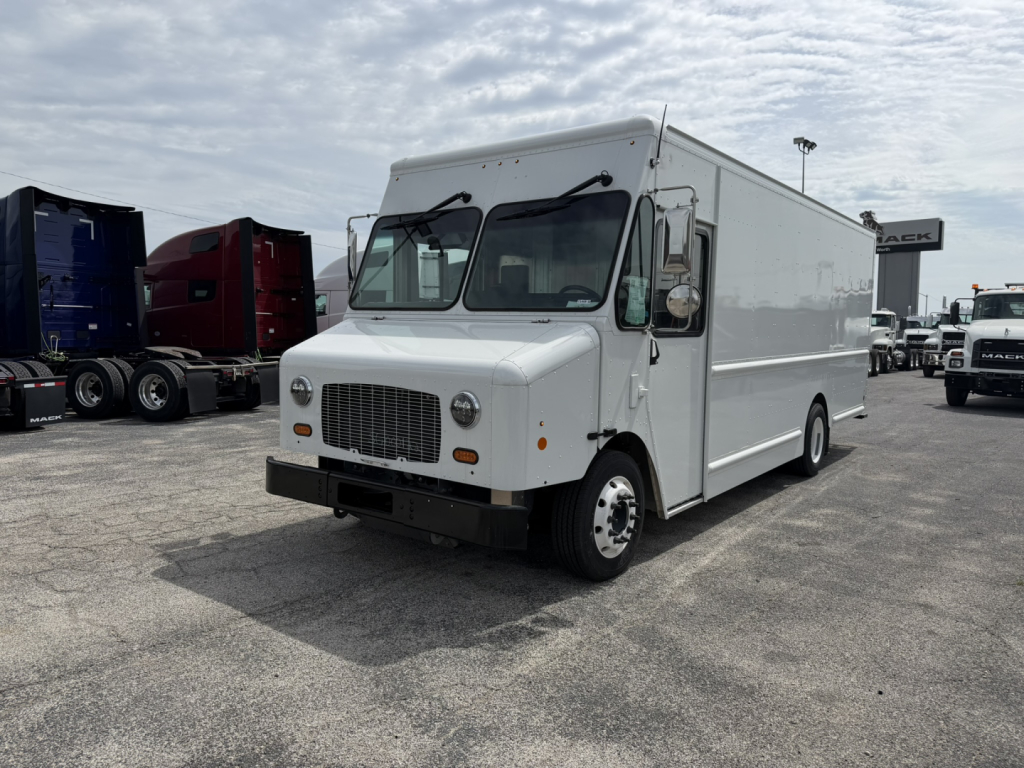
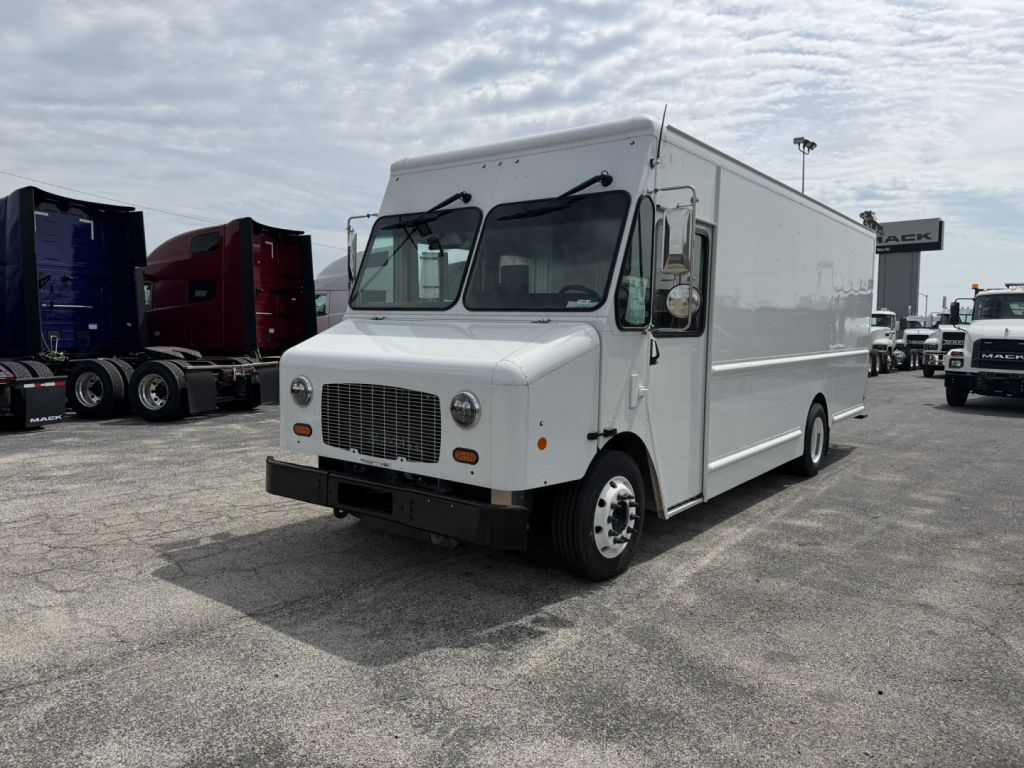
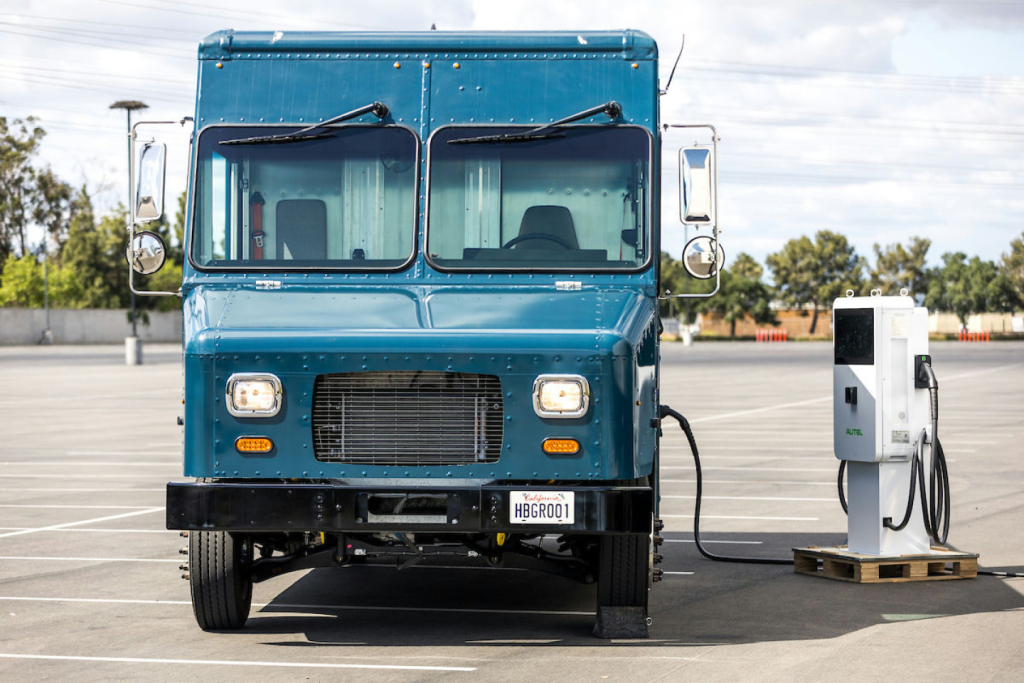
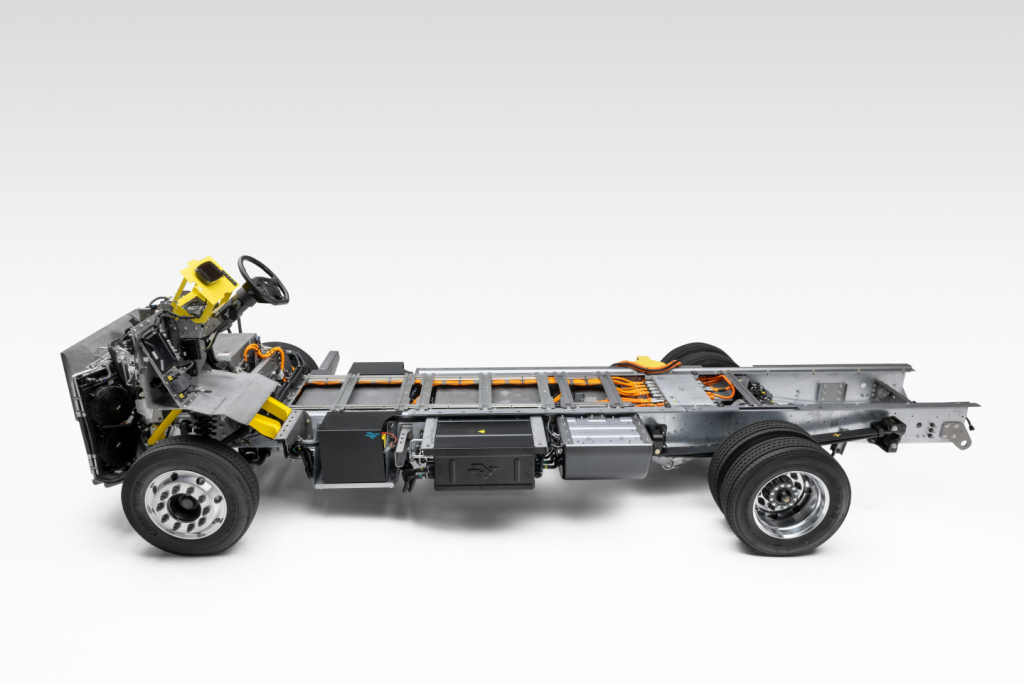
Showing 1 to 24 of 32 results
Have 2025 commercial truck to sell? List it here to reach thousands of buyers.
2025 Commercial Trucks in Texas
Tare weight is where 2025 models make measurable gains. Options such as aluminum wheels, low‑weight fifth wheels, single 150 gallon tanks, wide base singles where allowed, and optimized 6x2 or low‑tare 6x4 tandems trim hundreds of pounds, which converts directly to payload or fuel. For vocational trucks, high tensile frame rails with strategic insert plates, crossmember spacing at 24 inches or tighter, and heavy duty suspensions deliver strength without unnecessary mass. Axle ratings should match the job, for example 13.2K steer with 40K or 46K tandems, and spec the right wheelbase to balance bridge compliance and turning radius in urban Texas lanes.
For straight trucks and reefers, floor strength and thermal integrity drive total cost. Look for laminated hardwood or extruded aluminum floors with 18,000 to 24,000 pound forklift ratings, full length steel or aluminum sills, and robust scuff liners at 12 inches to 24 inches to protect sidewalls. Logistics posts on 16 inch centers improve load security. Refrigerated bodies with foam‑in‑place closed cell polyurethane insulation, thermal breaks at door frames, vapor tight wiring pass‑throughs, and high compression door gaskets hold setpoint in 100 degree heat, reducing reefer engine hours. Multi‑temp bulkheads and drainable floors help mixed loads, while smooth interiors clean faster in produce lanes.
Texas specs also reward durability against corrosion. Choose e‑coat or zinc rich primers on frames, stainless hardware where possible, sealed harnesses, and underbody coatings for coastal routes. Aluminum cabs resist rust and save weight, steel cabs with advanced coatings are tougher against impacts; select based on route risk. Pair disc brakes for shorter stops and easier service, add automatic traction control if running 6x2, and consider tire pressure monitoring for heat related pressure swings. Finalize axle ratios around duty cycle, for example 2.28 to 2.64 with overdrive for long haul across I‑10 or I‑35, or deeper gearing with PTO provisions for dump and mixer work. Telematics, collision mitigation, and idle reduction options like battery HVAC improve uptime and driver comfort without adding unnecessary tare.
Frequently Asked Questions about 2025 Commercial Trucks in Texas
Which 2025 truck specs most affect tare weight and payload in Texas operations?
Aluminum wheels, low weight fifth wheels, optimized fuel tank capacity, wide base singles where routes permit, and lighter 6x2 or low tare 6x4 tandems deliver the largest weight savings on tractors. On straight trucks, aluminum or composite bodies, extruded aluminum floors, and carefully sized liftgates trim mass while preserving durability. Balance these with traction needs, expected tire wear, and resale value, and verify axle and suspension ratings still meet payload targets.
How should I evaluate floor strength on 2025 box and reefer trucks?
Start with the forklift rating and floor material. Laminated hardwood and heavy extruded aluminum floors typically offer 18,000 to 24,000 pound point load ratings, which supports pallet jacks and forklift entry. Check crossmember spacing, 12 inch to 24 inch scuff liners, threshold plates, and sill design. For food and pharma, smooth interior liners with corrosion resistant fasteners ease sanitation while protecting insulation from moisture intrusion.
What defines good thermal integrity for Texas heat in 2025 refrigerated trucks?
Look for high R‑value foam‑in‑place polyurethane insulation with consistent density, thermal breaks at door frames, sealed wiring pass‑throughs, and robust door seals. Roof designs that resist solar gain, white or reflective skins, and drainable floors help maintain setpoint in triple digit temperatures. Match the reefer unit capacity to the route profile, consider multi‑temp capability if loads vary, and use telematics to monitor box temperature and door‑open time.
How can I protect a 2025 truck from corrosion in Texas, especially near the Gulf or in oilfield service?
Select frames with e‑coat or zinc rich primer, underbody coatings, stainless or coated fasteners, and sealed electrical connectors. Aluminum cabs and fuel tanks reduce rust exposure, and galvanized or stainless body hardware on straight trucks resists salt air and brine. Add frequent wash schedules, dielectric grease at critical plugs, and spec closed frame end caps to keep debris out in caliche and coastal environments.
Are 2025 diesel, natural gas, or electric trucks practical for long routes in Texas?
Modern diesel remains the most flexible for statewide linehaul due to fueling density and efficiency. Near regional hubs, CNG can be cost effective with the right station network, though tanks add tare and reduce frame space. Battery electric is best for urban or short regional routes, where predictable mileage and depot charging offset range limits; thermal management in Texas heat is improved on 2025 models, but payload and charging infrastructure still drive the decision.