
2023 Trucks For Sale in Florida
Browse 2023 trucks for sale in Florida, including day cabs, vocational trucks, and medium-duty diesel chassis with current specs and emissions tech.
Learn more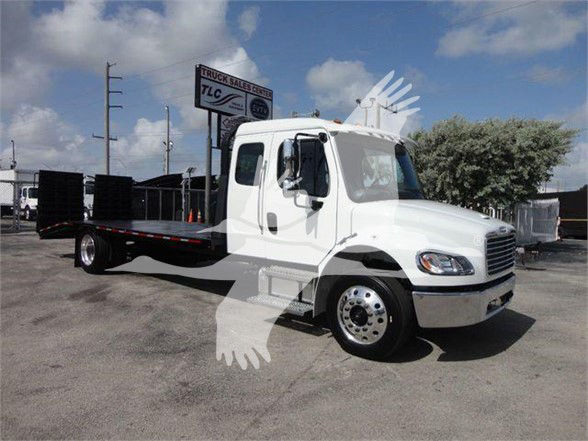
Showing 49 to 60 of 73 results
Have 2023 truck to sell? List it here to reach thousands of buyers.
About 2023 Trucks in Florida
For highway and regional use, 2023 conventional trucks commonly show up with automated manual transmissions, aerodynamic fairings, air ride suspension, and engine ratings suited to fuel-conscious fleet work. Buyers comparing day cabs should pay close attention to horsepower, torque, rear axle ratio, wheelbase, and fifth wheel setup. A Volvo VNL 300, Freightliner Cascadia day cab, International LT, Kenworth T680, or Peterbilt 579 from this model year may be spec'd for local haul, container work, or short regional lanes, and those jobs demand different gearing and axle capacities. Disc brakes, collision mitigation, adaptive cruise, and lane departure systems are also more common on 2023 trucks than on older equipment, which matters for insurance, driver acceptance, and uptime.
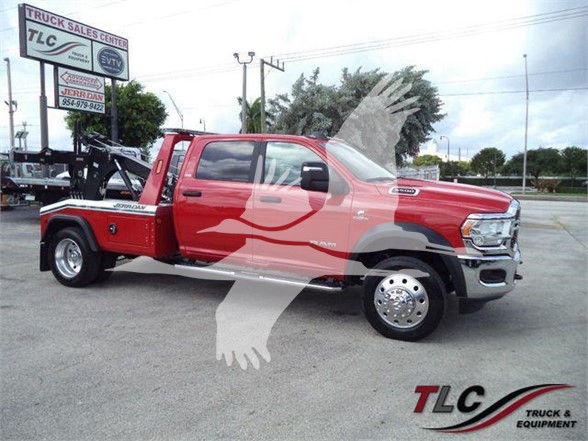
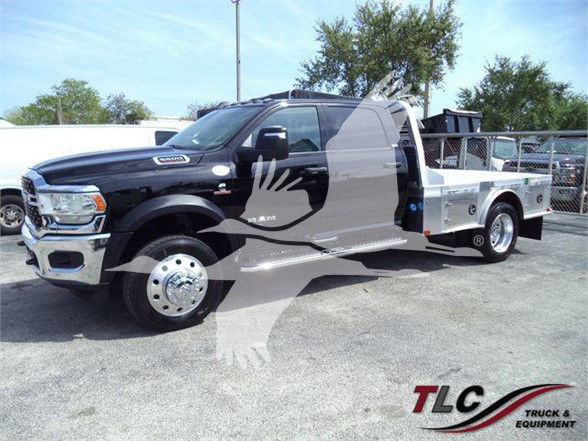
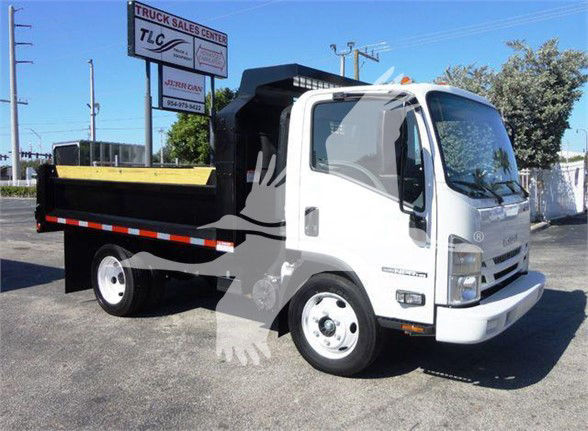
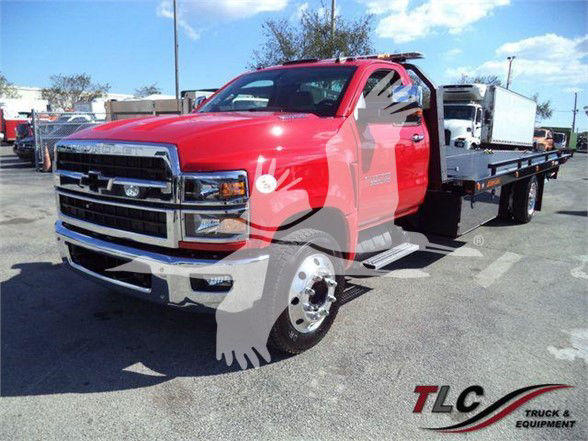
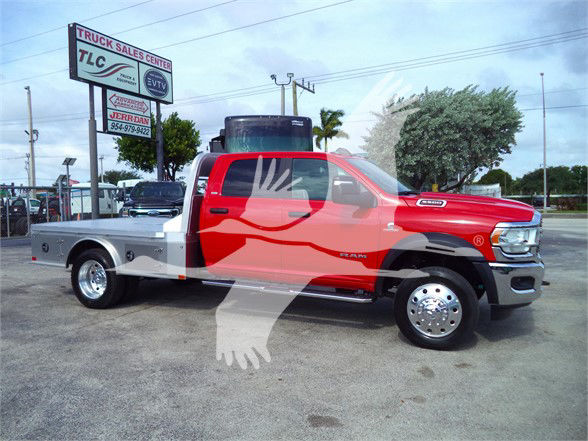
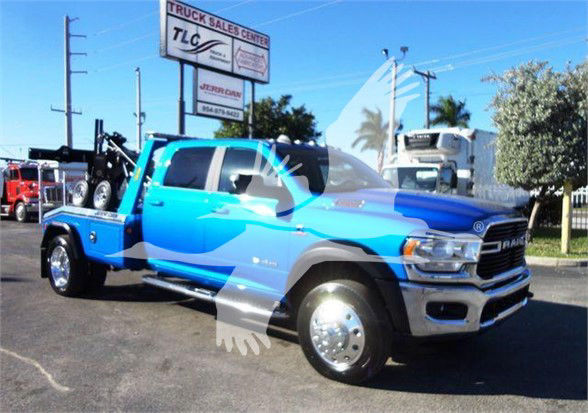
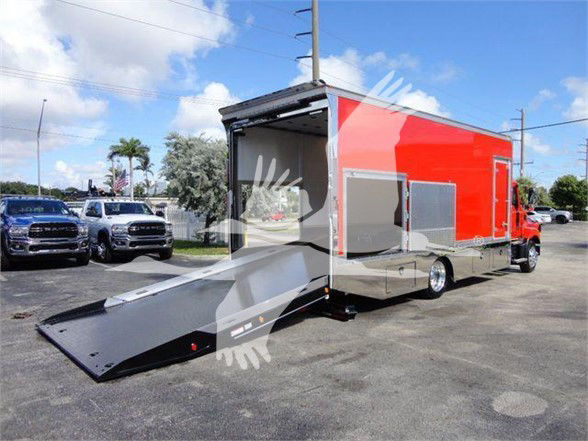
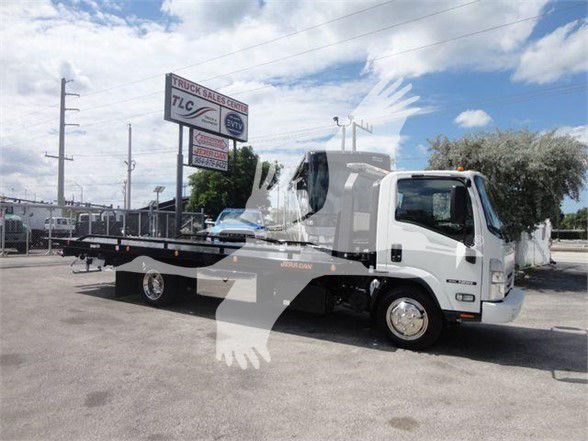
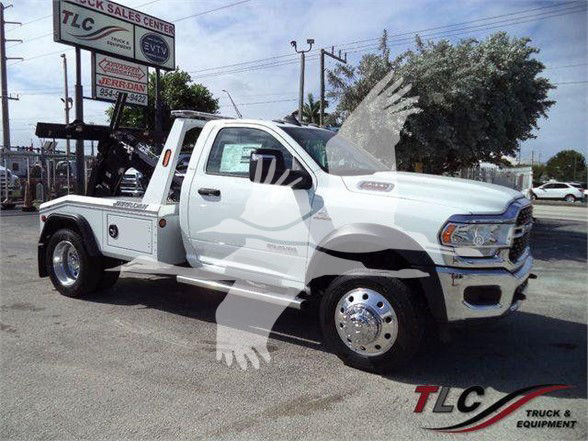
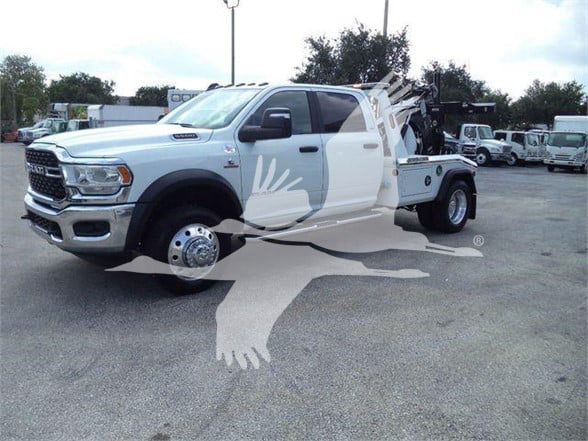
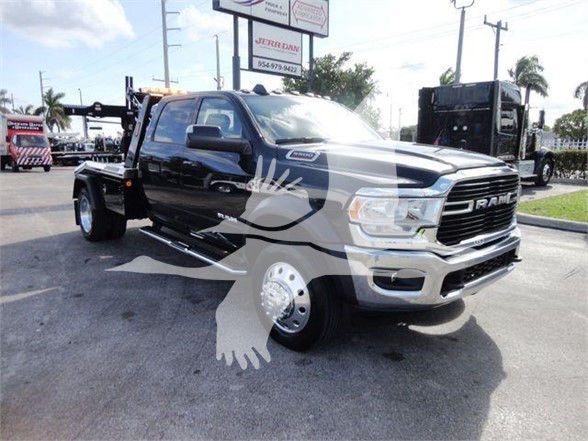
In the medium-duty and vocational segment, 2023 trucks are often built around proven diesel platforms from Isuzu, Hino, International, Freightliner, Ford, and Chevrolet. Common configurations include Class 4 through Class 7 chassis with automatic transmissions, spring or air ride suspension, PTO capability, and bodies such as dump, hooklift, rollback, van, reefer, flatbed, and service utility. Florida buyers should look hard at corrosion exposure, cooling system condition, PTO and hoist operation, brake type, and whether the truck is set up for non-CDL or CDL use. On landscape dumps, roll-off trucks, and tow trucks, body maker reputation matters almost as much as chassis make because hoists, winches, tarping systems, and electrical controls drive day-to-day reliability.
A smart comparison between 2023 trucks starts with the intended work cycle. Check GVWR versus legal payload, axle spacing, tire size, body dimensions, turning radius, and cab-to-axle measurement before focusing on cosmetic condition. Verify engine hours on PTO-driven units, confirm service history, and review emissions components such as DPF, DEF, and SCR systems because idle-heavy vocational work affects maintenance differently than linehaul use. For Florida operations, A/C performance, cooling capacity, and frame condition deserve extra attention in hot, humid service. A well-spec'd 2023 truck can deliver the best balance of modern technology, remaining useful life, and financing appeal for buyers who want newer equipment without stepping into a factory-order timeline.
Frequently Asked Questions
What are the main advantages of buying a 2023 truck instead of an older model?
A 2023 truck typically offers newer emissions hardware, more advanced safety technology, lower average wear, and better financing appeal than older equipment. Many trucks from this model year include collision mitigation, automated manual transmissions, improved telematics integration, and updated powertrain calibrations that can help fuel economy and drivability. Buyers also benefit from a later model year when it comes to resale value and access to service information, parts support, and fleet maintenance programs.
What should I check first when comparing 2023 trucks for vocational work?
Start with GVWR, front and rear axle ratings, wheelbase, cab-to-axle measurement, PTO compatibility, and body dimensions. These core specs determine whether the truck can legally carry the load and properly support the body or equipment. On vocational units such as dumps, roll-offs, and tow trucks, inspect the hoist, hydraulic lines, winch systems, rear structure, and electrical controls as closely as the engine and transmission because body-related downtime can be just as costly as chassis repairs.
Are 2023 trucks in Florida commonly set up for CDL or non-CDL use?
Both are common, but many medium-duty 2023 trucks in Florida are spec'd around the 19,500 to 26,000 lb. GVWR range depending on application. Trucks under 26,001 lb. GVWR are often targeted for non-CDL work, especially in delivery, landscape, and light vocational service. Trucks at 26,000 lb. GVWR and above are popular when buyers need more body capacity, stronger suspensions, air brakes, or heavier towing and hauling capability. The right choice depends on payload, driver pool, and route demands.
Do 2023 day cab trucks usually come with automated transmissions?
Yes. By 2023, automated manual transmissions are standard or very common in many day cab and regional tractor specs. Systems such as Volvo I-Shift, Detroit DT12, and PACCAR automated transmissions are widely used because they improve consistency, reduce driver fatigue, and can help protect the driveline. Buyers should still review transmission model, rear axle ratio, and intended duty cycle because the right gearing matters as much as the transmission type.
What matters most when buying a used 2023 truck in Florida?
Condition, spec, and application fit matter more than age alone. In Florida, buyers should pay extra attention to air conditioning performance, cooling system condition, frame and underbody corrosion, tire wear from heat exposure, and any signs of salt-air use near coastal areas. Service records, fault history, DPF and DEF system health, brake condition, and suspension wear are all critical on a 2023 truck because late-model equipment can still develop expensive issues if it has seen heavy idle time, stop-and-go duty, or poor preventive maintenance.