
2023 Landscape Trucks For Sale in Florida
Shop 2023 landscape trucks for sale in Florida. Compare dump bodies, side wall heights, GVWR, hoists, tarp systems, and towing setup.
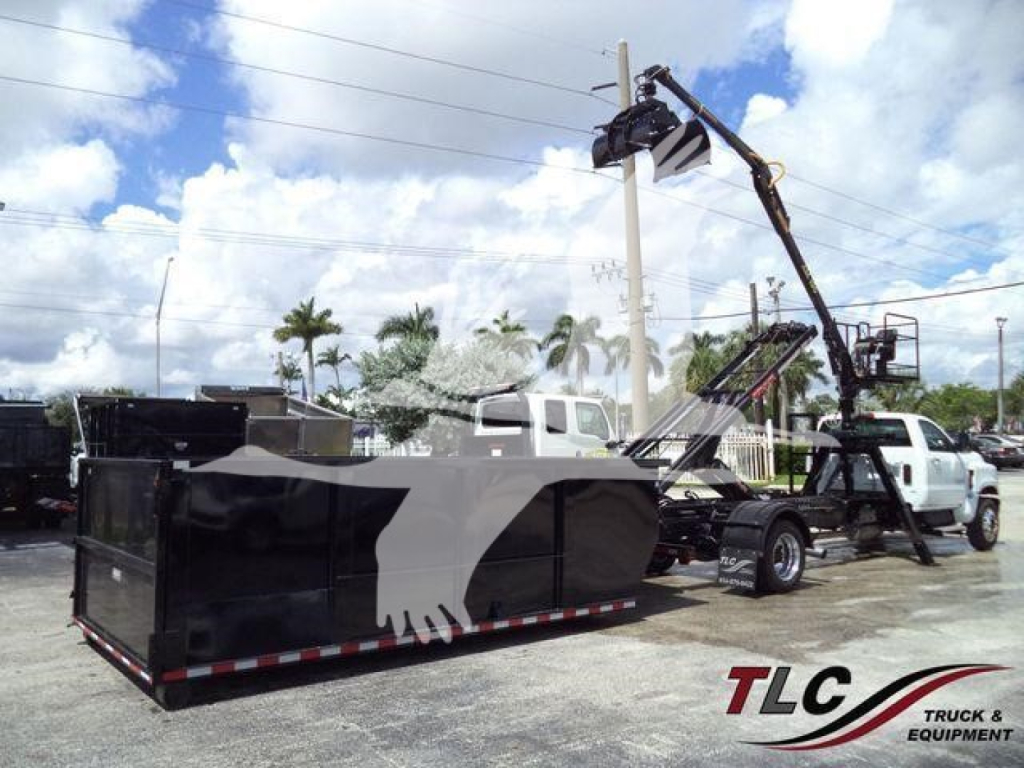
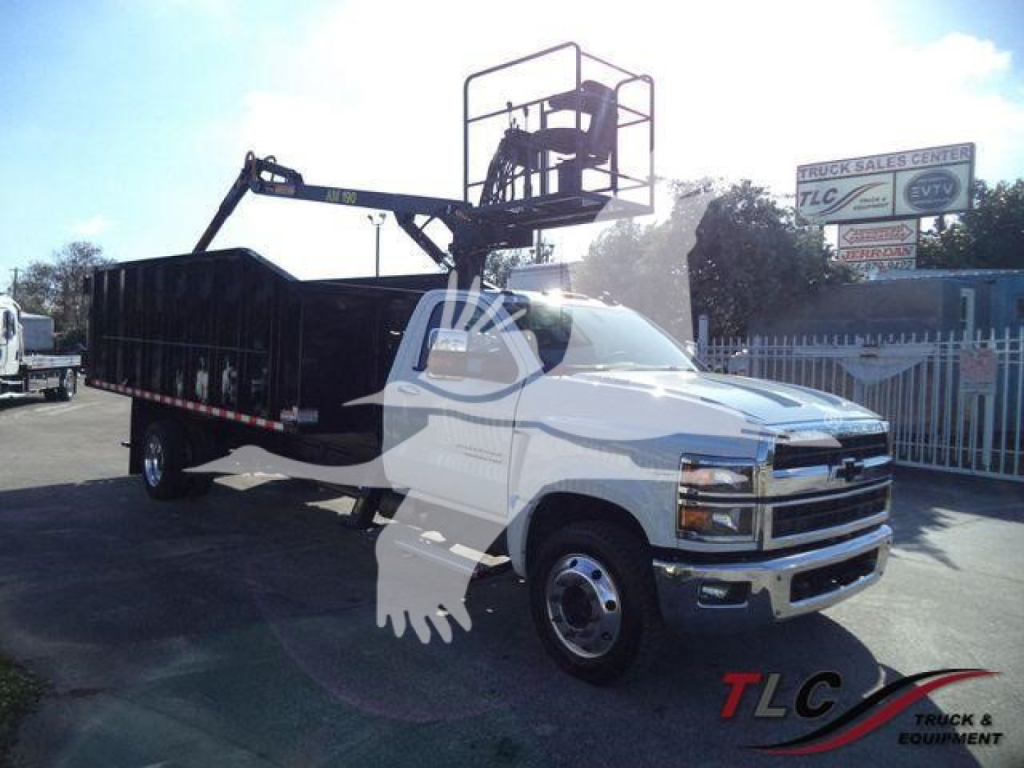
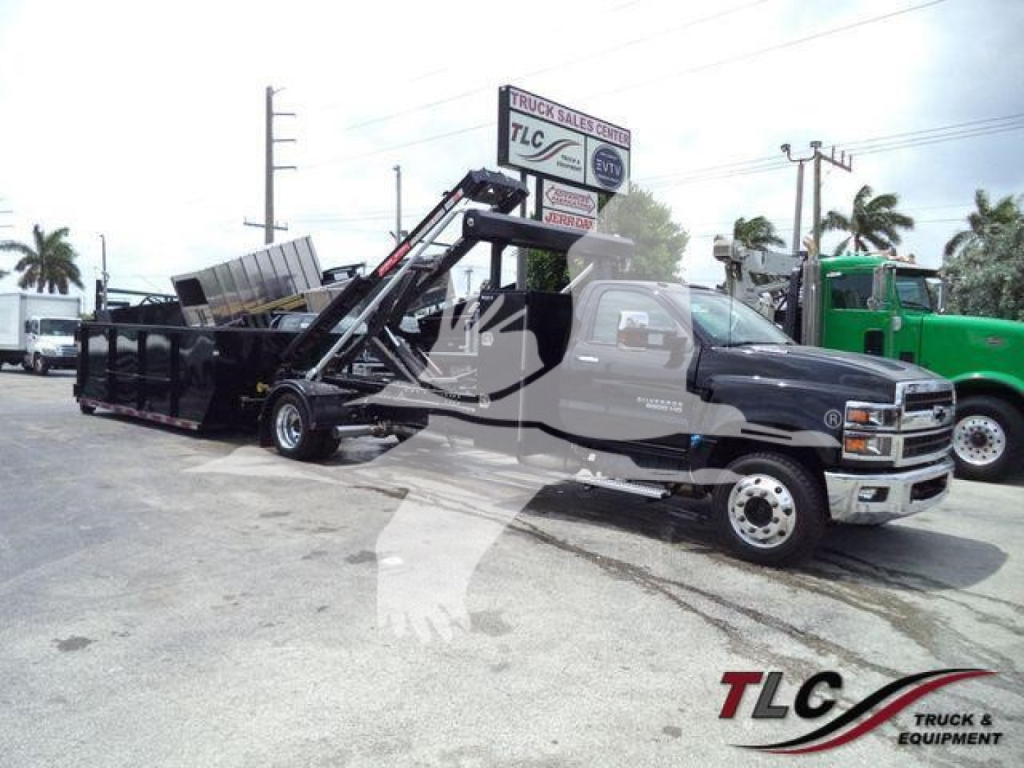
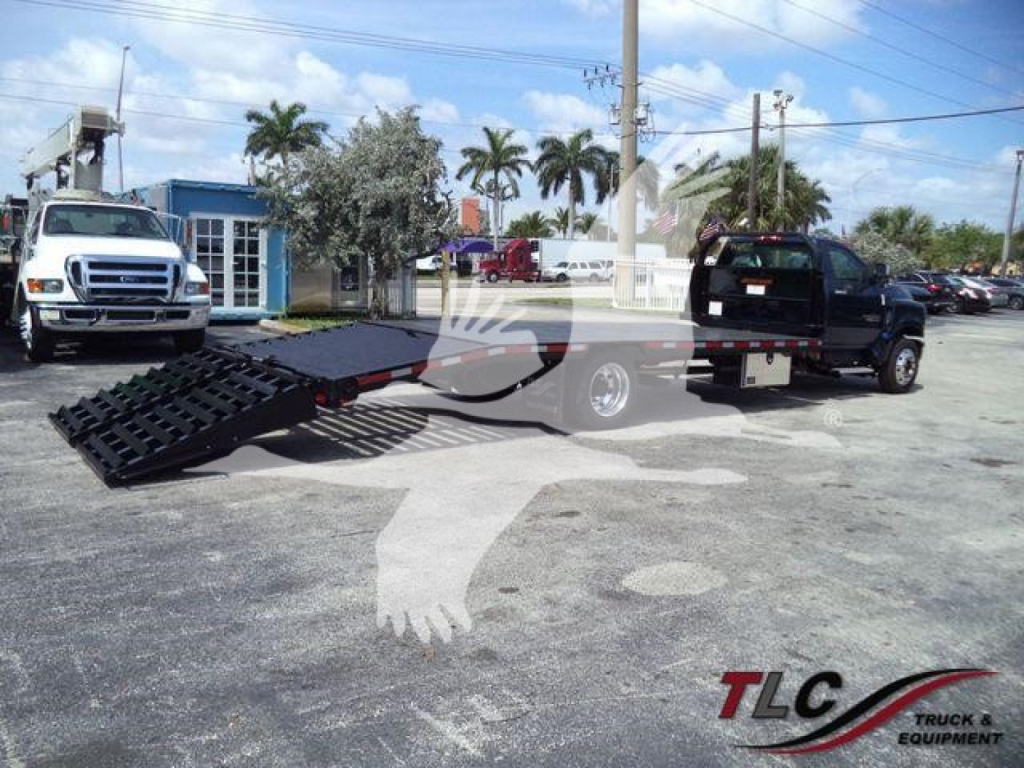
Selling a 2023 landscape truck? List your 2023 landscape truck for sale and reach thousands of commercial buyers.
2023 Landscape Trucks in Florida
The first buying decision is usually chassis class and GVWR. Many landscape trucks are built on Class 4 through Class 6 platforms such as Isuzu NPR HD, Chevrolet Silverado 6500HD, and International Durastar 4300. Lighter gas chassis can make sense for local route work, municipal-style stop-and-go operation, and crews that do not need higher payload reserves. Diesel trucks are more common when the truck will tow regularly, run heavier body and hoist packages, or spend more time on higher-speed roads across Florida. Buyers should compare GVWR, axle ratings, brake type, suspension, wheel and tire size, cab configuration, and turning radius because these details affect payload, jobsite maneuverability, and long-term operating cost.
Body construction matters as much as the powertrain. Steel landscape bodies are common when durability and lower upfront cost matter most, especially in debris and trash applications. Aluminum bodies reduce curb weight and can help with corrosion resistance in Florida's humid and coastal conditions. Pay attention to hoist type, including electric-over-hydraulic versus PTO-driven hydraulic systems, along with rear door style such as barn doors or single-swing gates. A manual or electric tarp is more than a convenience in this segment because load control, cleanup speed, and road compliance all matter on daily runs. Hitch equipment, 7-way plugs, trailer brake controllers, and ICC bumper or receiver setups are also important if the truck will pull enclosed trailers, mower trailers, or small equipment trailers.
Florida buyers should also think about heat, rain, and year-round use cycles. Air conditioning, easy cab entry, durable seat trim, backup cameras, and simple hydraulic controls all matter when a truck is making repeated stops with multiple drivers or crew members. If the truck will be used for storm debris, tree work, or mixed property maintenance, taller side walls and a strong rear door setup can save time and reduce spillage. If the operation needs flexibility, some 2023 landscape trucks are configured with removable or roll-off style bodies that let one chassis support multiple container types. The best choice comes down to payload needs, body volume, towing duty, corrosion exposure, and how quickly the truck can be loaded, dumped, and sent back out.
Frequently Asked Questions about 2023 Landscape Trucks in Florida
What is a landscape truck used for?
A landscape truck is built for hauling bulky, lightweight material and jobsite debris. Common loads include mulch, brush, leaves, grass clippings, palm fronds, storm cleanup debris, and light demolition waste. Most units in this category are landscape dump trucks with tall sides and rear doors that make loading by hand, loader, or chute easier than a conventional dump truck with lower body volume.
What should I look for when comparing 2023 landscape trucks?
Focus on GVWR, body length, side wall height, body material, hoist type, and towing equipment first. Those specs determine how much material the truck can legally carry, how efficiently it can be loaded, and whether it can also pull a mower or equipment trailer. Buyers should also compare gas versus diesel engines, air brakes versus hydraulic brakes, suspension type, cab comfort, and corrosion resistance if the truck will operate in humid or coastal Florida conditions.
Is a steel or aluminum landscape body better?
Steel bodies usually cost less upfront and hold up well in rough debris service, especially where the body will see repeated contact with branches, stumps, and mixed waste. Aluminum bodies reduce empty weight and can improve payload while offering better corrosion resistance, which is valuable in wet climates and near salt air. The better choice depends on duty cycle, expected abuse, and whether lower tare weight or maximum body toughness matters more to the operation.
How tall are the sides on a typical landscape dump truck?
Many landscape dump bodies use side walls in roughly the 48-inch to 54-inch range, though exact dimensions vary by builder and body length. Taller sides increase cubic capacity for mulch, brush, and yard waste, which is one of the main reasons buyers choose a landscape body instead of a standard contractor dump. Side height should still be matched to loading method so crews can work efficiently without making hand loading unnecessarily difficult.
Do landscape trucks usually come set up for towing?
Many do, because landscaping operations often need one truck to haul debris and tow a trailer at the same time. Common towing-related equipment includes receiver hitches, ICC bumper hitches, electric trailer brake provisions, and 7-way plugs. Buyers should confirm the hitch rating, trailer brake setup, and GCWR of the chassis, since a truck may have a hitch installed but still need to be matched carefully to the actual trailer and equipment weight.