
2023 Landscape Trucks For Sale
Browse 2023 landscape trucks with dump bodies, high sidewalls, hoists, and towing setups for mulch, debris, brush, and crew work.
Selling a 2023 landscape truck? List your 2023 landscape truck for sale and reach thousands of commercial buyers.
2023 Landscape Trucks
Chassis choice affects licensing, route flexibility, and operating cost. In the 2023 market, buyers commonly compare Class 4 and 5 cabover trucks like the Isuzu NPR HD against Class 6 conventional chassis such as the Chevrolet Silverado 6500HD or International Durastar 4300. Cabovers are easier to maneuver in neighborhoods, commercial lots, and tight loading areas, and they often work well for 14-foot landscape dumps. Larger conventionals are better suited to 16-foot to 18-foot bodies, higher GVWRs, air brake configurations, and heavier towing or grapple setups. Key specs to review include GVWR, wheelbase, front axle capacity, brake type, suspension, tire size, fuel type, and whether the truck is under or at the 26,000-pound threshold.
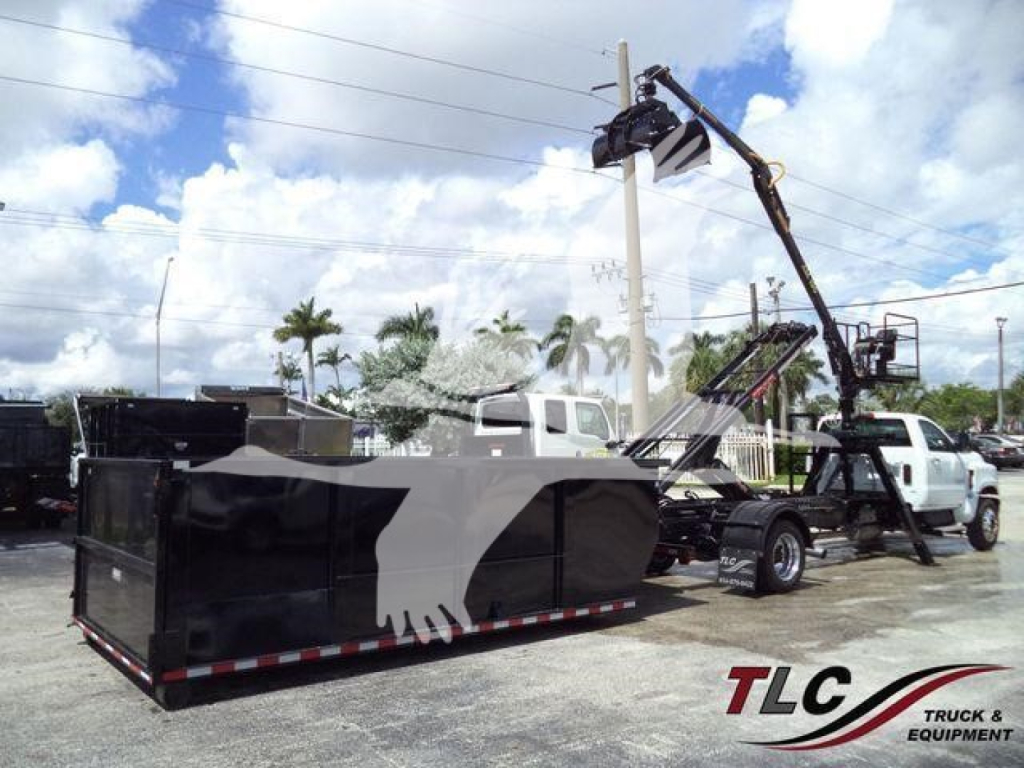
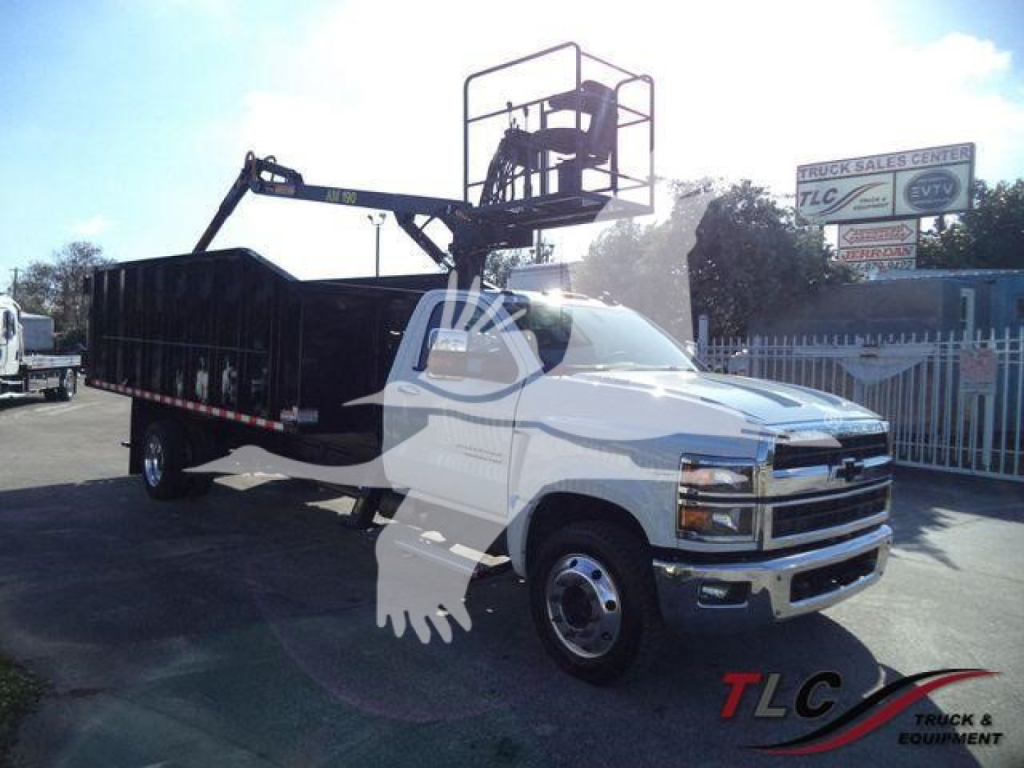
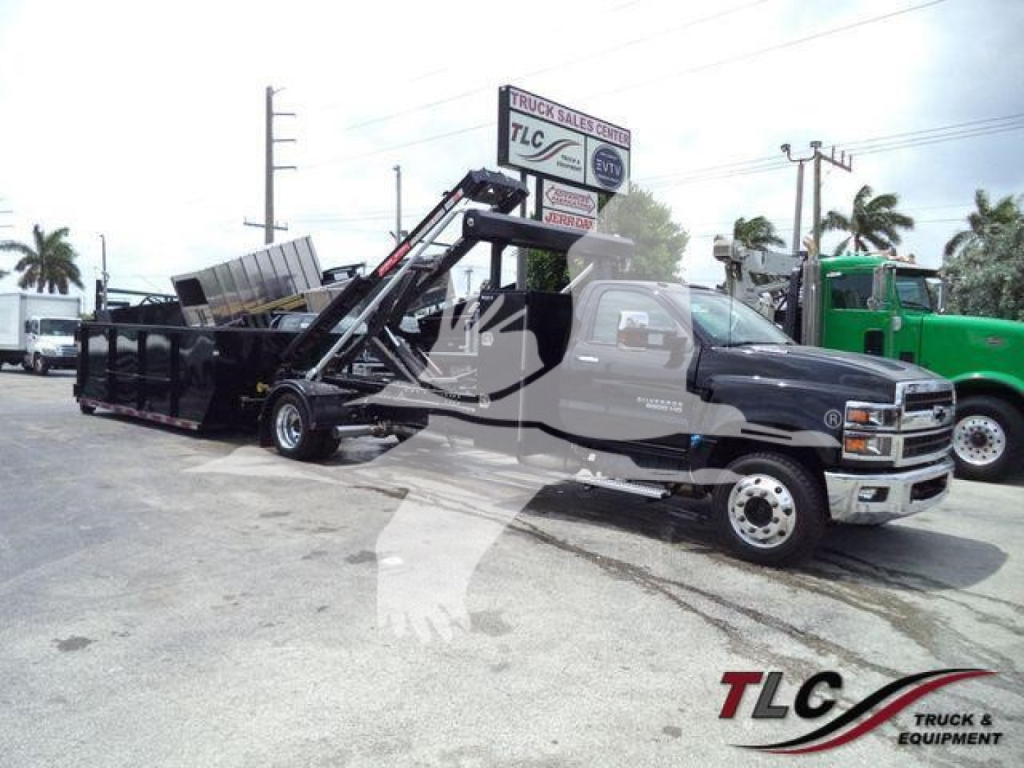
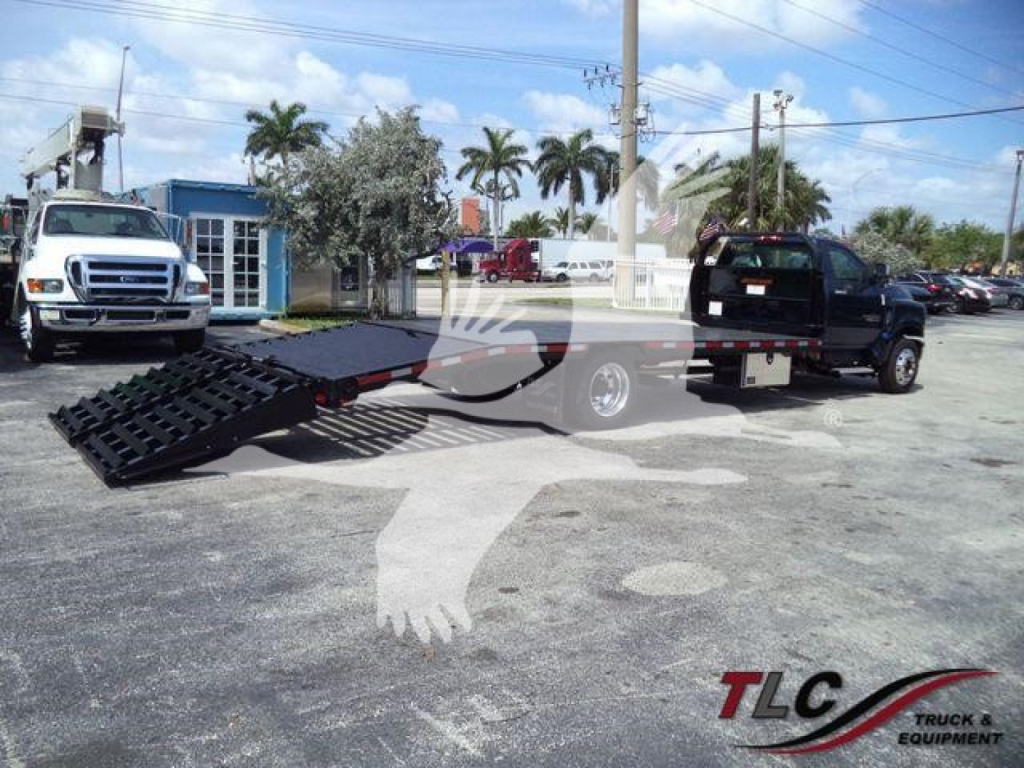
The body and hoist package determines how useful the truck will be day to day. Many landscape trucks use electric-over-hydraulic or PTO-driven hoists, with scissor lifts common on lighter trucks and heavier hoist systems used on larger dump bodies. Barn doors, single swing rear doors, and side access doors each change how crews unload and handle hand tools or wheeled equipment. A pull tarp or manual crank tarp is standard on many units, but buyers should also check rear hitch capacity, electric brake wiring, 7-way plug setup, and any trailer package if the truck will tow mowers, skid steers, or mini excavators. Grapple-equipped landscape trucks add another layer of utility for tree service, storm cleanup, and municipal vegetation work, but they also add weight and shift the payload equation.
For a buyer comparing 2023 landscape trucks for sale, the smartest approach is to match body material, side height, and hoist design to the actual material stream. Aluminum landscape dumps usually make sense for mulch, yard waste, and route work where every pound of payload counts. Steel bodies and grapple bodies fit tougher debris, branch loading, and mixed cleanup jobs. Pay close attention to rear door style, floor construction, hitch setup, and how the body is mounted on the chassis. Those details affect loading speed, cleanup time, maintenance cost, and how well the truck fits a landscaping, tree care, nursery, or municipal fleet.
Frequently Asked Questions about 2023 Landscape Trucks
What is a landscape truck used for?
A landscape truck is a vocational dump truck designed to haul bulky, lower-density materials such as mulch, brush, leaves, yard waste, nursery stock, and light cleanup debris. Many are also set up to tow equipment trailers carrying mowers, compact loaders, or small excavation equipment. Compared with a standard dump truck, a landscape truck usually has taller sides and a body layout intended to maximize cubic volume rather than carry heavy aggregate all day.
What is the difference between an aluminum and steel landscape body?
An aluminum landscape body is lighter and more corrosion-resistant, which helps maximize legal payload and reduce rust-related maintenance in wet or fertilizer-exposed environments. A steel body is heavier but typically better suited for tougher use, more abrasive debris, and applications that may involve grapple loading or mixed material handling. The right choice depends on whether the truck spends most of its time hauling organic material or handling more punishing work.
Do I need a CDL for a 2023 landscape truck?
CDL requirements depend on the truck’s GVWR, GCWR, brake system, trailer weight, and state and federal regulations. Many landscape trucks are spec'd at or below 26,000 pounds GVWR to avoid CDL requirements in certain operations, but towing a heavy trailer or moving into a higher combined rating can change that. Buyers should verify the chassis rating, trailer setup, and intended operating jurisdiction before deciding which truck class fits the business.
What should I look for in the dump body and hoist?
The most important body details are length, side height, floor material, rear door configuration, tarp system, and hitch or trailer wiring setup. For the hoist, buyers should confirm whether the truck uses electric-over-hydraulic or PTO power and whether the lift design matches the expected payload and unloading cycle. A truck hauling leaves and mulch has different needs than one handling storm debris, stump cleanups, or repeated trailer towing.
Are grapple landscape trucks a good fit for tree service work?
A grapple-equipped landscape truck can be a strong fit for tree service, storm cleanup, and municipal vegetation work because it allows one truck to load and haul brush, limbs, and logs without relying on separate loading equipment. The tradeoff is added body weight, more hydraulic complexity, and reduced net payload compared with a simpler landscape dump. Buyers should compare boom reach, lift capacity at different radiuses, turret controls, and chassis axle ratings before choosing a grapple package.