
2023 Flatbed Trucks For Sale in Florida
Have 2023 flatbed truck to sell? List it here to reach thousands of buyers.
2023 Flatbed Trucks in Florida
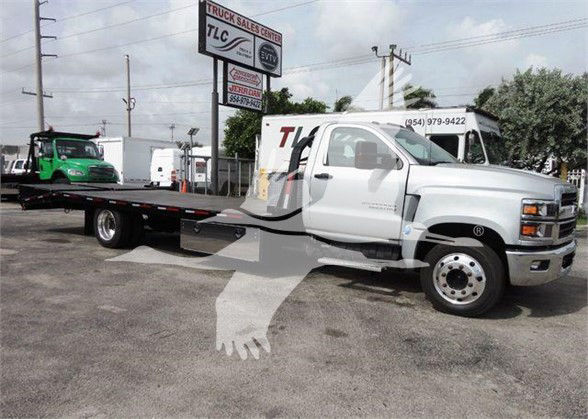
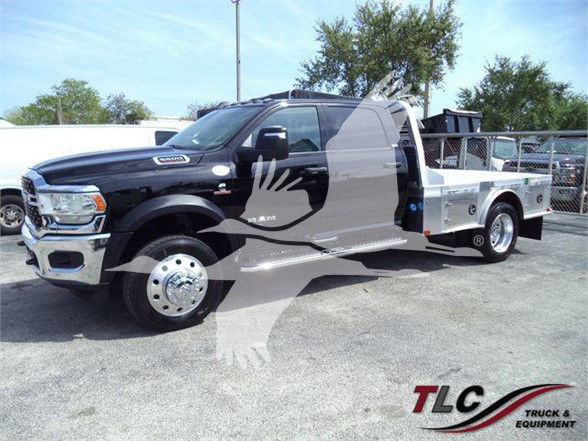
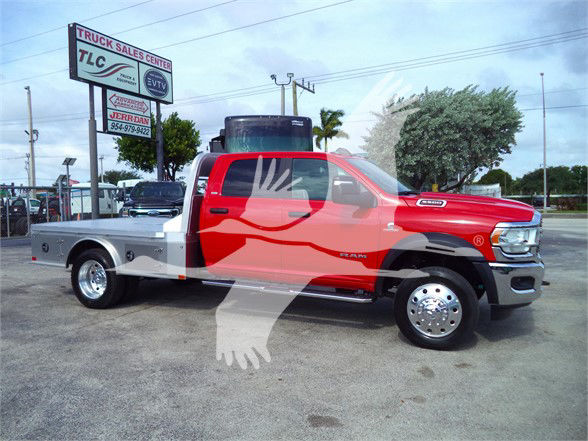
Body setup drives the truck’s usefulness. Common 2023 flatbed configurations include aluminum and steel decks, stake pockets, rub rails, headache racks, underbody tool boxes, ICC bumpers, and gooseneck or receiver hitch packages. Bed lengths often range from roughly 9 feet on pickup-based hauler beds to 16 feet or more on medium-duty straight trucks, with longer specialty decks and beavertail layouts used for equipment loading. Buyers comparing a 2023 flatbed truck for sale should look closely at deck width, cab-to-axle dimension, frame width, crossmember construction, and how the body is integrated with trailer wiring, rear lighting, and tie-down points. A hotshot-oriented setup may prioritize a gooseneck ball, tapered rear corners, and storage, while a delivery-focused truck may need a simpler flat platform with easier side loading.
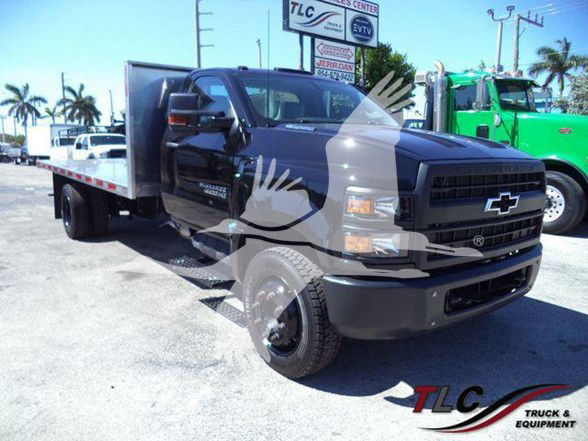
Powertrain choice usually comes down to gas versus diesel, plus transmission and brake system. On 2023 models, diesel engines remain the standard for higher GCWR, steady towing, and heavy vocational use, especially in Ram 5500, Silverado 6500HD, and similar chassis. Gas engines can still make sense in lighter-duty flatbed work with shorter routes and lower acquisition cost. Medium-duty buyers should also confirm suspension type, wheel and tire size, and whether the truck uses hydraulic or air brakes, since that affects service expectations and licensing requirements. In Florida, corrosion is generally less aggressive than in northern salt markets, but coastal use still makes aluminum beds, coated hardware, and careful frame inspection worthwhile.
The best 2023 flatbed trucks balance deck space, payload, and maneuverability. A smaller hauler bed on a 4x4 chassis may be ideal for contractors pulling trailers into job sites, while a 16-foot or longer deck on a 6500-class truck can carry palletized material, jobsite equipment, or fabricated products more efficiently. Buyers should verify payload after upfit, hitch ratings, axle spacing, and any body manufacturer details such as rated gooseneck capacity, floor material, and toolbox construction. If the truck will handle forklifts, dense materials, or equipment with point loads, deck strength and frame support matter just as much as engine choice.
Frequently Asked Questions about 2023 Flatbed Trucks in Florida
What should I look for first when buying a 2023 flatbed truck?
Start with the truck’s intended payload and towing job, then match that to GVWR, axle ratings, bed length, and hitch capacity. Many buyers focus on engine and cab options first, but the body configuration usually determines whether the truck actually fits the work. Cab-to-axle measurement, deck material, tie-down points, and trailer connections should all be confirmed before comparing comfort or trim features.
Is an aluminum or steel flatbed better on a 2023 truck?
Aluminum flatbeds reduce body weight, help preserve payload, and resist corrosion well, which is a real advantage in humid and coastal Florida conditions. Steel beds are often preferred when buyers expect severe-duty use, frequent equipment loading, or higher abuse from concentrated loads. The right choice depends on how the truck will be loaded, how important weight savings are, and how the owner plans to maintain the body over time.
Are 2023 flatbed trucks good for hotshot and gooseneck hauling?
Yes, many 2023 flatbed trucks are upfitted specifically for hotshot work with gooseneck hitches, integrated wiring, headache racks, toolbox storage, and dual rear wheel chassis. The key is checking rated towing capacity, rear axle rating, suspension setup, and actual payload after the flatbed is installed. A truck built for local material delivery may look similar to a hotshot setup but still have very different hitch, frame, and cooling specifications.
What bed length is most common on a 2023 flatbed truck?
Common lengths vary by chassis class. Pickup-based cab-and-chassis flatbeds are often fitted with beds around 9 to 11 feet, while medium-duty flatbed trucks commonly use 12 to 16 foot bodies. Longer decks and beavertail bodies appear when the truck is meant to carry equipment, but turning radius, wheelbase, and overall maneuverability should be considered along with deck length.
Do I need to pay attention to brake type on a 2023 flatbed truck?
Yes. Brake type affects maintenance, driver requirements, and how the truck fits into a fleet. Lighter flatbed trucks often use hydraulic brakes, while heavier medium-duty models may use air brakes for improved stopping performance under load. Buyers should confirm brake type along with GVWR and intended operating weight, especially if the truck will tow regularly or work in commercial applications that may trigger licensing or compliance requirements.