
2023 Flatbed Trucks For Sale
Shop 2023 flatbed trucks with common bed lengths, GVWR classes, engine options, and upfit features for delivery, construction, and utility work.
Selling a 2023 flatbed truck? List your 2023 flatbed truck for sale and reach thousands of commercial buyers.
2023 Flatbed Trucks
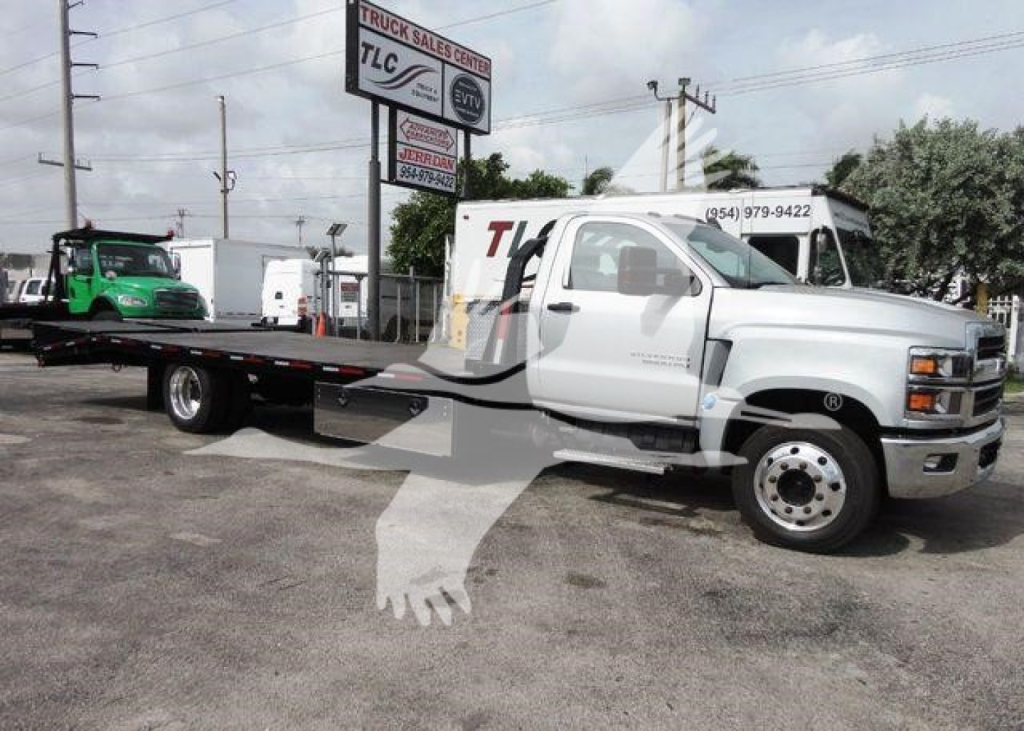
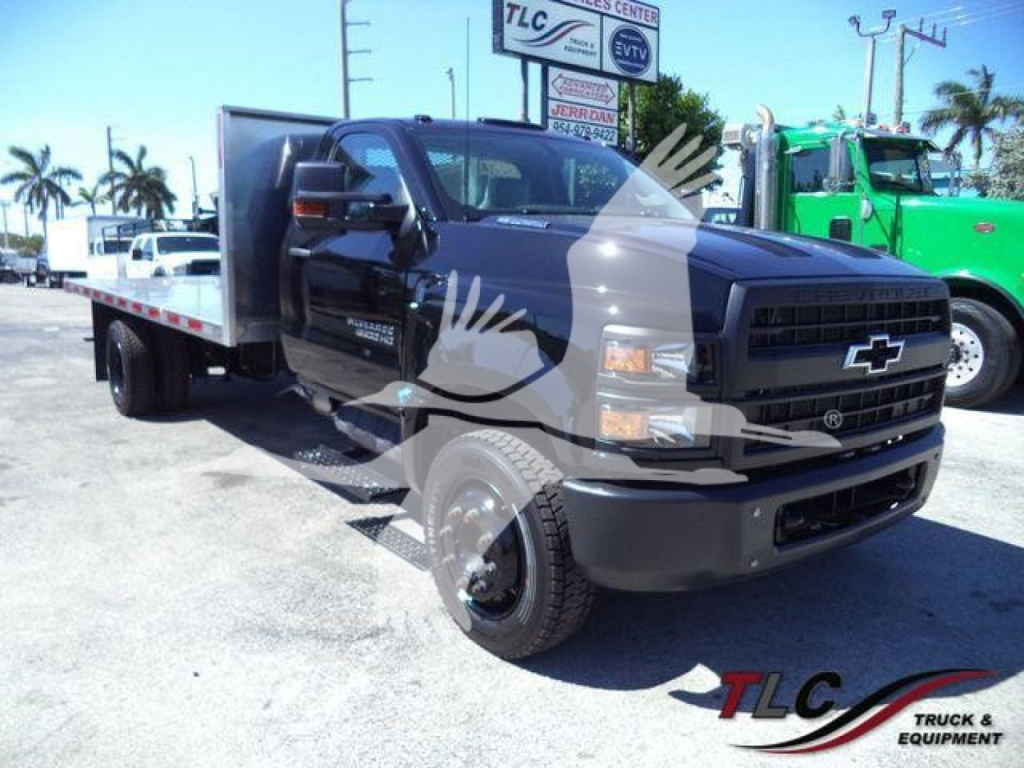
Bed configuration matters as much as the truck underneath it. A typical 2023 flatbed may carry a steel or aluminum platform from about 12 to 26 feet, depending on chassis class and intended use. Aluminum beds save weight and resist corrosion, while steel beds remain common in severe-duty applications where impact resistance and repairability are priorities. Practical body details include stake pockets, rub rails, winch tracks, D-rings, headache racks, underbody tool boxes, and rear hitches or pintle setups. Some flatbed trucks are set up for forklift or truck-mounted forklift work, while others are built with dovetails, fold-down sides, scuff protection, or crane reinforcement. For buyers hauling palletized freight, lumber, pipe, or jobsite materials, deck height and tie-down access often matter more day to day than headline horsepower.
Powertrain choices on 2023 flatbed trucks typically center on diesel or gas engines paired with automatic transmissions, though manual transmissions still appear in some vocational specs. Diesel remains the standard for higher mileage routes, heavier payloads, and towing, while gas engines can make sense for local service with lower acquisition and maintenance costs. Key chassis features to compare include axle ratio, suspension type, wheel and tire size, PTO provision, and fuel tank capacity. On larger medium-duty and tandem trucks, air ride suspension, locking differentials, and air brake systems can improve load stability and operating confidence. If the truck will regularly handle dense freight, buyers should verify front axle capacity as well as rear axle rating, especially when toolboxes, liftgates, cranes, or Moffett mounting kits add weight behind the cab or at the tail.
A well-matched 2023 flatbed truck is less about the newest badge and more about body spec, payload margin, and how the truck fits the route. Urban delivery fleets may favor shorter wheelbases, automatic transmissions, and lower deck heights for easier loading and tighter turning. Building supply, steel, and equipment users often need longer decks, higher GVWR, stronger tie-down systems, and better bridge-law awareness. Buyers should also account for CDL requirements, body manufacturer quality, corrosion protection, and service access to the engine and emissions system. When the application is clear, a 2023 flatbed truck can serve as a highly flexible platform for hauling, towing, and vocational upfitting across a wide range of industries.
Frequently Asked Questions about 2023 Flatbed Trucks
What should I check first when comparing 2023 flatbed trucks?
Start with GVWR, payload target, wheelbase, and cab-to-axle measurement. Those four items determine whether the truck can legally and practically carry the body and load you need. After that, compare bed length, bed material, axle ratings, and suspension. A truck with the wrong frame dimensions or axle capacity can limit body options and reduce usable payload even if the engine and cab look right.
Are aluminum flatbed trucks better than steel flatbed trucks?
Aluminum flatbeds usually offer lower tare weight and better corrosion resistance, which helps maximize payload and reduce long-term rust concerns. Steel flatbeds are often preferred in harsher vocational work because they handle point loading, abuse, and repairs well. The better choice depends on what the truck will haul, the climate it will run in, and whether payload or durability is the higher priority.
What bed length is common on a 2023 flatbed truck?
Common bed lengths range from about 12 to 26 feet, with the most frequent sizes depending on chassis class and application. Shorter decks are typical for city delivery, landscaping, and service work. Longer decks are more common in building materials, pipe, steel, and equipment hauling. The correct length should be chosen along with axle placement, turning radius, and load distribution, not as a standalone spec.
Do I need a diesel engine in a 2023 flatbed truck?
Not always. Diesel is usually the stronger fit for higher annual mileage, heavier payloads, towing, and sustained highway use because it delivers better torque and often better fuel economy under load. Gas engines can be a practical choice for local routes, lighter payloads, and fleets looking for simpler maintenance and lower upfront cost. The best engine depends on route profile, idle time, average payload, and service support in your area.
Can a 2023 flatbed truck be used for more than basic material hauling?
Yes. A flatbed truck is one of the most adaptable vocational platforms in the market. Depending on the upfit, it can support equipment delivery, landscaping, municipal service, construction supply, forklift-assisted unloading, crane service, or towing support. Features such as stake sides, dovetails, ramps, PTO capability, pintle hitches, and mounted tool storage can turn a standard flatbed into a specialized work truck for a specific industry.