
2020 Trucks For Sale in New York
Browse 2020 trucks for sale in New York, including day cabs, sleepers, cab and chassis, yard trucks, and vocational configurations.
Learn more
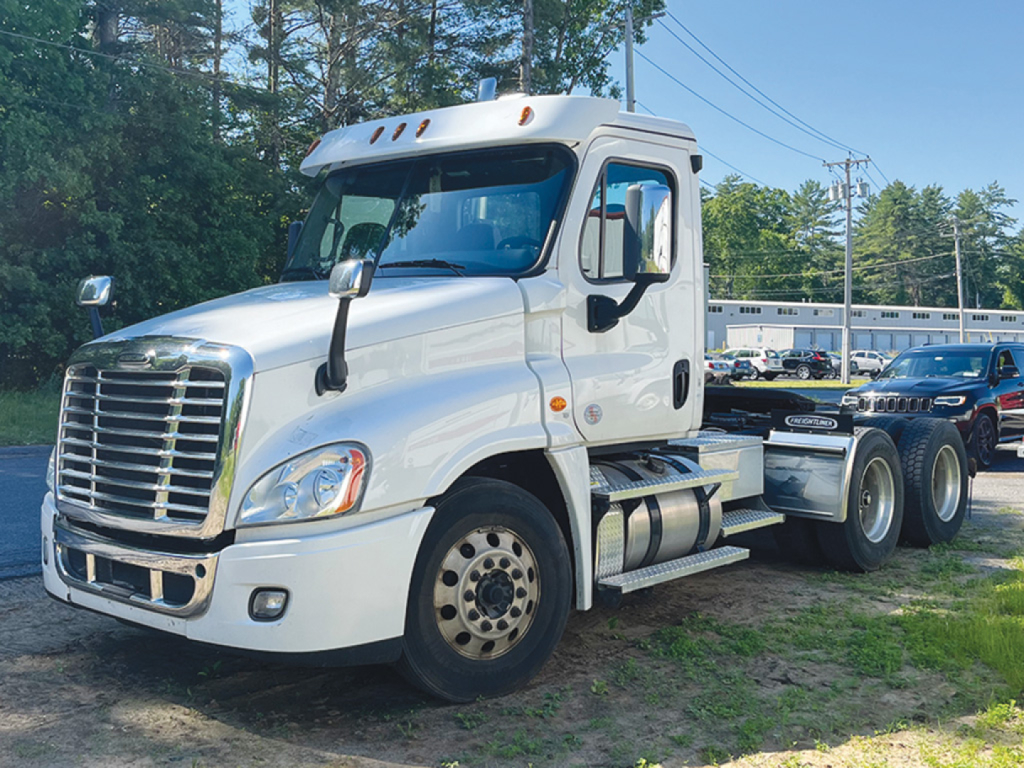
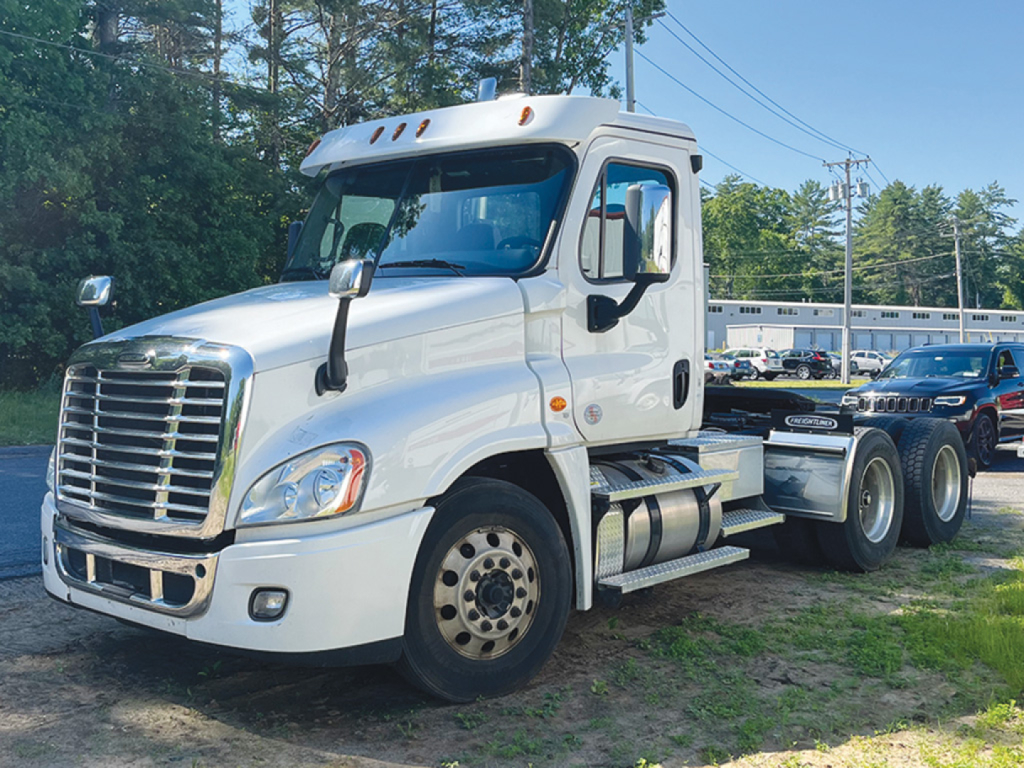
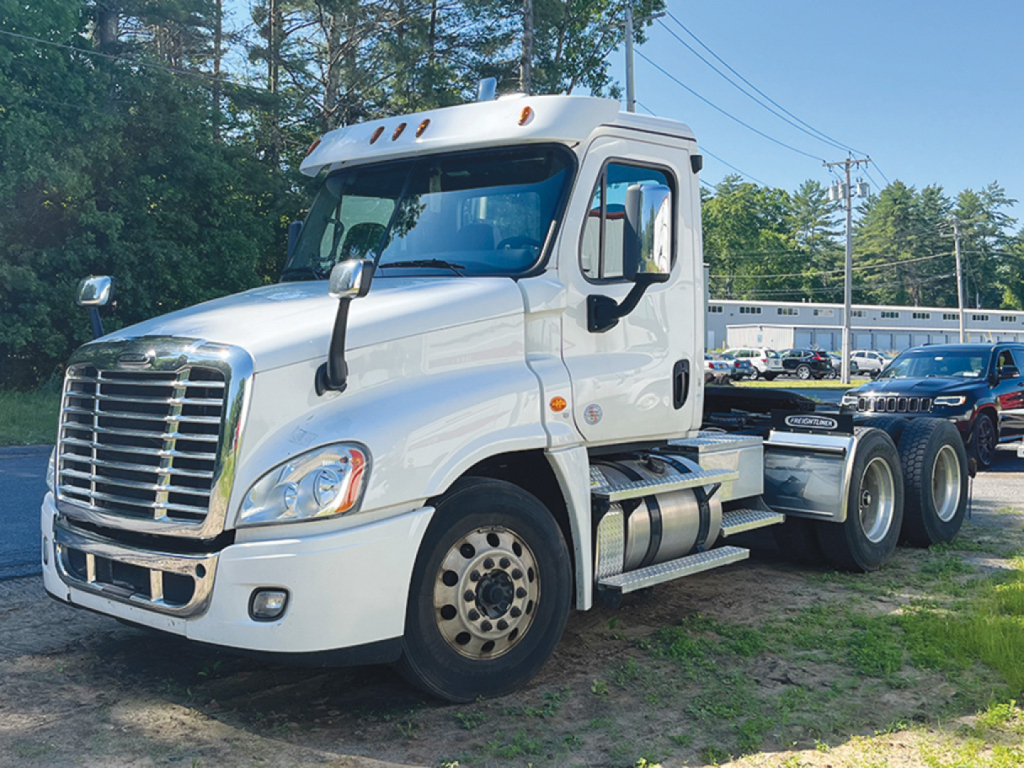
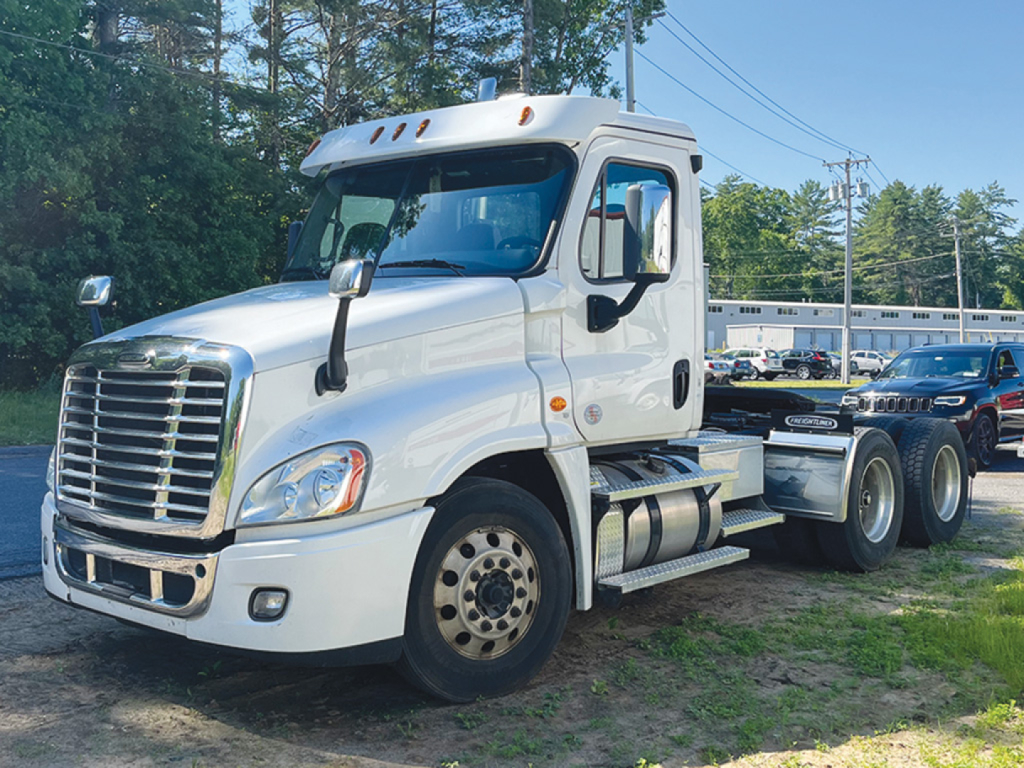
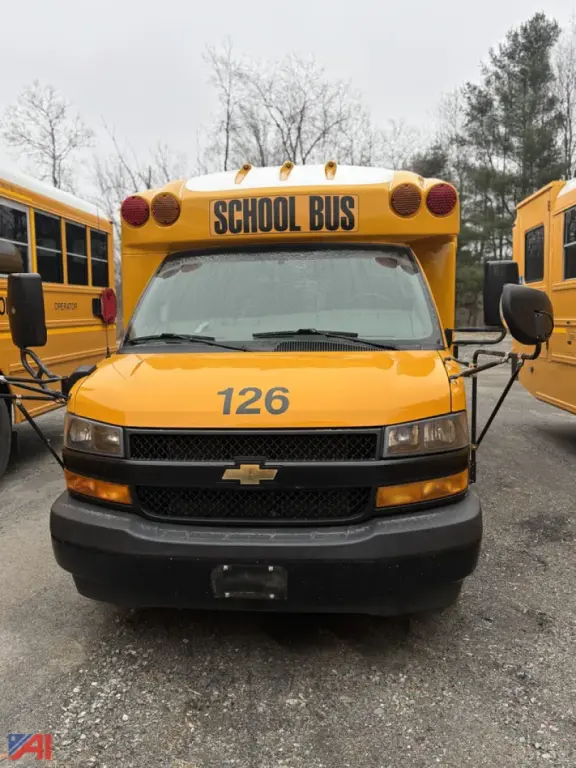
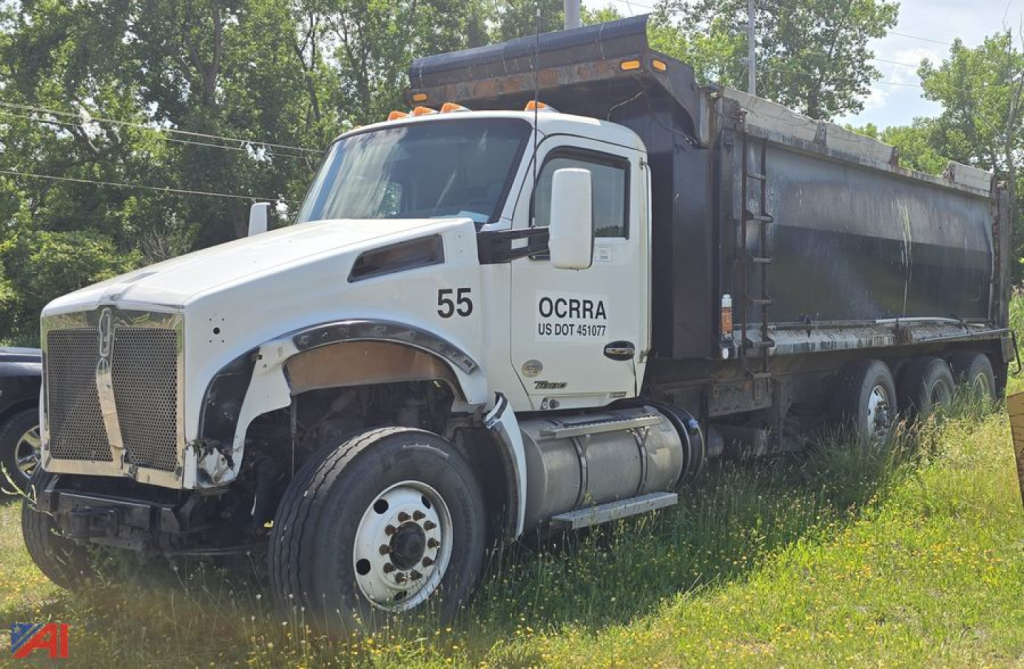
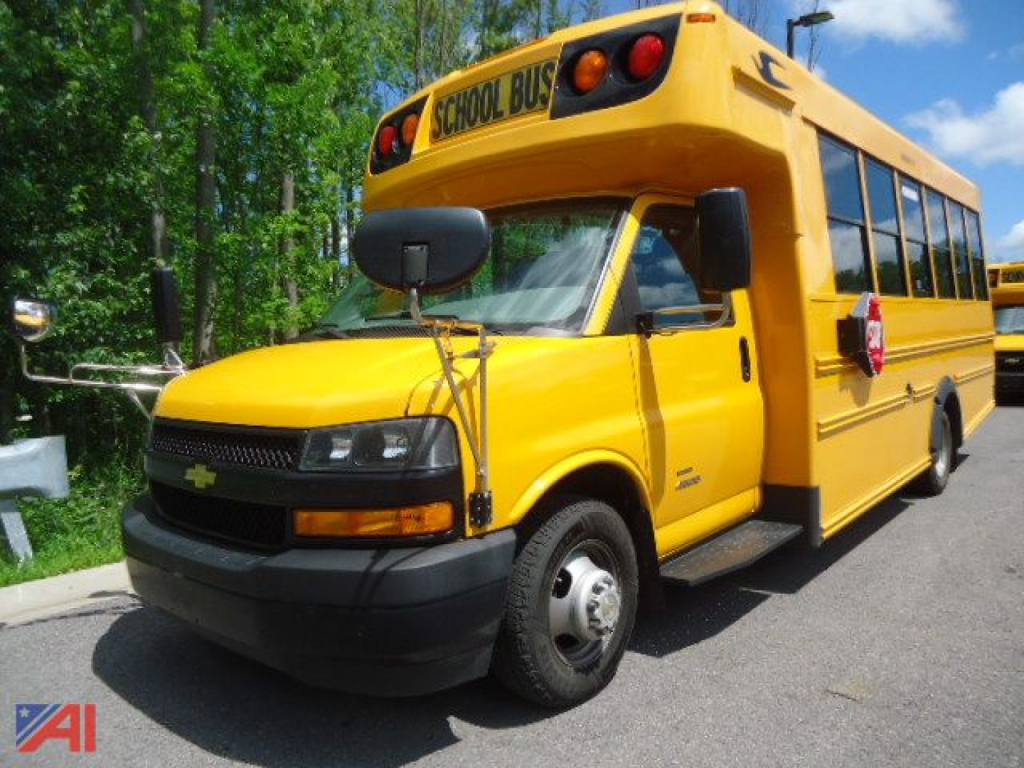
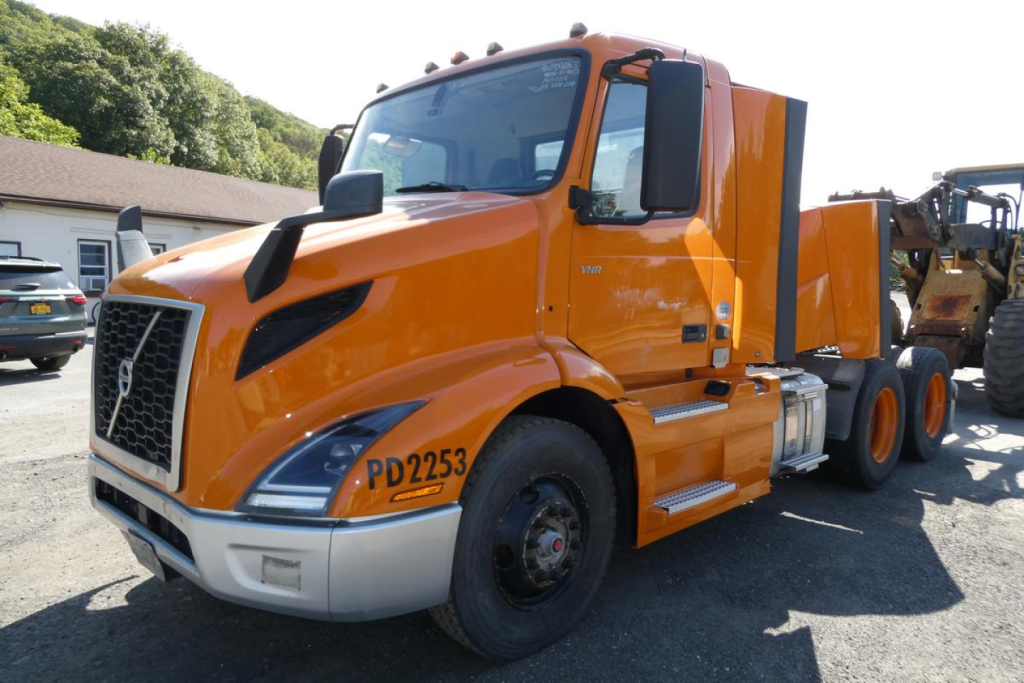
Showing 25 to 34 of 34 results
Have 2020 truck to sell? List it here to reach thousands of buyers.
About 2020 Trucks in New York
The first split is application. A 2020 conventional day cab is a common choice for local haul, terminal work, and short regional lanes, with wheelbases, axle ratings, and fifth wheel setups varying widely by assignment. A 2020 sleeper truck is more relevant for over-the-road freight, longer regional runs, or teams, where sleeper size, fuel capacity, gearing, and transmission choice affect both comfort and operating cost. Buyers looking at 2020 cab and chassis trucks need to focus on cab-to-axle, frame rail condition, PTO readiness, and body upfit compatibility. Yard spotters and terminal tractors from this era bring a different value equation centered on hydraulic fifth wheel function, hour usage, and site-specific maneuverability rather than highway specs.
Specs matter more than model year alone. For highway tractors, common checkpoints include engine family, horsepower, torque rating, automated versus manual transmission, rear axle ratio, suspension type, and axle configuration such as 4x2 or 6x4. In New York service, corrosion exposure is a real issue, so frame condition, crossmembers, air tanks, brake lines, and electrical connections deserve close inspection. On emissions-equipped 2020 trucks, buyers should pay attention to fault history, regen behavior, DEF system performance, and documented repairs to the DPF, SCR, EGR, or sensors. If the truck will spend time in city traffic or on tight job sites, turning radius, wheelbase, visibility, and front axle capacity can be just as important as engine rating.
A strong 2020 truck should match its vocation cleanly. Regional freight buyers often prefer efficient drivetrains, aerodynamic packages, and lower rear ratios for fuel economy. Heavy vocational users may prioritize double frame construction, higher rear axle ratings, severe-duty suspensions, PTO provisions, and durable automatic transmissions. For any 2020 used truck, the most valuable details are maintenance records, engine hours versus miles, idle history, brake and tire condition, and signs of prior body or frame modification. A well-spec'd 2020 truck can still be a productive asset, but the right purchase comes from matching the truck's configuration, emissions health, and chassis layout to the work it is expected to do.
Frequently Asked Questions
What should I check first when buying a 2020 used truck?
Start with the truck’s intended application, then verify that the major specs support that job. Engine family, transmission type, axle configuration, wheelbase, rear axle ratio, suspension, and frame layout should all align with the work. After that, review maintenance records, engine hours, fault codes, aftertreatment history, brake and tire wear, and corrosion on the frame and undercarriage. On a 2020 truck, emissions system condition is especially important because repairs to DPF, SCR, DEF, and EGR components can change the real operating cost quickly.
Is a 2020 truck a good model year for fleet or owner-operator use?
For many buyers, yes. A 2020 truck is generally modern enough to offer better cab comfort, electronic controls, fuel-efficiency improvements, and late-generation automated transmission options. It can also be old enough to avoid the steepest depreciation seen on newer units. The key is not the year alone but how the truck was spec'd, maintained, and used. A well-maintained 2020 day cab or sleeper can still fit local, regional, or over-the-road service very well.
Are 2020 trucks in New York more likely to have corrosion issues?
They can be, especially if they have spent several winters on treated roads. Buyers should inspect frame rails, crossmembers, suspension mounts, battery boxes, air tanks, brake chambers, wiring, and cab mounts for scale, pitting, or repair work. Surface rust is common, but deeper corrosion around structural points or air and electrical components deserves closer evaluation. New York buyers should also consider where the truck operated, because urban stop-and-go work and winter exposure often create different wear patterns than long-haul service.
What is the difference between a 2020 day cab, sleeper, cab and chassis, and yard truck?
A 2020 day cab is built for local or regional tractor work and typically has no sleeper compartment. A 2020 sleeper truck is designed for longer trips and includes a bunk area, with specs often geared toward highway efficiency and driver comfort. A 2020 cab and chassis is an incomplete truck intended for upfitting with a dump body, box, rollback, service body, or other vocational equipment. A 2020 yard truck, also called a terminal tractor or spotter, is built for moving trailers in confined yards and distribution facilities rather than regular highway use.
Why do engine hours matter on a 2020 truck if the mileage looks reasonable?
Engine hours help reveal the truck’s true duty cycle. A 2020 truck with moderate miles but very high hours may have spent a large amount of time idling, creeping in traffic, or operating PTO-driven equipment. That can affect engine wear, aftertreatment performance, and maintenance needs even when odometer mileage looks attractive. Comparing hours to miles gives a clearer picture of utilization and is especially useful on local trucks, vocational units, and yard applications.