
2020 Conventional Sleeper Trucks For Sale in New York
Shop 2020 conventional sleeper trucks in New York. Compare aero cabs, sleeper sizes, powertrains, wheelbases, and long-haul specs.
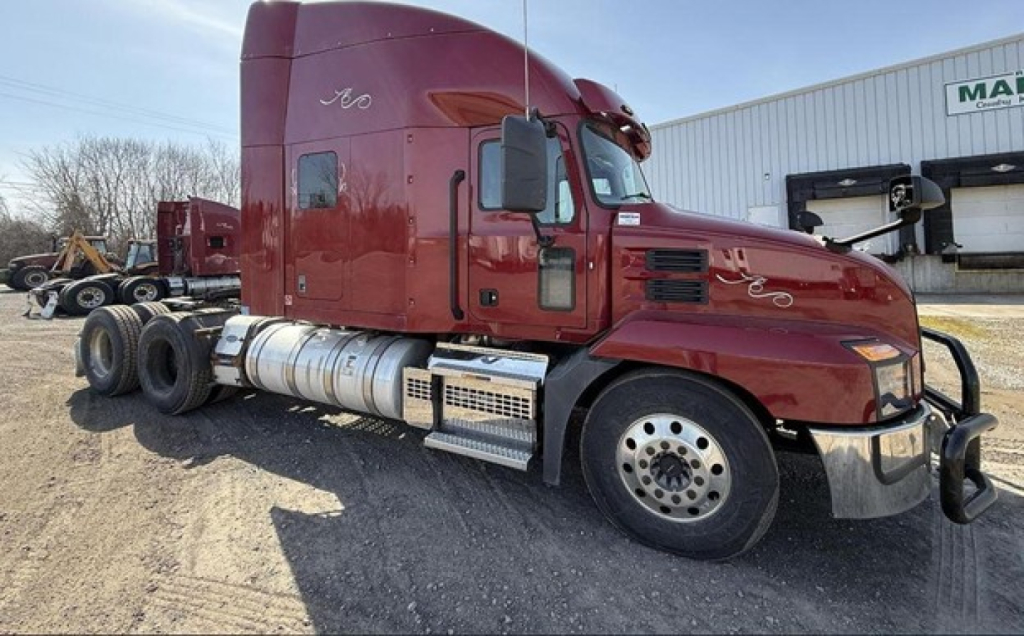
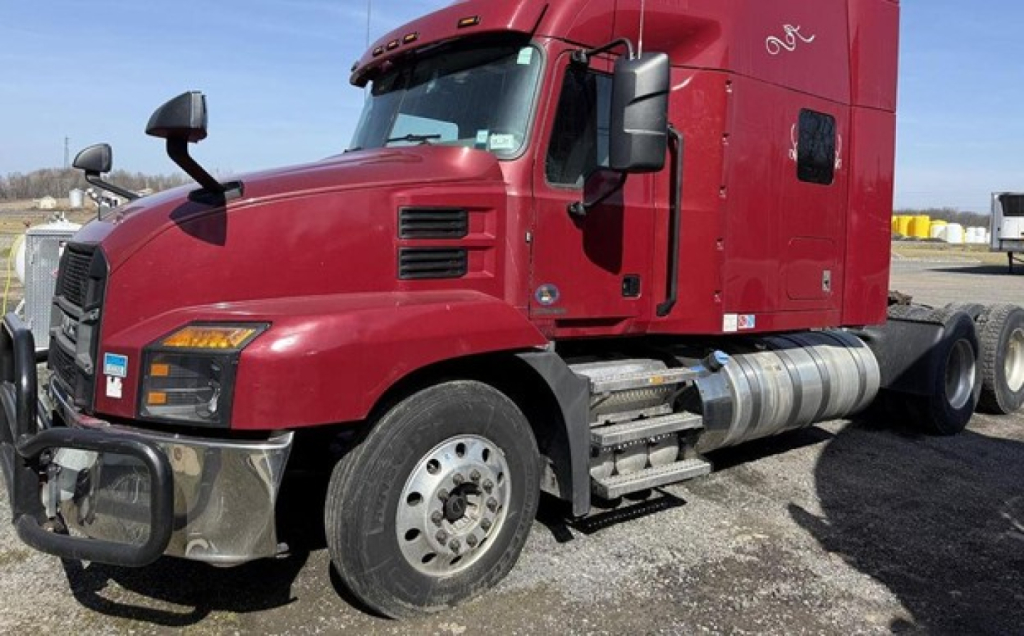

Have 2020 conventional sleeper truck to sell? List it here to reach thousands of buyers.
2020 Conventional Sleeper Trucks in New York
The main buying decision usually starts with the powertrain. In 2020 conventional sleepers, typical engines include the Detroit DD15, PACCAR MX-13, Cummins X15, Volvo D13, and Mack MP8, generally rated from about 400 to 505 horsepower. Transmissions are often automated manuals, including DT12, PACCAR automated, I-Shift, and Endurant, although some fleets still ordered 10-speed or 13-speed manuals. Rear axle ratios in the 2.47 to 3.08 range are common for fuel-focused linehaul service, while 3.25 to 3.55 ratios may show up in heavier or more versatile specs. A buyer should match horsepower, transmission calibration, and axle ratio to route profile, gross combination weight, and average cruise speed. A truck built for flat Midwest interstate miles will feel very different from one that spends time in the Northeast, on shorter runs, steeper grades, and tighter terminals.
Sleeper size and chassis layout matter as much as the engine. Many 2020 conventional sleepers in New York are configured with 72-inch to 80-inch high-roof sleepers, though mid-roof and shorter regional sleepers are also available. Wheelbases often land in the 220-inch to 240-inch range, depending on sleeper length, fairing package, and fuel capacity. Dual aluminum tanks, air ride suspension, air slide 5th wheels, disc or drum wheel ends, and low-rolling-resistance tires are all common. Buyers running the Northeast should pay close attention to turning radius, bridge law considerations, and how the wheelbase affects maneuverability in urban docks and older distribution yards. Interior spec can also matter more than it seems on a sleeper tractor, especially for retention and uptime. Factory APUs, bunk heaters, inverters, refrigerators, collision mitigation, and adaptive cruise are common value points on 2020-era trucks.
Condition still decides the real value. On a 2020 conventional sleeper, service records, aftertreatment history, idle hours, and software campaign status are just as important as odometer miles. Buyers should review DPF and SCR maintenance, look for injector or turbo history, confirm transmission calibration updates, and inspect suspension wear, fifth wheel movement, and tire pattern consistency. If the truck has a highway economy spec, make sure that spec fits the freight before assuming lower RPM always means lower cost. The best 2020 sleeper truck is not just the newest or cleanest one. It is the tractor whose sleeper layout, powertrain, axle ratio, and maintenance history match the lane, trailer, and driver requirements of the operation.
Frequently Asked Questions about 2020 Conventional Sleeper Trucks in New York
What is a 2020 conventional sleeper truck best used for?
A 2020 conventional sleeper truck is primarily built for regional and long-haul tractor work where the driver needs onboard living space for overnight or multi-day runs. These tractors are commonly used with dry vans, reefers, and general freight trailers, but they can also be spec'd for flatbed, tanker, or dedicated contract freight depending on wheelbase, axle ratio, and fifth wheel setup. The integrated sleeper makes them a practical choice for carriers that need both highway efficiency and driver comfort.
What engines and transmissions are common in 2020 conventional sleepers?
Most 2020 conventional sleeper tractors were equipped with 13-liter to 15-liter diesel engines such as the Detroit DD15, PACCAR MX-13, Cummins X15, and Volvo D13. Horsepower ratings commonly fall between 400 and 505 HP. Automated manual transmissions are very common in this model year because fleets prioritized fuel economy, driver recruitment, and reduced clutch wear, though some manual 10-speed and 13-speed units are still found. The right combination depends on terrain, payload, and average road speed.
What sleeper size should a buyer look for in a 2020 highway tractor?
A 72-inch to 80-inch high-roof sleeper is common for over-the-road use because it gives enough room for double bunks, storage, and driver amenities without pushing the chassis into an unnecessarily long configuration for many freight lanes. Shorter sleepers can work well in regional service where the truck still needs overnight capability but spends more time in dense terminals or city access points. The ideal sleeper size depends on trip length, driver preference, and how much weight and wheelbase flexibility the operation can give up for cab space.
What should buyers inspect on a used 2020 conventional sleeper truck?
The highest-value inspection points are engine and aftertreatment history, transmission operation, idle hours, and maintenance documentation. A buyer should confirm DPF service intervals, SCR and DEF system repairs, fault code history, software updates, and any major work involving injectors, turbochargers, EGR components, or the clutch actuator on automated transmissions. It is also smart to inspect air suspension components, steer axle wear, kingpin and bushing play, fifth wheel condition, and signs of uneven tire wear that may point to alignment or suspension issues.
Are 2020 conventional sleeper trucks a good fit for New York operations?
They can be, but spec matters. A 2020 conventional sleeper with an efficient aero package, collision mitigation, and a moderate wheelbase can perform well on interstate freight moving in and out of New York. Buyers should be careful with very long wheelbases or narrow-purpose highway specs if the truck will spend time in borough deliveries, older industrial areas, or tight Northeast docks. Turning radius, axle ratio, and cab layout are especially important in New York because the operating environment often mixes highway miles with congestion, toll roads, close quarters, and frequent stop-and-go conditions.