
2020 International Trucks For Sale in New York
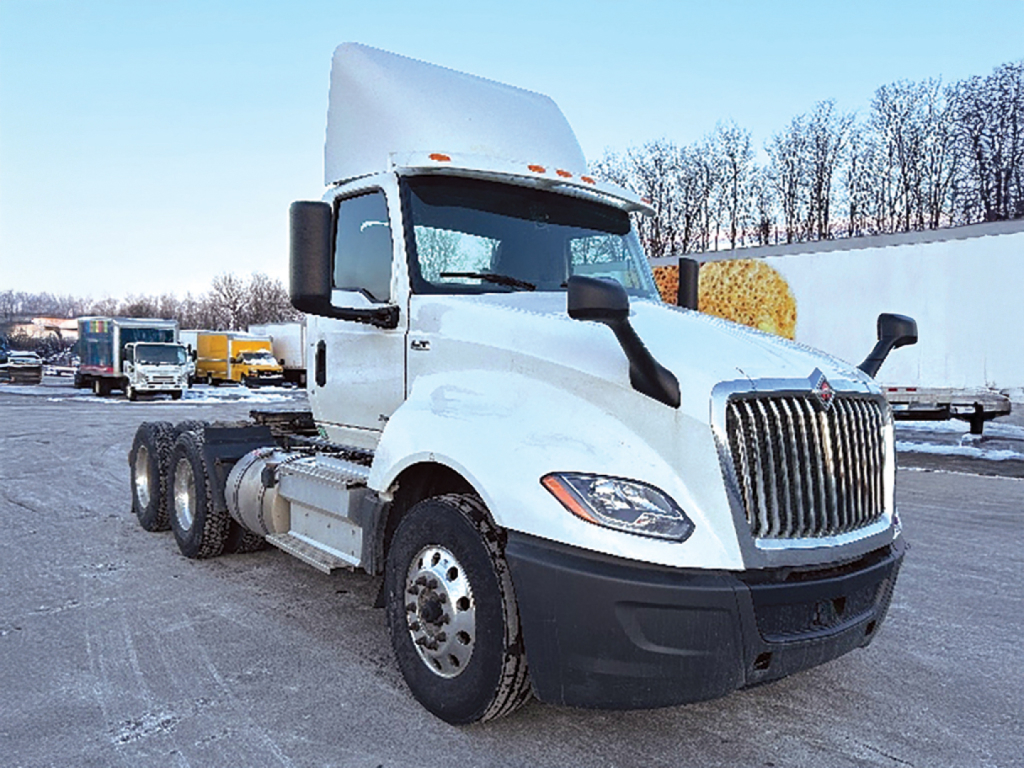
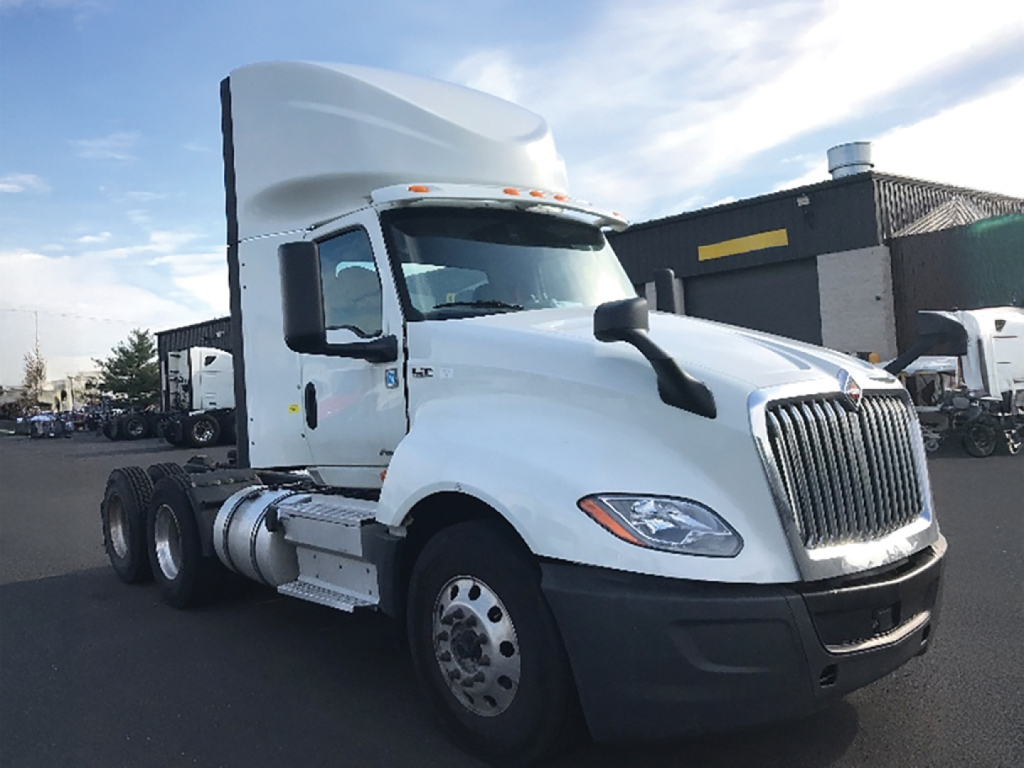
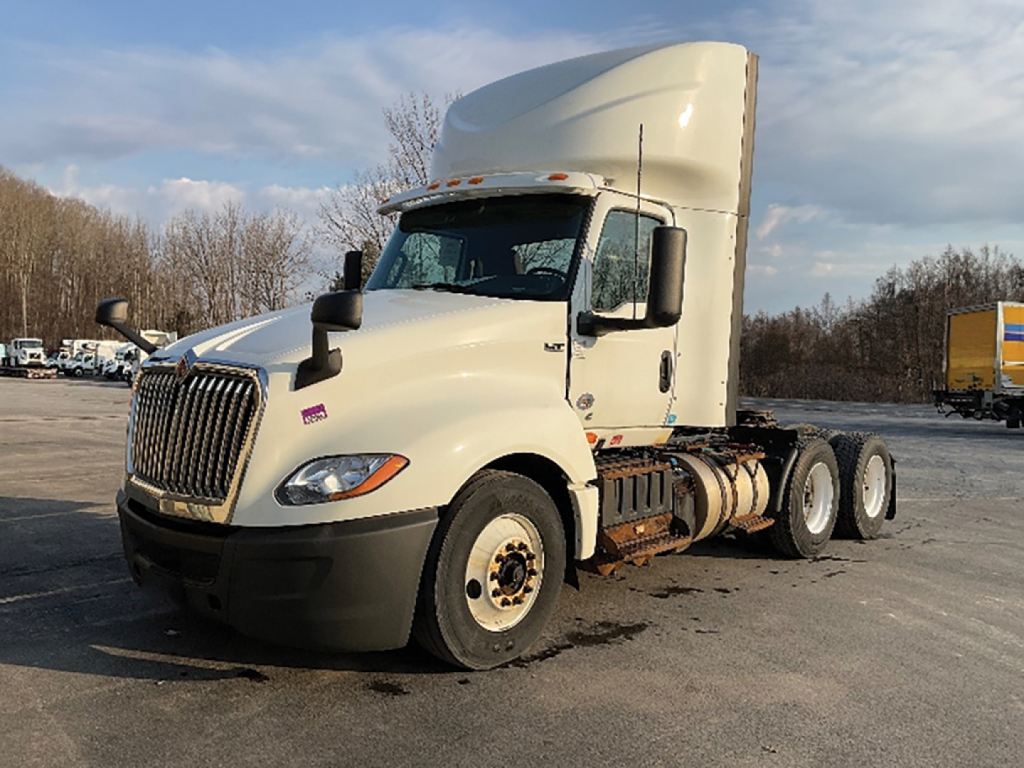
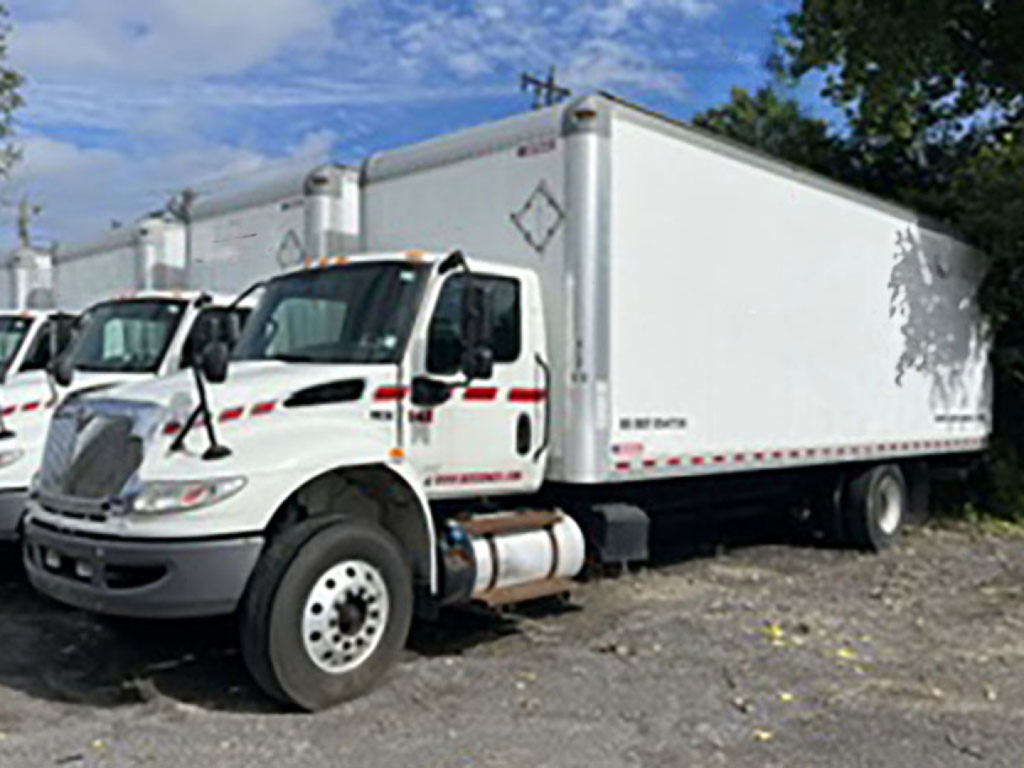
Shop 2020 International trucks in New York, including day cabs, vocational and highway models with A26 power and fleet-ready specs.

Have 2020 international truck to sell? List it here to reach thousands of buyers.
2020 International Trucks in New York
For many 2020 International trucks, the key spec decision is engine and transmission pairing. The International A26 was a common powerplant in this period, often rated in the mid-300 to low-400 horsepower range, and it is known for fuel-focused regional and highway performance. Some buyers will also run into Cummins-powered vocational specs depending on the chassis and original application. Automated manual and fully automatic transmissions are common, especially in fleet day cab service, while 10-speed and 13-speed manual setups still appear in certain vocational or specialized operations. Rear axle ratings, wheelbase, and ratio matter as much as horsepower. A single-axle day cab with a 2.64 or similar ratio is a different truck than a tandem-axle regional tractor with a 40,000 lb rears package and air ride suspension.
Cab configuration and chassis equipment deserve a close look on any 2020 International for sale in New York. Regional trucks often include collision mitigation systems, engine brakes, adjustable fifth wheels, disc or drum brake setups, and low-profile 22.5 rubber. Day cabs are common in metro freight, port work, and dedicated route service because they are easier to maneuver and simpler to maintain than sleeper tractors. On vocational trucks, buyers should focus on PTO compatibility, frame condition, suspension type, body integration, hydraulic setup, and front axle capacity. In Northeast service, corrosion exposure is a real factor, so frame rails, crossmembers, brake components, wiring, and cab mounts should be inspected carefully.
International trucks from this model year generally appeal to buyers who want straightforward fleet specs, broad parts support, and familiar serviceability. A smart comparison comes down to duty cycle and total operating cost. Look at mileage and engine hours together, confirm emissions system service history, and match the truck's wheelbase, axle rating, and suspension to the trailer or body you plan to run. On a 2020 unit, the best value is rarely just the lowest price. It is the truck with the right spec, clean maintenance records, and a configuration that fits your lane, payload, and compliance requirements in New York and surrounding regional markets.
Frequently Asked Questions about 2020 International Trucks in New York
What are the most common 2020 International truck models buyers will find?
The most common 2020 International truck models depend on the job type, but buyers frequently see LT and RH tractors for highway and regional hauling, along with MV, HV, and HX chassis for medium-duty and vocational work. The RH is especially common as a day cab for city and regional freight, while the LT is more common in sleeper and highway tractor applications. HV and HX trucks are generally spec'd for construction, dump, heavy haul, or municipal use.
Is the International A26 a common engine in 2020 International trucks?
Yes. The A26 was one of the primary engines in many 2020 International on-highway trucks, especially regional and highway tractors. It was designed around fuel economy and lighter weight while still offering horsepower and torque ranges suitable for most fleet applications. Buyers should verify horsepower rating, torque setting, emissions maintenance history, and the transmission it is paired with, because those details affect both drivability and operating cost.
What should I inspect first on a used 2020 International truck in New York?
Start with the frame, undercarriage, emissions system records, and any signs of corrosion from Northeast road salt exposure. Then confirm axle ratings, suspension type, brake condition, tire wear pattern, and wheelbase against the intended job. For tractors, inspect the fifth wheel, frame drilling, and driveline angles. For vocational trucks, inspect PTO operation, hydraulic plumbing, body mounts, and any auxiliary equipment. Service records and fault-code history are especially important on 2020 emissions-equipped trucks.
Are 2020 International day cabs a good fit for regional freight?
In many operations, yes. A 2020 International day cab is often a strong fit for regional haul, dedicated lanes, LTL, warehouse-to-warehouse moves, and port or terminal service. These trucks are easier to maneuver in tighter spaces, usually carry less tare weight than a sleeper, and are commonly spec'd with automated transmissions, air ride suspension, and fuel-efficient axle ratios. The main limitation is driver living space, so they are best matched to runs that return regularly rather than long over-the-road schedules.
How do I choose between a vocational International truck and an on-highway tractor from 2020?
The decision comes down to frame strength, axle capacity, suspension, and body or trailer requirements. An on-highway tractor is built for freight efficiency, road speed, and fuel economy, often with lower ride height and highway gearing. A vocational International truck is built for heavier payloads, uneven terrain, PTO work, and body integration such as dump, utility, or equipment service. Buyers should choose based on actual operating conditions, not just cab appearance or engine rating, because the chassis spec determines how well the truck will hold up in the intended duty cycle.