
2020 International Conventional Daycab Trucks For Sale in New York
Browse 2020 International conventional daycab trucks in New York. Compare specs, engines, axle setups, wheelbases, and application fit.
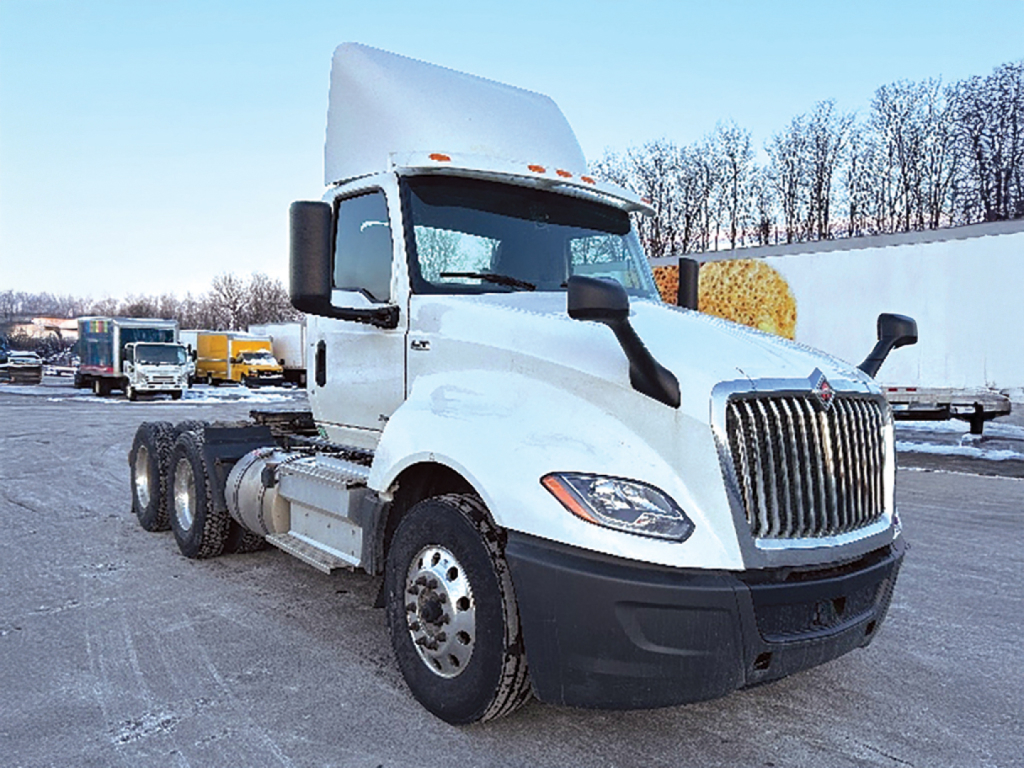
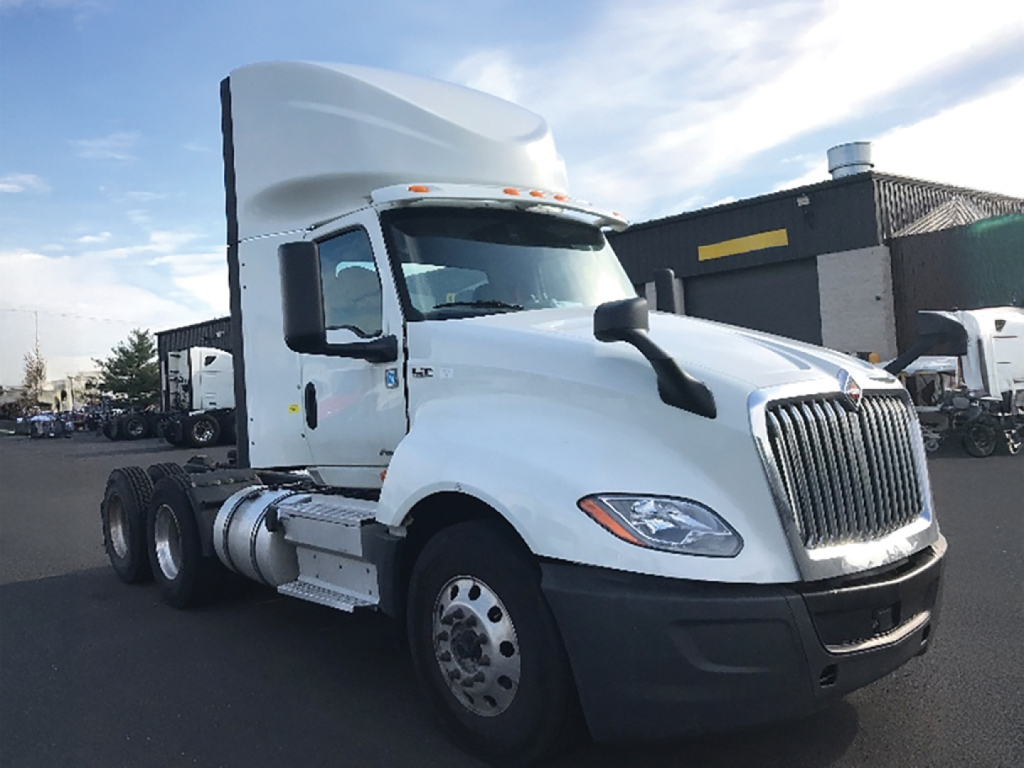
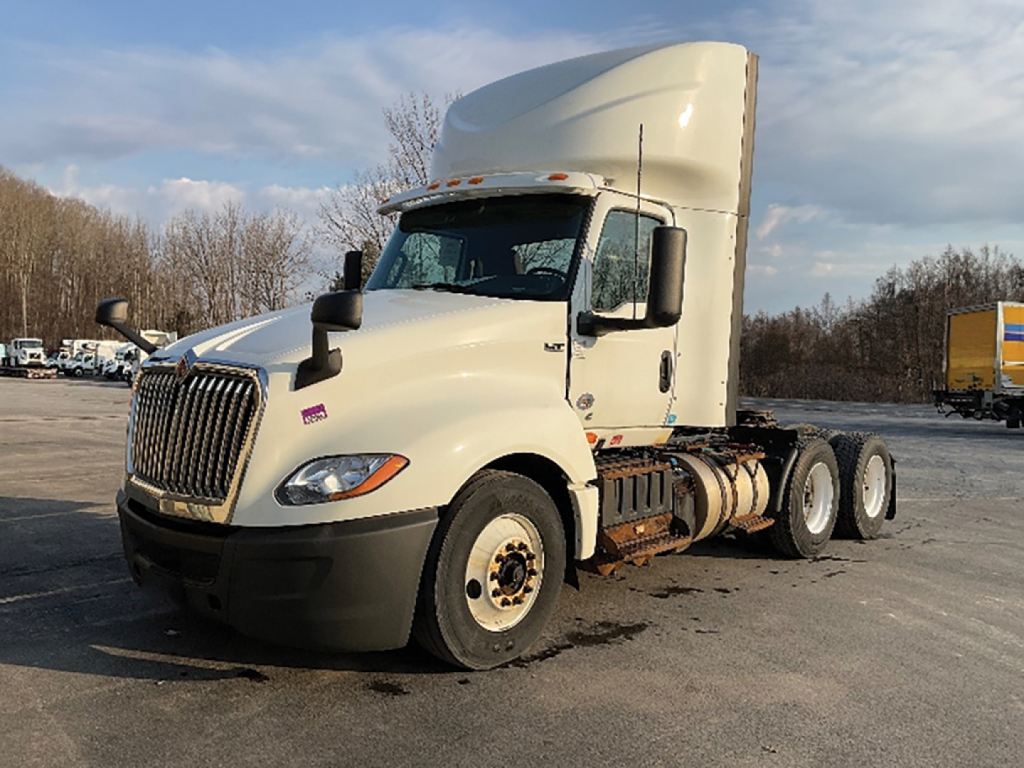
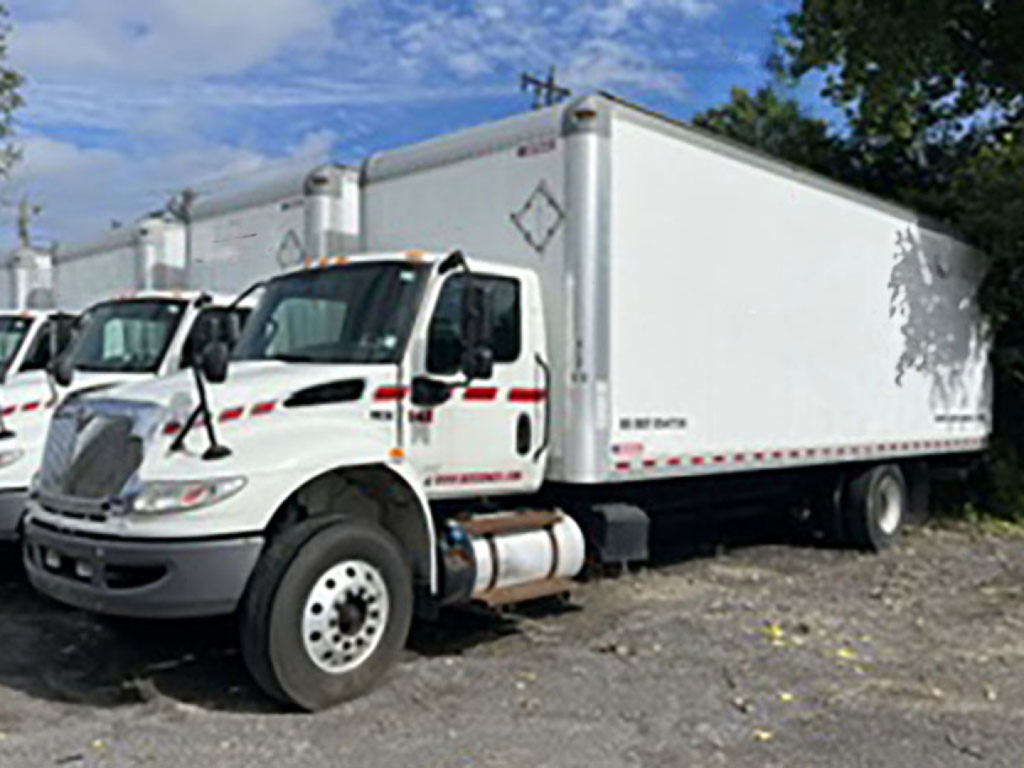

Have 2020 international conventional daycab truck to sell? List it here to reach thousands of buyers.
2020 International Conventional Daycab Trucks in New York
Frequently Asked Questions about 2020 International Conventional Daycab Trucks in New York
What is the difference between a 2020 International MV daycab and a 2020 International RH daycab?
The MV Series is generally a medium-duty platform used for box trucks, stake bodies, service bodies, and local delivery applications. It commonly runs smaller-displacement diesel engines, lower horsepower ratings, and single-axle configurations. The RH is a heavy-duty conventional designed more for regional haul, terminal work, and tractor applications, with higher horsepower, heavier rear axle ratings, and driveline options better suited for pulling a trailer with a fifth wheel.
What specs matter most when buying a 2020 International conventional daycab?
Start with the truck’s intended job, then match wheelbase, axle rating, engine output, transmission type, and rear-end ratio to that work. For city and route delivery, tighter wheelbases, automatic transmissions, and higher numerical ratios can improve launch and low-speed performance. For regional highway use, buyers usually focus on horsepower, torque, overdrive transmission gearing, and lower numerical rear ratios that keep cruise RPM under control. Suspension type, brake configuration, tire size, and fuel capacity also affect operating cost and uptime.
Are 2020 International daycabs good for New York operations?
They can be a strong fit for New York because daycabs are easier to maneuver in tight urban streets, crowded yards, and delivery docks than sleeper tractors. Buyers operating in New York should pay close attention to turning radius, axle spread, bridge-law considerations, emissions compliance, and corrosion exposure from winter road treatment. Cab condition, frame condition, air system health, and electrical integrity deserve a close inspection on any truck that has worked year-round in the Northeast.
Should I choose an automatic or manual transmission in a 2020 International daycab?
That depends on route density, driver pool, and maintenance preference. Automated and fully automatic transmissions are common in 2020 daycabs because they reduce driver fatigue in stop-and-go service and can help standardize operation across multiple drivers. Manual transmissions still appeal in some heavy vocational or fleet environments where driver preference, shop familiarity, or lower acquisition cost matters. The best choice is the one that fits your duty cycle and the skill level of the people who will actually run it.
What should I inspect first on a used 2020 International conventional daycab?
Begin with engine hours, idle time, service records, fault codes, and signs of emissions-system neglect. Then inspect the frame, suspension, steering components, brakes, tires, driveline, and transmission operation. On a tractor, confirm fifth wheel wear, slider function if equipped, and proper kingpin setting for the trailers it will pull. On a straight truck, inspect body mounting, floor condition, door operation, liftgate if present, and any cargo-control equipment such as E-track or scuff liners.