
2020 International Conventional Daycab Trucks For Sale
Shop 2020 International conventional daycab trucks with specs, drivetrain details, axle ratings, and application insight for regional hauling.
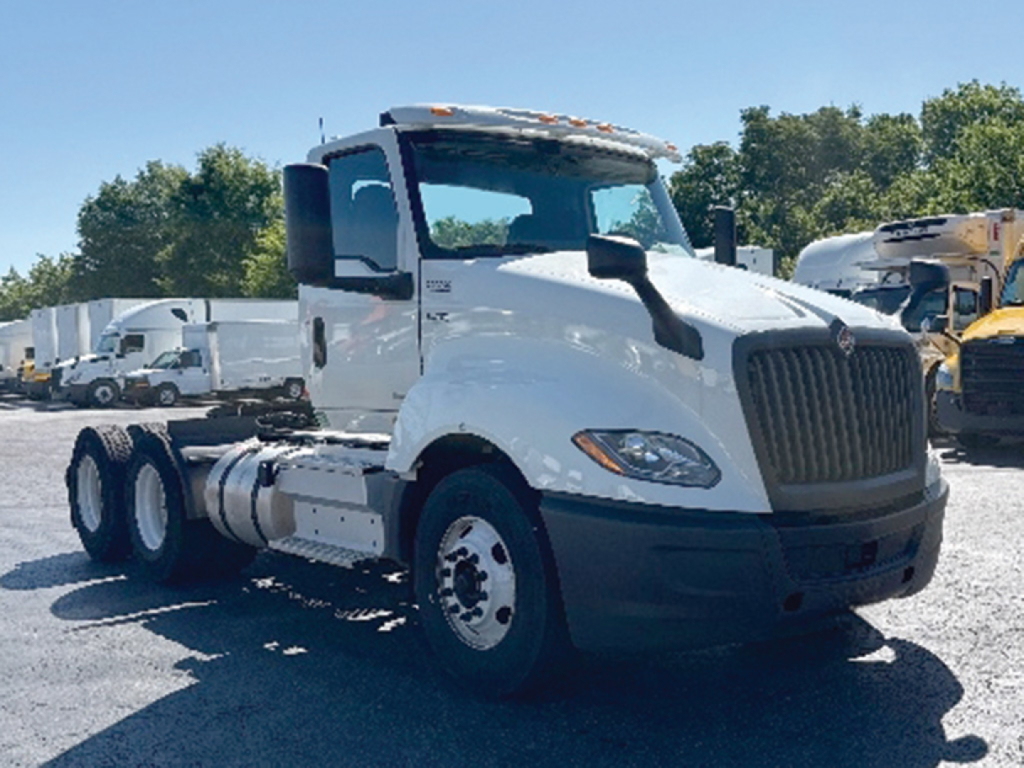

Selling a 2020 international conventional daycab truck? List your 2020 international conventional daycab truck for sale and reach thousands of commercial buyers.
2020 International Conventional Daycab Trucks
The first buying decision is usually axle and wheelbase configuration. A single-axle daycab with a shorter wheelbase can be a strong fit for urban routes, LTL terminals, and lighter trailer duty, while tandem-axle trucks with 40,000-lb rears are more common for general freight and heavier regional pulling. Pay close attention to wheelbase, cab-to-axle, and fifth wheel setup, especially if the truck will be assigned to containers, tank, hopper, or dedicated van work. Kingpin swing clearance, trailer gap, and bridge law requirements can matter as much as horsepower. Common specs in this class include air ride suspension, adjustable or air slide fifth wheels, 22.5-inch rubber, and rear axle ratios like 3.42 or 3.55 for balancing startability with cruise rpm.
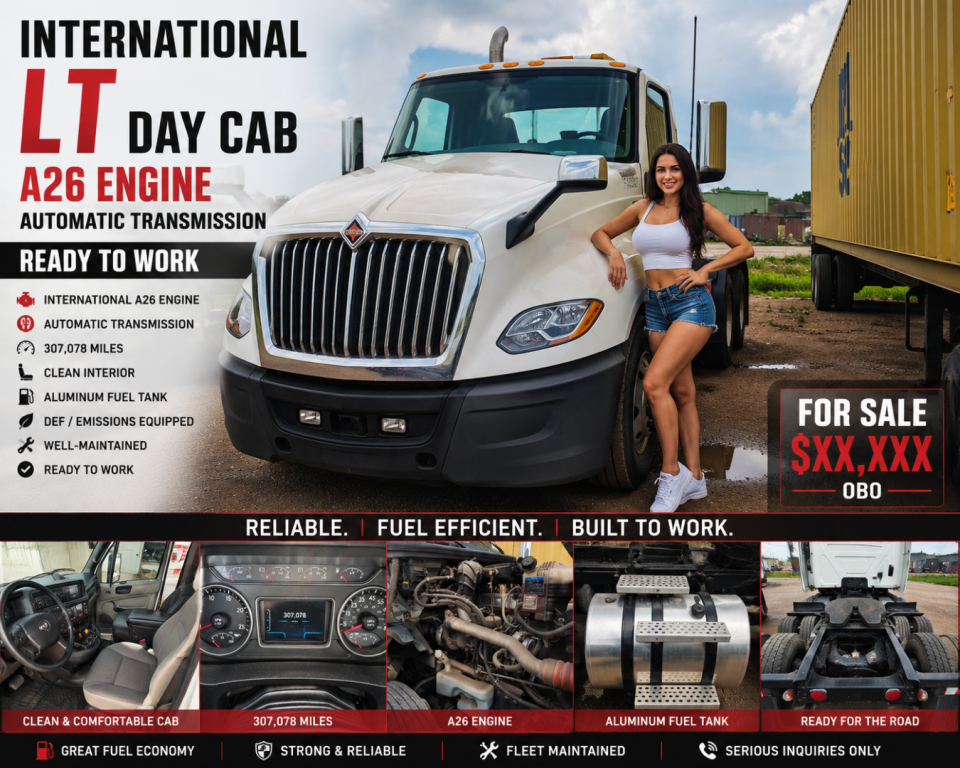
On 2020 International daycabs, engines commonly include the International A26 and, in lighter-duty applications, the Cummins B6.7 or L9 depending on configuration. Transmission choices often include automated manuals, with some fleets favoring them for reduced driver fatigue and more consistent operation in stop-and-go service. Buyers comparing listings should look beyond advertised horsepower and focus on torque rating, transmission model, GCWR, rear axle rating, and maintenance history. For regional operations, engine brake performance, fuel capacity, fairings, and idle strategy can all affect operating cost. If the truck is emissions-equipped, verify aftertreatment service records, fault history, and whether the truck’s duty cycle matches the emissions system’s needs.
Cab condition and vocational fit are just as important as drivetrain specs. A daycab used in port or city service may show more clutch, suspension, and bumper wear than a similar-mile truck from longer regional lanes. Check steering wheel and seat wear against engine hours, inspect suspension bushings and air bags, and confirm brake type, tire size, and frame layout for your intended body or trailer setup. Features such as power windows, tilt-telescoping steering, aluminum wheels, horizontal exhaust, and roof fairings are common, but the real value is in selecting a 2020 International conventional daycab with the right axle package, wheelbase, and drivetrain for the lane it will actually run.
Frequently Asked Questions about 2020 International Conventional Daycab Trucks
What is the difference between an International daycab and a sleeper tractor?
A daycab is a conventional truck without a sleeper compartment, built for routes where the driver returns daily or does not need overnight accommodations. That shorter cab typically reduces weight, improves maneuverability, and can simplify access in city, regional, and terminal operations. Compared with a sleeper tractor, a daycab is often a better fit for local freight, drayage, tanker, dump, or dedicated regional lanes where cab space is less important than payload, wheelbase control, and ease of operation.
What engines are common in 2020 International conventional daycab trucks?
In 2020 International daycab applications, the A26 is one of the most common engines in highway tractor configurations, especially in RH and LT platforms. Lighter or medium-duty configurations may use Cummins engines such as the B6.7, depending on the truck’s GVWR and application. The best engine choice depends less on peak horsepower and more on torque, emissions history, parts support, and how well the engine matches the truck’s route profile, weight, and idle time.
Should I choose a single-axle or tandem-axle International daycab?
A single-axle daycab usually makes sense for lighter trailers, urban work, shorter routes, and applications where lower tare weight and tighter turning are important. A tandem-axle daycab is generally the better choice for heavier freight, broader trailer compatibility, and more demanding regional service. The decision should be based on GCWR, trailer weights, bridge requirements, and the need for traction, not just purchase price.
What specs matter most when comparing 2020 International daycab listings?
The most important specs are engine and transmission models, rear axle rating, axle ratio, wheelbase, suspension type, and fifth wheel configuration. Buyers should also verify front axle capacity, tire size, brake type, fuel capacity, and whether the frame is suitable for the intended trailer or body. A truck with the right wheelbase and axle package for the job will usually perform better operationally than a higher-horsepower truck with a mismatched chassis spec.
Are automated transmissions a good fit for a 2020 International daycab?
Automated transmissions are common in this model year and are often a strong fit for regional and city work. They can reduce driver fatigue, improve shift consistency, and help fleets manage driver turnover more effectively. The key is confirming that the transmission calibration, rear axle ratio, and engine torque are appropriate for the route, especially if the truck will see heavy stop-and-go traffic, steep grades, or frequent dock maneuvering.