
2020 Conventional Daycab Trucks For Sale in New York
Shop 2020 conventional daycab trucks in New York. Compare wheelbase, axle ratings, engine, transmission, suspension, and 5th wheel specs.
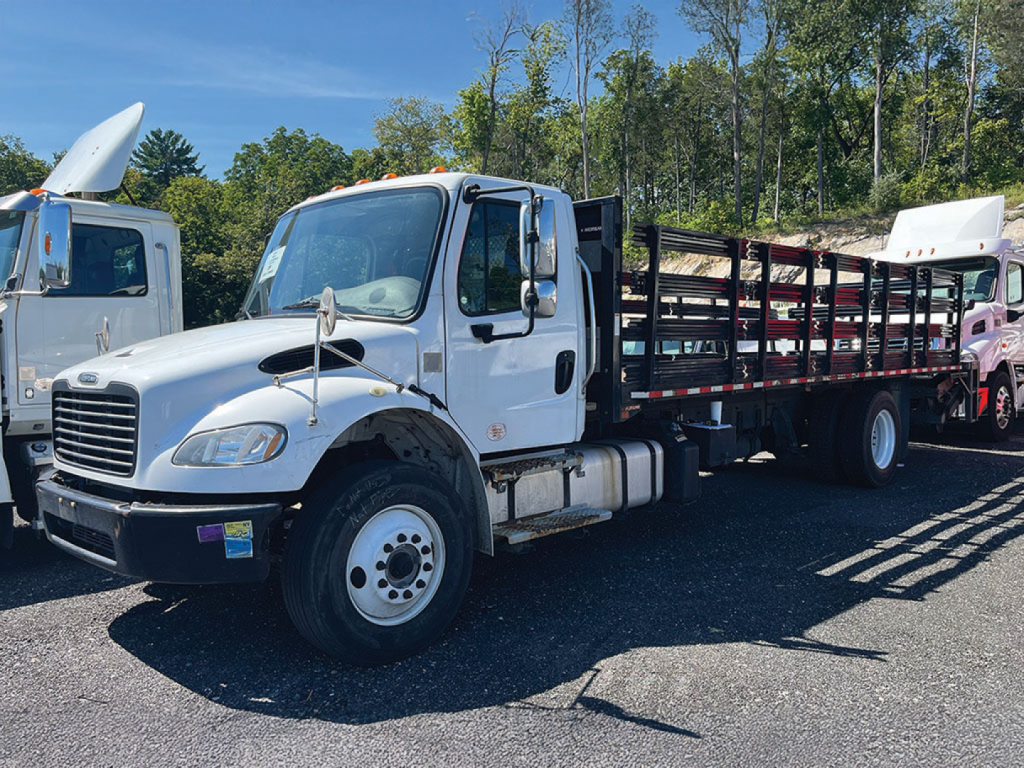
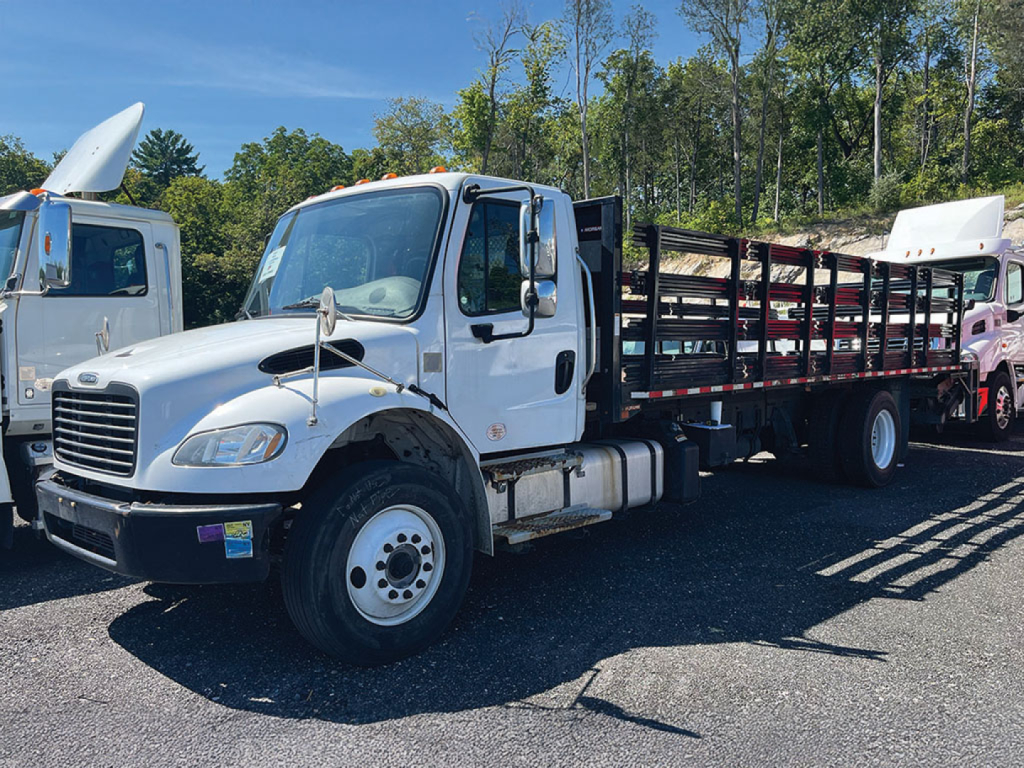
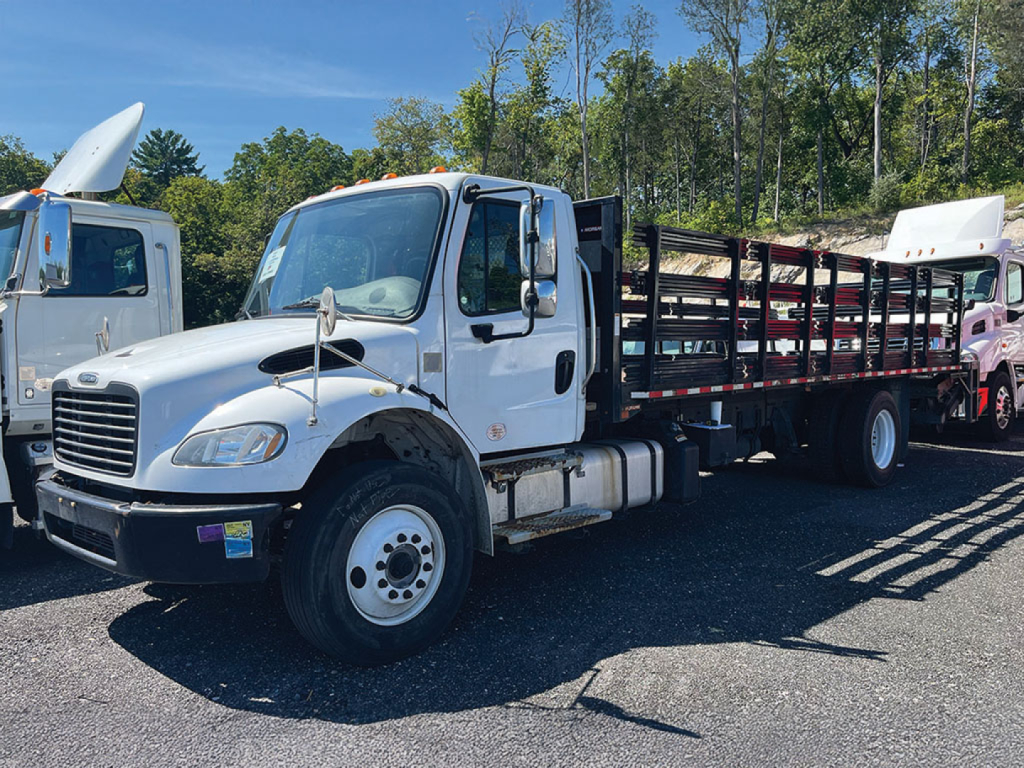
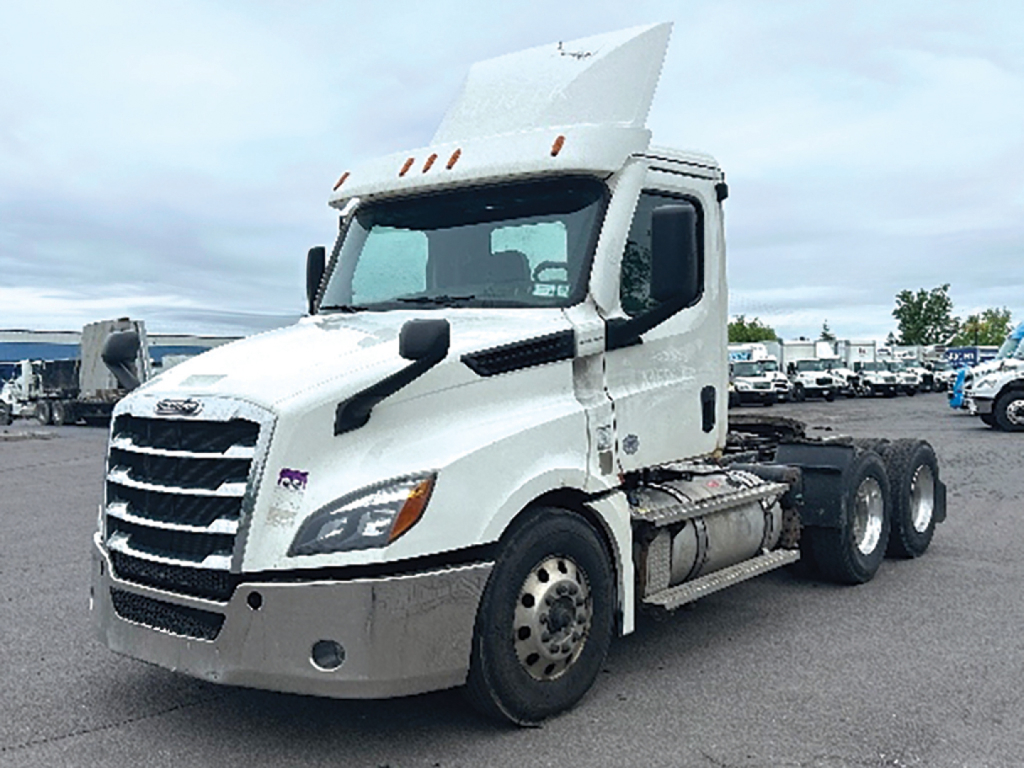
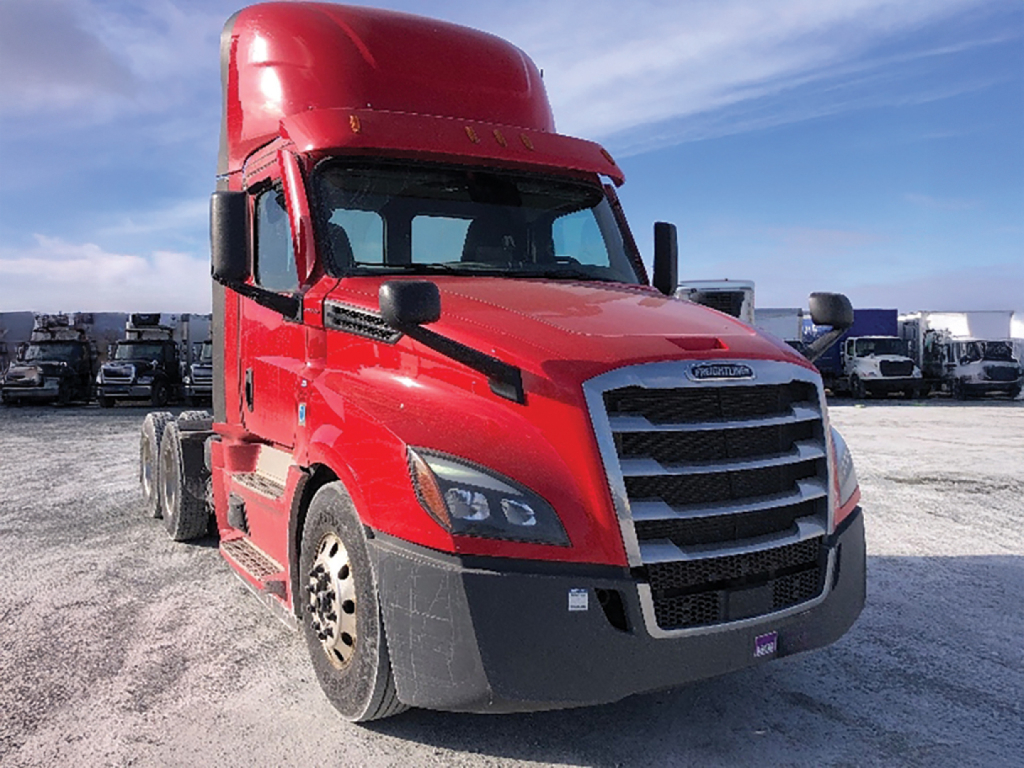
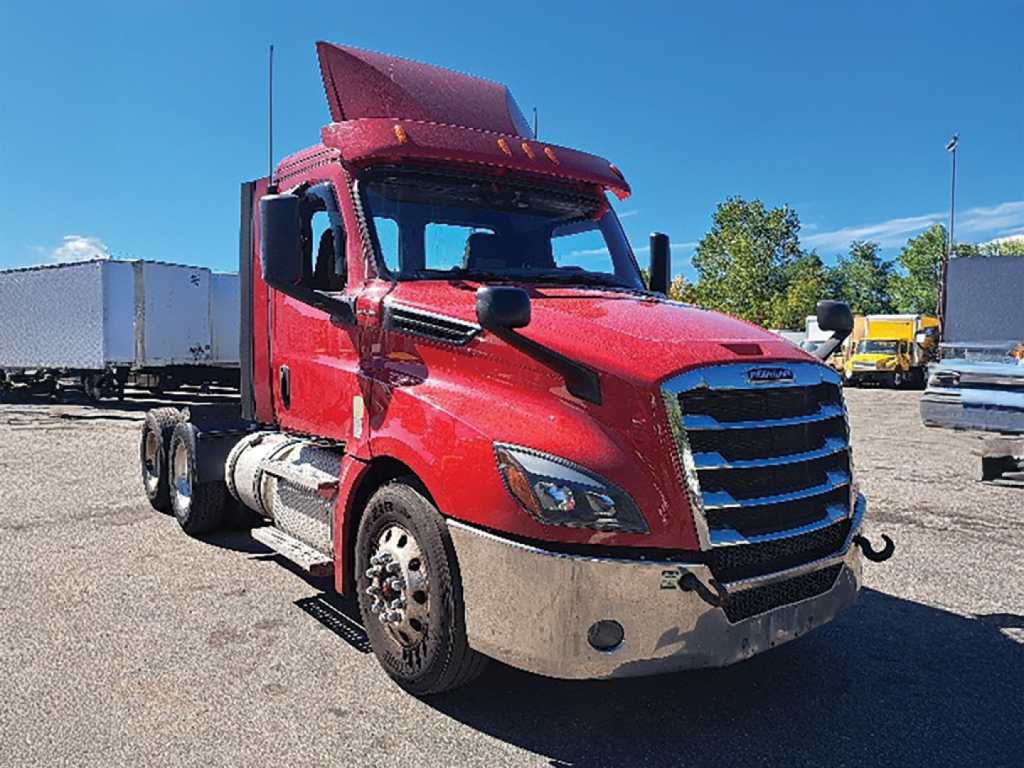
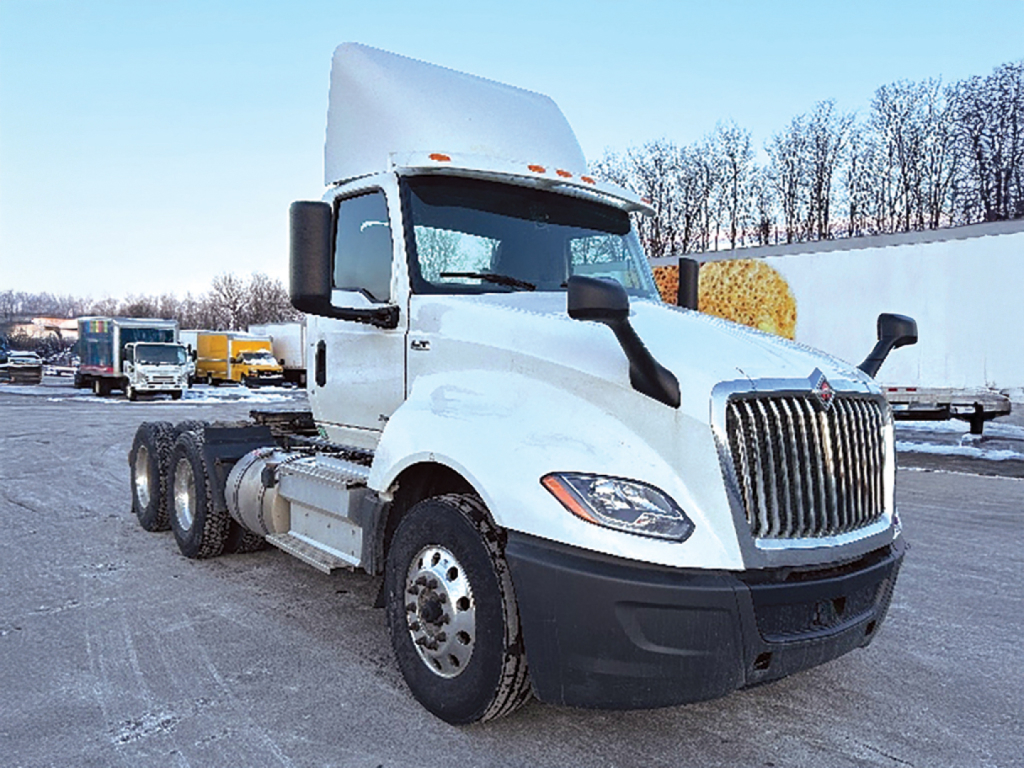
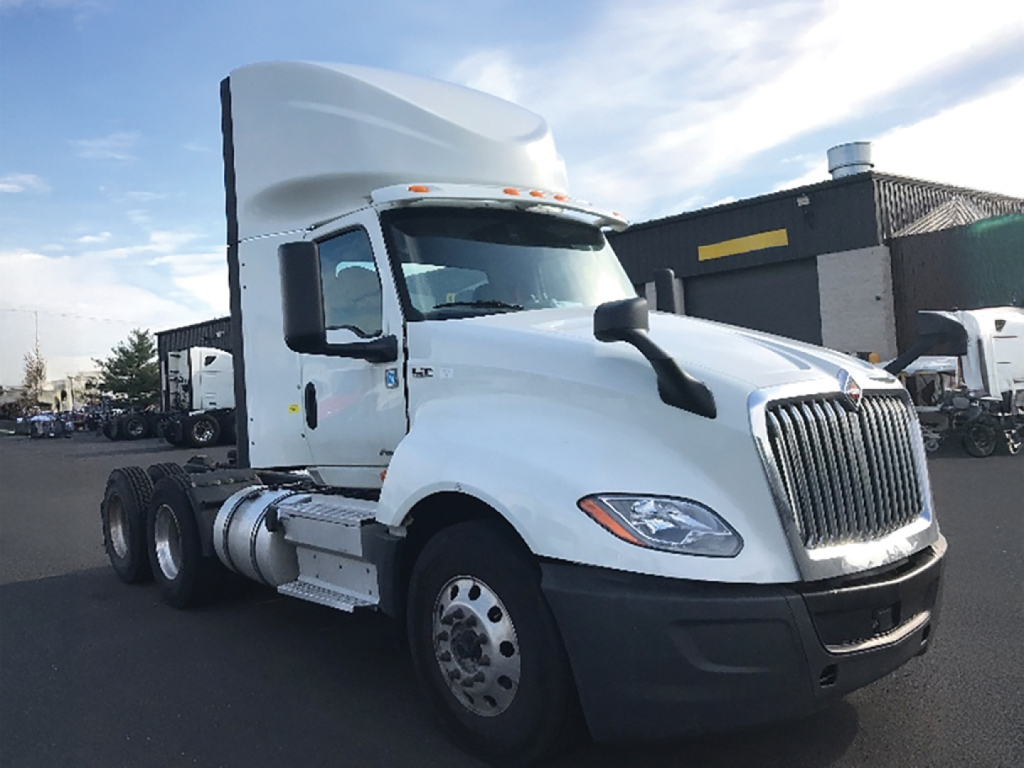
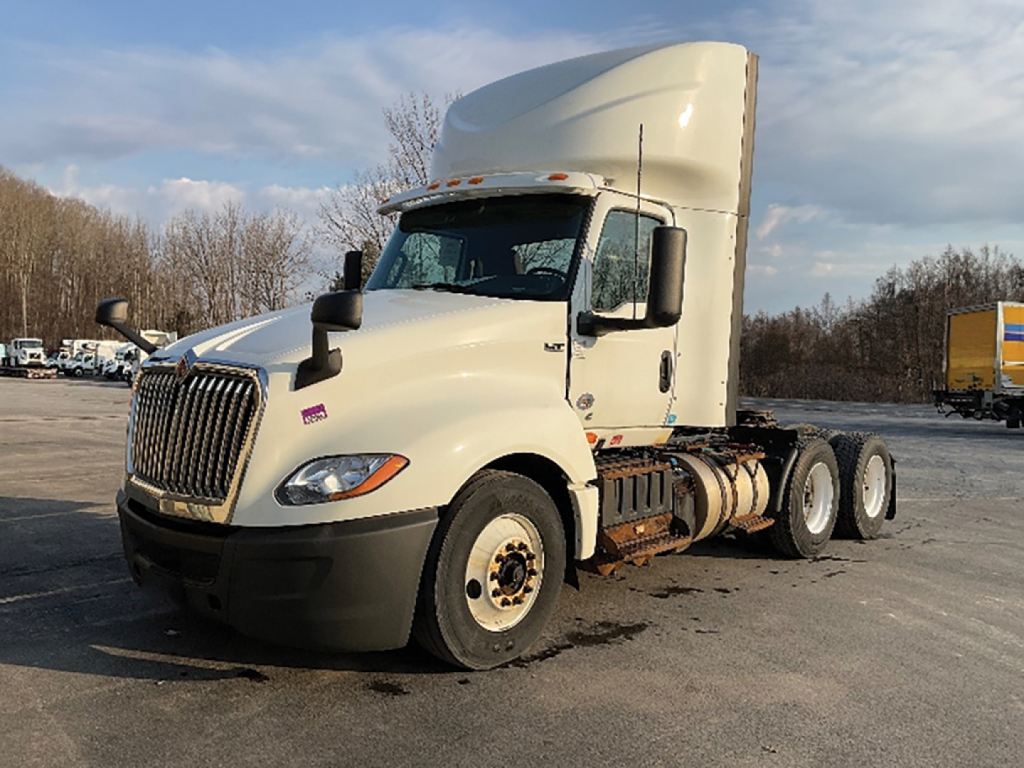
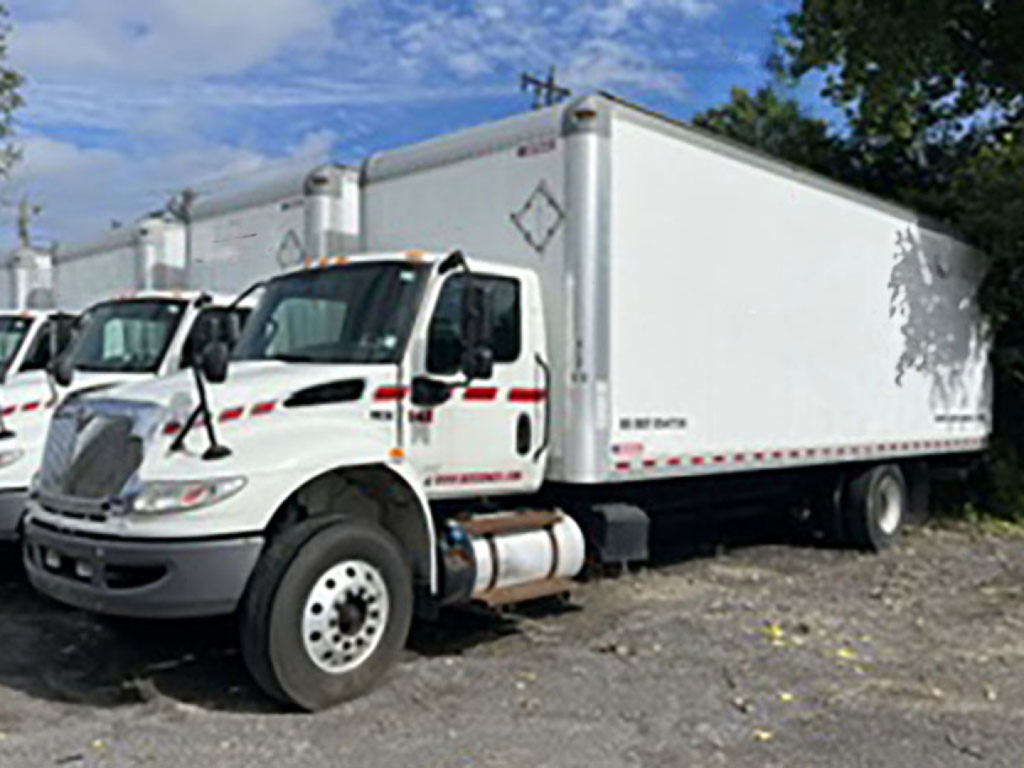
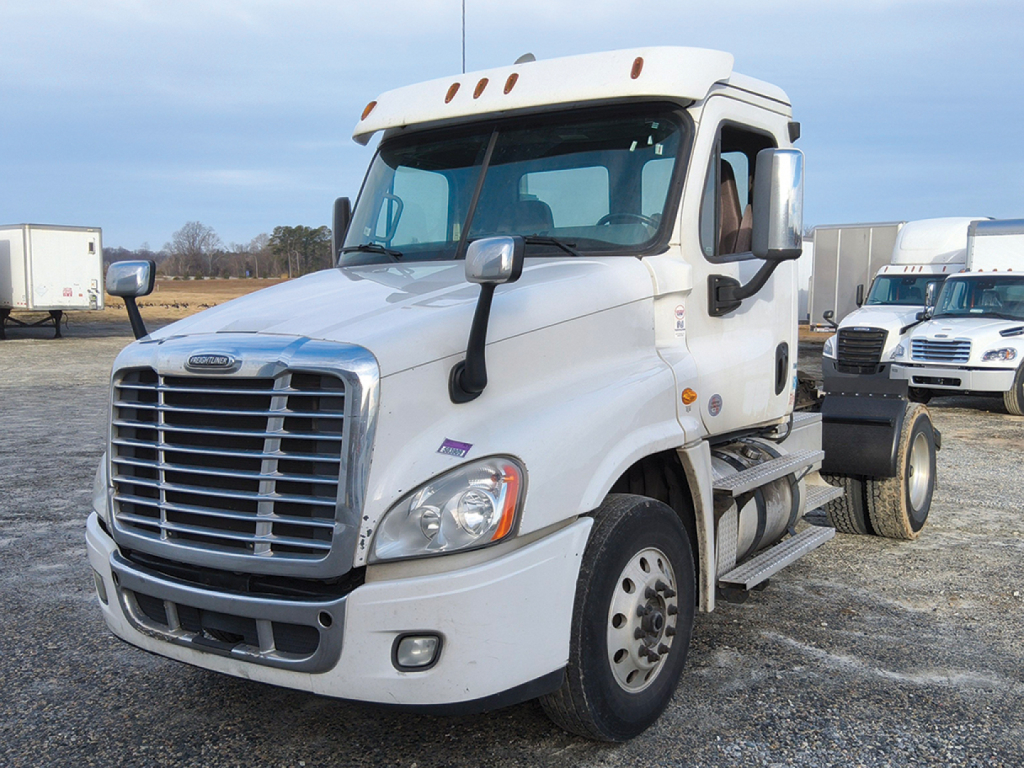

Selling a 2020 conventional daycab truck? List your 2020 conventional daycab truck for sale and reach thousands of commercial buyers.
2020 Conventional Daycab Trucks in New York
The first buying decision is usually axle and wheelbase layout. Single-axle daycabs are common for lighter regional applications and can offer lower empty weight, better maneuverability, and simpler maintenance. Tandem-axle daycabs are more common when the truck will stay under heavier gross weights, pull loaded van, reefer, container, or tanker trailers, or operate where traction and durability matter. Wheelbases in this class often fall in the mid-160 inch to mid-180 inch range, and that dimension affects trailer swing clearance, bridge law flexibility, and how the truck fits tight docks. Rear axle ratios like 2.47, 2.67, 3.07, or 3.36 also tell you a lot about the truck's intended duty cycle. Lower numerical ratios generally favor highway fuel economy, while higher ratios can better support stop-and-go work, gradeability, and heavier starts.
Powertrain spec matters as much as model year. A 2020 daycab will usually be emissions-equipped with DEF and a modern aftertreatment system, so service history is important. Engines in the 400 to 455 horsepower range are common, with engine brakes standard on many fleet specs. Automated manuals dominate this segment because they reduce driver fatigue, improve shift consistency, and can help fuel economy in regional service. Buyers should still confirm transmission model, clutch history if applicable, and whether the truck has an air slide fifth wheel, fixed fifth wheel, or any frame-mounted towing equipment such as a pintle hook. Suspension type, front axle rating, rear axle capacity, brake spec, and tire size also deserve close attention because they directly affect application fit. Air ride suspension, air disc brakes, and low-profile 22.5 tires are all common on later-model fleet daycabs.
A strong 2020 conventional daycab should be evaluated as a working specification, not just a cab and chassis. Look at cab-to-axle and cab-to-end dimensions if body installation or trailer gap is important. Check for single-frame versus double-frame construction depending on the intended load. In New York, corrosion exposure, tight urban operation, and frequent stop-start cycles make brake condition, suspension wear, steering feel, and idle-hour history especially relevant. Buyers comparing listings should pay close attention to odometer versus engine hours, maintenance records, aftertreatment status, fairing condition, fuel tank setup, and signs of fleet standardization that may simplify parts and service. A well-matched 2020 daycab can be a very efficient tractor for short-haul and regional work when the wheelbase, rear ratio, axle package, and transmission are aligned with the lane and trailer type.
Frequently Asked Questions about 2020 Conventional Daycab Trucks in New York
What is a conventional daycab truck used for?
A conventional daycab truck is a road tractor without a sleeper compartment, designed primarily for local, regional, and dedicated route work. Common applications include dry van, reefer, container drayage, tanker, dump transfer, and terminal-to-terminal freight. The shorter overall chassis compared with a sleeper tractor can improve maneuverability, reduce empty weight, and make the truck better suited for dense traffic, city streets, and frequent dock work.
What should I check first on a 2020 conventional daycab?
Start with the powertrain and axle specification because those determine whether the truck fits the job. Confirm engine model and horsepower, transmission type, rear axle rating, ratio, wheelbase, and whether it is a single-axle or tandem-axle tractor. After that, review emissions system history, maintenance records, engine hours, brake type, suspension condition, and fifth wheel style. On a 2020 model, service documentation for aftertreatment components and transmission maintenance is especially important.
Is a single-axle or tandem-axle daycab better?
It depends on the load and route. A single-axle daycab is often a good fit for lighter regional work where lower tare weight, tighter turning, and lower operating cost matter most. A tandem-axle daycab is better for heavier gross weights, more demanding trailer applications, and operations that need stronger traction and durability. Buyers should match axle count to trailer type, legal weight requirements, and the terrain the truck will run.
Are automated manual transmissions common in 2020 daycab trucks?
Yes. By 2020, automated manuals such as the Detroit DT12 and Volvo I-Shift were standard in many fleet daycab specifications. They are popular because they reduce driver fatigue, promote more consistent shifting, and can improve fuel economy when calibrated correctly. A buyer should still verify transmission service history, software status, and how the gearing and rear axle ratio match the truck's intended duty cycle.
Which specs matter most for New York daycab operation?
For New York use, maneuverability, corrosion condition, and stop-and-go durability are major factors. Wheelbase, cab-to-axle measurement, steering condition, brake wear, suspension health, and turning radius all matter in urban and terminal environments. Because road salt and heavy traffic are common, buyers should also inspect frame condition, air system integrity, fairings, fuel tank mounts, and signs of rust around crossmembers, cab supports, and brake components.