
2020 Volvo Conventional Daycab Trucks For Sale in New York
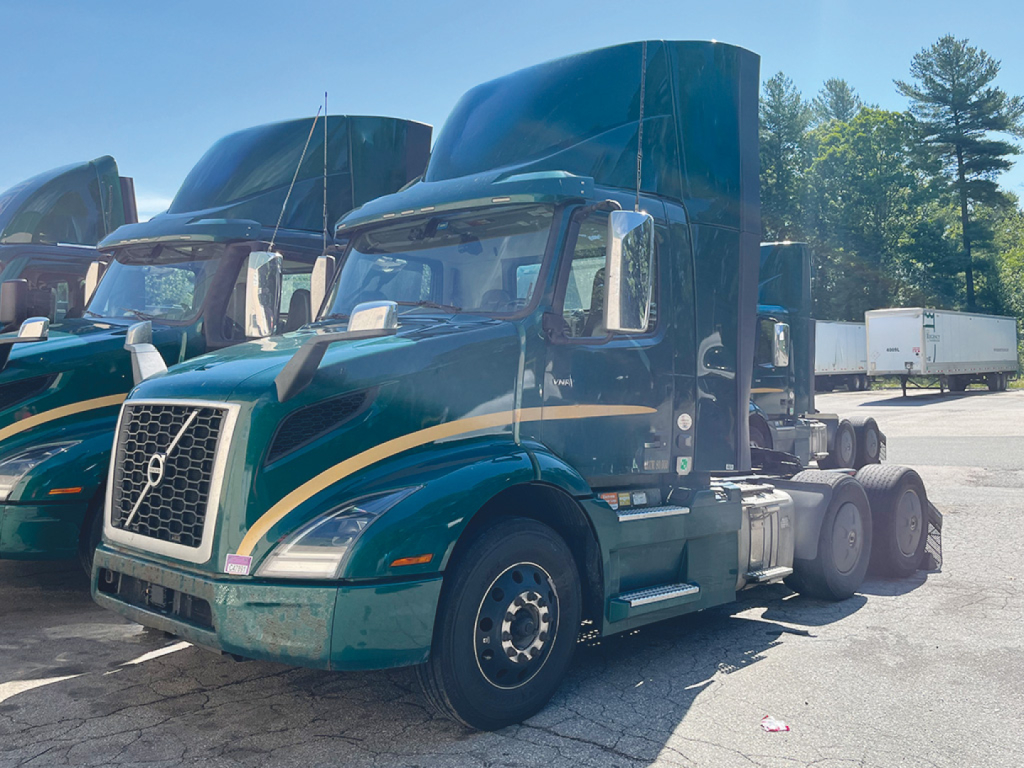
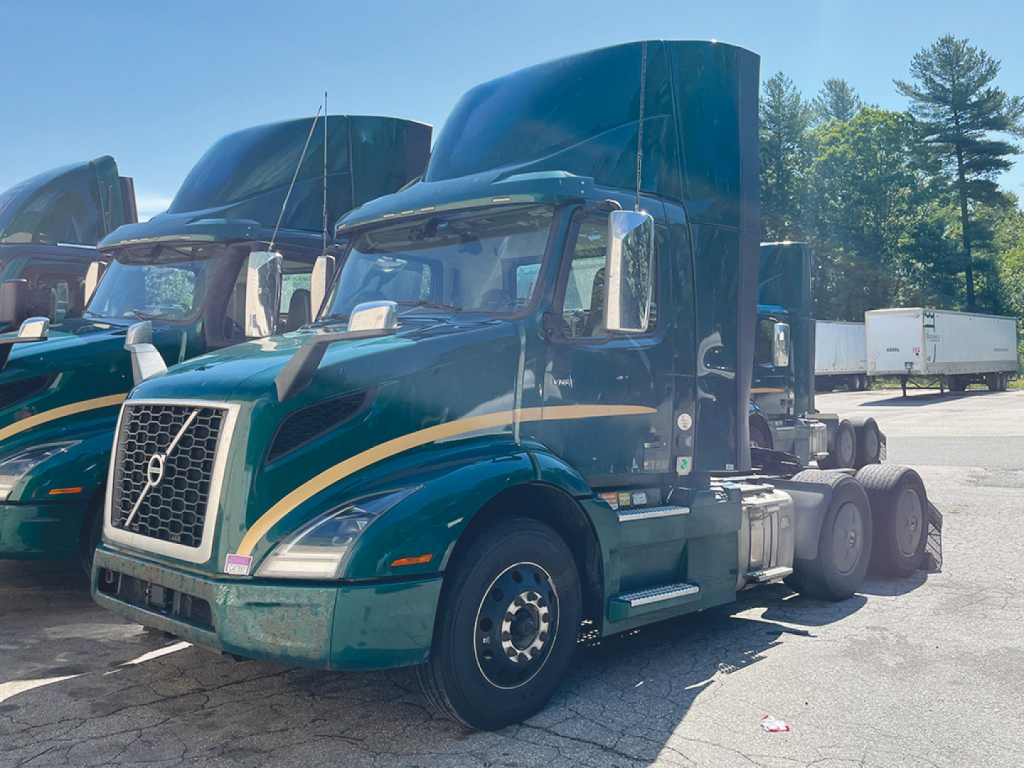
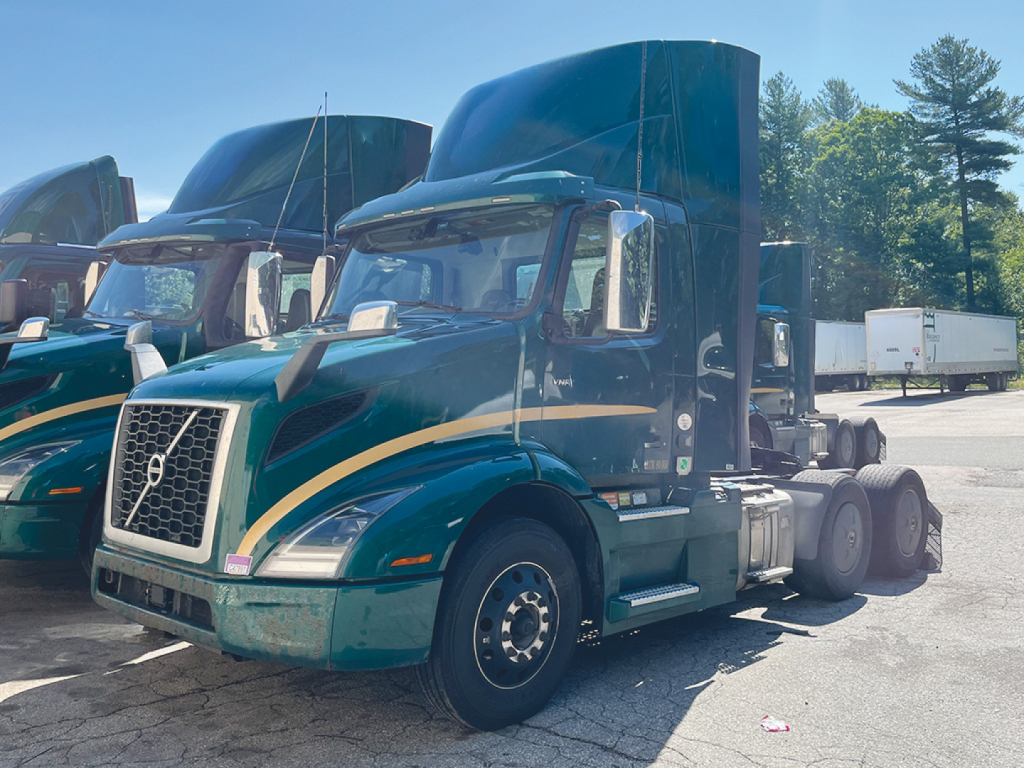
Shop 2020 Volvo conventional daycab trucks in New York. Compare VNR specs, D13 power, I-Shift transmissions, wheelbases, and axle ratings.
Learn more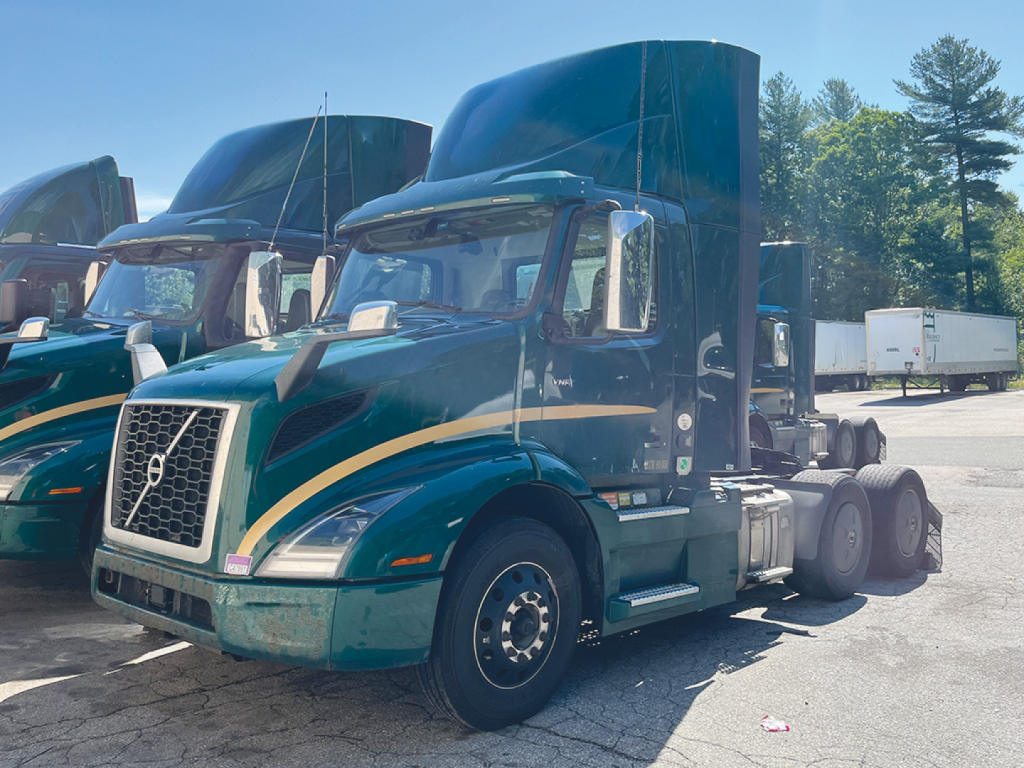
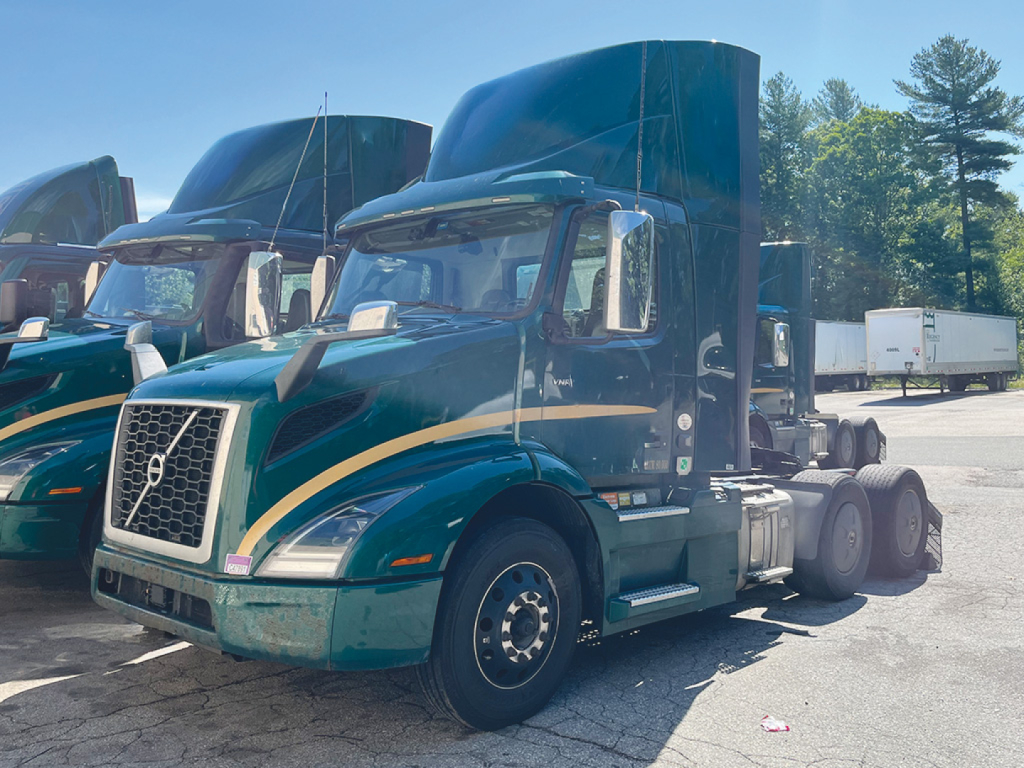
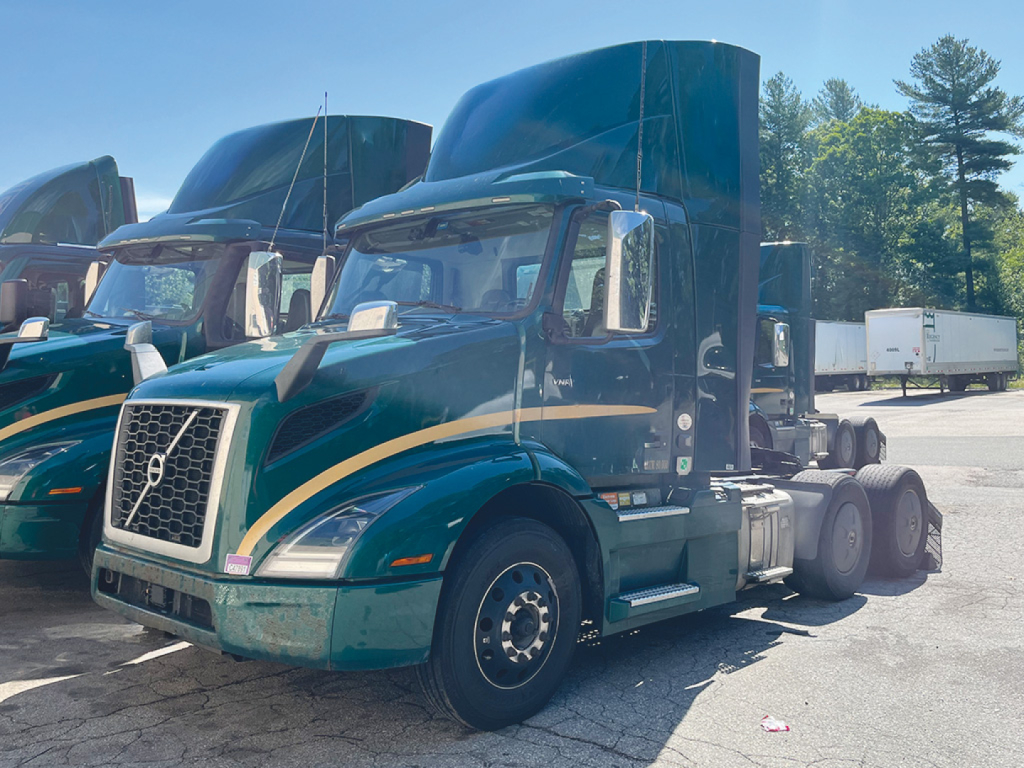
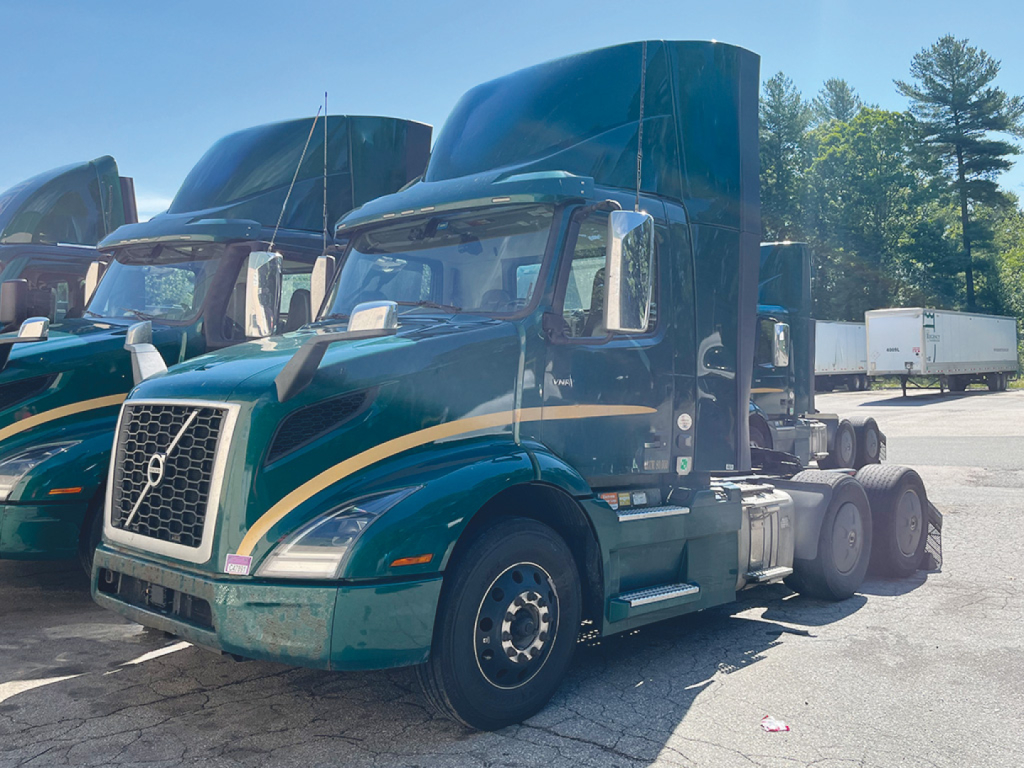
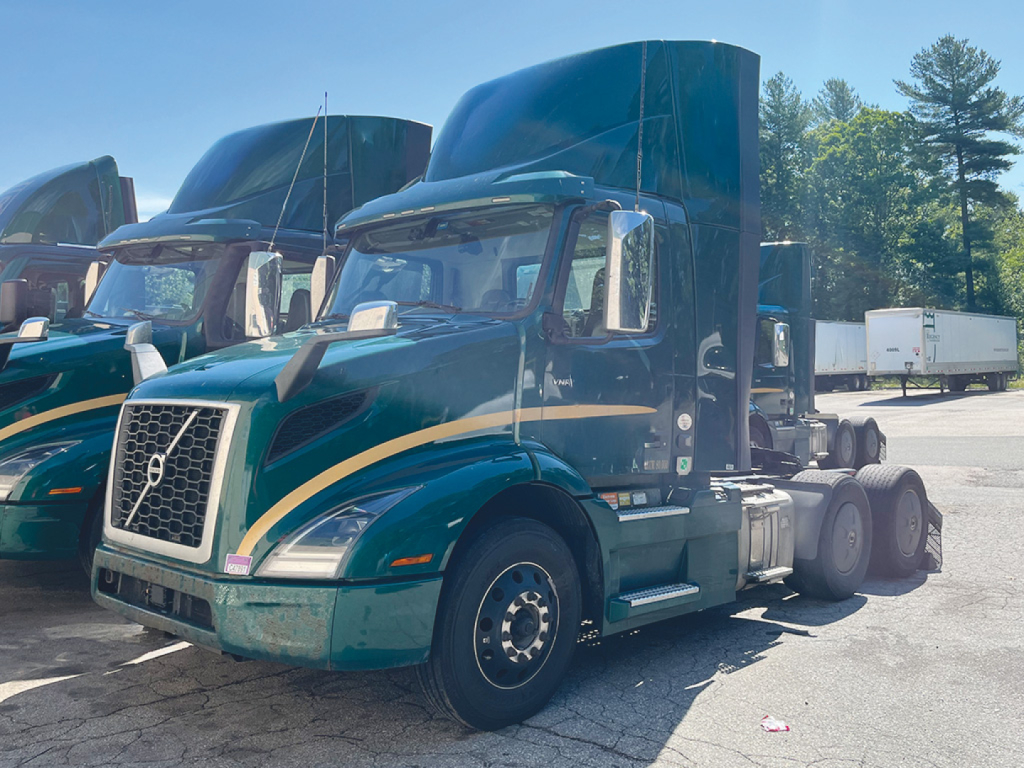
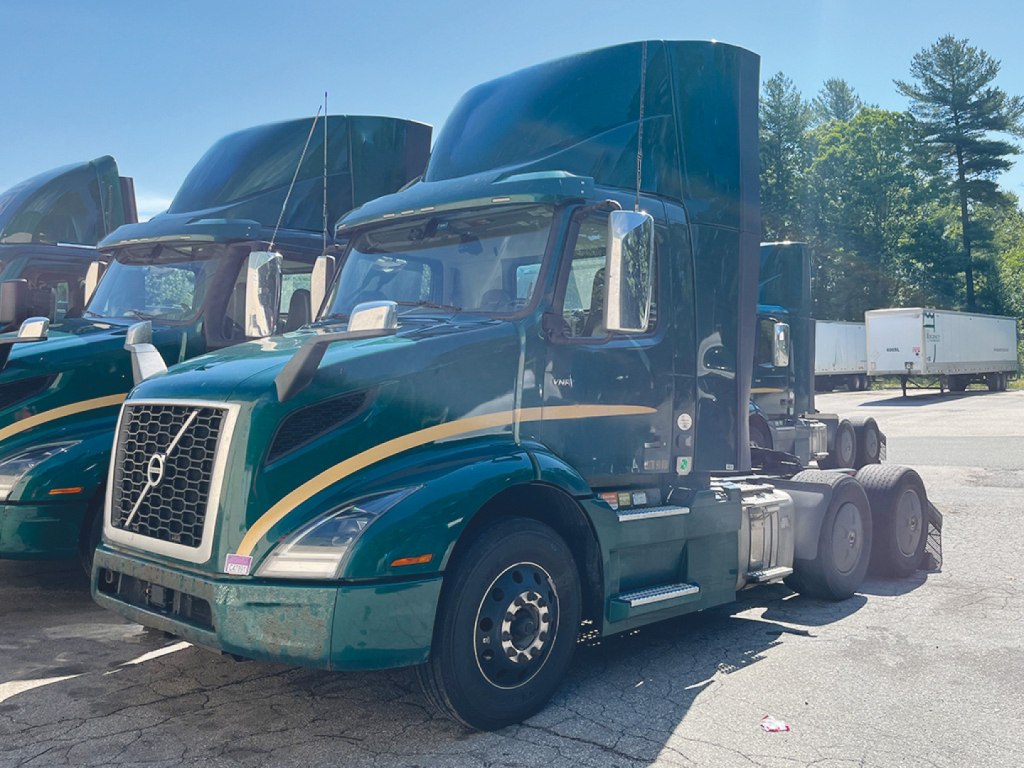
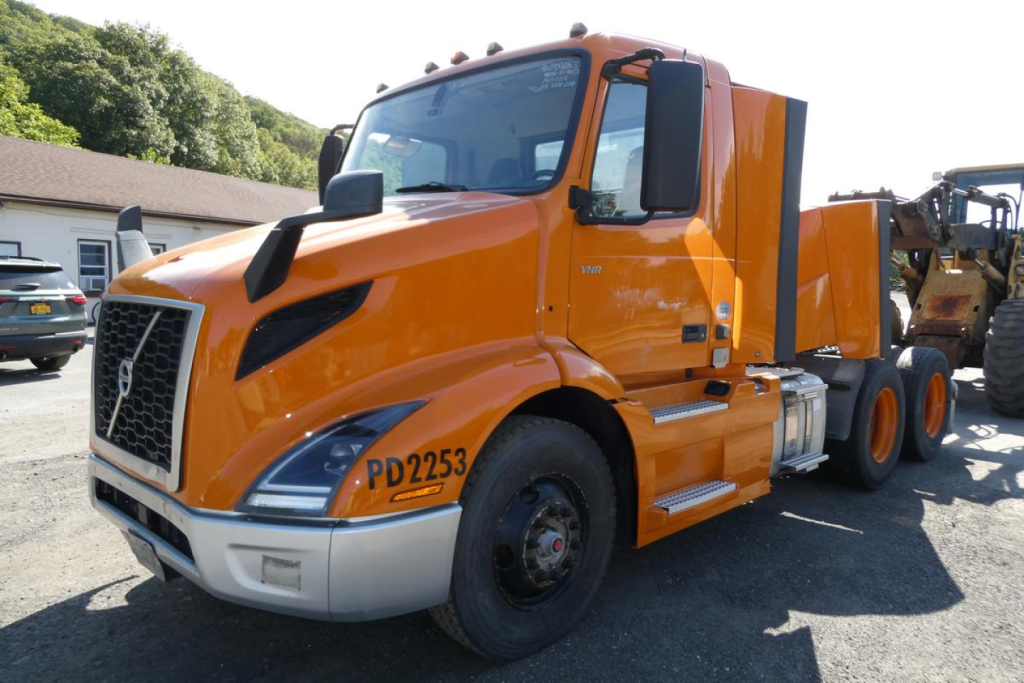
Have 2020 volvo conventional daycab truck to sell? List it here to reach thousands of buyers.
About 2020 Volvo Conventional Daycab Trucks in New York
The first buying decision is usually axle and ratio setup. A lighter regional daycab may carry a 23,000 lb rear axle and shorter wheelbase for tighter urban work, while a heavier spec VNR daycab can be built with 40,000 lb rears, full air ride, and highway-friendly ratios such as 2.47 or 2.64 for linehaul efficiency. Front axles are commonly around 12,000 to 12,350 lb. Buyers running in New York should pay attention to bridge law, turning radius, and how wheelbase affects both trailer swing clearance and dock access. A 171-inch to 174-inch wheelbase is common on fleet-style VNR daycabs, but the right dimension depends on trailer length, fifth wheel travel, and weight distribution.
Volvo daycabs from this era are also known for a driver-friendly cab and strong safety spec availability. Features often include climate control, power windows, cruise, tilt and telescoping steering, roof fairings, cab extenders, and integrated aerodynamic trim. Air disc brakes are especially desirable in regional service because they improve stopping feel, reduce brake fade, and can simplify inspection of pad wear. Buyers should also verify tire spec, low-pro fronts versus standard 11R22.5, and whether the truck runs duals or super singles on the drive axles. Fuel tank size, horizontal versus vertical exhaust, and fairing package all matter if the truck will spend meaningful time at highway speed.
On used 2020 Volvo conventional daycab trucks, the most important checks are engine history, aftertreatment performance, transmission calibration, suspension wear, and brake condition. The D13 and I-Shift package has a strong reputation, but service records still matter. Review idle hours against odometer miles, look for fault history related to emissions components, confirm clutch and shift logic updates on the I-Shift, and inspect the fifth wheel, frame, and driveline for signs of severe vocational use. For fleet buyers, consistency in axle ratio, tire size, and wheelbase across multiple trucks can reduce maintenance complexity and improve trailer interchangeability.
Frequently Asked Questions
What is the typical engine and transmission setup in a 2020 Volvo conventional daycab?
Most 2020 Volvo conventional daycab trucks are equipped with a Volvo D13 engine paired with the Volvo I-Shift 12-speed automated manual transmission. This is one of the most common regional haul combinations because it balances horsepower, fuel economy, and ease of operation. Depending on the exact spec, horsepower can vary, but many fleet-oriented daycabs are built in the mid-400 HP range with torque suited for mixed city and highway use.
Is a 2020 Volvo VNR daycab a good choice for regional and local freight?
Yes. The 2020 Volvo VNR daycab is designed for regional distribution, drayage, local delivery, tanker work, and dedicated freight lanes. It offers a tighter turning radius than many long-wheelbase highway tractors, while still providing the cab comfort, aerodynamics, and powertrain efficiency needed for frequent highway miles. Buyers who run short to medium lengths of haul often choose the VNR because it fits both urban access and higher-speed regional service.
What specs matter most when comparing 2020 Volvo daycab trucks?
The most important specs are rear axle rating, axle ratio, wheelbase, transmission type, suspension, brake system, and fifth wheel configuration. A truck with 40,000 lb rears and a highway ratio such as 2.47 may be better for heavier regional hauling, while a shorter wheelbase truck with lighter rears may be better for city maneuverability. Air disc brakes, air ride suspension, and an air-slide fifth wheel are also important comparison points because they affect operating feel, maintenance planning, and trailer compatibility.
Are air disc brakes common on 2020 Volvo conventional daycabs?
Air disc brakes are very common on higher-spec 2020 Volvo daycab trucks and are often considered a major advantage in regional service. They generally provide more consistent braking performance, better pedal feel, and easier visual inspection than drum brakes. For fleets operating in dense traffic or hilly areas, air discs can be a strong value point, especially when paired with electronic stability and modern brake controls.
What should I inspect on a used 2020 Volvo daycab before buying?
Start with engine fault history, emissions system service records, transmission software status, and idle hours. Then inspect suspension components, air system leaks, brake wear, tire condition, and driveline play. The fifth wheel, frame rails, and cab mounts should be checked for signs of hard yard use, heavy jackknifing, or poor trailer alignment. On a Volvo I-Shift truck, smooth engagement and proper shift logic during a road test are especially important.