
2018 Trucks For Sale in New York
Browse 2018 trucks for sale in New York, including day cabs, sleepers, dumps, and vocational trucks with specs that fit regional hauling.
Learn more
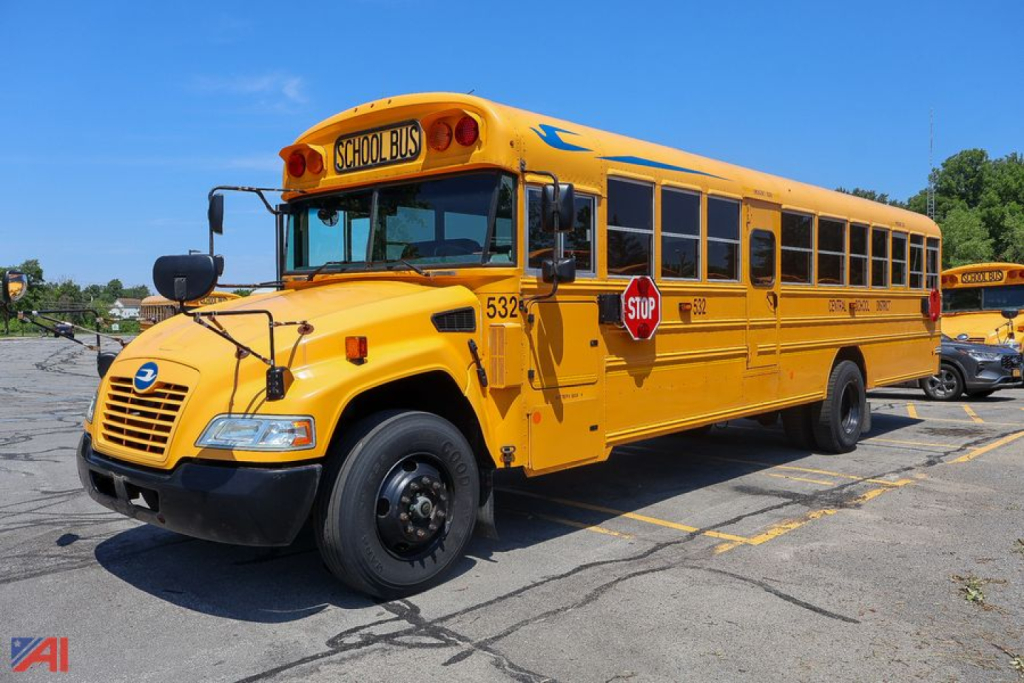
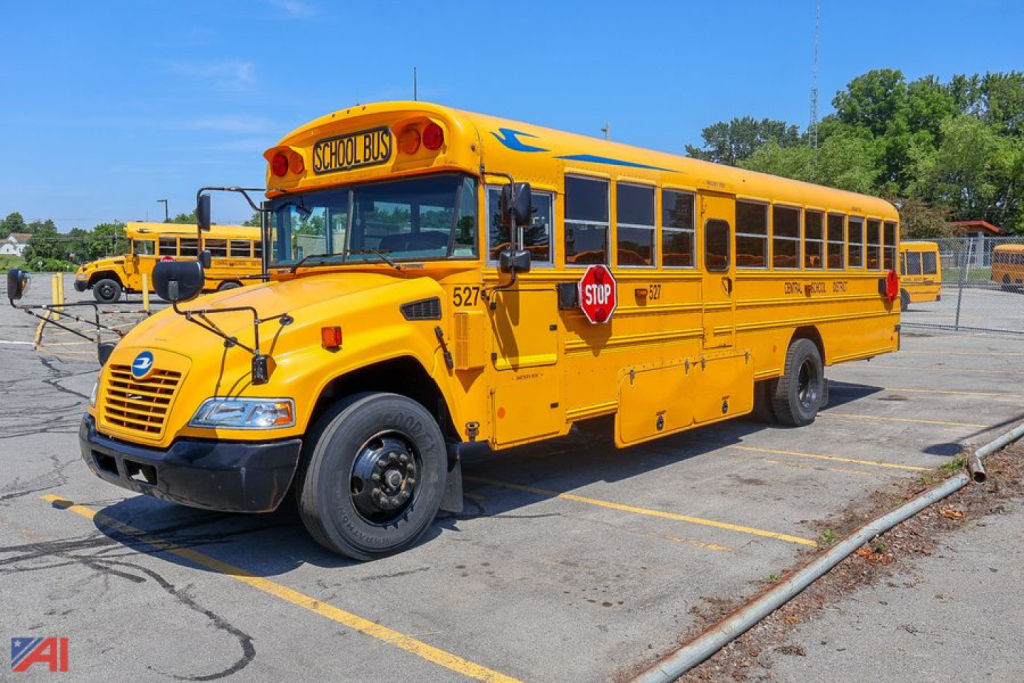
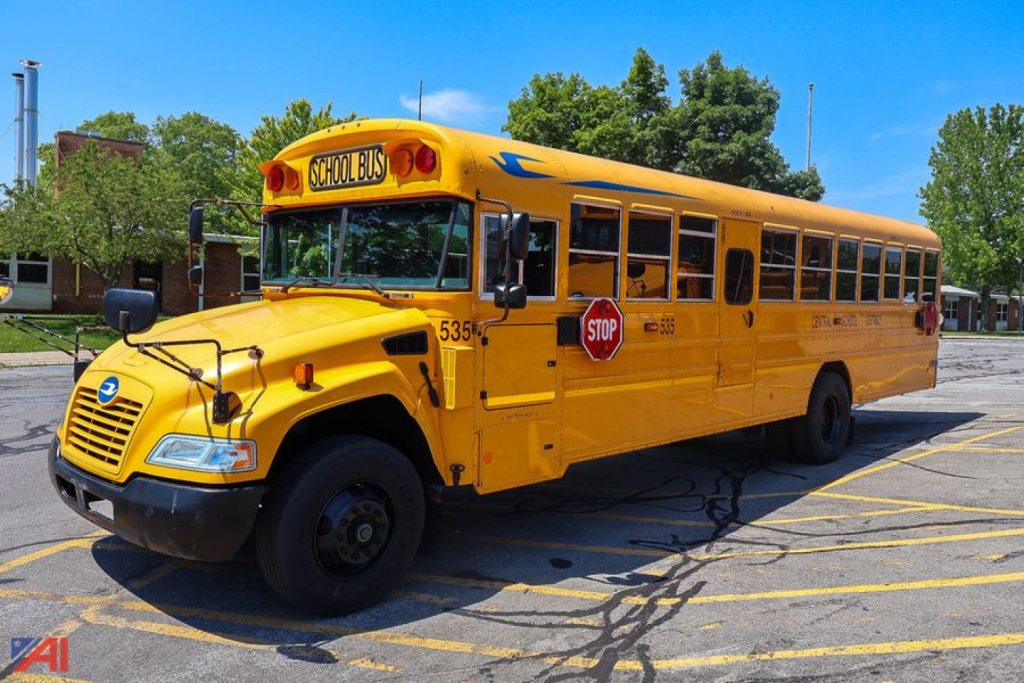
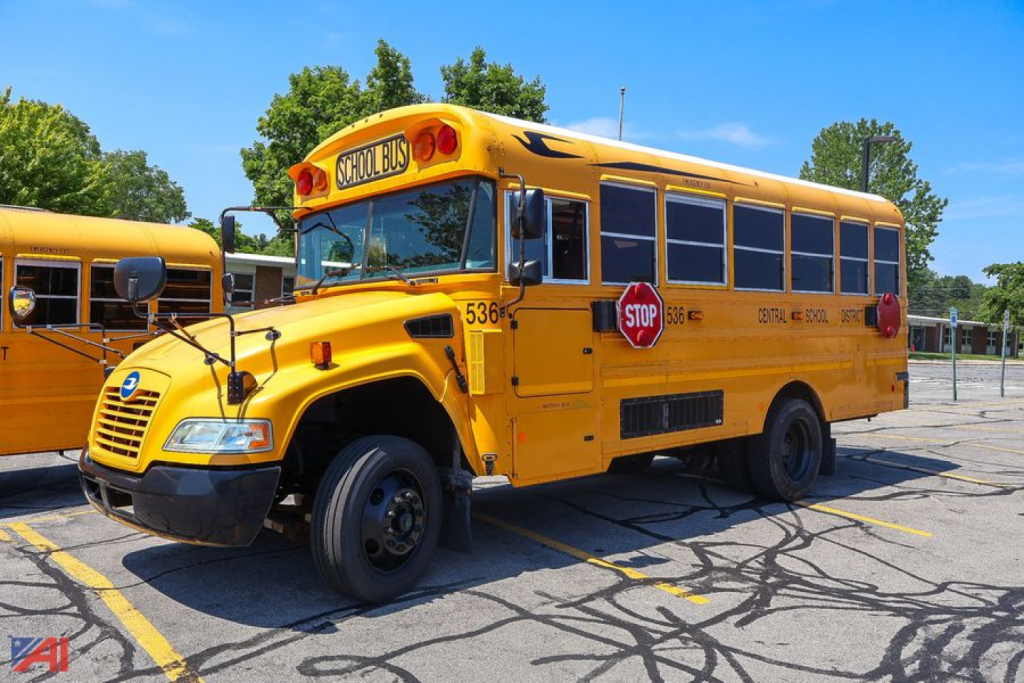

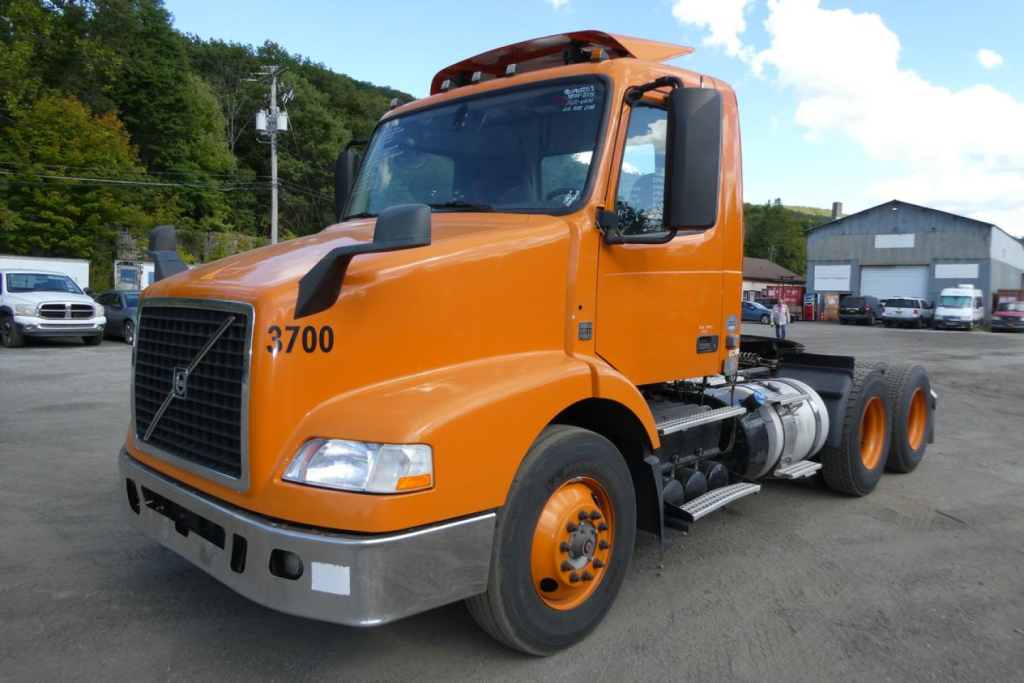
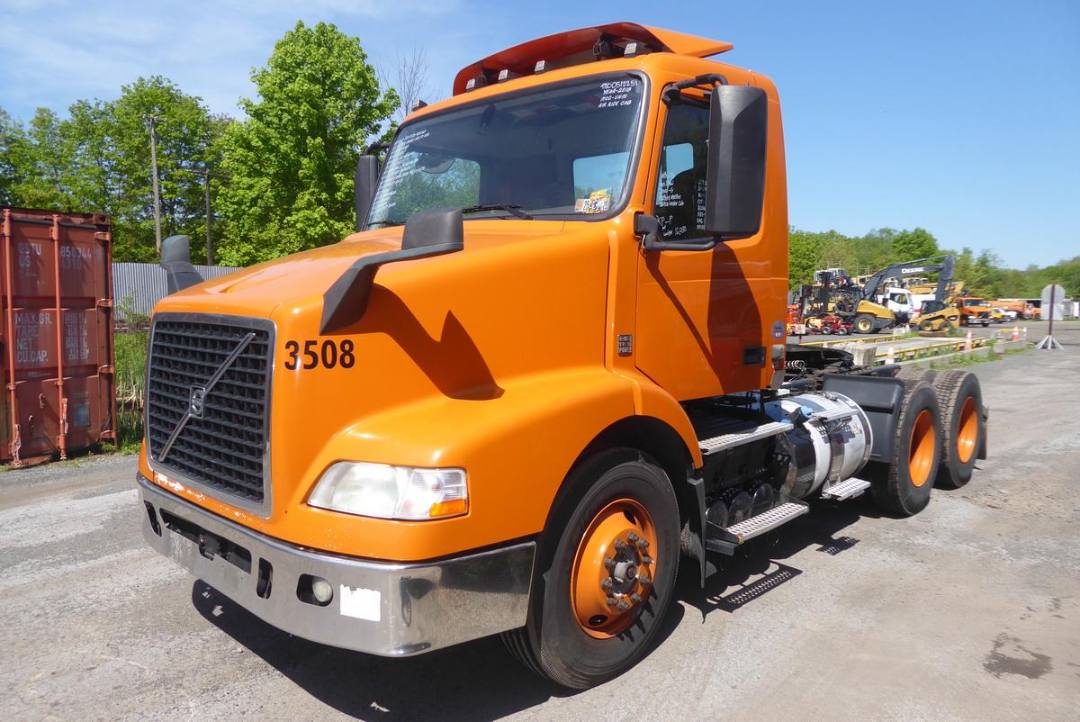
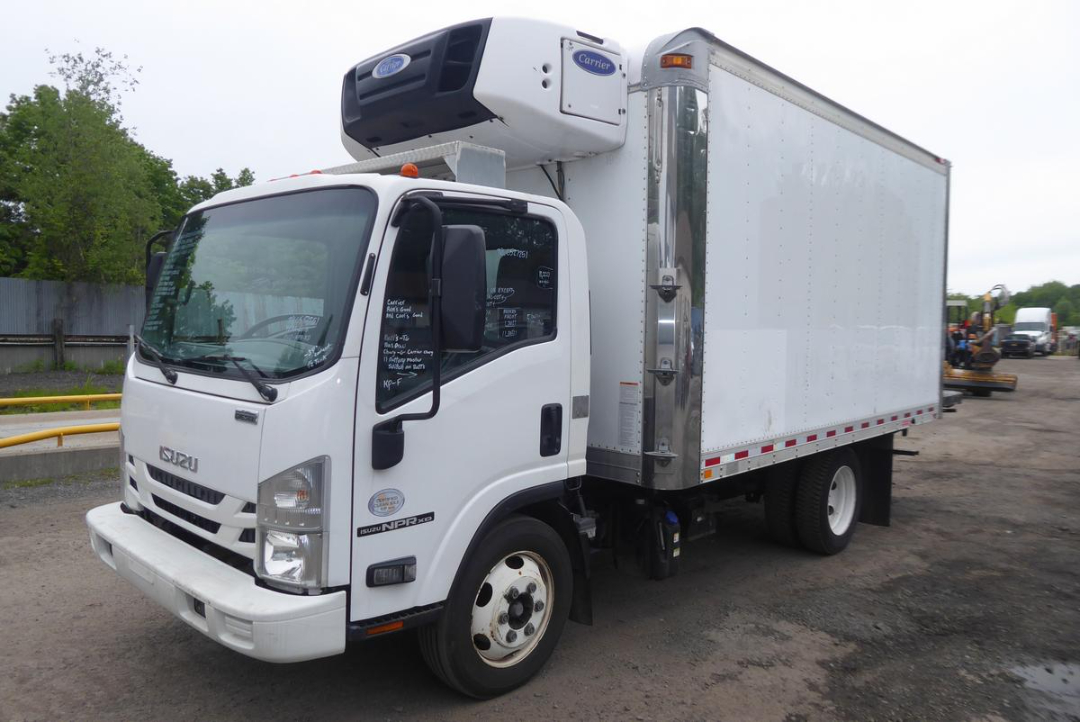
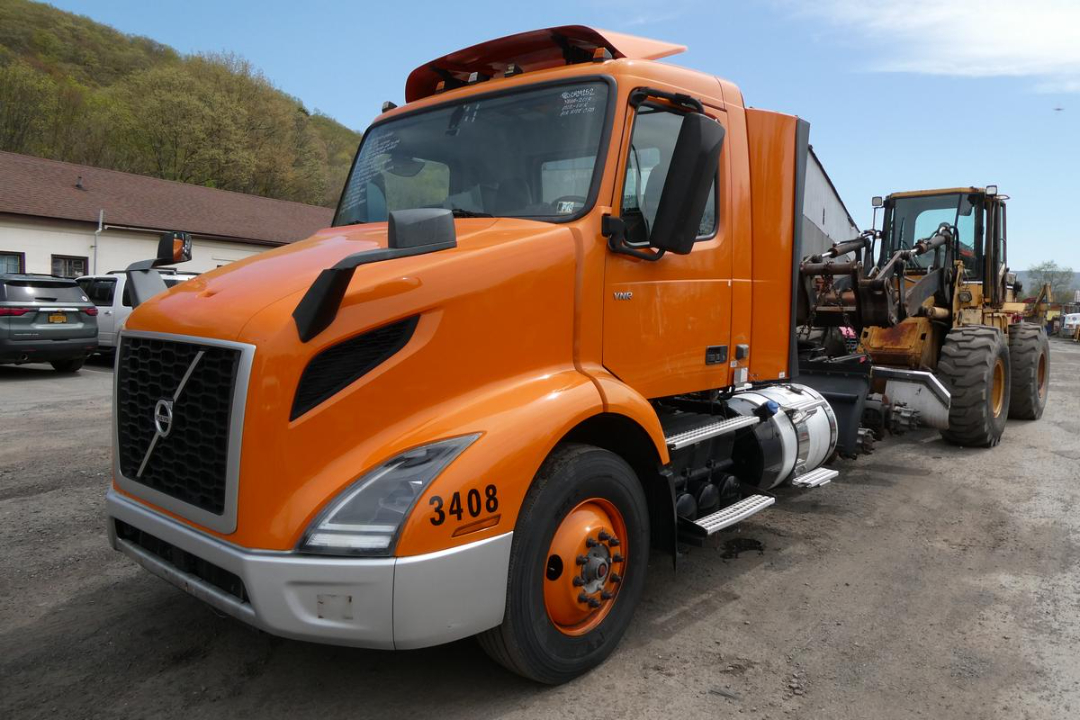
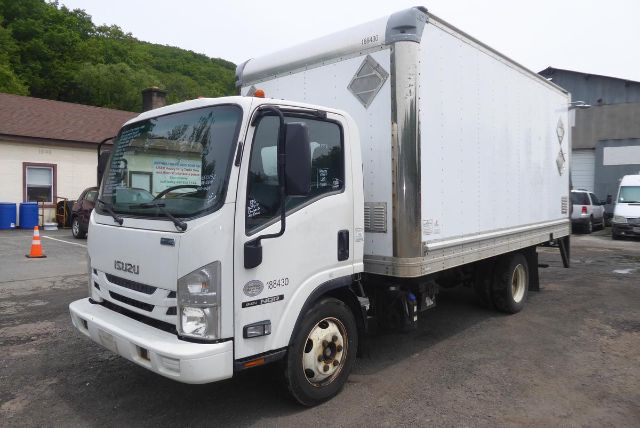
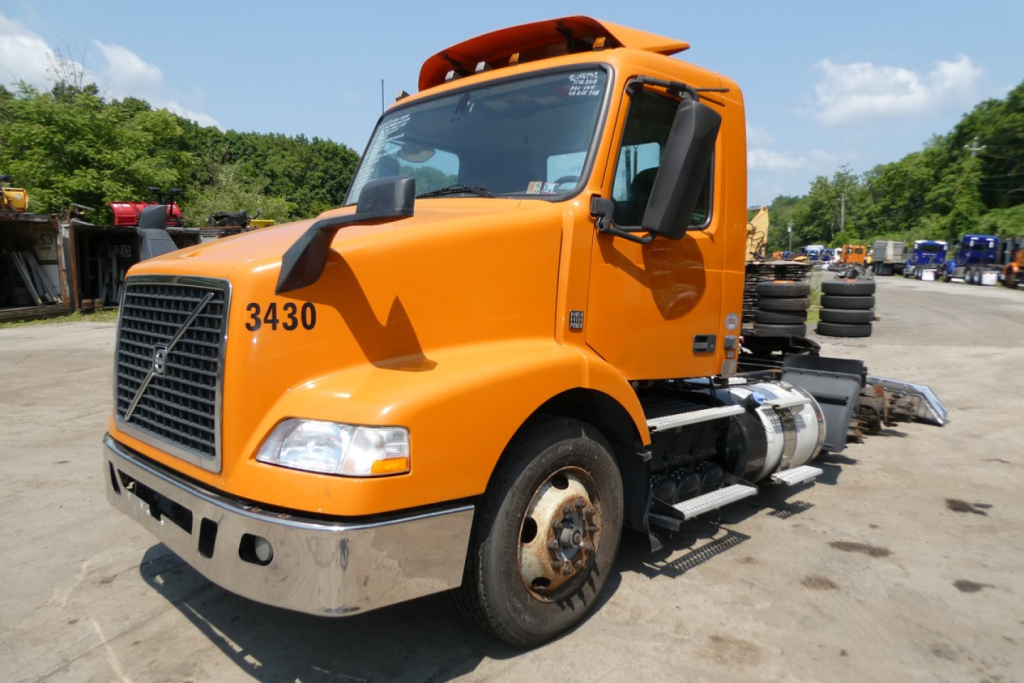
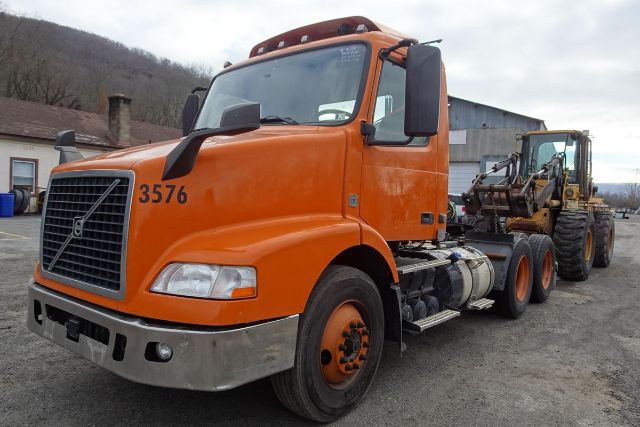
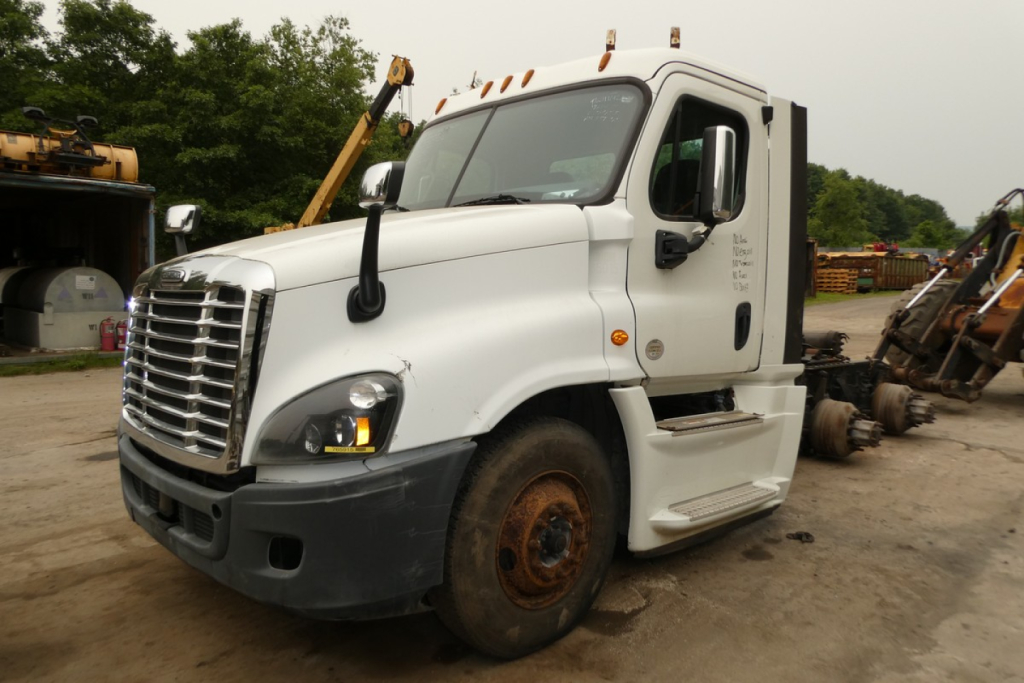
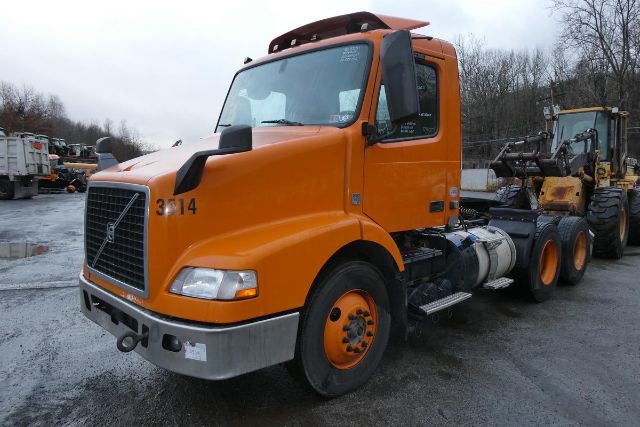
Showing 25 to 46 of 46 results
Have 2018 truck to sell? List it here to reach thousands of buyers.
About 2018 Trucks in New York
For over-the-road and regional use, 2018 conventional tractors commonly include 4x2 and 6x4 layouts, 10-speed, 12-speed automated manual, or 13-speed manual transmissions, and engines in the mid-300 to 500 horsepower range. Typical specs include 12,000 to 13,200 lb front axles, 23,000 lb single rears or 40,000 lb tandem rears, and rear axle ratios such as 3.25, 3.36, 3.42, or 3.70 depending on intended cruise speed and startability. Day cabs are often preferred for metro, port, and short regional lanes, while sleepers make more sense for longer Northeast routes and multi-day dispatch. Buyers should pay close attention to wheelbase, cab-to-axle, fifth wheel type, and suspension setup because those details determine trailer compatibility, turning radius, and ride quality.
For vocational work, a 2018 truck may be configured as a dump truck, plow truck, hooklift, rollback, or chassis intended for a body upfit. In that segment, higher rear axle ratings, double-frame construction, PTO provision, wet kits, spring or heavy-duty air suspensions, and severe-service transmissions are often more important than fuel economy. New York buyers should also think about corrosion exposure from winter road treatment, frame condition, body mount integrity, hoist performance, and hydraulic system wear. Rubber condition, brake life, steer axle loading, and the presence of locking differentials or a power divider can have a direct effect on jobsite performance.
The best way to evaluate a 2018 used truck is by matching the spec to the lane or job, then confirming the service history supports that use. Engine make, emissions maintenance, transmission type, miles versus engine hours, and signs of prior vocational stress all matter more than badge loyalty alone. A well-spec'd 2018 truck can still be a strong value in New York if the axle ratings, wheelbase, suspension, and drivetrain were chosen for the actual work it will do.
Frequently Asked Questions
What should I look for when buying a 2018 truck in New York?
Start with the intended application, then verify the truck’s wheelbase, axle configuration, axle ratings, transmission type, and rear ratio fit that work. In New York, buyers should also inspect frame and cab corrosion, brake condition, tire wear, suspension bushings, and emissions system service history because winter weather, road salt, and heavy traffic can accelerate wear. On a highway tractor, check fifth wheel setup, engine hours, and signs of idle time. On a vocational truck, inspect PTO operation, hydraulics, hoist components, and any body or subframe mounting points.
Is a 2018 truck a good year for owner-operators and small fleets?
A 2018 truck is often a practical middle ground because it typically offers modern drivetrains, better fuel economy than older pre-aero models, and more current cab features without the pricing of very late-model units. For many owner-operators and small fleets, that makes 2018 a strong value year if maintenance records are solid and the truck has not been poorly spec'd for the job. The real value comes from matching the horsepower, axle ratio, transmission, and suspension to the route, trailer, and payload.
What engine and transmission specs are common on 2018 trucks?
Common 2018 truck specs include diesel engines from roughly 350 to 500 horsepower paired with manual or automated manual transmissions such as 10-speed, 12-speed, or 13-speed setups. Highway tractors frequently use fuel-efficient rear ratios in the low-to-mid 3s, while vocational trucks may use deeper ratios for better low-speed pulling power. Buyers should compare horsepower and torque with GCWR, terrain, and average payload because the right drivetrain is determined by application, not just peak power.
Should I choose a 2018 day cab or sleeper?
A 2018 day cab is usually the better choice for local delivery, terminal work, construction support, and regional hauling where maneuverability, lower tare weight, and easier cab access matter most. A 2018 sleeper is better suited to longer regional and over-the-road lanes where driver comfort, storage, and overnight capability are important. The decision should also account for wheelbase limits, bridge law concerns, trailer swing clearance, and how often the truck will operate in dense urban areas versus open highway.
Are 2018 vocational trucks different from 2018 highway tractors in what I should inspect?
Yes. A vocational truck should be inspected beyond the basic engine and transmission checks because the body, hydraulics, PTO, frame reinforcement, and suspension take a large share of the workload. Dump and severe-service applications can hide wear in hoists, hinge points, crossmembers, tailgate hardware, and frame rails. A highway tractor puts more emphasis on aerodynamics, fuel economy, fifth wheel wear, suspension condition, and long-mile durability, so the inspection focus should reflect the type of service the truck was built to handle.