
2018 Volvo Trucks For Sale in New York
Shop 2018 Volvo trucks in New York. Compare VNL and VNM specs, D11 and D13 engines, I-Shift options, axle ratings, and fleet-ready features.
Selling a 2018 volvo truck? List your 2018 volvo truck for sale and reach thousands of commercial buyers.
2018 Volvo Trucks in New York
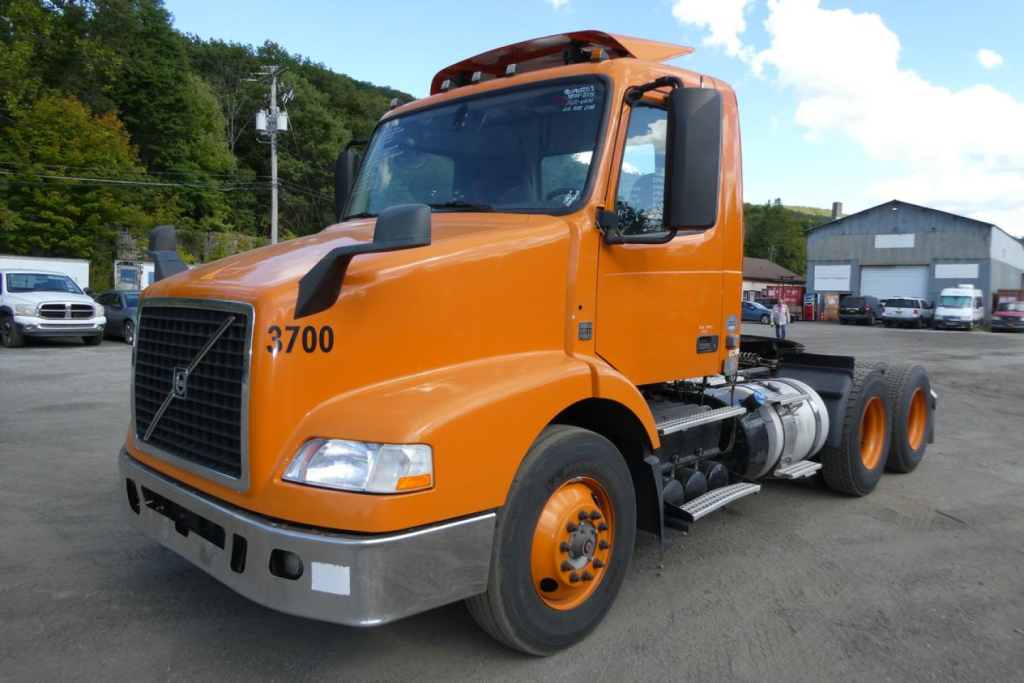
Powertrain choice is usually the first decision point. Many 2018 Volvo trucks were built with Volvo D11 or D13 engines, often paired with the Volvo I-Shift automated manual. The D11 is a common choice for regional fleets that want lighter weight and solid fuel economy, while the D13 is better suited for heavier gross weights, higher annual miles, and linehaul service. Horsepower in this year typically falls in the mid-300s to mid-400s depending on application, and rear axle ratios can vary significantly based on duty cycle. A buyer comparing listings should look closely at engine hours versus odometer, transmission type, ratio, and axle ratings, especially on tandem axle tractors. A 6x4 spec with a 40,000-pound rear and a 12,000-pound front axle is common on road tractors, but the exact suspension and gearing will tell you a lot about whether the truck was built for city shuttle work, regional freight, or heavier highway loads.
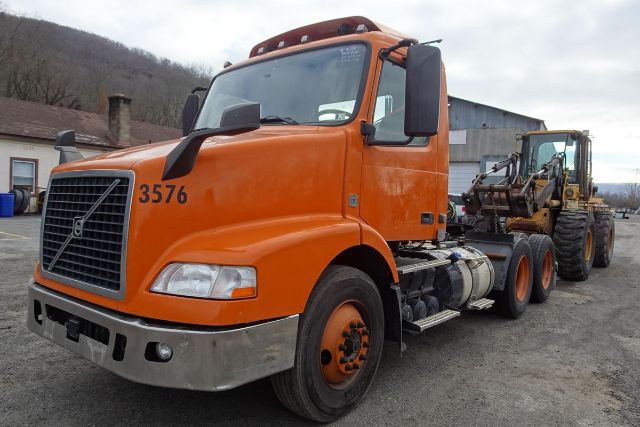
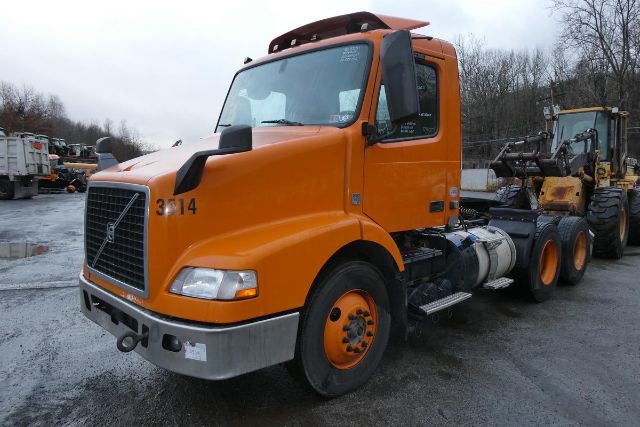
Volvo trucks from this period are also known for a well-laid-out cab, good visibility, and strong safety and braking options. Air disc brakes are common on some fleet specs and can be a real advantage for stopping performance and maintenance consistency. Buyers should also pay attention to frame setup, fifth wheel type, and suspension design. A single-frame day cab with an air slide fifth wheel can be a versatile choice for mixed trailer fleets, while sleeper models may carry longer wheelbases, larger fairings, and specs tailored to sustained highway use. If the truck has an aftertreatment system with DEF, the service history on emissions components is important, particularly for trucks that spent a lot of time idling or running short urban routes.
Condition matters more than badge or trim on a used 2018 Volvo. Review fault history, check for differential or transmission issues, verify if the truck is road-ready or being sold with known mechanical needs, and compare tire size, brake type, and suspension wear against the intended job. For buyers in New York, corrosion exposure, stop-and-go mileage, and idle-heavy fleet use should all be part of the evaluation. A well-matched 2018 Volvo can still be a productive tractor for regional freight, drayage, dedicated lanes, or over-the-road service, but the best value comes from matching the truck's original spec to the work it will actually do now.
Frequently Asked Questions about 2018 Volvo Trucks in New York
What engines are common in 2018 Volvo trucks?
2018 Volvo trucks commonly came with the Volvo D11 or Volvo D13 diesel engine, depending on the model and intended application. The D11 is often found in regional day cab specs where lower weight and fuel economy are priorities, while the D13 is more common in heavier tandem axle tractors and sleeper trucks that need stronger torque for sustained highway or higher-GVW work. Buyers should compare horsepower, torque rating, engine hours, and maintenance history instead of focusing only on displacement.
Is the Volvo I-Shift a good transmission choice in a 2018 Volvo truck?
The Volvo I-Shift is a widely accepted transmission choice in 2018 Volvo trucks and is especially popular in fleet applications because it improves shift consistency, helps reduce driver fatigue, and can support fuel economy goals. It is well suited for regional and highway service, but buyers should still confirm clutch condition, calibration history, software updates, and how the truck was used. In heavy stop-and-go service or poorly maintained fleets, transmission performance history matters as much as the transmission model itself.
What should I check first on a used 2018 Volvo truck?
Start with engine hours, odometer miles, fault codes, and service records. Then verify axle ratings, rear ratio, suspension type, brake setup, and whether the truck has a single or double frame. On a 2018 emissions-era truck, the DEF and aftertreatment system deserve close attention, along with any signs of excessive idle time or repeated warning lights. If the truck is a tandem axle tractor, inspect the differentials, driveshafts, and fifth wheel operation before making a decision.
What is the difference between a Volvo VNM and a Volvo VNL in 2018 models?
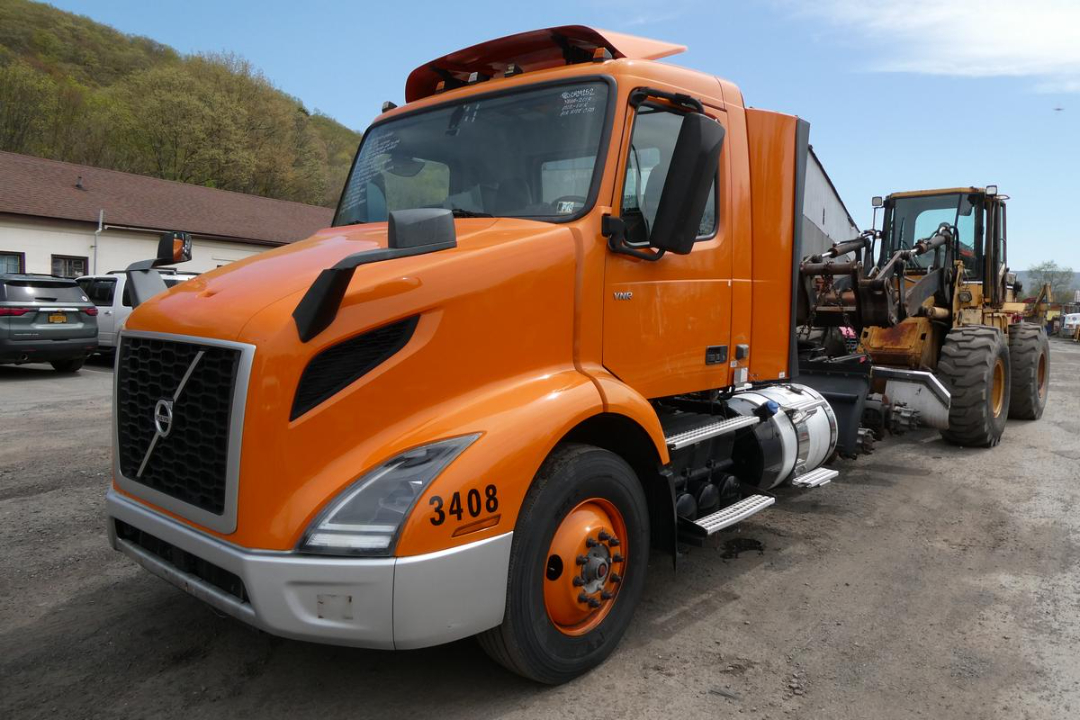
In 2018, the Volvo VNM was typically used as a shorter BBC regional platform, often found as a day cab or in fleet tractor service where maneuverability and tighter dimensions matter. The Volvo VNL is generally associated with long-haul service and is more commonly configured as a sleeper tractor with added aerodynamics, cab space, and highway-focused specs. The right choice depends on route structure, trailer type, dock access, and expected annual mileage.
Are 2018 Volvo trucks a good fit for New York operations?
They can be a very good fit if the spec matches the route. New York operations often involve tight streets, toll-sensitive lanes, terminal traffic, and frequent stop-and-go driving, so wheelbase, axle spacing, turning radius, and brake performance are important. A regional VNM day cab may make more sense for dense urban or short-haul work, while a VNL sleeper may be better for interstate freight moving through or out of the Northeast. Buyers should also account for corrosion exposure and emissions-system wear from idle-heavy service.