
2000 Trucks For Sale
Find 2000 trucks for sale with pre emissions power and proven drivetrains; check tare weight, floor strength, thermal integrity, and corrosion before buying.
Learn more
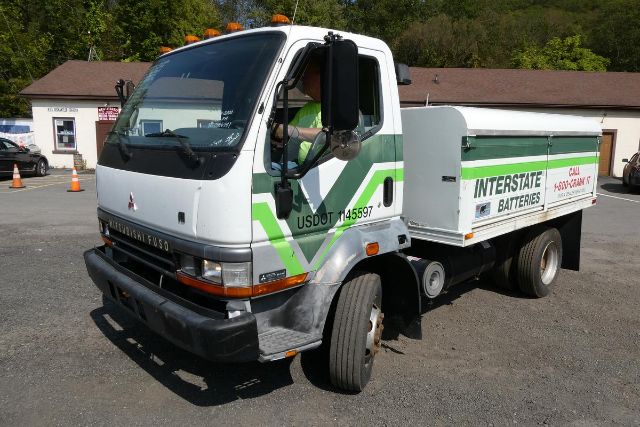
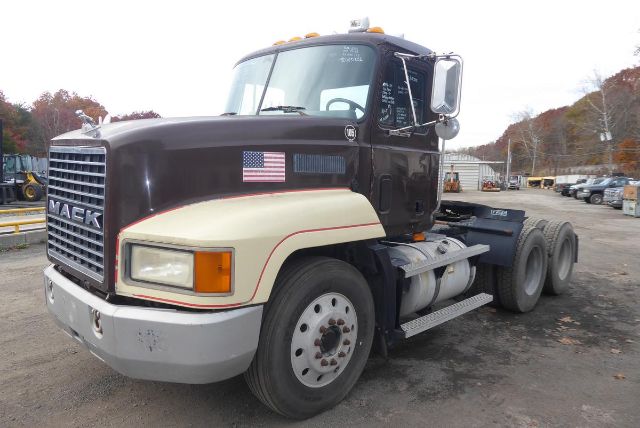
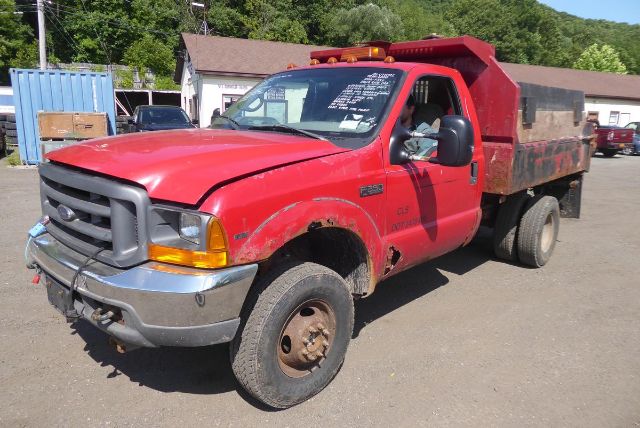
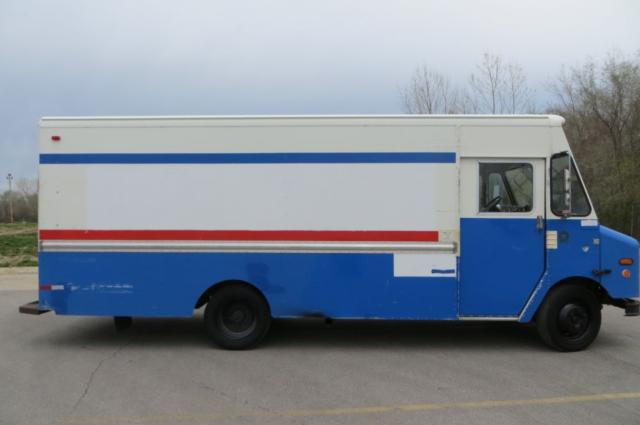
Showing 13 to 24 of 25 results
Have 2000 truck to sell? List it here to reach thousands of buyers.
About 2000 Trucks
Chassis specification drives payload and durability. Tare weight varies widely by configuration; aluminum wheels, hubs, tanks, battery boxes, and fifth wheels can trim several hundred pounds, while double frame rails, heavy vocational suspensions, and full fairings add weight but improve strength or stability. Wheelbase and sliding fifth wheel travel determine bridge compliance and axle loading; confirm you can shift weight off the drives without forcing the trailer kingpin too far forward. Most 2000 tractors use drum brakes with automatic slack adjusters and air ride or taper leaf suspensions; check S cam bushings, torque rod ends, and for air leaks. Tire size, 22.5 or 24.5, and rear ratio set cruise rpm, which affects fuel burn, heat load, and driveline life.
For straight trucks with van or reefer bodies, prioritize floor strength and box condition. Seek hardwood or aluminum plank floors with documented forklift axle ratings, examine crossmember spacing, 12 inch centers carry heavier point loads than 16 inch, and look for soft spots, popped fasteners, and racked corners. Scuff liners, logistics posts, and threshold plates protect sidewalls and dock edges and indicate mindful prior spec. Thermal integrity in reefer boxes depends on dry, intact foam, tight door seals, straight hinges, and clear drain tubes; expect some R value loss with age, request a pull down test with return air temps, and note many 2000 era units used R 404A that can be serviced or retrofitted as required.
Corrosion is the primary lifetime risk on a 2000 model. Inspect frame flanges, crossmembers, suspension hangers, cab mounts, battery boxes, fuel tank saddles, and aluminum steel interfaces for pitting and seam creep; scale between double rails is costly to remediate. Review wiring looms for chafe at pass throughs and frame clips, clean all grounds, and verify sealed connectors where possible to avoid intermittent faults. Pressure test the charge air cooler, check for blow by, pull oil and coolant analysis, and review any in frame overhaul or head work documentation. Measure brake drums and linings, verify ABS sensor function, and use tire wear patterns to flag alignment or bushing issues before committing.
Frequently Asked Questions
What are the main advantages and trade offs of a 2000 truck compared to newer models?
A 2000 truck typically offers pre emissions engines without DPF or DEF, simpler electronics, and proven drivetrains, which can reduce maintenance complexity and parts costs. The trade offs include age related wear in wiring, seals, HVAC, and interiors, fewer safety and driver assist features, and less refined aerodynamics that can cost some fuel. Performance and uptime are strong if the unit has been maintained and critical components have service records.
How do I judge floor strength on a 2000 box or reefer truck?
Request the original or replacement floor rating, then verify construction details on site. Look for laminated hardwood or aluminum plank floors with secure fasteners, and check crossmember spacing, 12 inch centers support heavier point loads than 16 inch. Walk the floor to find soft spots, inspect at the dock plate area for crushed sills, and confirm scuff liners, logistics posts, and threshold plates are intact. If possible, observe a forklift crossing test that reflects your axle load.
How can I evaluate the thermal integrity of a 2000 reefer truck before purchase?
Start with a visual inspection for delamination, wavy sidewalls, door seal gaps, hinge sag, and wet foam at penetrations. Confirm drains are clear and the reefer unit has no oil or refrigerant leaks, then run a documented pull down test to your target setpoint and ambient, noting return air temps and time to stabilize. Expect some R value loss with age; verify insulation dryness and consider a unit service history, many 2000 era systems used R 404A and can be serviced or retrofitted as needed.
What tare weight should I expect, and how can I reduce it on a 2000 truck?
Tare weight depends on configuration and spec; a highway tandem tractor can range widely based on sleeper size, frame thickness, suspension, and wheel material, while vocational doubles or heavy spec units weigh more. To trim weight, use aluminum wheels, hubs, tanks, and battery boxes, a lightweight fifth wheel, single exhaust if allowed, and optimize fuel tank capacity to your route. For straight trucks, lighter liftgates and aluminum plank floors can help, but confirm payload needs are still met.
Where do 2000 era trucks typically corrode, and how should I address it?
Common hotspots include frame flanges and crossmembers, suspension hangers, cab mounts, battery boxes, fuel tank saddles, and aluminum steel interfaces that trap moisture. Inspect double frame trucks for scaling between rails, check aluminum cabs for filiform corrosion at seams, and assess hardware condition. Plan for media blasting and coating on frames, replacement of affected brackets, and updated fasteners and isolators at mixed metal contact points; address wiring corrosion with new grounds, sealed connectors, and loom repairs.