
2000 Commercial Trucks For Sale in Florida
Have 2000 commercial truck to sell? List it here to reach thousands of buyers.
2000 Commercial Trucks in Florida
On-road tractors in this group are commonly conventional day cabs or sleeper trucks with diesel engines from Cummins, Detroit, Paccar, Volvo, Mack, or International, paired with automated manual or fully automatic transmissions depending on duty cycle. Key spec points include horsepower, torque, rear axle ratio, wheelbase, fifth wheel setup, suspension type, and fuel capacity. For Florida lanes, many buyers pay close attention to cooling system condition, A/C performance, and aerodynamic features because heat, humidity, and long interstate miles can affect driver comfort and operating cost. On heavier tractors, tandem rear axle ratings, engine brake performance, and tire condition have a direct effect on loaded performance and maintenance planning.
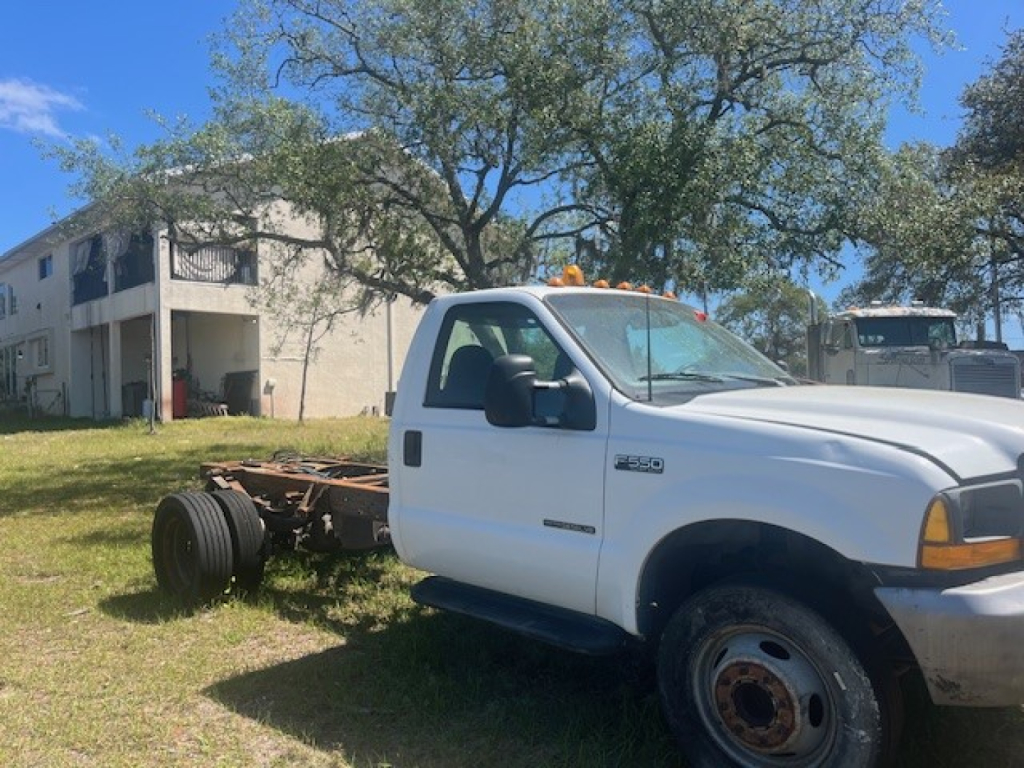
Medium-duty and vocational trucks need a different checklist. Dump trucks should be evaluated by body material, hoist type, side height, gate configuration, PTO setup, and front and rear axle capacity. Tow trucks and rollback carriers are often judged by bed length, deck width, winch rating, wheel-lift capacity, remote controls, toolbox layout, and how the chassis GVWR matches the recovery work being done. Buyers comparing business-use trucks in Florida should also verify if a truck is CDL or non-CDL friendly, especially around the 26,000 lb GVWR threshold, since that can affect hiring flexibility and route assignment. Air ride suspension, 22.5-inch rubber, automatic transmissions, and power convenience features are common on late-model work trucks because they improve drivability and reduce fatigue in stop-and-go service.
Condition matters more than badge on used trucks, especially in a coastal state. A Florida truck may avoid some northern rust issues, but buyers still need to inspect frame rails, crossmembers, electrical connections, air systems, hydraulic lines, and cab mounting points for corrosion caused by salt air and humidity. Service records, engine hours, idle time, DPF and emissions history, and signs of body or equipment repairs tell more than odometer mileage alone. The strongest value usually comes from a truck whose chassis, driveline, and body were originally spec’d for the same work it is still doing today, because that tends to mean better durability, fewer modifications, and more predictable operating costs.
Frequently Asked Questions about 2000 Commercial Trucks in Florida
What types of trucks are typically included in 2000 trucks for sale in Florida?
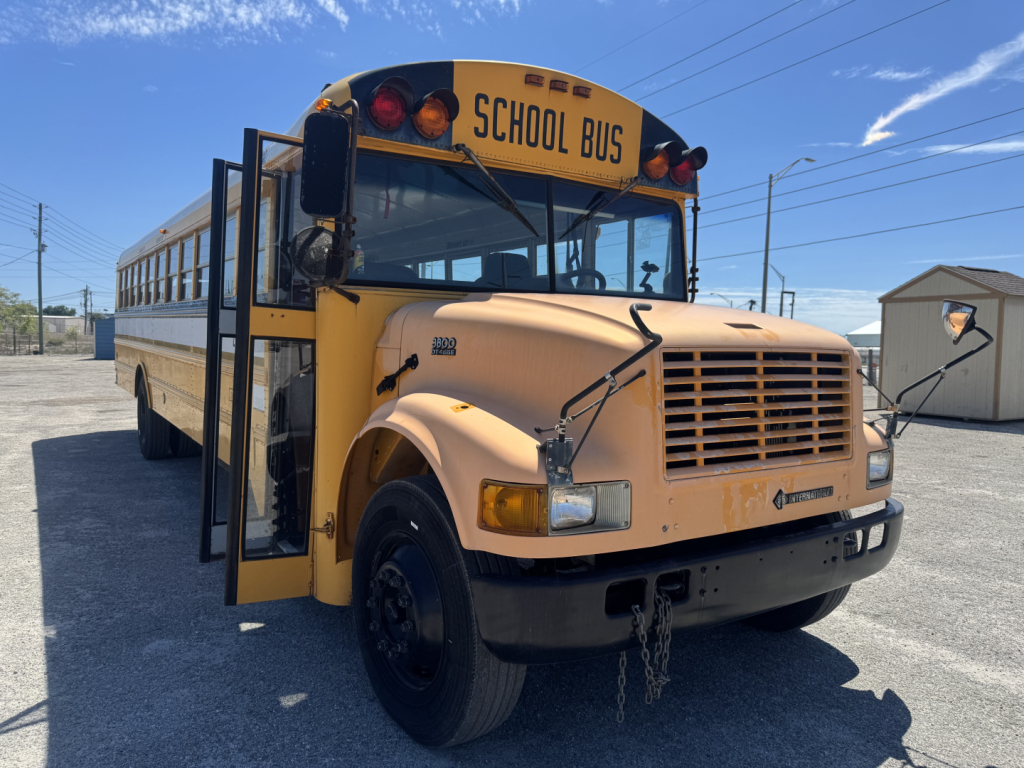
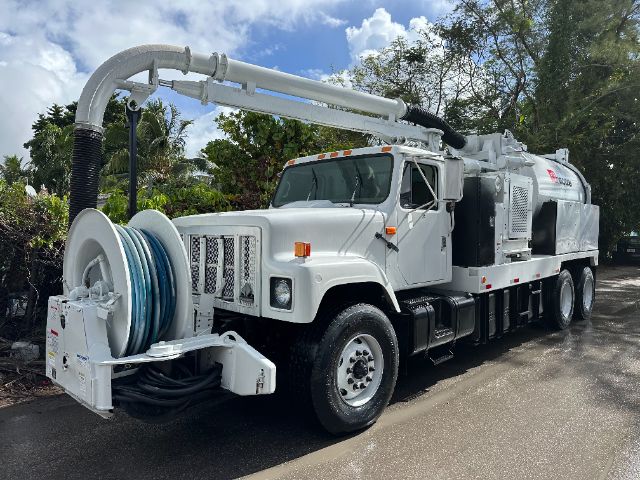
This category can include a wide range of commercial trucks, from highway tractors and sleeper semis to dump trucks, rollback tow trucks, wreckers, and medium-duty straight trucks. The exact mix depends on the local market, but Florida commonly shows demand for regional haul units, construction trucks, towing equipment, and delivery chassis because of the state’s freight corridors, population growth, and year-round vocational work.
What should I check first when comparing used trucks in Florida?
Start with the truck’s intended application, then confirm the core chassis specs match that job. GVWR, axle ratings, engine and transmission combination, wheelbase, brake type, suspension, and PTO capability are the first items to verify. After that, inspect service history, emissions system records, cooling performance, A/C operation, tire wear, hydraulic equipment if applicable, and any signs of corrosion from coastal exposure or long-term humidity.
Is 26,000 GVWR an important number when buying a truck?
Yes. The 26,000 lb GVWR range is a major dividing line for many buyers because it can affect CDL requirements depending on the truck and trailer combination, local regulations, and how the vehicle is used. Trucks spec’d just under that threshold are popular in delivery, towing, and municipal applications because they can widen the driver pool, while heavier units may offer more payload or equipment capacity but require different licensing and compliance planning.
What matters most when buying a used tow truck or rollback?
The most important factors are chassis rating and recovery equipment capacity. Bed length, deck width, winch rating, wheel-lift capacity, PTO or hydraulic performance, remote control functions, and structural condition of the carrier body all need to line up with the vehicles being transported. A rollback may look well-equipped, but the real value is in whether the truck can handle the intended load safely and repeatedly without overworking the chassis or suspension.
Are Florida trucks better because they usually have less rust?
Florida trucks can have an advantage over trucks from northern road-salt regions, but they are not automatically rust-free. Coastal air, humidity, flooding, and heavy rain can still affect frames, wiring, brake components, and hydraulic systems. Buyers should inspect the undercarriage, connectors, body mounts, crossmembers, and equipment mounting points carefully rather than assuming a Florida history means the truck has no corrosion concerns.