
2000 Ford Commercial Trucks For Sale
2000 Ford trucks from F-250 to F-750 with 7.3 Power Stroke or V10. Know payload, floor strength, thermal integrity, and corrosion considerations.
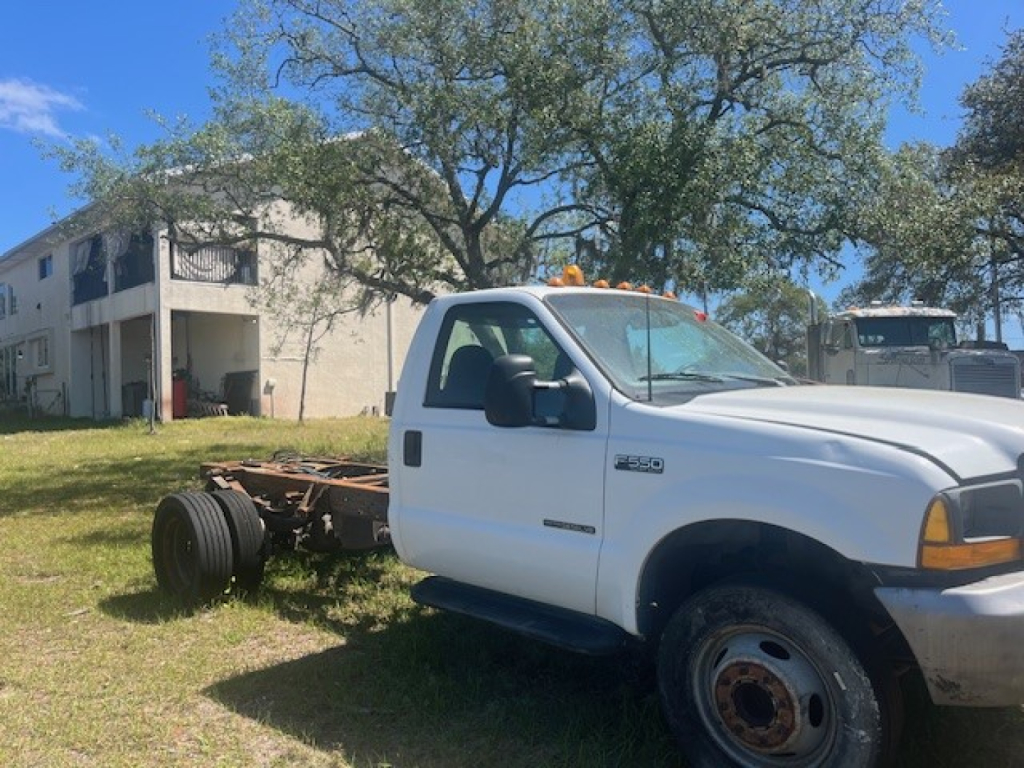
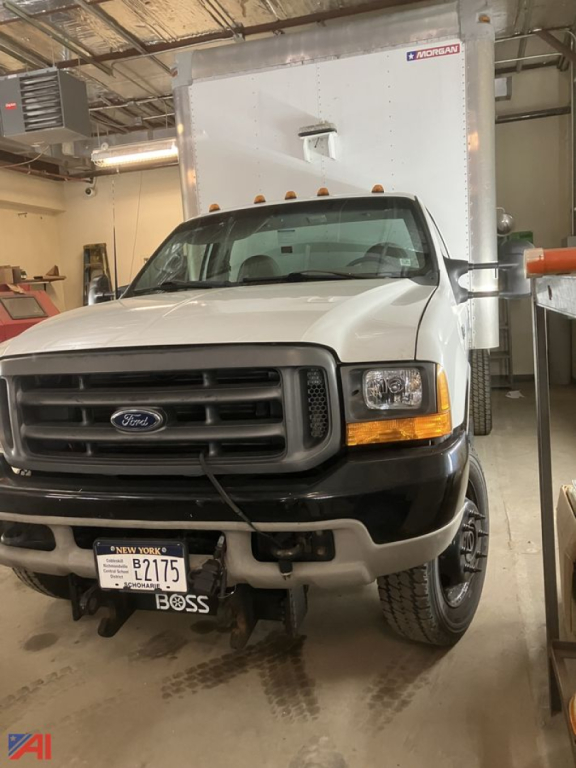
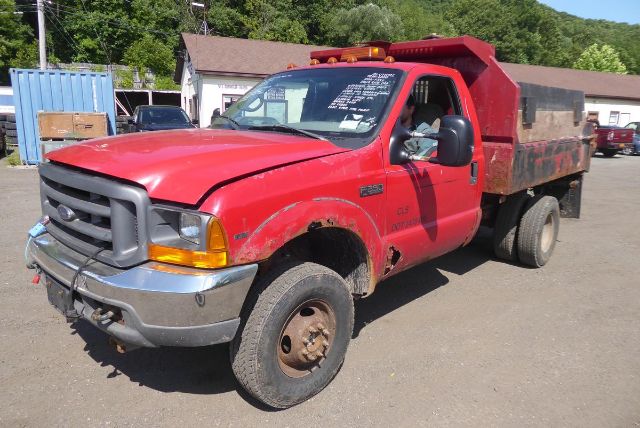

Selling a 2000 ford commercial truck? List your 2000 ford commercial truck for sale and reach thousands of commercial buyers.
2000 Ford Commercial Trucks
Floor strength is a key differentiator on box trucks, stake beds, and dumps. Look for crossmember spacing 12 inch on heavy spec, 16 inch on lighter builds, hardwood or laminated oak floors for impact resistance, and aluminum plank or steel treadplate where forklift traffic is routine. Heavier rear frame reinforcement, dock bumpers, and steel or UHMW scuff liners protect sidewalls and help the floor retain integrity under palletized loads. On platform and contractor bodies, check for full length sills, weld quality at stake pockets, and rubrail condition. For dump bodies, inspect the floor for bowing, thinning, or patch plates near the centerline and tailgate hinge, these signal how well the floor has stood up to aggregate or demo work.
Thermal integrity matters for refrigerated box configurations and insulated dry vans. Box construction with sealed foam panels, tight door gaskets, and continuous vapor barriers maintains setpoint, reduces reefer cycle time, and saves fuel. Aluminum roofs shed heat but conduct cold, translucent roofs admit light but can raise box temperature, match roof and sidewall spec to route and climate. Review reefer unit brand and hours, Thermo King or Carrier, condenser cleanliness, and drain routing, and confirm that floor channels are unobstructed so air returns evenly. On all 2000 Ford trucks, cabin HVAC performance, radiator condition, fan clutch function, and charge air cooler integrity influence engine thermal stability under tow or grade.
Tare weight drives payload and operating cost. Steel dumps and service bodies add durability but cost weight, aluminum or composite bodies reduce tare and resist corrosion, which helps keep payload margin and resale. Verify actual curb weight with fuel and body installed, then compare to door jamb GVWR and axle ratings to confirm legal payload. Corrosion resistance is critical on this vintage, inspect frame rails inside and out, spring hangers, cab mounts, rocker panels, bed cross sills, and brake and fuel lines. Favor frames with intact coating, boxes with galvanized or epoxy coated crossmembers, stainless fasteners, and sealed wiring. Tire size 17 inch, 16 inch, or 19.5 inch, wheel material, and suspension packs also affect tare and ride quality; choose the combination that meets payload targets without compromising stability or braking margins.
Frequently Asked Questions about 2000 Ford Commercial Trucks
Which engines and transmissions are common on 2000 Ford trucks and what are the trade offs?
Popular choices include the 7.3L Power Stroke diesel for high torque, longevity, and tow performance, the 6.8L Triton V10 for simpler emissions and strong power at lower acquisition cost, and the 5.4L Triton V8 for lighter duty use. Transmissions include ZF 6 speed manuals that offer control and PTO options on some builds, 4R100 automatics that are proven but require healthy cooling and service intervals, and Allison automatics on many F-650 and F-750 units for durability in stop and go or vocational work. Match the powertrain to duty cycle, grade, and desired payload to balance performance and cost.
How do I evaluate floor strength on a 2000 Ford box truck or flatbed?
Start with crossmember spacing and material. Twelve inch centers with structural steel or heavy aluminum provide better resistance to point loads from pallet jacks or forklifts. Hardwood or laminated oak floors spread impact and resist fastener pull through, while aluminum plank floors cut tare and handle moisture. Inspect for soft spots, corrosion at fasteners, edge rot near door thresholds, and the condition of scuff liners. On flatbeds, check main sills, outer rails, stake pockets, and any forklift dents between crossmembers that indicate overloading.
What corrosion areas should I check on a 2000 Ford Super Duty or medium duty chassis?
Inspect frame rails inside webs, rear kickups, crossmembers near fuel tanks, spring hangers, and cab mounts. Look closely at rocker panels, cab corners, bed cross sills, and wheel well lips on pickups. On medium duty units, check body mounting points, PTO covers, brake line clips, and battery trays. Surface rust is common, but scaling, flaking, soft metal around fasteners, or swollen frame laminations suggest structural loss. Favor trucks with documented undercoating, galvanized or epoxy coated body components, and recent brake and fuel line replacements.
How much does tare weight vary by body type on these trucks?
Tare weight can swing by thousands of pounds across similar chassis. A steel service body or steel dump can add 1,000 to 3,000 pounds versus a pickup bed, while an aluminum flatbed or service body may save 300 to 800 pounds compared to steel. Reefer boxes add weight for insulation and refrigeration hardware, while dry boxes are lighter but vary by panel and floor spec. Verify curb weight with the installed body and fuel on a scale, then calculate payload against GVWR and individual axle ratings to ensure legal and safe operation.
What affects thermal integrity on a 2000 Ford refrigerated box truck and how does that impact operating cost?
Thermal performance depends on insulation thickness and continuity, door gasket condition, vapor barrier quality, and airflow management. Insulated floors with intact channels, sealed seams, and proper scuff protection reduce heat ingress and keep return air balanced, which lowers reefer runtime and fuel burn. Roof material and color influence heat load, and well maintained reefer units with clean condensers and correct refrigerant charge cycle less often. Good thermal integrity protects product, reduces engine and reefer wear, and saves fuel over the life of the truck.